Skillet Ground Beef and Potatoes (The Weeknight Dinner That Actually Delivers)
A hearty one-pan dinner of seasoned ground beef and crispy golden potatoes cooked together in a single skillet. We analyzed the most common home cook failures — soggy spuds, gray meat, underseasoned everything — and built a method that fixes all three.
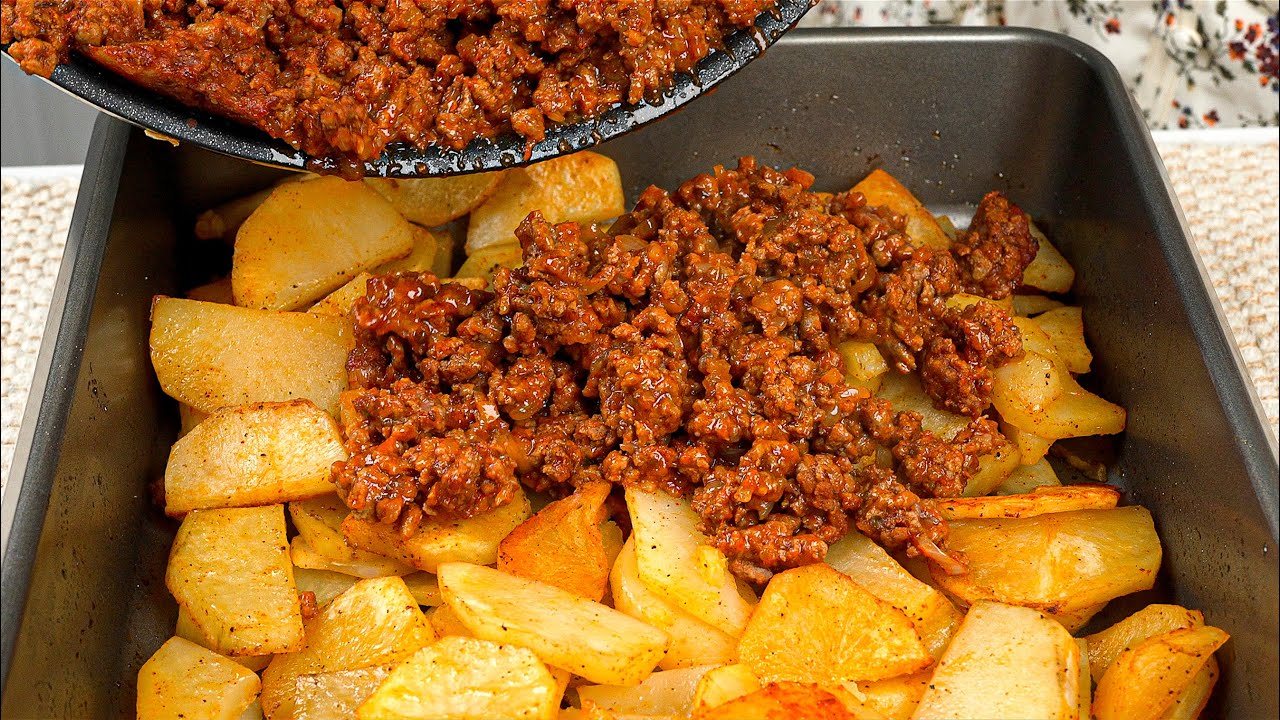
“Ground beef and potatoes sounds like the most boring sentence in cooking. It's also one of the most frequently botched. The problem isn't the ingredients — it's the sequence. Most people dump everything in the pan at once and wonder why they end up with steamed, gray meat sitting in a pool of potato water. The fix is embarrassingly simple: cook them separately in the same pan, in the right order, and combine at the end.”
Why This Recipe Works
Ground beef and potatoes is the kind of recipe that cooks apologize for before serving. It's not glamorous. It has no Instagram moment. It will never appear on a tasting menu. And yet, when executed correctly — and almost nobody executes it correctly — it produces a deeply satisfying dinner that tastes like it took far more work than it did. The problem is that "correctly" turns out to mean something very specific that most recipes never explain.
The Sequencing Problem
Every failed version of this dish starts with the same mistake: everything goes in the pan at once. This seems logical — it's a one-pan meal, so why dirty two? — but it ignores how the two main ingredients actually behave under heat. Potatoes are approximately 80% water by weight. Ground beef is approximately 65% water. When you apply heat to both simultaneously, that moisture has nowhere to go except into the air above the pan and onto the surfaces of both ingredients. The result is a self-defeating steam environment where nothing browns, nothing crisps, and the only flavor development you get is from the salt you added at the start.
The fix is straightforward: cook the potatoes first in a 12-inch cast iron skillet, remove them, then cook the beef in the same pan with all the fond (the browned residue) left behind. This sequence respects the physics of each ingredient. The potatoes get the dry, sustained heat they need to form a golden crust. The beef gets a clean, hot surface that immediately triggers the Maillard reaction rather than drowning in potato steam. At the end, you combine them briefly — just long enough for the flavors to marry — without sacrificing the texture of either.
Why 80/20 Beef Is Non-Negotiable
Lean ground beef sounds like the responsible choice. It is the wrong choice. The 20% fat in 80/20 ground beef does three critical things: it lubricates the pan surface so the meat doesn't stick during the initial sear, it conducts heat to the interior of each crumble faster than water does, and — most importantly — it becomes the cooking medium itself as it renders out, basting the beef in its own fat. The flavor compounds created during beef fat rendering are distinct from those created during water evaporation. One tastes like beef. The other tastes like boiled meat.
If you're concerned about excess fat, drain it after the browning phase, before the seasoning goes in. But don't start with lean beef. The crust that forms during the initial undisturbed sear — the move that separates good ground beef from gray crumbles — requires sufficient fat to facilitate the chemical reaction between protein and heat.
The Potato Two-Stage Method
Achieving a properly crispy potato cube in a skillet requires two distinct heat applications: a steam phase and a sear phase. The steam phase (covered pan, medium-high heat) cooks the interior of the potato through without requiring you to maintain surface contact long enough to burn the exterior. The sear phase (uncovered pan, sustained contact) creates the crust. Most recipes skip the steam phase entirely and try to accomplish both goals simultaneously, which results in potatoes that are either burnt outside and raw inside or golden outside and watery within.
The other half of the potato equation is surface moisture. A freshly cut potato cube has free water on every cut surface. This water creates a steam barrier between the potato and the pan that prevents direct contact between protein and metal — and without that direct contact, the Maillard reaction cannot occur. Five minutes of air-drying after cutting, combined with a thorough pat-down with paper towels, eliminates enough surface moisture to let the crust form within the first 60 seconds of pan contact.
Building Flavor With What's Already There
The fond left in the pan after the potatoes come out is not waste — it's the foundation of everything that follows. Those dark brown bits are caramelized potato starch and rendered oil that carry intense umami and sweetness. When the onion and bell pepper hit the pan, they deglaze that fond and absorb it. When the beef hits after the vegetables, it builds on top of those existing flavor layers. By the time the smoked paprika, Worcestershire sauce, and garlic go in, you've built four or five distinct flavor contributions into the pan without adding a single additional ingredient beyond what the recipe already calls for.
This layered approach — building flavor sequentially in a single heavy-bottomed pan rather than adding everything at once — is the difference between a dish that tastes assembled and one that tastes cooked. The ingredients are identical either way. The sequence is everything.
Where Beginners Mess This Up
Before we start, read this. These are the 4 reasons your skillet ground beef and potatoes (the weeknight dinner that actually delivers) will fail:
- 1
Adding potatoes and beef at the same time: Potatoes release steam as they cook. Ground beef needs dry heat to brown. Put them together and you've destroyed both: the beef steams gray instead of browning, and the potatoes turn soft instead of crisping. They must be cooked in sequence — potatoes first, beef second — in the same pan.
- 2
Not drying the potatoes before they hit the pan: Any moisture on the potato surface immediately creates steam between the potato and the pan surface, preventing the Maillard reaction that creates the golden crust. Pat the cut potatoes dry with paper towels and let them sit for five minutes after cutting. This is not optional.
- 3
Crowding the pan: A 10-inch skillet cannot brown two pounds of ground beef and two pounds of potatoes simultaneously. The temperature drops, moisture accumulates, and everything steams. Use a 12-inch skillet minimum, or cook in batches. More surface area equals more browning equals more flavor.
- 4
Under-seasoning at every stage: Ground beef and potatoes are both mild-flavored ingredients that need aggressive seasoning at multiple points: when the potatoes hit the pan, when the beef is browning, and again at the end. Season once and you get food. Season three times and you get dinner.
The Video Reference Library
Want to see it in action? Here are the exact videos we analyzed and combined to build this foolproof recipe translation:
The foundational video for this recipe. Clear sequence demonstration showing exactly when to add each ingredient and what the browning should look like at each stage.
Deep dive into the technique behind getting real browning on ground beef rather than gray steamed meat. Covers pan temperature, moisture management, and timing.
Focused tutorial on achieving the perfect golden crust on pan-fried potato cubes. Demonstrates the two-stage cook (steam then sear) that produces tender insides and crispy outsides.
🛠️ Core Equipment
- 12-inch cast iron or stainless steel skilletThe pan needs to hold high heat without temperature drops. Non-stick pans can't get hot enough to properly brown potatoes or beef. Cast iron retains heat even when cold ingredients hit the surface.
- Lid or large baking sheetUsed to cover the potatoes briefly during the par-cook phase, trapping steam to speed up the interior without over-browning the exterior. The potato needs to be tender inside before the final crisping.
- Splatter screenGround beef releases a significant amount of fat as it cooks at high heat. A splatter screen keeps the stovetop clean without trapping steam like a lid would.
- Fish spatula or wide stiff spatulaYou need to turn potato cubes individually and break up ground beef with precision. A thin, flexible spatula gets under each cube cleanly without mashing.
Skillet Ground Beef and Potatoes (The Weeknight Dinner That Actually Delivers)
🛒 Ingredients
- ✦1.5 pounds 80/20 ground beef
- ✦1.5 pounds Yukon Gold potatoes, cut into 3/4-inch cubes
- ✦1 medium yellow onion, diced
- ✦4 cloves garlic, minced
- ✦1 red bell pepper, diced
- ✦2 tablespoons olive oil, divided
- ✦1 teaspoon smoked paprika
- ✦1 teaspoon garlic powder
- ✦1/2 teaspoon onion powder
- ✦1/2 teaspoon ground cumin
- ✦1/4 teaspoon cayenne pepper
- ✦1 teaspoon Worcestershire sauce
- ✦Salt and freshly ground black pepper to taste
- ✦2 tablespoons fresh flat-leaf parsley, chopped
- ✦Optional: shredded cheddar cheese for serving
👨🍳 Instructions
01Step 1
Cut the potatoes into 3/4-inch cubes. Pat completely dry with paper towels and let sit uncovered for 5 minutes.
02Step 2
Heat 1 tablespoon olive oil in a 12-inch cast iron skillet over medium-high heat until shimmering. Add the potato cubes in a single layer, season generously with salt and pepper, and cook undisturbed for 4-5 minutes until golden brown on the bottom.
03Step 3
Flip the potatoes, cover with a lid or baking sheet, and cook 4-5 minutes more. Remove the lid, flip once more, and cook uncovered another 3-4 minutes until crispy on multiple sides and tender when pierced with a knife.
04Step 4
Transfer the potatoes to a plate. Do not wipe out the pan — the rendered potato starch left behind adds flavor to everything that follows.
05Step 5
Add the remaining tablespoon of olive oil to the same pan over medium-high heat. Add the diced onion and red bell pepper. Cook for 4-5 minutes, stirring occasionally, until softened and beginning to char slightly at the edges.
06Step 6
Push the vegetables to the edges of the pan. Add the ground beef to the center in one layer. Do not break it up immediately. Let it sear undisturbed for 2-3 minutes until a deep brown crust forms on the bottom.
07Step 7
Break the beef into large crumbles with your spatula. Add the minced garlic, smoked paprika, garlic powder, onion powder, cumin, and cayenne. Cook for another 3-4 minutes, stirring occasionally, until the beef is cooked through and fragrant.
08Step 8
Add the Worcestershire sauce and stir to combine. Taste for seasoning and adjust salt and pepper.
09Step 9
Return the crispy potatoes to the pan. Fold everything together gently so the potatoes don't break apart. Cook together for 1-2 minutes just to reheat the potatoes and let the flavors marry.
10Step 10
Remove from heat. Scatter fresh parsley over the top. Serve directly from the skillet, with shredded cheddar on the side if desired.
Nutrition Per Serving
Estimates based on standard preparation. Adjustments alter macros.
🔄 Substitutions
Instead of 80/20 ground beef...
Use Ground lamb or Italian sausage (removed from casing)
Ground lamb adds a gamier, richer flavor with the same fat content. Italian sausage brings fennel and herbs that pair surprisingly well with the smoked paprika. Both work without any recipe modification.
Instead of Yukon Gold potatoes...
Use Sweet potatoes
Cut into slightly smaller 1/2-inch cubes since sweet potatoes cook faster. The sweetness plays well against the savory beef. Expect a softer texture — sweet potatoes don't crisp as aggressively as Yukons.
Instead of Worcestershire sauce...
Use Soy sauce plus a few drops of balsamic vinegar
Worcestershire's umami depth comes from fermented fish and tamarind. Soy sauce covers the umami; a half-teaspoon of balsamic approximates the tangy complexity. Not identical but effective.
Instead of Red bell pepper...
Use Frozen corn, thawed and patted dry
Adds sweetness and pops of color. Add it with the ground beef rather than at the onion stage since it only needs 2-3 minutes of heat.
🧊 Storage & Reheating
In the Fridge
Store in an airtight container for up to 4 days. The flavors deepen overnight as the beef and potato absorb the seasoning more fully.
In the Freezer
Freeze in portions for up to 3 months. Potatoes can become slightly grainy after freezing — acceptable for a reheated weeknight meal, but not ideal for serving guests.
Reheating Rules
Reheat in a hot skillet with a teaspoon of oil over medium-high heat for 5-7 minutes, stirring occasionally. The skillet restores the potato crust. Microwave is a last resort and produces inferior results.
❓ Frequently Asked Questions
Why is my ground beef gray instead of brown?
Two reasons: the pan wasn't hot enough when the beef went in, or the pan was overcrowded. Ground beef requires sustained high heat and dry surface contact to brown. If you see liquid pooling in the pan while the beef cooks, the moisture is preventing browning. Drain it, crank the heat, and let the beef sear.
Can I use pre-cut frozen potatoes?
You can, but they almost never crisp properly because they contain excess moisture from the freezing process. If you use frozen, thaw them completely, spread on a paper-towel-lined baking sheet, and press dry before they hit the pan. Even then, expect softer results than fresh.
My potatoes are brown on the outside but still raw inside. What happened?
The heat was too high during the initial sear. The exterior browned before the interior had time to cook through. Lower the heat to medium and use the covered steam phase in step 3 — that's exactly what it's for. The lid traps steam that cooks the inside while the pan surface browns the outside.
Do I have to cook the potatoes and beef separately?
Yes, if you want both to be properly cooked. The potatoes need 12-15 minutes of contact with a hot dry pan to crisp. Ground beef needs 7-10 minutes. They have different fat contents, release different amounts of moisture, and need different temperatures. Combining them from the start produces inferior results on both counts.
What can I serve alongside this?
This is a complete meal on its own, but a simple green salad or steamed broccoli cuts through the richness effectively. For a diner-style presentation, a fried egg on top and hot sauce on the table is hard to beat.
Can I make this spicier?
Absolutely. Double the cayenne, add a diced jalapeño with the onion and bell pepper, or finish with a few dashes of your preferred hot sauce. The smoked paprika base can handle significant heat without losing its complexity.

The Science of
Skillet Ground Beef and Potatoes (The Weeknight Dinner That Actually Delivers)
We turned everything on this page into a beautiful, flour-proof PDF cheat sheet. Print it out, stick it to your fridge, and never mess up your skillet ground beef and potatoes (the weeknight dinner that actually delivers) again.
*We'll email you the high-res PDF instantly. No spam, just perfectly cooked meals.
AlmostChefs Editorial Team
We translate the internet's most popular cooking videos into foolproof, beginner-friendly written recipes. We analyze multiple methods, test them in our kitchen, and engineer a single "Master Recipe" that gives you the best possible result with the least possible stress.