High-Protein Grilled Chicken Caesar Wrap (42g Per Serving)
A grilled chicken Caesar wrap rebuilt for serious protein output — Greek yogurt dressing replaces the mayo sludge, Parmesan goes on twice, and every component earns its place. 42g of protein in 30 minutes, meal-prep ready for 4 days.
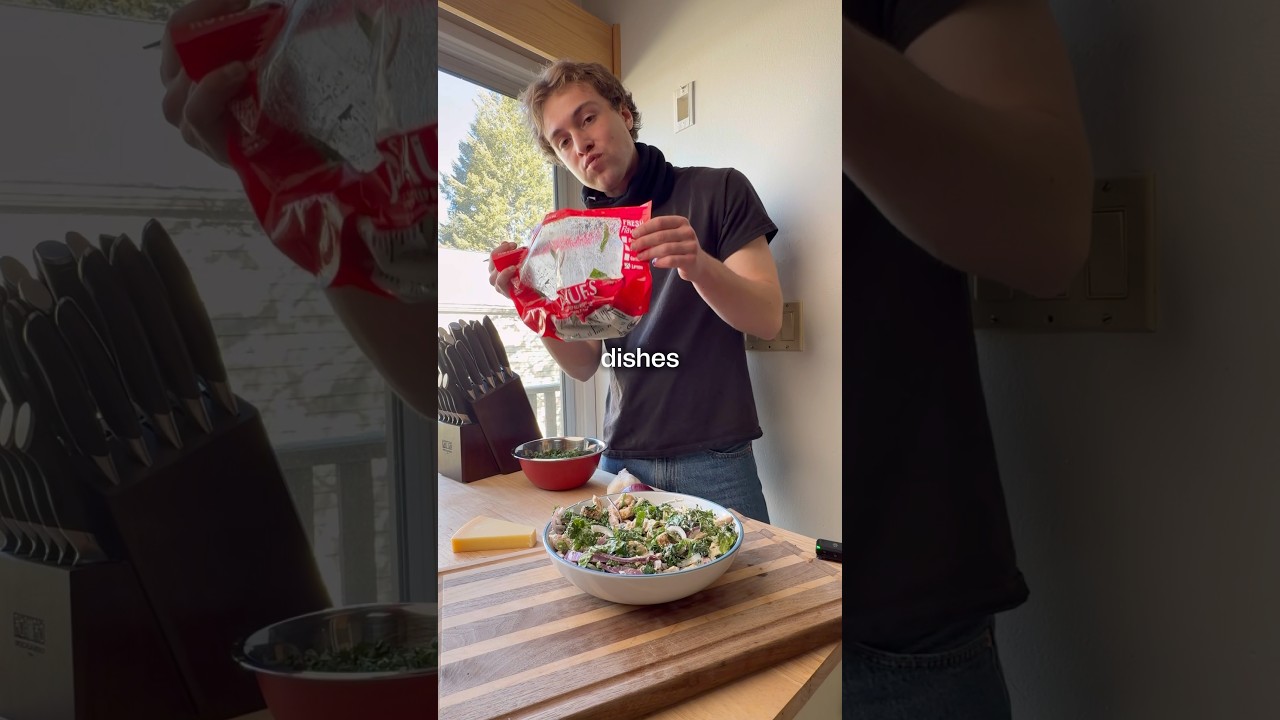
“Most Caesar wraps are just soggy romaine and mayo stuffed into a tortilla that disintegrates by the time you unwrap it. This version does something different: it replaces the mayo-heavy dressing with Greek yogurt, doubles the Parmesan application, and uses smoked paprika on the chicken to add the char flavor you'd normally only get from an outdoor grill. The result is 42g of protein per wrap, a dressing that actually clings to the lettuce, and a lunch that keeps you full until dinner without making you feel like you made a regrettable decision.”
Why This Recipe Works
Most high-protein lunch recipes fail the taste test. They hit the macro numbers on paper and then produce food that tastes like a spreadsheet — technically correct, actively unpleasant. This wrap exists because those two things don't have to be in conflict.
The Dressing Problem
Traditional Caesar dressing is roughly 70% mayonnaise and 30% wishful thinking. The flavor is there — garlic, Worcestershire, lemon, anchovy — but it's buried under fat in a way that makes the dressing heavy and calorie-dense without adding meaningful protein. Greek yogurt solves this structural problem without sacrificing the texture.
Full-fat or 2% Greek yogurt has nearly the same viscosity as mayonnaise. It coats lettuce leaves. It clings to chicken strips. It doesn't run to the bottom of the wrap and soak through the tortilla. The key difference: where mayo contributes fat and very little else, Greek yogurt contributes 10-17g of protein per cup plus live cultures, a tangier flavor profile, and roughly 40% fewer calories. The Dijon and lemon juice provide the emulsifying acidity that holds the dressing together. Worcestershire adds the savory depth that makes Caesar dressing taste specifically like Caesar dressing rather than any other garlicky condiment.
The Parmigiano-Reggiano goes in twice — into the dressing and over the top of the assembled wrap. This is not redundancy. The grated cheese in the dressing dissolves partially into the yogurt and becomes part of the sauce. The shredded cheese on top stays textured and delivers concentrated salty, crystalline bursts in each bite. Two different textures, two different flavor moments, one ingredient.
The Chicken Equation
Chicken breast is the lean protein of choice for a reason: it's the highest protein-to-calorie ratio of any common meat. The problem is that it's also the most unforgiving cut to cook. It has almost no intramuscular fat to protect it from overcooking. The window between 160°F (juicy and safe) and 175°F (dry and chalky) is narrow enough that guessing by time or color leads to overcooked meat more often than not.
The dry-sear method on medium-high heat solves this by maximizing the Maillard reaction on the surface — the caramelization that creates flavor — while the interior reaches temperature quickly enough to minimize moisture loss. Smoked paprika accelerates surface browning and adds a char-adjacent complexity that approximates outdoor grilling without requiring one.
A large heavy-bottomed skillet is the right tool here. The mass of the pan holds heat when cold chicken hits the surface. A thin pan drops temperature immediately, which is why home cooks get pale, steamed-looking chicken breast even on high heat — the pan can't recover fast enough to brown before moisture starts releasing.
Assembly Architecture
The layering order inside the wrap is load-bearing. Dressing goes on the tortilla first, not the lettuce — it acts as the adhesive that bonds the bottom layer to the wrap. Romaine goes next to create a moisture barrier that prevents the chicken's residual heat from wilting the vegetables. Chicken in the center distributes the weight evenly so the wrap rolls without one side being fatter than the other. Cherry tomatoes and red onion on top add structural texture that prevents the filling from compressing into a uniform paste.
The tight roll matters. A loose wrap is a structural failure waiting to happen — filling migrates to the open end and falls out on the second bite. Roll with consistent tension, tuck both ends as you go, and wrap the lower half in foil to create a sleeve. This is how food trucks do it. There's a reason they use foil.
The Meal Prep Logic
Store the components separately: cooked chicken strips, chopped romaine, cherry tomatoes, red onion, and dressing each in their own container. Everything holds for four days refrigerated. The dressing actually improves on day two as the garlic and Dijon bloom further into the yogurt. Assemble at mealtime in under two minutes. This is a more efficient use of Sunday prep time than assembling complete wraps that go soggy by Tuesday.
Forty-two grams of protein in thirty minutes of active cooking. No special equipment. No technique that requires practice. Just a pan, a thermometer, and the discipline to let the chicken rest before you cut it.
Where Beginners Mess This Up
Before we start, read this. These are the 4 reasons your high-protein grilled chicken caesar wrap (42g per serving) will fail:
- 1
Not drying the chicken before searing: Surface moisture is the enemy of browning. If you put wet chicken into a hot pan, the water steams the meat instead of searing it. You get gray, flabby chicken with zero crust. Pat both sides completely dry with paper towels before seasoning — it takes ten seconds and changes everything.
- 2
Moving the chicken during the sear: The first side needs 6-7 uninterrupted minutes to develop a proper crust. Pushing it around the pan breaks the Maillard crust as it forms and tears the meat. Put it down, set a timer, walk away. It will release naturally when it's ready to flip.
- 3
Skipping the rest: Five minutes of resting after cooking is not optional. Cut into the chicken immediately and all the accumulated juices run out onto the cutting board, leaving dry meat in the wrap. The rest allows the muscle fibers to relax and reabsorb moisture. Every second counts here.
- 4
Using cold tortillas: Cold tortillas crack when you roll them. A 30-second warm in a dry skillet or 20 seconds in the microwave makes them pliable enough to roll tight without splitting. This is also what separates a wrap that holds together from one that falls apart on the second bite.
The Video Reference Library
Want to see it in action? Here are the exact videos we analyzed and combined to build this foolproof recipe translation:
The primary video reference for this recipe. Covers the dressing ratio, chicken sear technique, and proper wrap assembly in detail.
🛠️ Core Equipment
- Large heavy-bottomed skilletEven heat distribution across the pan surface is essential for consistent searing. A thin pan creates hot spots — some of the chicken burns while other sections stay pale. Cast iron or stainless steel both work well here.
- Instant-read thermometerChicken breast has a narrow window between 160°F (safe and juicy) and 175°F (dry and chalky). Guessing based on timing leads to overcooked protein. A thermometer removes the guesswork entirely.
- Medium mixing bowl and whiskThe Greek yogurt dressing needs to be properly emulsified — Dijon mustard, garlic, lemon juice, and yogurt need to be vigorously whisked until smooth and uniform. A fork won't get the same result.
- Sharp chef's knifeSlicing rested chicken into clean half-inch strips requires a sharp blade. A dull knife tears instead of slices, shredding the meat and ruining the texture of every bite in the wrap.
High-Protein Grilled Chicken Caesar Wrap (42g Per Serving)
🛒 Ingredients
- ✦1.5 lbs boneless, skinless chicken breast (about 2 large breasts)
- ✦2 tablespoons olive oil
- ✦1 teaspoon kosher salt
- ✦1/2 teaspoon freshly cracked black pepper
- ✦1/2 teaspoon garlic powder
- ✦1/2 teaspoon smoked paprika
- ✦1 cup nonfat Greek yogurt
- ✦1/4 cup grated Parmigiano-Reggiano cheese
- ✦2 tablespoons fresh lemon juice
- ✦1 tablespoon Dijon mustard
- ✦2 cloves garlic, minced
- ✦1 teaspoon Worcestershire sauce
- ✦4 large whole wheat tortillas (10-inch)
- ✦4 cups fresh romaine lettuce, chopped
- ✦1 cup cherry tomatoes, halved
- ✦1/2 cup diced red onion
- ✦4 tablespoons shredded Parmigiano-Reggiano for topping
👨🍳 Instructions
01Step 1
Pat the chicken breasts completely dry on both sides with paper towels.
02Step 2
Season both sides of each chicken breast with kosher salt, cracked pepper, garlic powder, and smoked paprika.
03Step 3
Heat 2 tablespoons of olive oil in a large skillet over medium-high heat until shimmering, about 2 minutes.
04Step 4
Place the seasoned chicken breasts in the skillet and sear without moving them for 6-7 minutes until deep golden brown on the first side.
05Step 5
Flip once and cook the second side for 6-7 minutes until the internal temperature reads 165°F at the thickest point.
06Step 6
Transfer the chicken to a cutting board and rest for 5 minutes, then slice into 1/2-inch strips.
07Step 7
While the chicken rests, whisk together the Greek yogurt, minced garlic, Dijon mustard, lemon juice, Worcestershire sauce, and 1/4 cup grated Parmigiano-Reggiano in a medium bowl until smooth.
08Step 8
Warm the tortillas in a dry skillet for 30 seconds per side, or microwave wrapped in a damp paper towel for 20 seconds.
09Step 9
Lay one warm tortilla flat and spread 3 tablespoons of dressing across the center.
10Step 10
Layer one-quarter of the romaine down the center, followed by one-quarter of the sliced chicken.
11Step 11
Top with one-quarter of the cherry tomatoes, red onion, and 1 tablespoon of shredded Parmigiano-Reggiano.
12Step 12
Roll tightly from one side, tucking in both ends as you go. Wrap the bottom half in foil or parchment for structural support.
13Step 13
Repeat with remaining tortillas and filling. Serve immediately or wrap in foil and refrigerate for up to 4 days.
Nutrition Per Serving
Estimates based on standard preparation. Adjustments alter macros.
🔄 Substitutions
Instead of Nonfat Greek yogurt...
Use Full-fat Greek yogurt (2% or higher)
Slightly higher calories and fat, but noticeably better dressing texture and richness. Worth the trade-off if you're not strictly counting macros.
Instead of Whole wheat tortillas...
Use High-protein tortillas (Mission Protein or similar, 8-10g protein per tortilla)
Pushes total protein per wrap to 48-50g. Denser texture, but the nutritional gain is meaningful if protein is the primary goal.
Instead of Parmigiano-Reggiano...
Use Pecorino Romano
Sharper and saltier. Use slightly less than the recipe calls for. Pairs exceptionally well with the tang of the Greek yogurt dressing.
Instead of Romaine lettuce...
Use Spinach or mixed greens with arugula
More micronutrients, iron, and antioxidants. Arugula adds a peppery bite that contrasts well with the creamy dressing. Slight flavor shift, significant nutritional upgrade.
Instead of Chicken breast...
Use Grilled salmon fillet or rotisserie chicken thigh meat
Salmon adds omega-3 fatty acids and healthy fats. Thigh meat is juicier and more forgiving — better choice if you consistently overcook breast. Both maintain high protein.
🧊 Storage & Reheating
In the Fridge
Assembled wraps keep refrigerated for up to 4 days in foil or airtight containers. For best texture, store dressing separately and assemble just before eating.
In the Freezer
Not recommended — lettuce and tomatoes lose all texture when frozen and thawed. Freeze cooked chicken strips separately for up to 2 months if needed.
Reheating Rules
Eat cold straight from the fridge, or remove foil and microwave for 45-60 seconds to warm the tortilla. Re-crisp in a dry skillet for 1 minute per side if you want the tortilla to have some structure back.
❓ Frequently Asked Questions
Why is my chicken dry?
Two likely causes: you overcooked it past 165°F, or you didn't let it rest before slicing. The thermometer solves the first problem. Five minutes of resting on the cutting board solves the second. Breast has almost no fat to compensate for overcooking — it has a narrow window, and guessing by time rather than temperature is how you miss it.
Can I meal prep these wraps for the whole week?
Yes, with one adjustment: store the dressing separately and add it at assembly time. Pre-dressed wraps go soggy by day two as the acid in the lemon juice breaks down the romaine. Dry components — cooked chicken, chopped lettuce, tomatoes, onion, cheese — stay fresh for 4 days. Takes 90 extra seconds at lunch and preserves the texture completely.
Does the Greek yogurt dressing taste like Caesar?
It tastes like Caesar dressing that went to the gym. The base flavor profile is identical — garlic, Parmigiano, lemon, Worcestershire, Dijon — but the yogurt makes it tangier and lighter than a mayonnaise base. If you want it closer to traditional Caesar, add 1 teaspoon of anchovy paste. That's the ingredient most home recipes omit and the one that makes restaurant Caesar taste distinctly different from everything else.
Can I cook the chicken on an outdoor grill instead of a skillet?
Yes, and the result is better. Grill over direct medium-high heat for 6-7 minutes per side. The char and smoke flavor from the grill complements the Caesar dressing better than the skillet sear. Use a thermometer regardless — grill temperatures vary significantly and the 165°F internal target is the only reliable indicator of doneness.
How do I keep the wrap from falling apart?
Three things: warm the tortilla first so it's pliable, don't overfill (3 tablespoons of dressing maximum — any more and it squirts out on the first bite), and roll tight with consistent pressure, tucking both ends in as you go. Wrapping the bottom half in foil gives you a structural sleeve that holds everything together while you eat.
What's the actual protein count per wrap?
Approximately 42g from the modified recipe: roughly 35g from the chicken (about 6oz of breast per serving), 5-6g from the Greek yogurt dressing, and 3g from the Parmigiano-Reggiano. Using high-protein tortillas pushes this to 48-50g per wrap. The numbers shift slightly based on actual chicken weight — use a food scale if you're tracking macros precisely.
The Science of
High-Protein Grilled Chicken Caesar Wrap (42g Per Serving)
We turned everything on this page into a beautiful, flour-proof PDF cheat sheet. Print it out, stick it to your fridge, and never mess up your high-protein grilled chicken caesar wrap (42g per serving) again.
*We'll email you the high-res PDF instantly. No spam, just perfectly cooked meals.
AlmostChefs Editorial Team
We translate the internet's most popular cooking videos into foolproof, beginner-friendly written recipes. We analyze multiple methods, test them in our kitchen, and engineer a single "Master Recipe" that gives you the best possible result with the least possible stress.