Easy Thai Green Curry (Ready in 40 Minutes, No Specialty Market Required)
A weeknight Thai green curry with tender chicken, creamy coconut milk, and fresh Thai basil — built on the same aromatic paste technique used in restaurant kitchens. We broke down what actually makes a green curry sing and built one technique that nails heat, richness, and brightness every time.
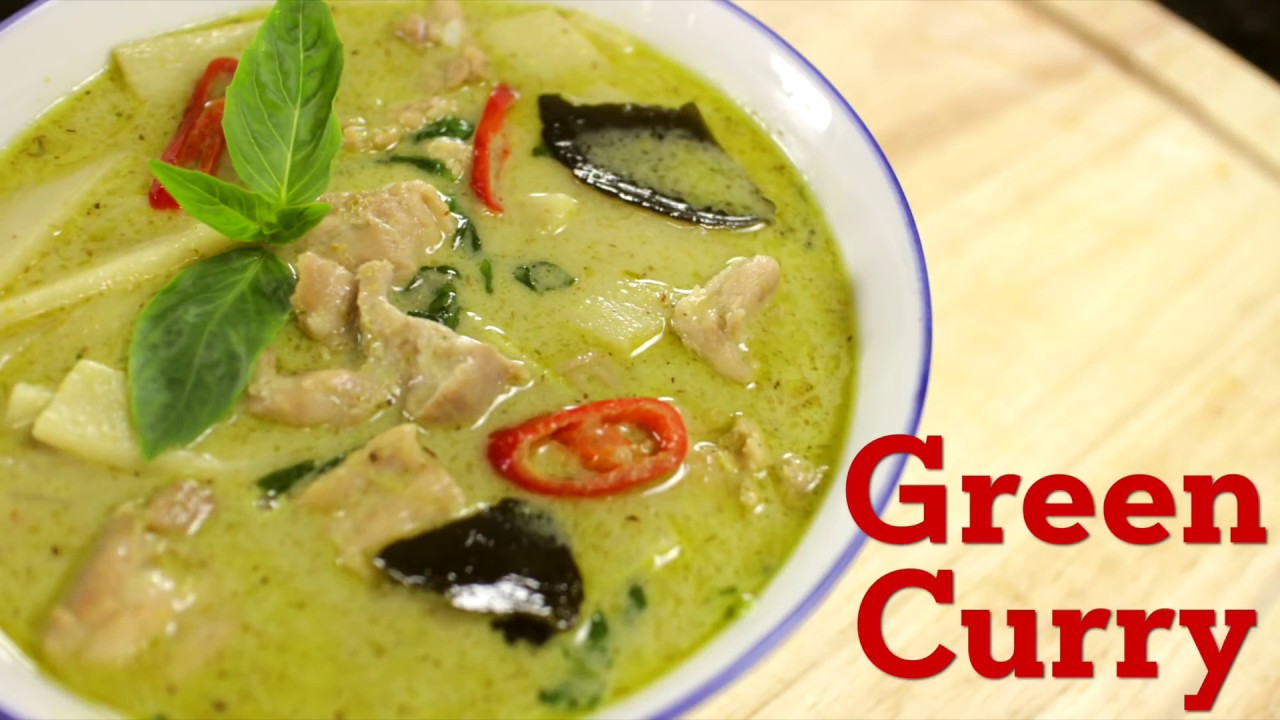
“Most green curry fails at home for one of two reasons: the paste gets added to liquid instead of bloomed in fat, or the vegetables get dumped in all at once and boil into mush. Fix those two things and you're cooking better Thai food than most restaurants in your zip code. We stripped the technique down to what actually matters.”
Why This Recipe Works
Green curry is one of those dishes that looks simple until you make it badly — and then you realize there are about five places the wheels can come off simultaneously. The good news: every single failure point has a specific mechanical cause, which means every single one has a specific fix.
The Paste Is Not an Ingredient. It's a Step.
The most common home curry mistake is treating the paste like a sauce additive — something you dissolve into liquid. That's not how it works and it's why your green curry tastes like coconut soup with a spice packet stirred in.
Green curry paste is built from aromatics that are almost entirely fat-soluble: the essential oils in lemongrass, galangal, kaffir lime leaf, and green chili unlock in hot fat, not water. When you drop paste into hot oil and stir it for two to three minutes, you're performing an extraction — pulling flavor compounds out of the paste and into the cooking medium. You'll know it's working when the paste darkens slightly and the kitchen smells like a Thai restaurant. That aroma is volatile aromatic compounds going airborne — proof the chemistry is happening.
Skip the bloom and you're leaving most of the paste's flavor inert.
Split the Coconut Milk
This step is counterintuitive but critical. You pour in one-quarter of the coconut milk immediately after blooming the paste — not to thin it, but to emulsify it. The fat in that first addition binds with the aromatic-laden oil to form the thick, glossy base that gives the curry its body. You're building a sauce, not a soup.
The remaining coconut milk and broth go in with the chicken to create the final curry consistency. If you pour all the coconut milk in at once, you skip the emulsification window and end up with a thin, slightly greasy sauce where the fat and liquid never fully integrated.
Vegetable Sequencing Is Not Optional
Bell peppers, bamboo shoots, and snap peas have different structural compositions and different cook times. Bamboo shoots are already cooked in the can — they just need warming through. Bell peppers want about three minutes to go from raw to tender-crisp. Snap peas need exactly two minutes before they go from vivid green to gray and limp.
Stagger them accordingly. Bamboo shoots and peppers go in together; snap peas follow three minutes later. A heavy-bottomed pot makes this easier because the consistent heat means you can predict timing accurately rather than compensating for hot spots.
The Final Balance
Fish sauce, lime, and sugar form the flavor triad that separates Thai cooking from everything else, and they must be adjusted off heat, after the sauce has reduced to its final concentration. Fish sauce is the umami foundation — don't skip it or the curry will taste one-dimensional no matter what else you add. Lime is the brightness that cuts through the richness of the coconut milk. Sugar rounds out the heat from the paste and the sharpness of the lime.
Taste. Adjust. Taste again. There is no recipe that can tell you exactly how much lime your specific can of coconut milk and your specific curry paste brand requires. That calibration is yours to do, and it takes thirty seconds.
Thai basil goes in last, off heat, torn not cut. It wilts immediately in the residual heat and releases its anise-forward aroma into the curry. This is not garnish. It is a structural flavor component, and it should be treated like one.
Where Beginners Mess This Up
Before we start, read this. These are the 4 reasons your easy thai green curry (ready in 40 minutes, no specialty market required) will fail:
- 1
Skipping the paste bloom: Green curry paste must be cooked in hot oil for 2-3 minutes before any liquid is added. The fat extracts the fat-soluble aromatic compounds — lemongrass, galangal, kaffir lime — that don't dissolve in water. Add it directly to coconut milk and you get a flat, raw-tasting curry. Bloom it first and the entire flavor profile opens up.
- 2
Adding all the vegetables at the same time: Bell peppers, snap peas, and bamboo shoots have completely different cook times. If they go in together, the peas are gray and dead by the time the peppers are tender. Stagger them: bamboo shoots and peppers first, snap peas last, basil off heat. Each vegetable should hit the pot only as long as it needs.
- 3
Using the coconut milk wrong: Split the coconut milk. Use a quarter of the can to deglaze the paste and create a thick, concentrated base sauce — this is where the emulsification happens. Then add the rest with the broth to thin it to curry consistency. Pouring it all in at once skips the reduction step that builds body.
- 4
Seasoning before you taste: Fish sauce, lime, and sugar need to be dialed in at the end, not during cooking. The sauce reduces and concentrates as it simmers, so what tastes balanced at the start will be overpowering by the end. Always taste and adjust in the final 60 seconds off heat.
The Video Reference Library
Want to see it in action? Here are the exact videos we analyzed and combined to build this foolproof recipe translation:
The primary reference for this recipe. Covers the paste-blooming method and coconut milk splitting technique in detail. Watch specifically for the color change in the paste at the 2-minute mark — that's your visual cue to add liquid.
🛠️ Core Equipment
- Large heavy-bottomed pot or deep skilletEven heat distribution for blooming the paste without scorching. A thin pan will burn the paste in the 2-3 minute window before liquid is added. A [Dutch oven](/kitchen-gear/review/dutch-oven) or heavy stainless skillet is ideal.
- Wooden spoon or silicone spatulaFor breaking apart and continuously stirring the curry paste during the bloom phase. You need constant contact with the pan surface to prevent burning and ensure even cooking.
- Instant-read thermometerThe only reliable way to know the chicken is done without cutting into every piece. Target 165°F internal. Guessing leads to either undercooked chicken or the overcooked, stringy texture that ruins the dish.
- Microplane or fine graterFor fresh lime zest if you want to amplify the citrus note beyond juice alone. Optional but adds a dimension that bottled lime juice cannot replicate.
Easy Thai Green Curry (Ready in 40 Minutes, No Specialty Market Required)
🛒 Ingredients
- ✦3 tablespoons green curry paste
- ✦1 can (13.5 oz) full-fat coconut milk
- ✦1.25 pounds boneless, skinless chicken breast, cut into 1-inch cubes
- ✦2 tablespoons fish sauce
- ✦1.5 teaspoons palm sugar or brown sugar
- ✦1/2 cup fresh Thai basil leaves, loosely packed
- ✦3 fresh green Thai chilies, thinly sliced (or to taste)
- ✦3 garlic cloves, minced
- ✦1 medium yellow onion, thinly sliced
- ✦1 red bell pepper, sliced into strips
- ✦1 cup fresh snap peas, halved lengthwise
- ✦2 tablespoons fresh lime juice
- ✦3/4 cup chicken or vegetable broth
- ✦2 tablespoons vegetable oil
- ✦1 cup canned bamboo shoots, drained and rinsed
👨🍳 Instructions
01Step 1
Warm the vegetable oil in a large heavy-bottomed pot or deep skillet over medium-high heat until shimmering, about 1 minute.
02Step 2
Add the minced garlic and sliced onion to the hot oil, stirring constantly until fragrant and softened, about 3 minutes.
03Step 3
Stir in the green curry paste, breaking it apart with a wooden spoon, and cook for 2-3 minutes while stirring frequently to bloom the spices and release their flavors.
04Step 4
Pour in about one-quarter of the coconut milk slowly while stirring to create a smooth, paste-like base sauce. Mix for about 1 minute until fully emulsified.
05Step 5
Add the cubed chicken pieces and stir to coat evenly with the curry base, cooking for 2 minutes to sear the exterior.
06Step 6
Pour in the remaining coconut milk and the broth, bringing the mixture to a gentle simmer over medium heat while stirring occasionally.
07Step 7
Reduce heat to medium-low and simmer uncovered for 8-10 minutes until the chicken reaches an internal temperature of 165°F.
08Step 8
Add the sliced red bell pepper and bamboo shoots, stirring gently to incorporate.
09Step 9
Continue simmering for 3 minutes until the peppers are tender-crisp.
10Step 10
Stir in the fresh snap peas and sliced green chilies, cooking for another 2 minutes until the peas turn bright green.
11Step 11
Remove the pot from heat. Drizzle in the lime juice and add the fish sauce and palm sugar, stirring until the sugar dissolves completely.
12Step 12
Taste the curry and adjust: more lime for brightness, more fish sauce for depth, more sugar if the heat is too aggressive.
13Step 13
Tear the fresh Thai basil leaves by hand and fold gently into the curry just before serving.
14Step 14
Ladle into bowls and serve immediately over jasmine rice or rice noodles.
Nutrition Per Serving
Estimates based on standard preparation. Adjustments alter macros.
🔄 Substitutions
Instead of Chicken breast...
Use Extra-firm tofu or shrimp
Tofu: press for 30 minutes, cube, and add with the coconut milk rather than searing. Shrimp: add in the last 5-7 minutes only — it cooks fast and turns rubbery if overdone.
Instead of Full-fat coconut milk...
Use Light coconut milk mixed with Greek yogurt (1:1 ratio)
Slightly tangier, noticeably less rich. Still functional — the yogurt provides creaminess that light coconut milk alone lacks. Stir gently after adding to prevent breaking.
Instead of Fish sauce...
Use Tamari or reduced-sodium soy sauce
Equal amount. Less pungent aroma, comparable umami depth. Works for pescatarian and vegetarian versions. Add a small piece of dried kombu to the broth for extra depth if going fully plant-based.
Instead of Green curry paste...
Use Homemade paste (blend fresh cilantro, green chilies, garlic, ginger, lime zest, and a splash of coconut milk)
Fresher, more vibrant flavor with fully adjustable heat. Requires a blender and 10 extra minutes. The payoff is significant if you have the time.
🧊 Storage & Reheating
In the Fridge
Store in an airtight container for up to 3 days. The coconut milk may separate slightly on cooling — stir vigorously when reheating and it will come back together.
In the Freezer
Freeze without the basil or snap peas for up to 2 months. Add fresh herbs and quick-cooked vegetables after reheating. Coconut-based sauces can separate during freezing; a brief blend or vigorous stir fixes it.
Reheating Rules
Reheat gently in a saucepan over low heat, adding a splash of broth or coconut milk to loosen the sauce. Microwave works in a pinch but tends to toughen the chicken and dull the basil.
❓ Frequently Asked Questions
Why does my green curry taste flat or dull?
The paste wasn't bloomed long enough in hot fat. Two to three minutes of constant stirring in hot oil is the minimum — the aromatic compounds in lemongrass, galangal, and kaffir lime are fat-soluble, not water-soluble. They only activate in hot oil. Adding paste directly to coconut milk skips this extraction entirely.
Can I use red or yellow curry paste instead?
Yes, but they are fundamentally different dishes. Red curry paste is chili-forward and earthier; yellow curry uses turmeric and is milder. The technique is identical — bloom the paste, split the coconut milk — but the flavor profile will shift completely.
My sauce is too thin. How do I fix it?
Simmer uncovered for 5-7 additional minutes. Coconut milk reduces significantly with direct heat. Alternatively, mix 1 teaspoon of cornstarch with 2 teaspoons of cold water and stir it in — the sauce will thicken within 2 minutes.
How spicy is this recipe?
Medium by default, controlled primarily by the curry paste brand and the added fresh chilies. Mae Ploy paste is significantly hotter than Thai Kitchen. Omit the fresh chilies and use a mild paste for a family-friendly version; double both for serious heat.
Do I have to use bamboo shoots?
No. Bamboo shoots add a mild, slightly earthy crunch that balances the richness of the coconut milk. Substitute with zucchini, eggplant, or additional bell pepper — or leave them out entirely. They're a texture element, not a flavor anchor.
Why does my chicken turn out dry and stringy?
It overcooked. Chicken breast cubes need only 8-10 minutes at a gentle simmer to reach 165°F. A rolling boil hammers the proteins and squeezes out moisture. Keep it at a gentle simmer — small bubbles breaking the surface, not a churning boil — and pull it the moment it hits temperature.
The Science of
Easy Thai Green Curry (Ready in 40 Minutes, No Specialty Market Required)
We turned everything on this page into a beautiful, flour-proof PDF cheat sheet. Print it out, stick it to your fridge, and never mess up your easy thai green curry (ready in 40 minutes, no specialty market required) again.
*We'll email you the high-res PDF instantly. No spam, just perfectly cooked meals.
AlmostChefs Editorial Team
We translate the internet's most popular cooking videos into foolproof, beginner-friendly written recipes. We analyze multiple methods, test them in our kitchen, and engineer a single "Master Recipe" that gives you the best possible result with the least possible stress.