Crispy Greek Yogurt Chicken Parm (42g Protein, No Compromise)
A high-protein riff on Italian-American comfort food — lean chicken breasts coated in tangy Greek yogurt and Parmesan, pan-seared until golden, then finished with marinara and melted mozzarella over quick-sautéed zucchini noodles. We reverse-engineered the coating science to get maximum crunch without a drop of heavy cream.

“Chicken Parmesan has an image problem. The classic version is a calorie bomb masquerading as a protein meal — breaded in white flour, fried in a cup of oil, drowned in cheese. This version delivers 42g of protein per plate by doing something the original never thought to do: making Greek yogurt the coating. The result is a crust that's tangy, crunchy, and clinically better at staying crispy than anything involving a standard egg wash.”
Why This Recipe Works
Chicken Parmesan is one of the most popular dishes in American home cooking and one of the most frequently executed incorrectly. The traditional version — dredged in flour, dipped in egg, coated in breadcrumbs, fried in substantial oil — is not a health food. It is barely a protein food. A typical restaurant chicken parm delivers somewhere around 55g of protein alongside 85g of carbs and enough saturated fat to require a sit-down conversation with your cardiologist. The goal here was to keep everything people actually love about the dish — the crunchy crust, the molten cheese pull, the acidic marinara — and rebuild the macros around the protein.
The Yogurt Coating Is Not a Compromise
The switch from egg wash to Greek yogurt is not a wellness concession. It is a straight-up upgrade.
Standard egg wash creates a thin, sticky film that breadcrumbs adhere to loosely. Greek yogurt creates a thick, dense base coating that the panko bonds to almost permanently. When that coating hits a hot oiled pan, the water in the yogurt flashes to steam, the proteins set, and the crust locks into place with far better integrity than any egg-based equivalent. You can flip it. You can move it. The crust does not abandon ship.
The protein contribution is not nothing either. One cup of nonfat Greek yogurt brings approximately 20g of protein to the recipe, distributed across four servings. That's 5g of protein added before the chicken, the Parmesan, or the mozzarella are even counted. The lactic acid in the yogurt also does minor surface tenderizing on the chicken exterior during the time it takes to heat the pan — not a marinade, but not nothing.
The Pound-Out Is Load-Bearing
Chicken breast is anatomically uneven. The thicker end can be twice the thickness of the thin tapered end. If you cook an unpounded breast, you have two choices: pull it when the thin end is 165°F (and the thick end is 145°F and potentially unsafe), or cook until the thick end is safe (and the thin end is 185°F and dry as a chalkboard eraser).
Pounding to 3/4-inch thickness solves this by making the problem geometrically identical across the whole breast. Every part of the chicken is the same distance from the heat source and requires the same cook time. A meat mallet is the right tool — the flat face gives you control that a rolling pin doesn't. You're redistributing density, not destroying structure.
The Zucchini Problem
Zucchini is a vegetable disguised as a noodle, and it resists the disguise aggressively. The moment it hits heat, it begins releasing water — and if that water has nowhere to go (crowded pan, low heat), it pools and the zucchini poaches itself into mush. The solution is violence: a 12-inch pan or larger over medium-high heat, a light coat of oil, and zucchini spread in a single layer with room to breathe. The water needs to evaporate fast enough that it never accumulates.
A spiralizer matters here for the same reason pounding the chicken matters — uniform thickness means uniform cook time. Hand-cut zucchini strips are inconsistent, and inconsistent strips mean some are mush before others are done.
Three to four minutes. Then off the heat. Zucchini continues to cook from residual heat for another 60-90 seconds after the burner cuts off. You want to pull it slightly before it looks done, not when it looks perfect.
The Bake Phase
The oven does two things in this recipe: melts the cheese and finishes the chicken's internal temperature with gentle indirect heat. The 400°F bake for 12-15 minutes is calibrated specifically for chicken that has already been seared to 165°F — it's not starting from raw. This is why the sear matters. If you skip it, the bake phase alone is not enough to develop crust, and you need to extend the cook time long enough that the cheese goes from molten to rubbery.
Every step in this recipe exists to solve a specific problem. Pound the chicken: solve uneven cooking. Use yogurt: solve weak crust adhesion. Hot uncrowded pan: solve wet zucchini. The dish is engineered. Trust the sequence.
Where Beginners Mess This Up
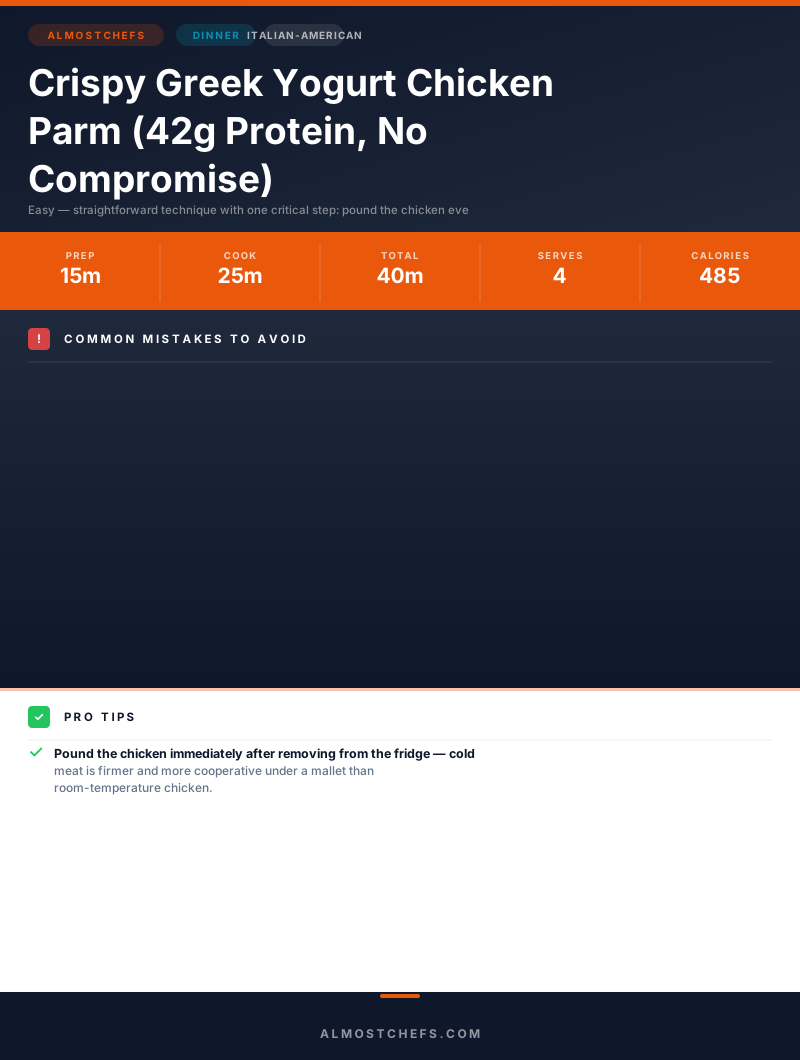
Before we start, read this. These are the 4 reasons your crispy greek yogurt chicken parm (42g protein, no compromise) will fail:
- 1
Skipping the pound-out step: Uneven chicken breasts are the single biggest source of failure here. A thick end takes 8-9 minutes per side to cook through; a thin end is already dry leather at minute four. Pound every breast to a uniform 3/4-inch thickness and they cook as one system, not four separate problems.
- 2
Using wet zucchini noodles: Zucchini is 95% water. The moment it hits a hot pan, it releases that water aggressively — and if your pan isn't screaming hot and uncrowded, you end up steaming the zucchini instead of sautéing it. The result is a soggy, waterlogged base that undermines everything on top.
- 3
Overcrowding the pan during searing: Chicken needs contact with hot metal to form a crust. If you crowd the pan, the surface temperature drops and the yogurt coating steams rather than crisps. Work in batches. Every batch should sound like it means business the moment it hits the oil.
- 4
Adding cheese too early in the bake: Mozzarella goes in during the last 12-15 minutes, not from the start. Adding it earlier pulls moisture out of the chicken while it bakes and turns the cheese rubbery rather than molten and bubbly.
The Video Reference Library
Want to see it in action? Here are the exact videos we analyzed and combined to build this foolproof recipe translation:

Covers the yogurt coating method and pan-searing sequence. Useful for understanding the crust formation at each stage.
2. How to Cook Zucchini Noodles Without Getting SoggyThe critical technique for hot-pan zucchini that stays al dente instead of releasing a pool of water onto the plate.
3. High-Protein Meal Prep Chicken Parm — Four Servings at OnceBatch cooking method with storage and reheat guidance. Covers how to keep the coating crispy through refrigeration and reheating.
🛠️ Core Equipment
- Meat mallet ↗The only tool that gets chicken breasts to uniform thickness reliably. A rolling pin works in a pinch, but the flat face of a mallet gives more control over consistent 3/4-inch thickness without tearing the meat.
- Large oven-safe skillet or cast iron pan ↗You want to sear the chicken in one pan and optionally transfer it directly to the oven. Cast iron retains heat through the sear better than stainless, creating a more consistent golden crust on the yogurt coating.
- Spiralizer or Y-peeler ↗For zucchini noodles that are actually uniform. Random knife-cut strips cook unevenly — some turn to mush before others are done. A spiralizer gives you consistent ribbon thickness so the whole batch finishes at the same time.
- Instant-read thermometer ↗Chicken breast has a narrow window between safe and dry. Pull it at exactly 165°F. Without a thermometer, you're guessing — and the most common guess is four minutes too late.
Crispy Greek Yogurt Chicken Parm (42g Protein, No Compromise)
🛒 Ingredients
- ✦4 boneless, skinless chicken breasts (6 oz each)
- ✦1 cup nonfat Greek yogurt
- ✦1/2 cup grated Parmesan cheese, divided
- ✦1/3 cup panko breadcrumbs
- ✦2 cloves garlic, minced
- ✦1 tsp dried Italian seasoning
- ✦1/2 tsp garlic powder
- ✦1/4 tsp black pepper
- ✦1/4 tsp kosher salt
- ✦2 tbsp olive oil
- ✦1.5 cups marinara sauce (no sugar added)
- ✦1/2 cup part-skim mozzarella cheese, shredded
- ✦4 medium zucchini, spiralized into noodles
- ✦2 tbsp fresh basil, chopped
- ✦1 lemon, cut into wedges
- ✦Cooking spray
👨🍳 Instructions
01Step 1
Pat the chicken breasts completely dry with paper towels. Place each between two sheets of plastic wrap and pound to an even 3/4-inch thickness using a meat mallet.
02Step 2
Combine Greek yogurt, minced garlic, Italian seasoning, garlic powder, salt, and black pepper in a shallow bowl. Stir until smooth.
03Step 3
Mix panko breadcrumbs with 1/4 cup of the Parmesan cheese in a separate shallow dish.
04Step 4
Coat each chicken breast thoroughly in the yogurt mixture, covering all sides. Dredge in the panko-Parmesan mix, pressing firmly so the coating adheres in an even layer.
05Step 5
Heat olive oil in a large skillet over medium-high heat until shimmering, about 2 minutes.
06Step 6
Working in batches if needed, sear the chicken for 5-6 minutes per side until the coating is deep golden brown and the internal temperature reads 165°F.
07Step 7
Spread 3/4 cup of marinara sauce across the bottom of a baking dish. Arrange the seared chicken breasts on top.
08Step 8
Spoon the remaining marinara over each breast. Sprinkle mozzarella and remaining Parmesan evenly over the tops.
09Step 9
Bake at 400°F for 12-15 minutes until cheese is fully melted and bubbling at the edges.
10Step 10
While the chicken bakes, heat a large skillet over medium-high heat. Spray lightly with cooking oil. Add spiralized zucchini noodles and sauté for 3-4 minutes, tossing frequently.
11Step 11
Season zucchini noodles with salt and black pepper. Remove from heat while they still have slight resistance — they'll continue cooking from residual heat.
12Step 12
Divide zucchini noodles among four plates. Top each with a chicken breast and sauce.
13Step 13
Garnish with fresh basil and serve immediately with lemon wedges on the side.
Nutrition Per Serving
Estimates based on standard preparation. Adjustments alter macros.
🔄 Substitutions
Instead of Nonfat Greek yogurt...
Use Full-fat or 2% Greek yogurt
Richer, more luxurious coating texture with minimal calorie difference. Still delivers 15-18g protein from the yogurt alone.
Instead of Panko breadcrumbs...
Use Crushed pork rinds mixed with grated Parmesan (1/4 cup pork rinds + 2 tbsp Parmesan)
Eliminates carbs entirely. Creates an ultra-crispy, slightly savory crust. Zero net carbs for strict low-carb protocols.
Instead of Zucchini noodles...
Use Edamame pasta or chickpea pasta
Heartier base that adds 8-10g plant protein per serving. Increases carbs but significantly improves satiety and fiber.
Instead of Marinara sauce...
Use Homemade marinara with 1 cup cottage cheese blended in
Protein jumps to approximately 56g per serving. Creates a creamier, vodka-sauce consistency with subtle tang from the cottage cheese.
🧊 Storage & Reheating
In the Fridge
Store chicken and zucchini noodles in separate airtight containers for up to 4 days. The coating stays significantly crisper when not in contact with the wet zucchini.
In the Freezer
Freeze the cooked chicken only (without zucchini) for up to 2 months. Thaw overnight in the fridge. Make fresh zucchini noodles when serving.
Reheating Rules
Reheat chicken in a 375°F oven for 10-12 minutes to restore the crust. Microwave reheating turns the panko coating into wet cardboard — avoid it.
❓ Frequently Asked Questions
Why use Greek yogurt instead of an egg wash?
Greek yogurt creates a thicker, more adherent coating than egg alone, which means the breadcrumbs bond more completely and the crust is more uniform. The yogurt also contributes 20g of protein to the coating itself, and its lactic acid gently tenderizes the surface of the chicken during marinating.
Can I skip the pan-searing and just bake the chicken?
Technically yes, but the result is significantly worse. Baking alone gives you a pale, soft coating that never achieves the golden crunch the yogurt-panko crust is capable of. The 10-12 minutes of searing is what makes this dish worth eating — baking finishes the cook, searing creates the crust.
My zucchini noodles turned to mush. What happened?
Two likely causes: overcrowded pan (zucchini steamed instead of sautéed) or overcooked timing (3-4 minutes maximum, then off the heat immediately). Zucchini is almost entirely water and has no margin for error — it goes from al dente to mush in under 90 seconds.
How do I keep the coating from falling off during flipping?
Let the chicken release naturally before flipping. If it sticks to the pan, it's telling you it's not ready. Wait another 30-60 seconds and try again. Forced flipping tears the crust away from the chicken. Patience is the entire technique.
Is this actually meal-prep friendly?
Yes, but only if you store components separately. Refrigerate the chicken (with sauce and cheese) in one container and the dry-cooked zucchini noodles in another. Reheat the chicken in the oven, sauté fresh zucchini noodles if you have time, or quickly reheat the stored ones in a hot dry pan for 60 seconds.
Can I use chicken thighs instead of breasts?
Yes, and in many ways thighs are better — higher fat content means more forgiveness if you overshoot the internal temp by a few degrees. Thighs may need an extra 3-4 minutes in the oven during the cheese-melting phase. The protein count per serving will drop slightly, but the dish will be noticeably juicier.
The Science of
Crispy Greek Yogurt Chicken Parm (42g Protein, No Compromise)
We turned everything on this page into a beautiful, flour-proof PDF cheat sheet. Print it out, stick it to your fridge, and never mess up your crispy greek yogurt chicken parm (42g protein, no compromise) again.
*We'll email you the high-res PDF instantly. No spam, just perfectly cooked meals.
AlmostChefs Editorial Team
We translate the internet's most popular cooking videos into foolproof, beginner-friendly written recipes. We analyze multiple methods, test them in our kitchen, and engineer a single "Master Recipe" that gives you the best possible result with the least possible stress.