High-Protein Greek Yogurt Chia Pudding (38g Protein, No Cooking Required)
A no-cook, meal-prep breakfast that stacks Greek yogurt and cottage cheese for 38g of protein per bowl. Topped with homemade almond granola and fresh berries, this chia pudding is the overnight breakfast that actually keeps you full until lunch.
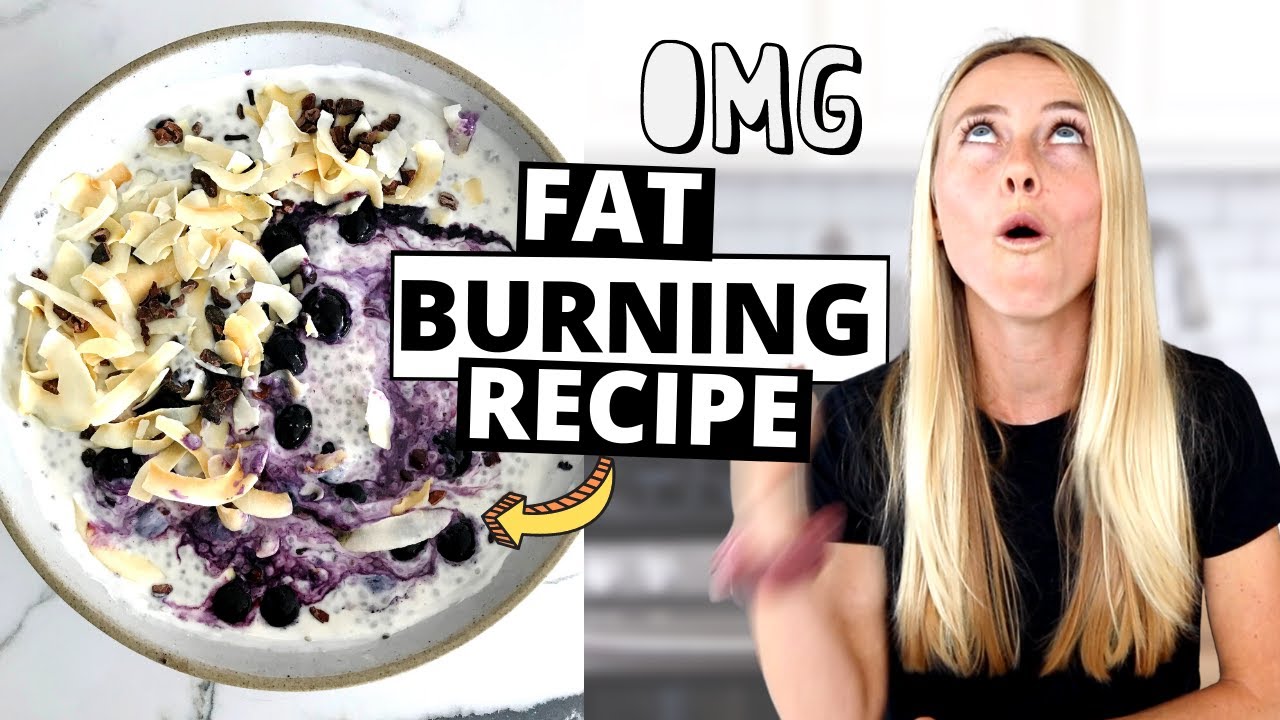
“Most chia pudding recipes top out at 10-12g of protein and leave you hungry by 10am. This one doubles down — Greek yogurt and cottage cheese together hit 38g per bowl without any protein powder, chalky texture, or bizarre ingredients. The homemade almond granola takes 15 minutes and crushes anything from a bag. Make four jars on Sunday. Breakfast is solved.”
Why This Recipe Works
Chia pudding has a reputation problem. In most versions, it's a thin, seedy gel with 10 grams of protein dressed up as a health food and abandoned by 9am hunger. This recipe fixes the protein problem entirely by treating the yogurt base as a structural decision, not just a flavor choice.
The Two-Protein Base
Greek yogurt alone gets you to roughly 20g of protein per cup. That's good. What's better is recognizing that cottage cheese, whisked smooth, is functionally indistinguishable from yogurt in a cold pudding — and it adds another 14g of protein per half cup while contributing a barely detectable tang that actually deepens the overall flavor. Together, the two proteins hit 38g per bowl before a single topping is added.
The trick is the whisk. Whole-curd cottage cheese dropped directly into a mixing bowl looks terrible and creates a lumpy, uneven base. Thirty seconds of vigorous whisking with the almond milk breaks those curds apart completely. The result is a smooth, uniform liquid that sets overnight exactly like a standard yogurt-based pudding. Nobody who eats this will identify cottage cheese as an ingredient unless you tell them.
What Chia Seeds Actually Do
Chia seeds are roughly 34% fiber by weight, and most of that fiber is soluble — meaning it absorbs water and forms a gel. When you add 1/4 cup of chia to this yogurt-milk base and refrigerate overnight, each seed absorbs about nine times its weight in liquid and expands into a small sphere surrounded by a thick gel matrix. That matrix is what transforms a liquid mixture into a spoonable pudding.
This is also why the ratio matters. Too few seeds and the pudding stays thin. Too many and it becomes dense and grainy. The 1:7 chia-to-liquid ratio in this recipe produces a creamy, thick consistency that holds its shape when spooned but isn't stiff or gelatinous. It also explains why you cannot rush the process — the gel formation is time-dependent, not temperature-dependent. Four hours minimum, eight hours preferred.
The Granola Decision
Most people use store-bought granola. Most store-bought granola contains 10-12g of added sugar per half cup and the structural integrity of damp cardboard. The rimmed baking sheet version here takes 15 active minutes and produces clusters that stay genuinely crunchy against the cold pudding for the duration of breakfast.
The 325°F temperature is deliberate. Higher heat — 375°F or above — browns the outside of the oats and almonds before the moisture inside can evaporate, producing a surface that looks done while the interior stays soft. At 325°F, the heat is low enough that moisture escapes uniformly throughout each cluster, and the Maillard reaction develops slowly, building flavor without burning. The single stir at the halfway mark ensures even heat exposure across the entire pan.
Coconut oil is the binding agent here, not a butter substitute. At room temperature, coconut oil is solid. At baking temperature, it liquefies and coats every surface of the granola. When the pan cools, it re-solidifies, locking the clusters together. This is what gives homemade granola its signature snap — a quality that vegetable oil, which stays liquid at room temperature, cannot replicate.
The Serving Architecture
Cold pudding plus room-temperature crunchy granola plus cold fresh berries is a deliberate textural composition. The contrast between the thick, creamy base and the snap of granola is what makes this meal feel satisfying rather than merely functional. Adding the granola at prep time eliminates that contrast entirely — soggy granola provides neither texture nor pleasure. This is not a guideline. It is a constraint.
The honey drizzle at serving serves the same logic. Honey stirred into the base during mixing gets lost in the overall sweetness. Drizzled on top just before eating, it hits the front of your palate first, making the bowl taste sweeter than it is while keeping the added sugar count low. One teaspoon per bowl. No more.
Where Beginners Mess This Up
Before we start, read this. These are the 4 reasons your high-protein greek yogurt chia pudding (38g protein, no cooking required) will fail:
- 1
Not whisking the cottage cheese smooth: Whole-curd cottage cheese dropped directly into the pudding creates a lumpy, unpleasant texture. Whisk or briefly blend it with the Greek yogurt and almond milk first until completely smooth before adding the chia seeds. The curd texture disappears and the protein stays.
- 2
Pulling the pudding before it's fully set: Four hours is the absolute minimum. The chia seeds need time to absorb liquid and form their gel matrix. At two hours, the pudding is still loose and grainy. Overnight is the correct answer — the texture becomes genuinely thick and spoonable by morning.
- 3
Adding the granola too early: Granola placed on top before refrigerating absorbs moisture and turns completely soggy overnight. Add it right before serving. This is not optional — soggy granola is a texture failure that ruins the contrast the dish depends on.
- 4
Burning the granola by skipping the stir: At 325°F, the outer edges of the baking sheet cook faster than the center. If you don't stir at the halfway mark, you get burnt edges and raw center clusters. Set a timer for 7 minutes, stir, then finish. Golden brown, not dark brown.
The Video Reference Library
Want to see it in action? Here are the exact videos we analyzed and combined to build this foolproof recipe translation:
The source video for this recipe. Covers the yogurt-cottage cheese base technique and layering order clearly. Watch before your first batch.
🛠️ Core Equipment
- Medium mixing bowl with whiskYou need to fully emulsify the cottage cheese and Greek yogurt before the chia seeds go in. A whisk does this in 60 seconds. A spoon leaves lumps.
- Four glass jars or lidded containersWide-mouth mason jars are ideal — they seal airtight for refrigeration, show the layers cleanly, and go straight from fridge to table. Straight-sided containers make portioning and topping easier than bowls.
- Rimmed baking sheet lined with parchmentParchment prevents the coconut oil from causing the granola to stick and burn. The rim keeps clusters from sliding off when you stir. Non-negotiable for easy cleanup.
High-Protein Greek Yogurt Chia Pudding (38g Protein, No Cooking Required)
🛒 Ingredients
- ✦1 1/2 cups plain nonfat Greek yogurt
- ✦1/2 cup low-fat cottage cheese
- ✦1/4 cup chia seeds
- ✦1/4 cup unsweetened almond milk
- ✦2 tablespoons natural almond butter
- ✦1 teaspoon vanilla extract
- ✦1/2 teaspoon ground cinnamon
- ✦1 tablespoon raw honey
- ✦1/2 cup raw almonds, roughly chopped
- ✦1/4 cup old-fashioned rolled oats
- ✦2 tablespoons unsweetened coconut flakes
- ✦1 tablespoon coconut oil, melted
- ✦1/4 teaspoon sea salt
- ✦2 tablespoons raw sunflower seeds
- ✦1/4 teaspoon vanilla extract (for granola)
- ✦1/2 cup fresh blueberries or raspberries, for topping
👨🍳 Instructions
01Step 1
Combine the Greek yogurt, cottage cheese, and almond milk in a medium mixing bowl. Whisk vigorously until the mixture is completely smooth with no visible curds.
02Step 2
Add the chia seeds, almond butter, vanilla extract, and cinnamon to the yogurt base. Stir until fully incorporated and evenly distributed.
03Step 3
Divide the mixture evenly among four jars or containers, tapping gently on the counter to settle.
04Step 4
Seal each container and refrigerate for at least 4 hours, or overnight.
05Step 5
Preheat the oven to 325°F. Combine the chopped almonds, rolled oats, coconut flakes, sunflower seeds, and sea salt in a bowl.
06Step 6
Drizzle the melted coconut oil and vanilla extract over the granola mixture. Toss with a fork until every piece is lightly coated.
07Step 7
Spread the granola in a thin, even layer on a parchment-lined rimmed baking sheet.
08Step 8
Bake for 12-15 minutes, stirring once at the halfway mark, until light golden brown and fragrant.
09Step 9
Let the granola cool completely on the baking sheet, at least 5 minutes. It will harden and cluster as it cools.
10Step 10
Remove the pudding from the refrigerator. If needed, stir each portion briefly to loosen.
11Step 11
Top each jar with a generous handful of cooled granola, a drizzle of raw honey (about 1 teaspoon per serving), and fresh berries.
12Step 12
Serve immediately. If storing topped jars, keep granola separate and add just before eating.
Nutrition Per Serving
Estimates based on standard preparation. Adjustments alter macros.
🔄 Substitutions
Instead of Plain nonfat Greek yogurt...
Use Plain 2% Greek yogurt
Higher fat content adds richness and a more velvety texture. Protein drops slightly (18g vs 20g per cup) but the creaminess improvement is noticeable. Worth it if you're not strictly tracking fat.
Instead of Low-fat cottage cheese...
Use Casein protein powder (unflavored or vanilla) — use 1/3 cup
Boosts total protein to approximately 45g per serving. Slightly thinner texture — add an extra 2 tablespoons of almond milk to compensate. Fully dissolves overnight so there's no powder texture.
Instead of Natural almond butter...
Use Powdered peanut butter (PB2) — use 3 tablespoons mixed with 1 tablespoon water
85% less fat than almond butter with similar protein. Tangier peanut flavor works particularly well with raspberries. Reduces calories by about 40 per serving.
Instead of Unsweetened almond milk...
Use Fairlife protein shake (vanilla or plain) — use 1/4 cup
Adds 8g additional protein per serving for a total near 46g. Pudding becomes noticeably thicker and slightly more dessert-like. The vanilla flavor pairs naturally with honey and berries.
🧊 Storage & Reheating
In the Fridge
Store base pudding (without granola or toppings) in sealed jars for up to 3 days. Quality is best at day 1 and 2.
In the Freezer
Not recommended. Chia pudding freezes acceptably but the texture becomes grainy and watery on thaw. The yogurt separates slightly.
Reheating Rules
Serve cold — this is not a dish that benefits from heat. If taken straight from a cold fridge in winter, let it sit at room temperature for 5 minutes before eating.
❓ Frequently Asked Questions
Why does my chia pudding stay liquid and not set?
Either the chia-to-liquid ratio is off or it hasn't had enough time. This recipe uses 1/4 cup chia seeds to about 1 3/4 cups total liquid — roughly a 1:7 ratio, which is correct. If it's still thin after 4 hours, refrigerate overnight. If still liquid after 8 hours, your chia seeds may be old and have lost their gelling capacity. Replace them.
Can I taste the cottage cheese?
No — when fully whisked smooth, the cottage cheese is completely undetectable. Its flavor is mild and slightly tangy, which blends entirely into the Greek yogurt base. This is the most common concern from first-timers and the least justified one.
Is this actually filling enough as a breakfast?
38g of protein and 8g of fiber in a single bowl will hold most people comfortably for 4-5 hours. The combination of protein (slow-digesting) and chia fiber (forms a gel in your gut that slows gastric emptying) is specifically why this meal prep format became popular in fitness circles.
Can I make this the morning of instead of overnight?
Technically yes, with a 4-hour minimum. But practically, if you're making breakfast at 7am and need to eat at 7:15, no. This is a meal you make the night before. The overnight window is the entire point of the recipe's convenience.
My granola came out soft instead of crunchy — what happened?
Most likely it was pulled too early or stored before cooling completely. Granola firms up as it cools — it will feel soft coming out of the oven and will harden within 5-10 minutes on the baking sheet. If it's still soft after cooling, it went in too thick. Spread it thinner next time and add 3-5 more minutes.
Can I skip the homemade granola and use store-bought?
Yes, but check the sugar content first. Most commercial granolas have 8-12g of added sugar per serving, which erases a significant portion of the nutritional advantage of this recipe. Look for brands with under 5g of added sugar, or make the 15-minute version here — it's genuinely faster than a grocery run.
The Science of
High-Protein Greek Yogurt Chia Pudding (38g Protein, No Cooking Required)
We turned everything on this page into a beautiful, flour-proof PDF cheat sheet. Print it out, stick it to your fridge, and never mess up your high-protein greek yogurt chia pudding (38g protein, no cooking required) again.
*We'll email you the high-res PDF instantly. No spam, just perfectly cooked meals.
AlmostChefs Editorial Team
We translate the internet's most popular cooking videos into foolproof, beginner-friendly written recipes. We analyze multiple methods, test them in our kitchen, and engineer a single "Master Recipe" that gives you the best possible result with the least possible stress.