The Poorman's Meal (Depression-Era Skillet Done Right)
Crispy bacon, golden-edged potatoes, and sweet caramelized onions built in a single skillet — the Depression-era dish that proved resourceful cooking is often the best cooking. We analyzed the technique to make sure every component earns its place.
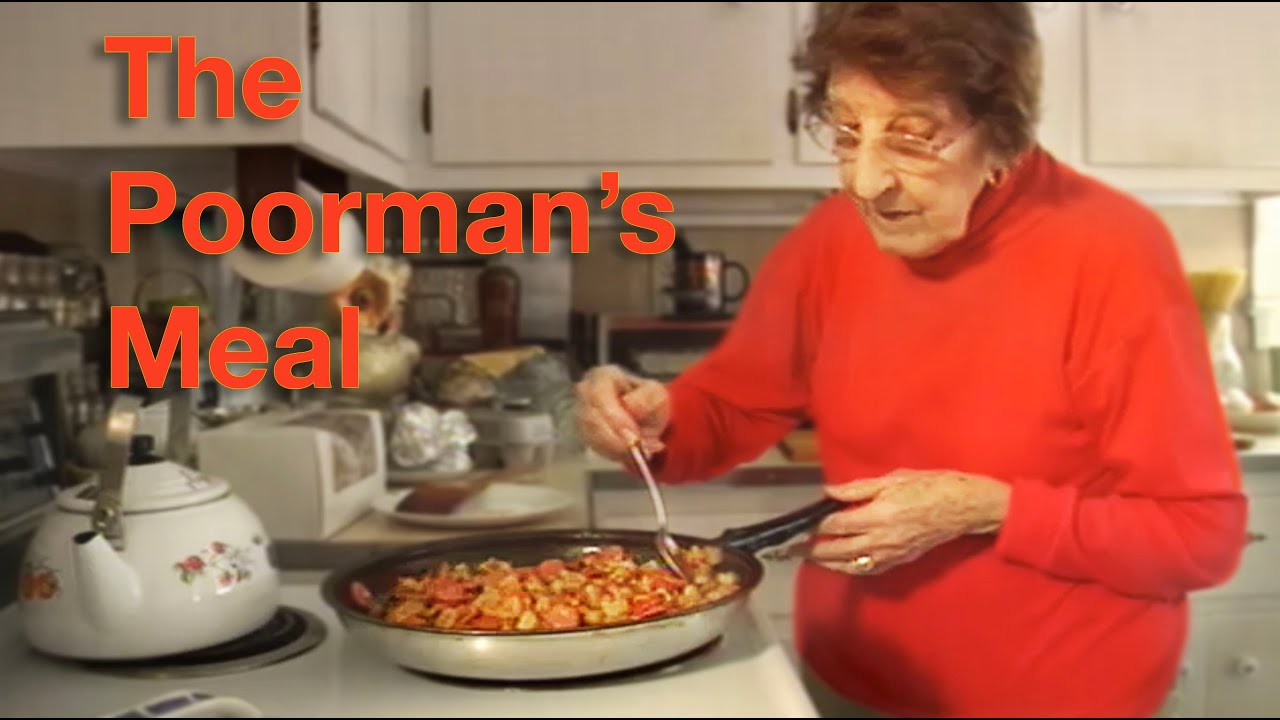
“There is a reason this dish survived a century of food trends, restaurant fads, and ingredient obsessions: it is nearly impossible to make bad if you respect the skillet. The failure happens fast though — rush the bacon fat, crowd the potatoes, skip the broth — and you get a gray, steamed mess instead of the crispy, savory hash that made this recipe legendary on a Depression-era budget. Three ingredients. One pan. The technique is everything.”
Why This Recipe Works
The Poorman's Meal is not a recipe that needs improvement. It needs to be cooked correctly — which is a different problem entirely.
What Clara Cannucciari demonstrated in her famous YouTube videos was not a dish. It was a philosophy: feed people well with what you have, waste nothing, and let the technique do the work. The dish that came out of that philosophy has three ingredients and one pan, which means there is nowhere to hide if you get the technique wrong.
The Fat Is the Recipe
Everything in this dish is built on the bacon fat, and the bacon fat is only as good as your patience. Render it over medium-low heat for the full 5-7 minutes. Watch the sizzle quiet down as the water cooks out of the fat and the bacon strips tighten and brown evenly. The fat left behind is not grease — it is the foundational flavor of the entire dish, carrying smoke, salt, and pork into every potato cube that touches the pan.
Two tablespoons of rendered fat is your target. More and the dish gets heavy. Less and the potatoes steam instead of fry. If you're using leaner bacon and coming up short, a pat of butter closes the gap.
The Physics of Crispy Potatoes
Russet potatoes are the right choice here for a specific reason: high starch content. When a high-starch potato cube hits hot fat, the exterior starch gelatinizes into a thin crust while the interior converts to fluffy, almost creamy texture. Waxy potatoes — Yukon Golds, red potatoes — hold their shape better but never develop that contrast. For this dish, you want the contrast.
The enemy of crispy potatoes is steam, and steam comes from crowding. A 12-inch cast iron skillet holds exactly enough potato cubes to brown properly without crowding. A smaller skillet means batches. There is no other option. Crowded potatoes shed moisture faster than the pan can evaporate it, and the temperature drops below the Maillard threshold immediately. You end up with gray, soft cubes that no amount of additional cooking will rescue.
Why the Onions Go In Separately
Potatoes take 8-10 minutes in hot fat to develop a proper crust. Onions take 3-4 minutes to soften. If you add them together, you get either undercooked onions or overcooked potatoes. The technique — potatoes first, push to the sides, onions in the center with butter — staggers their cook times so both finish correctly and combine at the right moment.
The butter added with the onions also serves a second function: it tempers the heat at the center of the pan, preventing the onions from scorching while the potato edges continue crisping along the perimeter.
The Deglaze Step Nobody Talks About
After everything is combined and the bacon returns to the pan, you add the broth. Most people treat this as a moistening step. It's not. It's a flavor retrieval step. The browned bits stuck to the bottom of the pan — the fond — are concentrated Maillard compounds, rendered bacon flavor, and caramelized potato starch. The liquid lifts all of it back into the dish. Skipping the deglaze and wiping the pan clean afterward is like leaving money on the table.
The final simmer on medium heat does two things: cooks the potato centers through to tenderness and evaporates the remaining liquid so you're not serving a brothy hash. When the pan looks nearly dry and smells intensely savory, it's done.
This dish cost almost nothing in 1932. It still costs almost nothing. That has never made it a lesser meal.
Where Beginners Mess This Up
Before we start, read this. These are the 4 reasons your the poorman's meal (depression-era skillet done right) will fail:
- 1
Crowding the potatoes: Dump too many potato cubes into the skillet at once and the temperature drops immediately. Instead of frying in hot bacon fat, they steam in their own moisture and turn gray and soft. The potatoes need direct contact with the hot fat and enough space for steam to escape. Cook in batches if your skillet isn't large enough.
- 2
Pulling the bacon too early: Bacon rendered over medium-low for 5-7 minutes produces fully crisped, evenly browned bits and leaves clean, flavorful fat behind. Bacon pulled at 3 minutes is chewy, greasy, and contributes almost nothing structurally to the final dish. Let the fat render completely — you'll know it's done when the sizzling quiets.
- 3
Skipping the broth deglaze: The vegetable broth isn't there for moisture — it's there to lift the browned fond off the skillet bottom and redistribute it through the potatoes. That fond is concentrated flavor. Skipping it wastes the best part of the cook.
- 4
High heat throughout: After the broth goes in, you drop to medium and let the potatoes finish gently. High heat at this stage burns the outside before the center cooks through. The final simmer is not optional — it's what gets you tender-all-the-way-through without a raw core.
The Video Reference Library
Want to see it in action? Here are the exact videos we analyzed and combined to build this foolproof recipe translation:
The original video that made this dish famous online. Clara's straightforward technique and Depression-era commentary are essential context for understanding what this recipe is actually about.
🛠️ Core Equipment
- 12-inch cast iron or heavy stainless skilletEven heat distribution is non-negotiable here. A thin pan creates hot spots that burn the bacon fat and scorch the potato edges while leaving the centers underdone. Cast iron holds temperature steady and builds a better crust.
- Slotted spoon or spider strainerFor pulling the bacon cleanly while leaving exactly the right amount of fat behind. Pouring off fat and trying to measure it back wastes both time and flavor.
- Sharp chef's knifeUniform ¼-inch potato cubes are not aesthetic fussiness — they ensure every piece finishes cooking at the same time. Uneven cuts mean some are mush while others are still hard.
The Poorman's Meal (Depression-Era Skillet Done Right)
🛒 Ingredients
- ✦6 slices bacon, chopped into ½-inch pieces
- ✦4 medium russet potatoes, peeled and cut into ¼-inch cubes
- ✦2 medium yellow onions, finely diced
- ✦2 tablespoons unsalted butter
- ✦½ cup vegetable broth or water
- ✦1 teaspoon kosher salt, divided
- ✦½ teaspoon freshly ground black pepper
- ✦¼ teaspoon garlic powder
- ✦2 tablespoons fresh parsley, finely chopped
- ✦4 large eggs (optional, for serving)
- ✦1 tablespoon apple cider vinegar (optional)
👨🍳 Instructions
01Step 1
Chop the bacon into small, uniform ½-inch pieces and place them in a large skillet over medium-low heat. Render the fat slowly for 5-7 minutes until the bacon is crispy and golden brown.
02Step 2
Remove the cooked bacon with a slotted spoon and set aside on a paper towel. Leave approximately 2 tablespoons of bacon fat in the skillet.
03Step 3
Increase the heat to medium-high. Add the diced potatoes to the hot bacon fat in a single layer. Stir occasionally for 8-10 minutes until the edges turn golden and crispy.
04Step 4
Push the potatoes to the sides of the skillet. Add the butter in the center, then add the diced onions. Sauté for 3-4 minutes until translucent and fragrant.
05Step 5
Stir the potatoes and onions together fully. Return the reserved bacon to the skillet and toss everything to distribute evenly.
06Step 6
Pour the vegetable broth over the mixture. Add ½ teaspoon salt, ¼ teaspoon black pepper, and garlic powder. Stir gently to combine and scrape up any browned bits from the skillet bottom.
07Step 7
Reduce heat to medium and simmer for 8-10 minutes, stirring occasionally, until the potatoes are tender throughout and any remaining liquid has evaporated.
08Step 8
Taste and adjust seasoning. Finish with fresh parsley and a splash of apple cider vinegar if desired.
09Step 9
Divide among plates and top with a fried egg if desired. Serve immediately.
Nutrition Per Serving
Estimates based on standard preparation. Adjustments alter macros.
🔄 Substitutions
Instead of Bacon...
Use Smoked turkey bacon or tempeh bacon
Reduces saturated fat while preserving smokiness. Turkey bacon renders less fat, so add an extra tablespoon of butter or olive oil to compensate.
Instead of Russet potatoes...
Use Sweet potatoes or purple potatoes
Sweet potatoes add a subtle sweetness and more fiber. Purple potatoes hold shape slightly better. Both take about the same cook time.
Instead of Butter...
Use Extra virgin olive oil or ghee
Olive oil gives a lighter, more Mediterranean character. Ghee handles the higher heat better than butter and adds a nutty depth.
Instead of Vegetable broth...
Use Bone broth or chicken broth
Richer, more savory deglaze. The flavor difference is noticeable. Use whatever is open in your refrigerator.
🧊 Storage & Reheating
In the Fridge
Store in an airtight container for up to 3 days. The potatoes soften slightly but reheat well in a skillet.
In the Freezer
Not recommended — the potatoes turn grainy and watery after freezing and thawing.
Reheating Rules
Reheat in a skillet over medium heat with a small amount of butter or oil. Stir occasionally until heated through and the edges re-crisp, about 5 minutes.
❓ Frequently Asked Questions
Why are my potatoes gray and soft instead of crispy?
You crowded the pan. When too many potatoes go in at once, the skillet temperature drops and the potatoes steam instead of fry. Give them room and high enough heat to make real contact with the fat.
Can I skip the bacon and make this vegetarian?
Yes. Use 2-3 tablespoons of butter or olive oil in place of the bacon fat, and add ½ teaspoon smoked paprika to approximate the smokiness. The dish loses some depth but is still very good.
Do I need to peel the potatoes?
The original recipe peels them. Skin-on works too and adds texture — just scrub them well. The peel crisps nicely in bacon fat if you leave it on.
What's the point of the apple cider vinegar?
It's a finishing acid. Fat and salt are the dominant flavors in this dish, and a small hit of acid at the end lifts everything and makes the flavors more distinct. You won't taste 'vinegar' — you'll just taste a brighter, more complete dish.
Can I add other vegetables?
Bell peppers and garlic are the most common additions. Add them with the onions. Mushrooms work well too — cook them separately first or they'll water down the pan. Keep additions minimal or you're making a different dish.
Is this dish actually from the Great Depression?
Yes. Potatoes, onions, and bacon were among the cheapest foods available during the 1930s. This skillet meal fed families on almost nothing. It became widely known through Clara Cannucciari's YouTube channel, where she demonstrated Depression-era recipes in her 90s with remarkable clarity and charm.
The Science of
The Poorman's Meal (Depression-Era Skillet Done Right)
We turned everything on this page into a beautiful, flour-proof PDF cheat sheet. Print it out, stick it to your fridge, and never mess up your the poorman's meal (depression-era skillet done right) again.
*We'll email you the high-res PDF instantly. No spam, just perfectly cooked meals.
AlmostChefs Editorial Team
We translate the internet's most popular cooking videos into foolproof, beginner-friendly written recipes. We analyze multiple methods, test them in our kitchen, and engineer a single "Master Recipe" that gives you the best possible result with the least possible stress.