Classic Hungarian Goulash (The One-Pot Beef Stew That Earns Its Paprika)
A rich, slow-simmered Hungarian beef stew built on sweet paprika, caramelized onions, and fork-tender chuck. We broke down every major technique mistake to give you one foolproof method that delivers deep flavor without babysitting the stove.
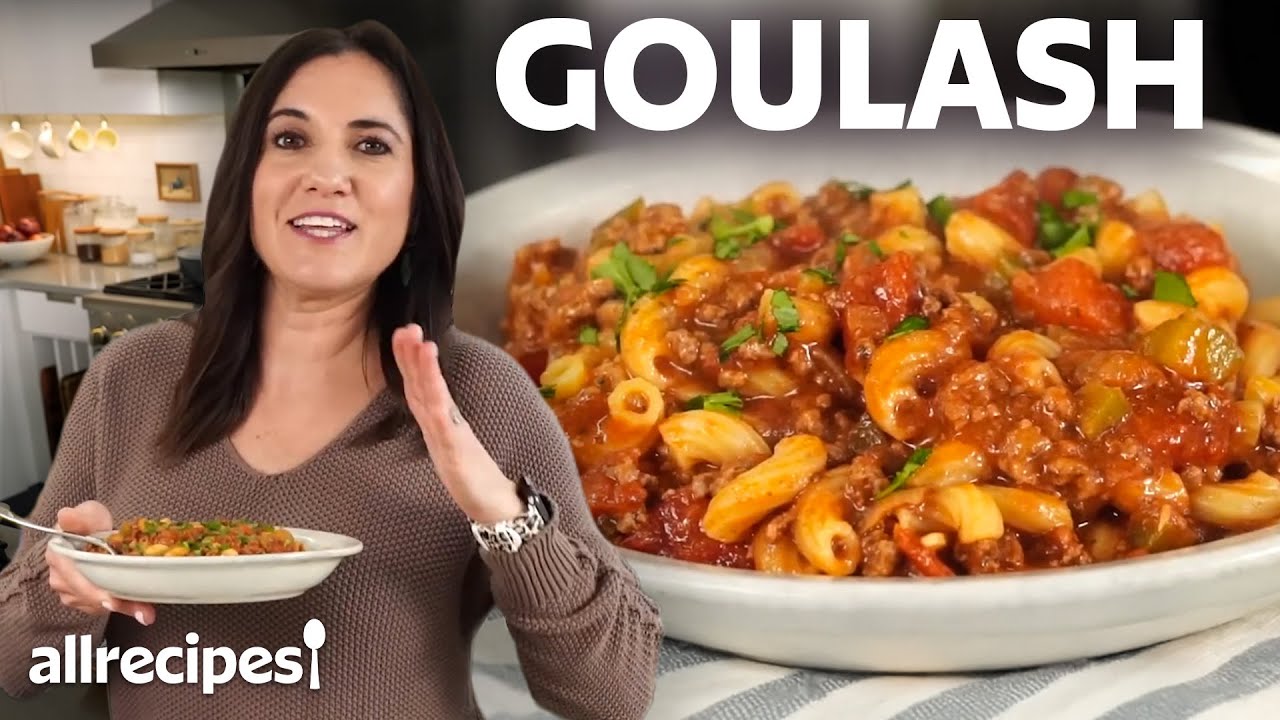
“Goulash is one of those dishes where the ingredient list looks almost too simple — beef, onions, paprika, broth — and then you taste it and wonder why it took you this long to make it. The problem is most home cooks rush the sear, undercook the onions, or skip the bloom step on the paprika. Any one of those mistakes strips away the flavor complexity that makes this stew worth making. This recipe fixes all three.”
Why This Recipe Works
Goulash has a reputation problem. It gets lumped in with "easy weeknight stews" and dismissed as something you throw together in a pot with some paprika and call dinner. That description isn't wrong — but it's incomplete. Done correctly, goulash is one of the most technically efficient flavor-building exercises in European cooking. Every step exists for a reason, and the steps that look like suggestions are the ones that actually matter.
The Sear Is Not Optional
Most one-pot stew recipes tell you to brown the beef "in batches." Most home cooks read that and think it means two batches, loosely arranged. It means batches small enough that every cube has direct contact with the hot pot surface and nothing is touching anything else. When beef hits a 400-degree surface, the Maillard reaction converts surface proteins and sugars into hundreds of new flavor compounds — the same chemistry that makes seared steak taste fundamentally different from boiled steak. Crowding the pan drops the surface temperature below the threshold for browning, the moisture can't evaporate fast enough, and the beef steams gray instead of crisping brown.
The fond — the dark caramelized layer stuck to the bottom of the pot after searing — is not burning. It's concentrated flavor waiting to be dissolved. When the broth hits the pan during deglazing, every bit of that fond lifts off and becomes part of the sauce. Cooks who skip the sear or don't deglaze properly are leaving the best part of their stew in the trash.
Paprika Is a Fat-Soluble Spice
This single fact explains more goulash failures than any other. Paprika contains carotenoids — the pigment compounds responsible for its color and most of its flavor — that are fat-soluble, not water-soluble. Adding paprika directly to broth produces a faint red tinge and a raw, chalky spice flavor. Cooking it in hot fat for 60-90 seconds before any liquid enters the pot activates and extracts those compounds fully. The difference in flavor between bloomed paprika and unbloomed paprika is not subtle. It is the difference between a stew that tastes one-dimensional and one that tastes like it took hours.
The tomato paste goes in at the same time and for the same reason — the umami compounds in concentrated tomato develop in fat. One tablespoon, stirred constantly for 90 seconds until it darkens from brick red to a deeper rust, adds body and savory depth that no amount of broth can replicate.
The Two-Phase Simmer
Goulash's vegetable timing is a solved problem that most recipes ignore. Beef chuck needs 45 minutes of low, covered simmering before it approaches tenderness — the collagen in the connective tissue needs sustained heat to convert into gelatin, which is what gives the sauce its body and the beef its yielding texture. Carrots, potatoes, and bell pepper need 30-40 minutes. Put them all in at once and you get one of two outcomes: either the vegetables are perfect and the beef is still tough, or the beef is perfect and the vegetables have dissolved into the sauce.
Adding the vegetables halfway through isn't a technique preference — it's physics. Everything finishes at the same time because everything started at the right time.
A Dutch oven handles the transition between phases cleanly. The heavy walls hold residual heat through the lid-off vegetable phase, maintain an even simmer without constant adjustment, and distribute heat across the base uniformly enough that the bottom layer of beef never scorches while the center is still cooking. This is a dish where the right pot makes a measurable difference.
The Day-After Rule
Goulash is one of a small category of dishes where refrigerating overnight is a legitimate improvement, not just a convenience. The paprika's fat-soluble compounds continue to migrate through the braising liquid for hours after cooking stops. The beef fibers relax further in the cooled sauce. The caraway and bay release slower-developing notes that don't fully emerge during the active cook. Make it today. Eat it tomorrow. That's not a tip — that's the recipe working correctly.
Where Beginners Mess This Up
Before we start, read this. These are the 4 reasons your classic hungarian goulash (the one-pot beef stew that earns its paprika) will fail:
- 1
Skipping the batch sear: Crowding the pan is the single most common goulash mistake. When you pile beef cubes in a single layer and the surface temperature drops, the meat steams instead of sears. You lose the Maillard crust that accounts for roughly a third of the stew's final depth. Brown in batches, give each piece room, and don't move it until it releases cleanly.
- 2
Pulling the paprika too early: Paprika blooms in fat — it doesn't dissolve in liquid. Adding it to broth directly produces flat, raw spice flavor. It needs 60-90 seconds in the hot fat with the onions and tomato paste before anything liquid touches the pot. That brief bloom converts the fat-soluble compounds in the paprika into fully activated flavor.
- 3
Adding vegetables too early: Carrots, potatoes, and bell pepper need 30-40 minutes, not 90. If they go in with the beef at the start, they disintegrate into the sauce. Add them only after the beef has had its 45-minute head start, so everything finishes at the same time and nothing turns to mush.
- 4
Not deglazing properly: The brown fond stuck to the bottom of the pot after searing is concentrated flavor. When you add the broth, you must scrape every bit of it up with a wooden spoon. If you skip this step, you're leaving the best part of the sear behind — and risking a burnt bottom during the long simmer.
The Video Reference Library
Want to see it in action? Here are the exact videos we analyzed and combined to build this foolproof recipe translation:
The primary reference. Covers the paprika bloom technique and the batch-sear method in clear close-up detail. Best for understanding the color and texture you're aiming for at each stage.
🛠️ Core Equipment
- Dutch oven or heavy-bottomed potEven heat distribution is non-negotiable for a 90-minute braise. A thin pot creates hot spots that scorch the bottom while leaving the center underdone. A [Dutch oven](/kitchen-gear/review/dutch-oven) retains heat evenly and transitions from stovetop sear to low simmer without adjustment.
- Wooden spoonEssential for deglazing the fond after the sear. Metal utensils can scratch enameled surfaces; a wooden spoon gives you the pressure and control you need to lift every bit of caramelized crust without damaging the pot.
- Sharp chef's knifeConsistent 1-inch beef cubes cook evenly. Irregular cuts mean some pieces are done at 45 minutes while others need another 30. A [sharp knife](/kitchen-gear/review/chefs-knife) takes 5 minutes of prep and saves you from uneven texture throughout the stew.
Classic Hungarian Goulash (The One-Pot Beef Stew That Earns Its Paprika)
🛒 Ingredients
- ✦2 tablespoons olive oil
- ✦1.5 pounds lean beef chuck, cut into 1-inch cubes
- ✦2 medium yellow onions, finely diced
- ✦4 cloves garlic, minced
- ✦3 tablespoons sweet Hungarian paprika
- ✦1 tablespoon tomato paste
- ✦4 cups low-sodium beef broth
- ✦1 can (14 ounces) diced tomatoes
- ✦3 medium carrots, cut into 1-inch rounds
- ✦2 medium red potatoes, cut into 1-inch cubes
- ✦1 large red bell pepper, chopped into bite-sized pieces
- ✦2 bay leaves
- ✦1 teaspoon dried thyme
- ✦1 teaspoon Worcestershire sauce
- ✦1 teaspoon caraway seeds
- ✦Salt and freshly ground black pepper to taste
- ✦Fresh parsley, chopped, for garnish
- ✦Sour cream, for serving
👨🍳 Instructions
01Step 1
Heat olive oil in a large Dutch oven or heavy-bottomed pot over medium-high heat until shimmering.
02Step 2
Season the beef cubes generously with salt and pepper on all sides.
03Step 3
Working in batches to avoid crowding, brown the beef on all sides until deeply caramelized, about 3-4 minutes per batch. Transfer each batch to a plate and do not disturb the fond on the bottom.
04Step 4
Add the diced onions to the same pot over medium-high heat and sauté until softened and translucent, about 5 minutes.
05Step 5
Stir in the minced garlic and cook for 1 minute until fragrant.
06Step 6
Add the paprika and tomato paste. Stir constantly for 60-90 seconds to coat the vegetables and bloom the spices in the fat.
07Step 7
Pour in the beef broth, scraping up every bit of browned fond from the bottom of the pot with a wooden spoon.
08Step 8
Return the seared beef to the pot along with the canned tomatoes, bay leaves, thyme, Worcestershire sauce, and caraway seeds.
09Step 9
Bring to a simmer, reduce heat to low, cover, and cook for 45 minutes until the beef begins to tenderize.
10Step 10
Add the carrots, potatoes, and bell pepper, stirring to combine. Continue simmering uncovered for 30-40 minutes until the beef is fork-tender and the vegetables are cooked through.
11Step 11
Taste and adjust seasoning with salt, pepper, or additional paprika as needed. Remove the bay leaves.
12Step 12
Serve hot in bowls topped with a dollop of sour cream and fresh parsley. Ladle over egg noodles or alongside crusty bread.
Nutrition Per Serving
Estimates based on standard preparation. Adjustments alter macros.
🔄 Substitutions
Instead of Beef chuck...
Use Lean ground beef or sirloin tips
Faster cooking time but slightly less tender. Ground beef changes the texture entirely — it works but produces something closer to American goulash than Hungarian. Sirloin tips are the better swap.
Instead of Sweet Hungarian paprika...
Use Smoked paprika or a mix of regular and hot paprika
Smoked paprika adds depth but shifts the flavor profile away from traditional. The mix of regular and hot preserves the character while adding heat. Either way, use the same volume — don't reduce.
Instead of Sour cream...
Use Plain Greek yogurt
Tangier and higher in protein. Works well stirred into the bowl. Avoid adding it to the whole pot — the acid in yogurt can cause curdling at high heat.
Instead of Regular potatoes...
Use Sweet potatoes
Sweeter flavor profile and higher fiber. They break down faster than regular potatoes — add them 10 minutes later than you would standard potato cubes.
🧊 Storage & Reheating
In the Fridge
Store in an airtight container for up to 4 days. The paprika flavor deepens considerably after 24 hours — this is one of the few dishes that genuinely improves with time.
In the Freezer
Freeze in portioned containers for up to 3 months. Potatoes can turn grainy after freezing; if you plan to freeze, substitute parsnips or omit the potato entirely.
Reheating Rules
Reheat on the stovetop over low heat with a splash of broth or water to loosen the sauce. Stir occasionally. Microwave works but dries out the beef edges — stovetop is worth the extra few minutes.
❓ Frequently Asked Questions
Why is my goulash sauce thin and watery?
Two likely causes: you added too much broth, or you kept the lid on for the vegetable phase. After adding the vegetables, simmer uncovered so steam escapes and the sauce reduces. If it's still thin after 40 minutes, remove the lid entirely and increase to medium heat for 10-15 minutes until it coats a spoon.
Can I make goulash in a slow cooker?
Yes, but still do the sear and paprika bloom on the stovetop first — those steps cannot happen in a slow cooker and skipping them produces flat, one-dimensional sauce. After blooming the paprika, transfer everything to the slow cooker and cook on low for 7-8 hours or high for 4-5 hours. Add the vegetables in the last 2 hours.
What's the difference between Hungarian goulash and American goulash?
Hungarian goulash is a paprika-based beef and vegetable stew, usually served over egg noodles or with bread. American goulash is a pasta dish — ground beef, macaroni, tomato sauce, and cheese cooked together in one pot. They share a name and almost nothing else.
Do I need to use Hungarian paprika specifically?
For authentic results, yes. Hungarian paprika has a distinct sweetness and complexity from specific pepper varieties grown in Hungary. Standard grocery store paprika is often a generic blend with far less flavor. Spanish smoked paprika is a viable substitute but changes the character of the dish. If you can only find generic paprika, use 20% more volume to compensate.
My beef is still tough after 45 minutes — what went wrong?
Nothing is wrong yet. Chuck is a working muscle with significant connective tissue that needs time and sustained low heat to convert to gelatin. If it's still tough at 45 minutes, that's expected — the vegetables haven't gone in yet. The total simmer time from start to finish is 75-85 minutes. Judge tenderness after the full cook.
Can I add wine to this recipe?
Yes — replace one cup of broth with a dry red wine (a Merlot or Cabernet works well) added right after the paprika bloom and before the remaining broth. The alcohol cooks off during the long simmer and adds acidity that brightens the sauce. Traditional Hungarian recipes don't always include wine, but it's a legitimate addition.
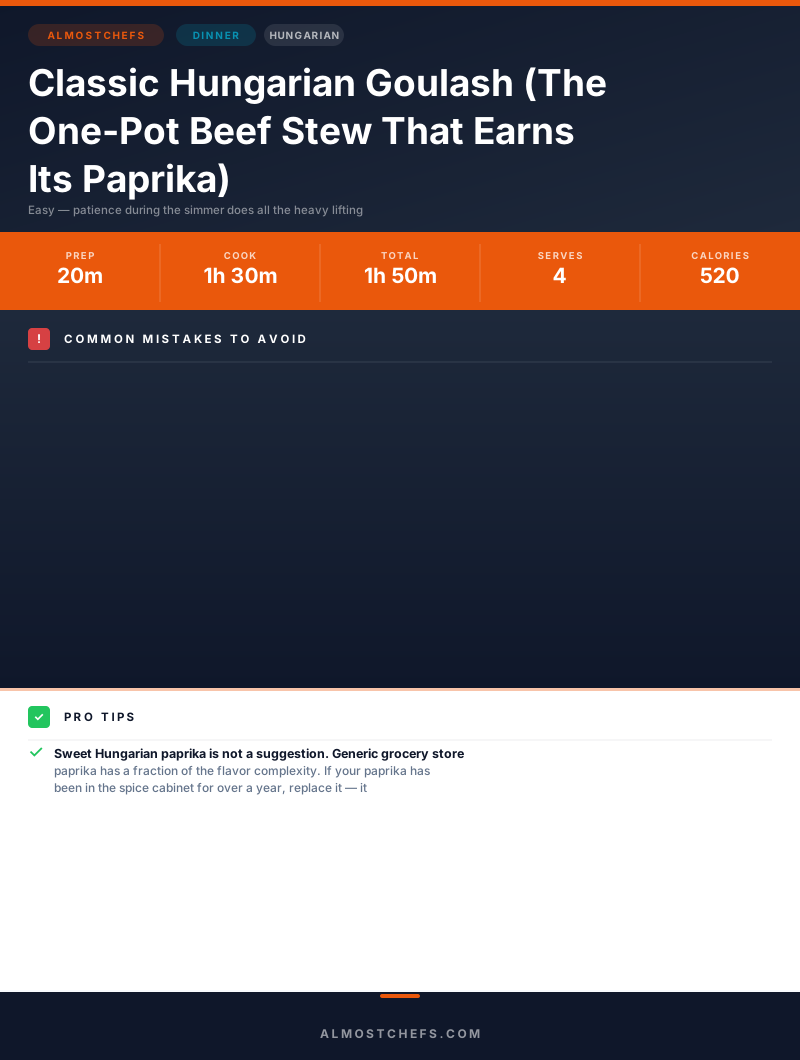
The Science of
Classic Hungarian Goulash (The One-Pot Beef Stew That Earns Its Paprika)
We turned everything on this page into a beautiful, flour-proof PDF cheat sheet. Print it out, stick it to your fridge, and never mess up your classic hungarian goulash (the one-pot beef stew that earns its paprika) again.
*We'll email you the high-res PDF instantly. No spam, just perfectly cooked meals.
AlmostChefs Editorial Team
We translate the internet's most popular cooking videos into foolproof, beginner-friendly written recipes. We analyze multiple methods, test them in our kitchen, and engineer a single "Master Recipe" that gives you the best possible result with the least possible stress.