Proper Gopchang Jeongol (The Korean Hot Pot That Earns Its Reputation)
A fiery, deeply savory Korean intestine hot pot built on cleaned gopchang, a gochugaru-spiked broth, and a tangle of vegetables and glass noodles. We broke down the technique that transforms an intimidating offal dish into the most memorable thing on the table.

“Gopchang jeongol is one of those Korean dishes that splits a table in two: people who've had it before and are already reaching for the pot, and people who go quiet when they hear the word intestine. By the time the broth starts bubbling, the second group has usually changed their position. The dish is that persuasive. What makes it work is not the offal — it's the combination of fermented depth, chili heat, and collagen-rich stock that turns an ingredient most people dismiss into something irreplaceable.”
Why This Recipe Works
Gopchang jeongol is the kind of dish that separates confident Korean cooks from everyone else. Not because it's technically difficult — the cooking itself is simple — but because it requires you to commit to an ingredient that most Western palates have been conditioned to avoid. Small intestines. Cleaned, blanched, cut, and simmered in a spiced broth until they turn yielding and rich. The commitment pays off in ways that safer protein choices simply cannot.
What Gopchang Actually Tastes Like
The comparison people reach for is tripe, but gopchang is different. Where tripe is chewy and dense, properly prepared gopchang is tender and almost custardy — the walls of the intestine are thin enough that they yield quickly between your teeth, leaving behind a clean, savory richness. The internal fat deposits that stay in the intestine during cleaning render during the simmer and emulsify into the broth, which is why gopchang jeongol broth has a velvety body that no lean-protein hot pot can replicate.
The flavor is distinctly bovine — not aggressively so, but present. It pairs with the fermented funk of doenjang and the fruity heat of gochugaru in a way that feels designed rather than accidental. This is why the dish exists. These flavors were built for each other.
The Cleaning Problem, Solved
The reason gopchang has a reputation for being difficult is entirely about the cleaning. Intestines carry digestive residue, and if that residue is not physically removed before cooking, it will flavor the entire dish in ways that are not subtle. The technique is not complicated: coarse salt and flour work as a combined abrasive and deodorizer, stripping the inner walls clean. Multiple rinses under cold water remove the flour and salt along with whatever they've picked up.
The ginger blanch is the final step and it matters. Simmering the cleaned intestines in ginger-spiked water for five minutes accomplishes two things: it neutralizes any remaining trace odors through the aromatic steam, and it firms the gopchang slightly, making it easier to cut into clean, uniform pieces. After blanching and rinsing, the intestines should smell like nothing. If they still have a strong smell, repeat the salt-and-flour round.
The Broth Architecture
A dasima-anchovy stock is the correct base for this jeongol. Dasima (dried kelp) contributes glutamates; the dried anchovies add oceanic depth and salt. Together they form a broth that is savory without being meaty — a neutral backdrop that carries the fermented seasoning paste without competing with it.
The seasoning paste itself is a careful balance of three Korean fermented ingredients: gochugaru for bright, dry heat; gochujang for sweetness and body; doenjang for umami depth and complexity. The doenjang is the component most people underweight. It's not there to make the broth taste like miso — it's there to add the kind of low-frequency savory note that makes you keep drinking the broth long after the intestines are gone.
The Table-Cooking Logic
Jeongol is a table-cooking format for a reason. The dish improves continuously as it simmers. Early in the meal, the broth is bright and clearly spiced. By the time you're halfway through the pot, the collagen from the gopchang has begun dissolving into the liquid and the heat has concentrated the fermented flavors into something richer and more complex. The last bowl of broth is always the best one.
A wide braiser or jeongol pot placed on a portable induction burner at the table maintains a controlled simmer throughout the meal. This is the correct equipment. A deep stockpot concentrates all the heat at the bottom; a portable burner gives everyone at the table equal access to the pot. Neither is negotiable for the full experience.
The dangmyeon going in last is not about timing convenience — it's about absorption management. Glass noodles can drink a shocking amount of liquid. Added early, they pull the broth away from every other ingredient and turn gluey. Added in the final eight minutes, they soften to the right consistency and arrive at the table with the correct chew.
Gopchang jeongol asks something of you before it gives anything back. The cleaning, the blanching, the sourcing. It is not a weeknight impromptu dinner. But when the pot comes to the table and starts bubbling, and the broth smell fills the room, the people who were quiet about the ingredient list will stop being quiet. That is the entire point.
Where Beginners Mess This Up
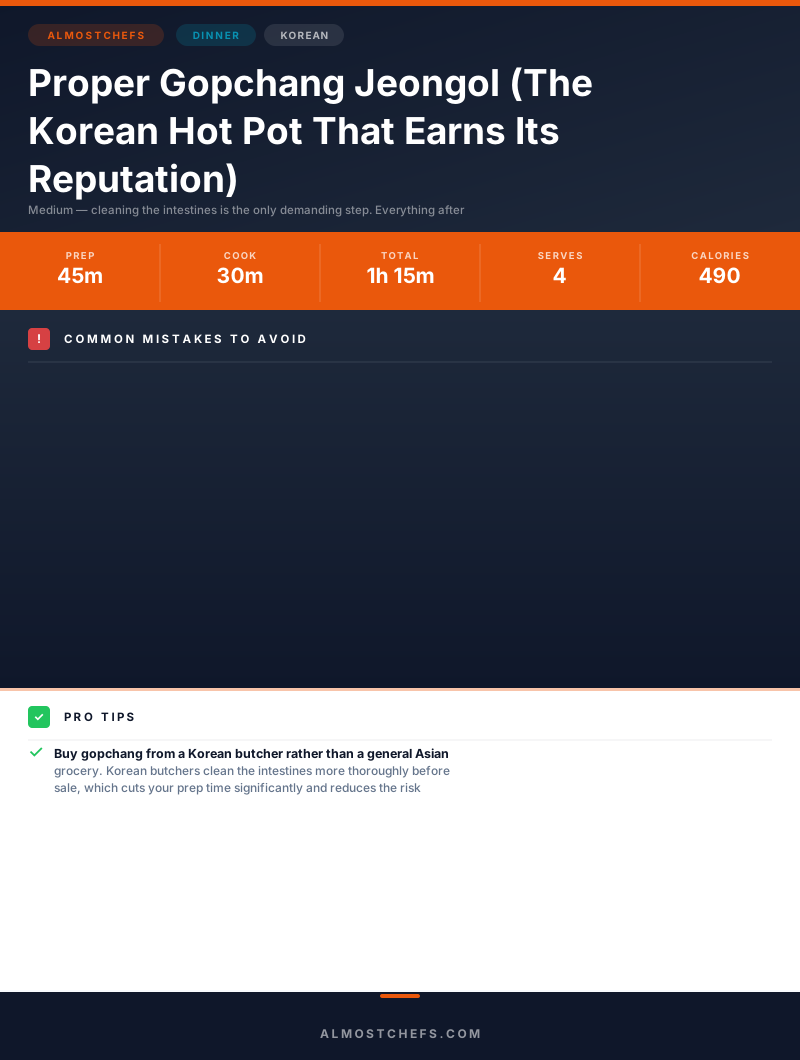
Before we start, read this. These are the 4 reasons your proper gopchang jeongol (the korean hot pot that earns its reputation) will fail:
- 1
Skipping the intestine cleaning step: Gopchang must be thoroughly cleaned before cooking or the finished dish will carry a sharp, barnyard bitterness that no amount of gochugaru can mask. Rubbing with coarse salt and flour, rinsing under cold running water, and blanching in ginger-spiked water are not optional — they are the entire reason this dish is delicious rather than offensive.
- 2
Using water instead of stock: Gopchang jeongol is built on stock. Plain water produces a thin, hollow broth that tastes like spicy water with intestines in it. A good dasima-anchovy stock — or beef bone broth if you have it — provides the glutamate backbone that ties every element together.
- 3
Boiling too hard for too long: A rolling boil toughens the intestines and turns the vegetables to mush. The correct cooking environment is a vigorous simmer — active, bubbling, but not violent. The intestines need 20-25 minutes at controlled heat to become tender without seizing up.
- 4
Adding the glass noodles too early: Dangmyeon absorbs broth aggressively. Added at the start, they swell, turn gluey, and steal the liquid from every other ingredient. Add them in the final 8 minutes so they finish just as the pot hits the table.
🛠️ Core Equipment
- Wide, shallow jeongol pot or braiserThe wide surface area ensures even heat distribution across all the ingredients. Deep soup pots concentrate heat at the bottom and produce uneven cooking. A [cast iron braiser](/kitchen-gear/review/cast-iron-braiser) or a stainless steel jeongol pot both work well.
- Portable induction burner or tabletop gas burnerGopchang jeongol is a table-cooking dish. The pot goes directly to the table and continues simmering as people eat. A portable burner is essential for the experience — and for keeping the broth at the right temperature throughout the meal.
- Large mixing bowl and colanderThe intestine cleaning process requires space and repeated rinsing. You need a bowl large enough to massage the gopchang with salt and flour without making a mess, and a colander for thorough draining between rinses.
- Fine-mesh skimmerAs the jeongol reaches its initial boil, foam and rendered fat rise to the surface. Skimming this off produces a clearer, cleaner-tasting broth. A [spider strainer](/kitchen-gear/review/spider-strainer) also works.
Proper Gopchang Jeongol (The Korean Hot Pot That Earns Its Reputation)
🛒 Ingredients
- ✦1.5 pounds beef or pork gopchang (small intestines), thoroughly cleaned
- ✦3 tablespoons coarse sea salt (for cleaning)
- ✦3 tablespoons all-purpose flour (for cleaning)
- ✦5 cups dasima-anchovy stock or beef bone broth
- ✦3 tablespoons gochugaru (Korean red pepper flakes), divided
- ✦2 tablespoons gochujang (Korean red pepper paste)
- ✦1.5 tablespoons doenjang (Korean fermented soybean paste)
- ✦1.5 tablespoons soy sauce
- ✦1 tablespoon sesame oil
- ✦6 cloves garlic, minced
- ✦1 teaspoon fresh ginger, grated
- ✦1 medium yellow onion, cut into wedges
- ✦4 green onions, cut into 2-inch pieces
- ✦1/2 small napa cabbage, cut into 2-inch squares
- ✦8 fresh shiitake mushrooms, stems removed and scored
- ✦1 cup oyster mushrooms, torn
- ✦1.5 cups bean sprouts
- ✦2 oz dangmyeon (Korean glass noodles), soaked in cold water for 20 minutes
- ✦1 knob ginger (thumb-sized), sliced (for blanching)
- ✦Fresh perilla leaves and sesame seeds for finishing
👨🍳 Instructions
01Step 1
Clean the gopchang: turn the intestines inside out if possible, rub aggressively with coarse salt and flour, then rinse under cold running water. Repeat twice until the water runs clear and the intestines smell neutral.
02Step 2
Bring a pot of water to a boil with the sliced ginger. Add the cleaned gopchang and blanch for 5 minutes. Drain, rinse under cold water, and cut the intestines into 2-inch pieces.
03Step 3
In a small bowl, combine gochugaru, gochujang, doenjang, soy sauce, minced garlic, grated ginger, and sesame oil. Stir until a uniform paste forms.
04Step 4
Add the stock to the jeongol pot over medium-high heat. Whisk in the seasoning paste and bring to a simmer.
05Step 5
Add the gopchang pieces, onion wedges, napa cabbage, and both kinds of mushrooms. Arrange them neatly in the pot — gopchang in the center, vegetables around the perimeter.
06Step 6
Simmer vigorously for 20-25 minutes, skimming any foam from the surface in the first 5 minutes. The intestines should become tender and the broth should deepen in color.
07Step 7
Add the soaked and drained dangmyeon and the bean sprouts. Cook for 8 more minutes until the noodles are translucent and tender.
08Step 8
Add the green onions in the final 2 minutes of cooking.
09Step 9
Transfer to a portable burner at the table. Finish with fresh perilla leaves and a scatter of sesame seeds. Serve with steamed white rice and banchan.
Nutrition Per Serving
Estimates based on standard preparation. Adjustments alter macros.
🔄 Substitutions
Instead of Beef gopchang...
Use Pork gopchang or mixed offal (tripe, heart)
Pork intestines are milder in flavor and slightly more tender. Mixed offal adds textural variety. All require the same cleaning process.
Instead of Dasima-anchovy stock...
Use Store-bought beef bone broth or chicken stock
Beef bone broth produces a richer, meatier jeongol. Chicken stock works but lacks the depth. Avoid vegetable stock — it doesn't stand up to the fermented seasonings.
Instead of Doenjang...
Use Japanese miso (white or red)
White miso is sweeter and less funky. Red miso is closer in intensity to doenjang but lacks the Korean fermentation character. Use slightly more than the recipe calls for to compensate.
Instead of Dangmyeon (glass noodles)...
Use Rice vermicelli or sweet potato starch noodles
Rice vermicelli cooks faster and has a softer texture. Add in the final 4 minutes rather than 8. The visual result is similar; the chew is noticeably different.
🧊 Storage & Reheating
In the Fridge
Store cooled leftover jeongol in an airtight container for up to 2 days. The broth thickens considerably overnight as the collagen from the intestines gels — this is normal and a sign of good product.
In the Freezer
Freeze the broth separately for up to 1 month. The intestines and vegetables do not freeze well and should be eaten fresh.
Reheating Rules
Reheat gently on the stovetop over medium-low heat. Add a splash of water or stock to loosen the broth. Do not microwave — the intestines turn rubbery.
❓ Frequently Asked Questions
How do I know if the gopchang is properly cleaned?
After cleaning, the intestines should smell neutral — faintly meaty at most, not sharp or barnyard. They should be off-white to pale pink in color. If they still smell strongly after two rounds of salt-and-flour scrubbing and a ginger blanch, repeat the process. There is no shortcut.
Is this dish supposed to be very spicy?
Most versions are moderately to strongly spicy. The gochugaru and gochujang create layered heat rather than a single spike. You can reduce the gochugaru by a tablespoon for a milder result without losing the dish's character. Do not reduce the doenjang — it provides depth, not heat.
Can I make this without a tabletop burner?
Yes, but you lose the communal cooking element that makes jeongol special. Finish the full cooking time on your stovetop, then transfer to a heavy Dutch oven that will retain heat at the table. Serve quickly and eat immediately.
Why are my intestines tough instead of tender?
Two possible causes: either they were not cleaned and blanched properly (residual connective tissue tightens under heat), or the heat was too high during simmering. Gopchang needs sustained medium heat for 20-25 minutes. High boiling heat seizes the muscle fibers and creates a rubbery texture that does not reverse.
What banchan goes with gopchang jeongol?
Keep it simple. The jeongol itself is rich and complex — it doesn't need competition. Serve with kkakdugi (cubed radish kimchi), plain steamed rice, and a small dish of sesame-dressed spinach. Let the hot pot be the main event.
Where do I buy gopchang outside of Korea?
Korean butchers in major cities reliably stock both beef and pork gopchang, often pre-cleaned. If you can't find a Korean butcher, a well-stocked Latin carnicería usually carries cleaned pork intestines under the name 'chitterlings' — the preparation and cleaning method is identical.
The Science of
Proper Gopchang Jeongol (The Korean Hot Pot That Earns Its Reputation)
We turned everything on this page into a beautiful, flour-proof PDF cheat sheet. Print it out, stick it to your fridge, and never mess up your proper gopchang jeongol (the korean hot pot that earns its reputation) again.
*We'll email you the high-res PDF instantly. No spam, just perfectly cooked meals.
AlmostChefs Editorial Team
We translate the internet's most popular cooking videos into foolproof, beginner-friendly written recipes. We analyze multiple methods, test them in our kitchen, and engineer a single "Master Recipe" that gives you the best possible result with the least possible stress.