Easy Golden Milk (The Anti-Inflammatory Latte You'll Actually Make)
A creamy, warming turmeric latte built on ancient Ayurvedic principles and stripped down to pantry staples. We analyzed the most common golden milk failures to give you a foolproof technique that nails spice balance, texture, and flavor every time — no clumps, no bitterness, no shortcuts.
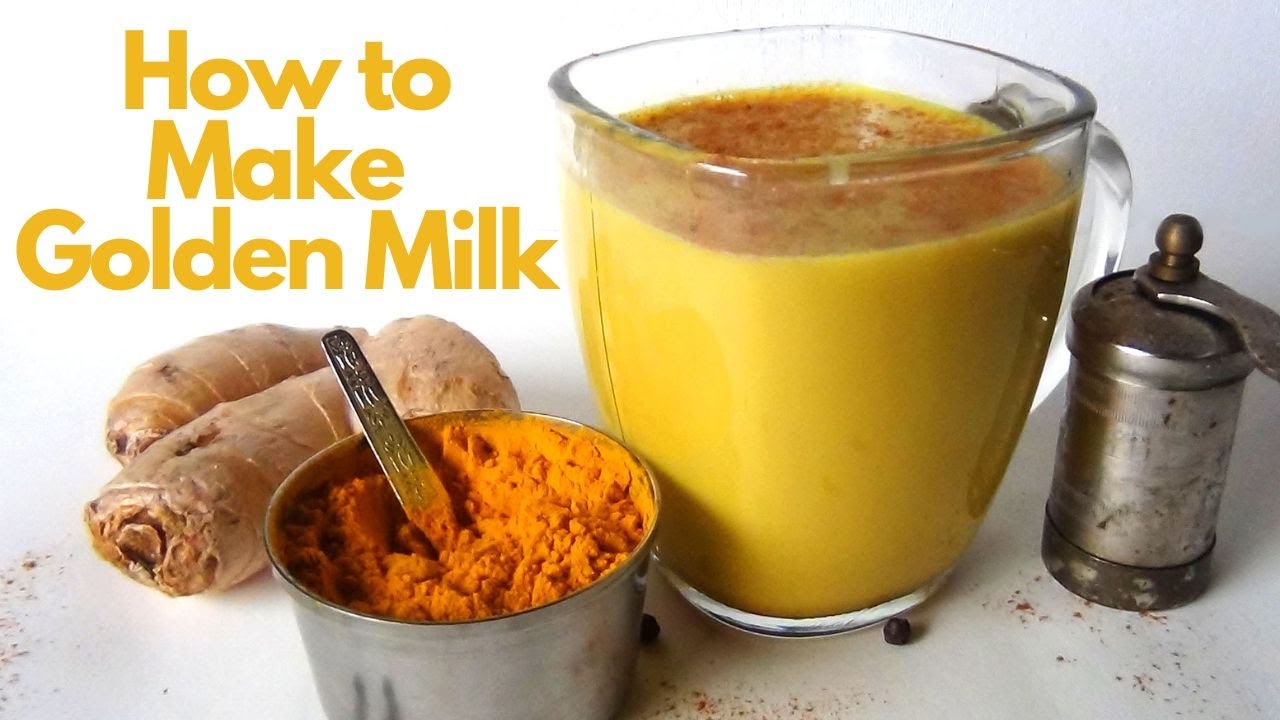
“Most golden milk recipes produce either a gritty, clumpy mess or a watery yellow drink that tastes like dirt with milk in it. The version worth drinking gets built in layers: dry spices bloomed into fat, warm milk drawn up slowly, sweetener added off heat so it doesn't cook out. Fourteen minutes. Two cups. No blender required.”
Why This Recipe Works
Golden milk is one of those drinks that sounds like it should be simple and reveals itself to be entirely about technique. The ingredient list is short. The process is fourteen minutes. And yet the gap between a proper cup and a disappointing one comes down almost entirely to heat management and when you add each component.
The Spice Problem
Turmeric, cinnamon, cardamom, and ginger are all fat-soluble compounds. This means they cannot disperse in cold water or cold milk the way sugar or salt can. Add them to cold almond milk and you get yellow-tinted liquid with a layer of floating spice sediment that no amount of stirring will fully fix. The milk needs to be warm — not simmering yet, but steaming and moving — before the spices go in. At that point, constant whisking with an actual wire whisk (not a spoon, not a fork) pulls the fat-soluble compounds into the warm fat molecules from the coconut milk and distributes them evenly through the liquid.
The pre-mixing step matters more than it looks. If you add the spices one at a time to warm milk, the turmeric hits first and clumps before the cinnamon and cardamom can help emulsify it. Mix them dry into a unified blend first, then add the blend as a single addition.
Black Pepper Is Non-Negotiable
This gets its own section because it gets omitted constantly. Curcumin — the active anti-inflammatory compound in turmeric — has notoriously poor bioavailability on its own. The body struggles to absorb it from the digestive tract. Piperine, the active compound in black pepper, inhibits certain metabolic enzymes and dramatically increases curcumin absorption. The research on this is not fringe; it's well-established nutritional biochemistry. At a quarter teaspoon, you won't taste the pepper. But your body will register the difference between this and a cup without it.
The Simmer Window
Plant-based milks have a narrow working temperature range. Below a simmer, the spices don't bloom fully and the flavors stay flat. Above a simmer — once it's actually boiling — the proteins in oat and almond milk denature and the emulsion breaks, producing grainy, separated liquid. The target zone is small: steady, small bubbles at the surface, active steam, but nothing approaching a rolling boil. Hold it there for three to four minutes and the spices fully integrate, the fresh ginger releases its volatile oils into the fat, and the whole clove contributes a low, woody undertone that rounds out the sharper notes.
Honey Off Heat
Raw honey added to a simmering pan is a waste of good honey. The heat destroys its enzymes and drives off the delicate aromatic compounds that distinguish raw honey from processed sugar syrup. The flavor difference between honey-in-pan and honey-off-heat is subtle but real — the former tastes flat and slightly caramelized, the latter retains the floral complexity that makes honey worth using in the first place. Pull the pan completely off the burner, let it sit for thirty seconds, then stir in the honey.
The fine-mesh sieve at the end isn't optional. The minced ginger and whole clove have done their job during the simmer — what's left in the pan is spent fiber and a woody stick. Press them firmly against the sieve to extract every last drop of infused liquid, then discard the solids. What goes into the mug should be smooth, uniform, and deeply golden.
This is a drink worth making slowly. Not because it requires it — it doesn't — but because that's the point.
Where Beginners Mess This Up
Before we start, read this. These are the 4 reasons your easy golden milk (the anti-inflammatory latte you'll actually make) will fail:
- 1
Adding spices directly to cold milk: Ground turmeric, cinnamon, and cardamom are fat-soluble, not water-soluble. Dumping them into cold almond milk produces floating clumps that never fully incorporate. The fix is to pre-mix the spice blend dry, then whisk it into the milk once it's already warm and moving. Heat and constant whisking are both required.
- 2
Boiling the milk: A rolling boil denatures the proteins in plant-based milks, causing them to separate and turn grainy. You want a steady simmer — small bubbles breaking the surface, not a violent churn. The moment you see steam rising freely, reduce the heat and hold it there.
- 3
Adding honey while the milk is still on heat: Raw honey's beneficial enzymes and delicate floral compounds are destroyed above 95°F. More practically, adding it hot causes the sugars to caramelize unevenly, which produces bitter off-notes. Pull the pan off heat completely, then stir in the honey.
- 4
Skimping on the black pepper: Black pepper isn't in this recipe for heat. Piperine, the compound that gives pepper its bite, increases the bioavailability of curcumin (turmeric's active compound) by up to 2000%. Without it, you're drinking yellow-tinted milk with minimal therapeutic effect. Don't skip it, don't reduce it.
The Video Reference Library
Want to see it in action? Here are the exact videos we analyzed and combined to build this foolproof recipe translation:
The source video that informed this recipe's technique. Strong emphasis on spice ratios and the importance of simmering rather than boiling.
🛠️ Core Equipment
- Small saucepanA compact pan keeps the milk volume concentrated so it heats evenly and quickly. A large pan spreads the liquid thin and makes it harder to control temperature.
- Fine-mesh sieveEssential for straining out the whole clove and minced ginger before serving. Without it, you're fishing solids out of your mug or drinking gritty texture.
- Small whiskGround spices need constant mechanical agitation to disperse properly in milk. A spoon won't cut it — the whisk's wire loops break up clumps and keep everything in suspension.
- Heatproof measuring cup or ladleFor pouring the strained milk cleanly into your mug without spilling. The sieve balance can be awkward over a small cup.
Easy Golden Milk (The Anti-Inflammatory Latte You'll Actually Make)
🛒 Ingredients
- ✦1 teaspoon ground turmeric
- ✦1/2 teaspoon ground ginger
- ✦1/4 teaspoon ground cinnamon
- ✦1/4 teaspoon ground cardamom
- ✦1/4 teaspoon ground black pepper
- ✦2 cups unsweetened almond milk
- ✦1/2 cup full-fat coconut milk
- ✦1 tablespoon raw honey
- ✦1/4 teaspoon vanilla extract
- ✦1 pinch sea salt
- ✦1 small piece fresh ginger root, peeled and minced
- ✦1 whole clove
👨🍳 Instructions
01Step 1
Combine the ground turmeric, ginger powder, cinnamon, cardamom, and black pepper in a small bowl to create a unified spice blend.
02Step 2
Pour the almond milk and coconut milk into a small saucepan and place over medium heat.
03Step 3
Once the milk is warm but not yet simmering, add the spice blend and whisk continuously for about 1 minute until fully incorporated with no lumps remaining.
04Step 4
Add the minced fresh ginger and whole clove to the pan, stirring gently to distribute the aromatics.
05Step 5
Simmer the mixture for 3-4 minutes over medium-low heat, stirring occasionally, without bringing it to a boil.
06Step 6
Remove from heat and strain through a fine-mesh sieve into your serving cup, pressing gently on the ginger and clove to extract maximum flavor.
07Step 7
Stir in the honey and vanilla extract until the sweetener is fully dissolved.
08Step 8
Taste and adjust — more honey for sweetness, a pinch more turmeric for earthiness, extra cinnamon for warmth.
09Step 9
Pour into your favorite mug. Optionally top with a light sprinkle of ground cinnamon or a small drizzle of coconut cream.
Nutrition Per Serving
Estimates based on standard preparation. Adjustments alter macros.
🔄 Substitutions
Instead of Honey...
Use Pure maple syrup or 2 pitted Medjool dates blended into paste
Maple syrup adds subtle caramel depth. Date paste creates a thicker, richer sweetness with added fiber. Both dissolve well off heat.
Instead of Almond milk...
Use Organic oat milk or cashew milk
Oat milk is the strongest upgrade — naturally creamier, slightly sweet, and holds heat well. Cashew milk is the richest option and closest to dairy in texture.
Instead of Full-fat coconut milk...
Use 1 teaspoon tahini or almond butter stirred in at the end
Provides comparable creaminess with added plant protein and healthy fats, minus the saturated fat load of coconut. Slightly nutty undertone.
Instead of Ground spices...
Use Freshly grated turmeric root and whole spices toasted and ground
Noticeably brighter, more potent flavor and higher active compound content. Requires a spice grinder and adds 5 minutes of prep. Worth it if you're making this regularly.
🧊 Storage & Reheating
In the Fridge
Store any leftover golden milk in a sealed jar for up to 2 days. The spices will settle — shake or whisk before reheating.
In the Freezer
Not recommended. Plant-based milks separate when frozen and thawed, producing a grainy texture that doesn't recover even with whisking.
Reheating Rules
Warm gently in a small saucepan over low heat, whisking continuously. Microwave heating is uneven and tends to scorch the sugars from the honey.
❓ Frequently Asked Questions
Why is my golden milk lumpy?
Ground spices are fat-soluble and clump in cold liquid. Always whisk the spice blend into warm (not cold) milk with constant, vigorous motion. A proper whisk — not a spoon — is also required to break up clumps mechanically.
Can I make golden milk without coconut milk?
Yes. Use 2.5 cups of oat milk or cashew milk instead of the almond/coconut combination. The drink will be slightly less rich but still creamy and flavorful. Alternatively, stir in a teaspoon of tahini after straining.
Does the black pepper really matter?
Medically and culinarily, yes. Piperine in black pepper dramatically increases curcumin absorption. Without it, most of the turmeric's anti-inflammatory benefit passes through unabsorbed. The quarter teaspoon isn't enough to make the drink taste peppery — it's a functional ingredient, not a seasoning decision.
Can I drink golden milk cold?
You can, but the fat-soluble spices don't stay suspended in cold liquid. The spice bloom needs heat to fully integrate. If you want a cold version, make it hot, let it cool to room temperature, then refrigerate. Shake or stir well before drinking.
Is golden milk the same as a turmeric latte?
Functionally yes — the names are used interchangeably. 'Golden milk' is the traditional Ayurvedic term using water-based liquid; 'turmeric latte' is the modern café version made with steamed milk. The recipe is the same.
How much turmeric is too much?
At culinary doses — one teaspoon per serving — you're well within safe range. Very high supplemental doses (several grams daily) can cause digestive upset. The amount in this recipe is therapeutic without being excessive.
The Science of
Easy Golden Milk (The Anti-Inflammatory Latte You'll Actually Make)
We turned everything on this page into a beautiful, flour-proof PDF cheat sheet. Print it out, stick it to your fridge, and never mess up your easy golden milk (the anti-inflammatory latte you'll actually make) again.
*We'll email you the high-res PDF instantly. No spam, just perfectly cooked meals.
AlmostChefs Editorial Team
We translate the internet's most popular cooking videos into foolproof, beginner-friendly written recipes. We analyze multiple methods, test them in our kitchen, and engineer a single "Master Recipe" that gives you the best possible result with the least possible stress.