Authentic Spanish Gazpacho (The Cold Soup You're Overcomplicating)
A no-cook Spanish cold soup built from peak-season tomatoes, cucumber, and bell pepper, blended smooth and chilled until the flavors collapse into something bright, savory, and completely refreshing. We stripped the method down to what actually matters so you stop guessing and start eating.
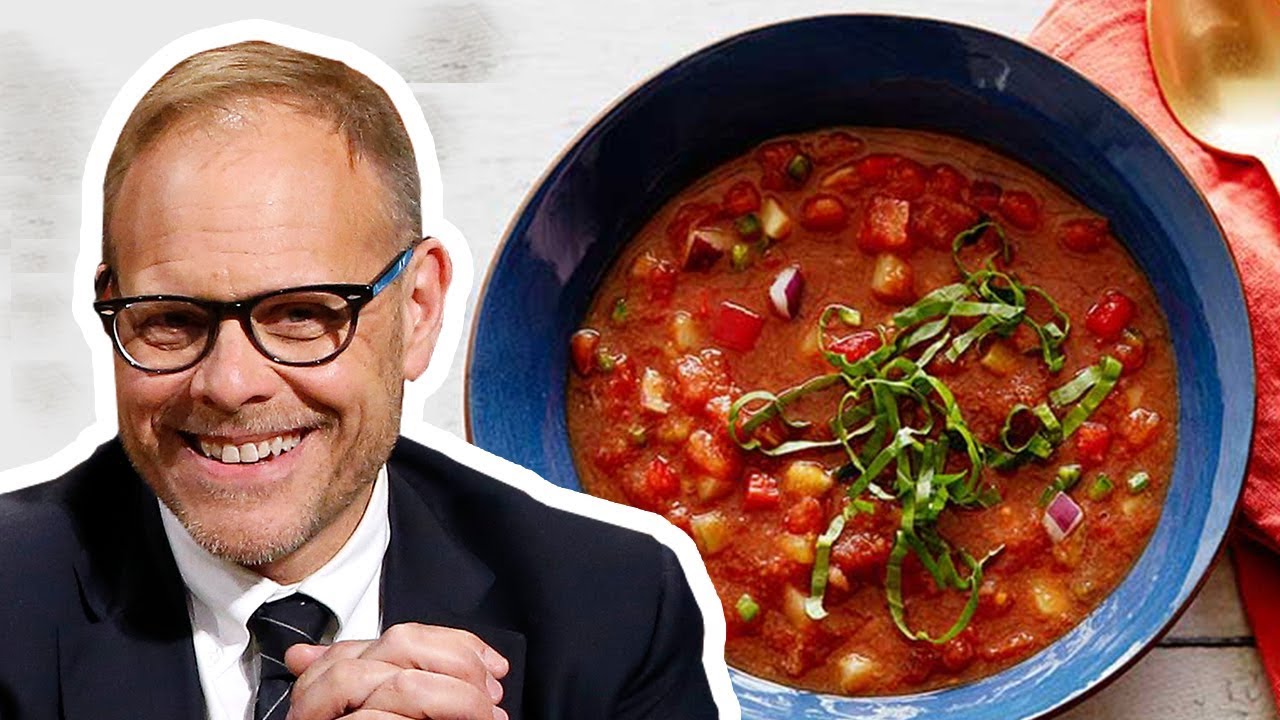
“Most gazpacho recipes are not recipes. They are lists of vegetables with a blender instruction attached. The result is watery, flat, and tastes like salsa that gave up. Real gazpacho has body, depth, and a savory richness that makes you wonder how something with zero cooking time tastes this complex. The answer is emulsification, salt timing, and a mandatory rest period that most recipes skip because they assume you're in a hurry.”
Why This Recipe Works
Gazpacho is the dish that exposes every instinct home cooks have about soup and inverts them. No heat. No reducing. No building flavors through time and a burner. Everything that makes this soup work happens cold, and that requires a completely different set of decisions.
The Tomato Imperative
There is no technique in existence that rescues mediocre tomatoes in a cold soup. In a cooked dish, heat transforms and concentrates flavor — a bland tomato becomes a decent sauce. In gazpacho, the tomato is raw, uncooked, and entirely exposed. If it doesn't taste like something on the counter, it won't taste like something in the bowl.
Roma tomatoes are the right choice here because they're dense, meaty, and low in water content compared to beefsteak or heirloom varieties. They also have a thicker flesh-to-seed ratio, which means more flavor per cup after straining. Buy them slightly past peak ripeness — when they give to gentle pressure and smell sweet from a foot away. Leave them on the counter, never in the refrigerator. Cold storage destroys the volatile aromatic compounds that give summer tomatoes their character.
Emulsification Is the Whole Game
The difference between gazpacho that tastes like cold vegetable juice and gazpacho that tastes like a complete dish is emulsification. When extra virgin olive oil is blended at high speed into the tomato-cucumber base, it breaks into tiny droplets that suspend throughout the liquid, creating body and a silky mouthfeel that pure vegetable water can never achieve.
This is why a high-powered blender matters. A weak blender doesn't generate enough shear force to break the oil into fine droplets — you get oil slick on top instead of integrated body throughout. Blend for a full 60-90 seconds, not 20 seconds. The color will shift slightly lighter as the oil emulsifies in.
The Mandatory Rest
The two-hour chill period is the most skipped and most important step. Fresh-blended gazpacho is loud and chaotic — the garlic is aggressive, the onion is sharp, the acid is poking you in the face. Refrigeration does three things simultaneously: it allows the salt to draw residual moisture from the vegetable solids, it lets the sharp allium compounds mellow slightly, and it gives the olive oil emulsion time to fully integrate.
A glass storage container is worth specifying here because gazpacho sits in refrigerator proximity for hours. Plastic absorbs and transfers odors. Glass keeps the flavor clean. This is a small detail with a measurable impact, especially if your refrigerator contains anything pungent.
Garnish Is Architecture
The toppings — cherry tomatoes, diced cucumber, diced red onion, croutons — are not decoration. They are structural. The soup is smooth, cold, and uniform in texture. Without the garnish, every spoonful is identical from first to last, and the palate disengages after four bites. The garnish introduces contrast: crunch against silk, bright against deep, cool vegetable freshness against emulsified richness.
Add the croutons at the table. Not in the kitchen. Bread goes from crisp to soggy in under three minutes submerged in cold liquid, and soggy croutons actively damage the textural architecture you just built. Serve the croutons in a small bowl on the side if there's any risk of delay between kitchen and table.
Why Strain
Tomato skins and seeds are not flavor-neutral. The seeds contribute a faint bitterness that becomes more pronounced when cold. The skins leave fibrous strings that catch in the back of the throat. Straining through a fine-mesh sieve removes both in two minutes of active pressing. The liquid that comes through is concentrated, smooth, and noticeably more complex than the unfiltered version. This is the step that separates what you get at a restaurant from what most people make at home. Do not skip it.
Where Beginners Mess This Up
Before we start, read this. These are the 4 reasons your authentic spanish gazpacho (the cold soup you're overcomplicating) will fail:
- 1
Using under-ripe tomatoes: Gazpacho has nowhere to hide mediocre produce. The tomatoes are raw, uncooked, and front and center. Under-ripe tomatoes taste acidic and thin — no amount of seasoning rescues them. You need Roma or vine tomatoes that are so ripe they're almost embarrassing. If the tomatoes don't smell like anything, neither will your gazpacho.
- 2
Skipping the chill time: Two hours in the refrigerator is not optional. Freshly blended gazpacho is a collection of competing flavors that haven't agreed on anything yet. The chill period is when the salt draws moisture from the vegetables, the olive oil emulsifies into the tomato base, and every component stops shouting individually and starts forming a coherent soup. Serve it immediately and you'll wonder why everyone raves about this dish.
- 3
Under-seasoning before chilling: Cold temperatures suppress flavor perception. Gazpacho needs to be seasoned more aggressively than a hot soup — salt and acid both dull significantly at refrigerator temperature. Season until it tastes slightly over-salted at room temperature. After chilling, it will be exactly right.
- 4
Skipping the strain: The fine-mesh sieve step separates restaurant-quality gazpacho from home blender soup. Tomato skins and seeds contribute bitterness and grainy texture. Straining removes both, leaving behind a silky, concentrated liquid that coats the palate instead of sitting on top of it.
The Video Reference Library
Want to see it in action? Here are the exact videos we analyzed and combined to build this foolproof recipe translation:
The primary source method for this recipe. Clear technique for achieving the right consistency and explains why the rest period is non-negotiable.
🛠️ Core Equipment
- High-powered blenderA weak blender leaves fibrous bits and fails to fully emulsify the olive oil into the tomato base. You need enough speed to break down tomato skins before straining. An immersion blender is a last resort — it works but produces an inferior texture.
- Fine-mesh sieveMandatory for removing tomato seeds and skin fragments that contribute bitterness. Press the pulp firmly with a spoon — most of the flavor is in the last push through the sieve.
- Large glass storage container with lidGazpacho picks up odors from plastic during the long chill. Glass keeps the flavors clean. It also lets you see the color develop as the soup rests — when it deepens from bright red to a rich burgundy-red, it's ready.
- Chilled serving bowlsRoom-temperature bowls immediately start warming the soup from below. Place your bowls in the freezer for 10 minutes before serving. This small step keeps gazpacho cold through the entire meal.
Authentic Spanish Gazpacho (The Cold Soup You're Overcomplicating)
🛒 Ingredients
- ✦2 pounds ripe Roma tomatoes, roughly chopped
- ✦1 large English cucumber, peeled and chopped
- ✦1 red bell pepper, seeded and chopped
- ✦1/2 yellow onion, roughly chopped
- ✦3 cloves garlic, minced
- ✦1/4 cup extra virgin olive oil
- ✦3 tablespoons red wine vinegar
- ✦2 cups low-sodium vegetable broth
- ✦1 teaspoon sea salt, plus more to taste
- ✦1/2 teaspoon black pepper
- ✦1/4 teaspoon smoked paprika
- ✦1 tablespoon fresh basil, chopped
- ✦2 tablespoons fresh cilantro, chopped
- ✦1 tablespoon fresh lime juice
- ✦1/2 cup cherry tomatoes, halved for garnish
- ✦1/4 cup diced cucumber for garnish
- ✦2 tablespoons diced red onion for garnish
- ✦2 tablespoons croutons or toasted bread cubes for serving
👨🍳 Instructions
01Step 1
Combine the chopped Roma tomatoes, cucumber, red bell pepper, and yellow onion in a high-powered blender or food processor.
02Step 2
Add the minced garlic, extra virgin olive oil, and red wine vinegar to the vegetables.
03Step 3
Pour in the vegetable broth and blend on high speed for 60-90 seconds until completely smooth.
04Step 4
Strain the blended gazpacho through a fine-mesh sieve into a large bowl, pressing firmly with the back of a spoon to extract all the liquid.
05Step 5
Season with sea salt, black pepper, and smoked paprika. Taste and adjust — the soup should taste slightly over-seasoned at this point.
06Step 6
Stir in the fresh basil, cilantro, and lime juice until fully incorporated.
07Step 7
Cover the bowl tightly and refrigerate for at least 2 hours, or up to 24 hours.
08Step 8
Place serving bowls in the freezer for 10 minutes before serving.
09Step 9
Ladle the chilled gazpacho into the cold bowls. Top with halved cherry tomatoes, diced cucumber, and diced red onion.
10Step 10
Drizzle each bowl with a thin thread of extra virgin olive oil and add croutons or toasted bread cubes immediately before serving.
Nutrition Per Serving
Estimates based on standard preparation. Adjustments alter macros.
🔄 Substitutions
Instead of Red wine vinegar...
Use Apple cider vinegar or sherry vinegar
Sherry vinegar is the most authentic Spanish choice and adds nutty complexity. Apple cider vinegar introduces a subtle sweetness. Either works — sherry is the upgrade.
Instead of Vegetable broth...
Use Cold water with a tablespoon of olive oil
Traditional gazpacho uses water, not broth. The broth version has more body and savory depth, but purists will argue water lets the tomatoes speak for themselves. Both are defensible.
Instead of Croutons...
Use Toasted chickpeas or crushed walnuts
Eliminates refined carbs while keeping the textural contrast that makes the garnish worth doing. Chickpeas stay crispy longer in cold liquid than bread does.
Instead of Red bell pepper...
Use Yellow or orange bell pepper
Shifts the flavor toward sweeter and less vegetal. The color changes from deep red to a brighter orange-red — striking if you care about the visual.
🧊 Storage & Reheating
In the Fridge
Store covered for up to 4 days. Stir before serving — the solids settle and the olive oil rises. The flavor peaks at day 2.
In the Freezer
Freeze in airtight containers for up to 2 months. Thaw overnight in the refrigerator and blend briefly to re-emulsify before serving.
Reheating Rules
Gazpacho is never reheated. Serve cold, always. If it's been frozen and has separated slightly, 30 seconds in a blender fixes it.
❓ Frequently Asked Questions
Why does my gazpacho taste bland?
Two causes: under-ripe tomatoes or insufficient seasoning before chilling. Cold temperature suppresses flavor perception, so the soup needs to be seasoned more aggressively than you think. Also check your tomatoes — if they didn't smell intensely at room temperature, the soup won't either.
Can I make gazpacho without a blender?
Technically yes — traditional gazpacho was made with a mortar and pestle, which produces a slightly coarser, more rustic texture. In practice, even a food processor produces better results than hand-chopping. A blender is strongly recommended.
Why is my gazpacho watery?
You either added too much broth or used watery tomatoes. Start with less liquid than you think you need — you can always thin the soup after straining, but you can't thicken it without starting over. If your tomatoes are particularly juicy, reduce the broth to 1.5 cups.
Do I have to strain it?
No, but the texture difference is significant. Unstrained gazpacho has detectable tomato skin bits and a slightly gritty mouthfeel from the seeds. Strained gazpacho is silky and restaurant-quality. The extra 2 minutes is worth it every time.
How far ahead can I make gazpacho?
Up to 24 hours is ideal. Beyond that the garlic becomes increasingly dominant and the fresh herb notes fade. If you're making it more than 24 hours ahead, hold back the herbs and stir them in a few hours before serving.
Can I serve gazpacho warm?
No. Warm gazpacho is a different dish — effectively a thin tomato soup. The cold temperature is not a preference, it's structural to the flavor. The acidity and freshness that define gazpacho are only pleasant when cold. Warm them up and they read as sharp and harsh.
The Science of
Authentic Spanish Gazpacho (The Cold Soup You're Overcomplicating)
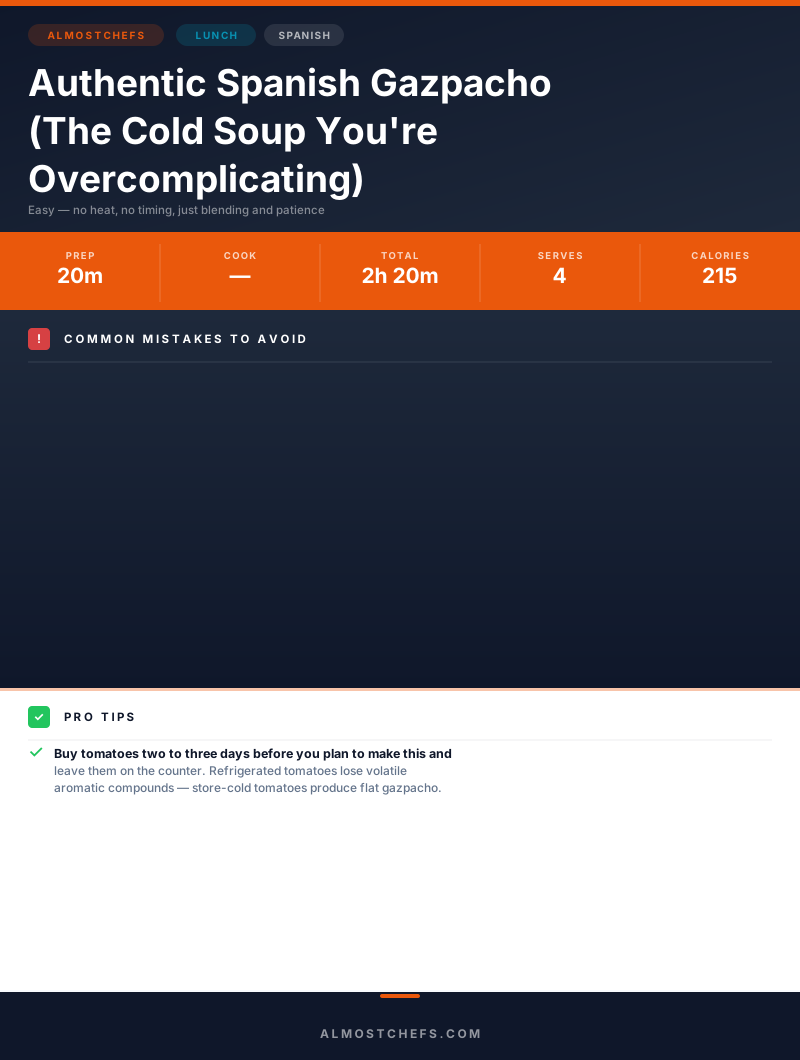
We turned everything on this page into a beautiful, flour-proof PDF cheat sheet. Print it out, stick it to your fridge, and never mess up your authentic spanish gazpacho (the cold soup you're overcomplicating) again.
*We'll email you the high-res PDF instantly. No spam, just perfectly cooked meals.
AlmostChefs Editorial Team
We translate the internet's most popular cooking videos into foolproof, beginner-friendly written recipes. We analyze multiple methods, test them in our kitchen, and engineer a single "Master Recipe" that gives you the best possible result with the least possible stress.