Creamy Garlic Mashed Potatoes (The Roasted Garlic Method)
Buttery russet potatoes mashed with oven-roasted garlic, Greek yogurt, and fresh herbs for a side dish that's richer, creamier, and more deeply flavored than anything you'd get from a box. We broke down the technique to eliminate every common mistake — watery potatoes, gluey texture, raw garlic bite — so you get perfect results every time.
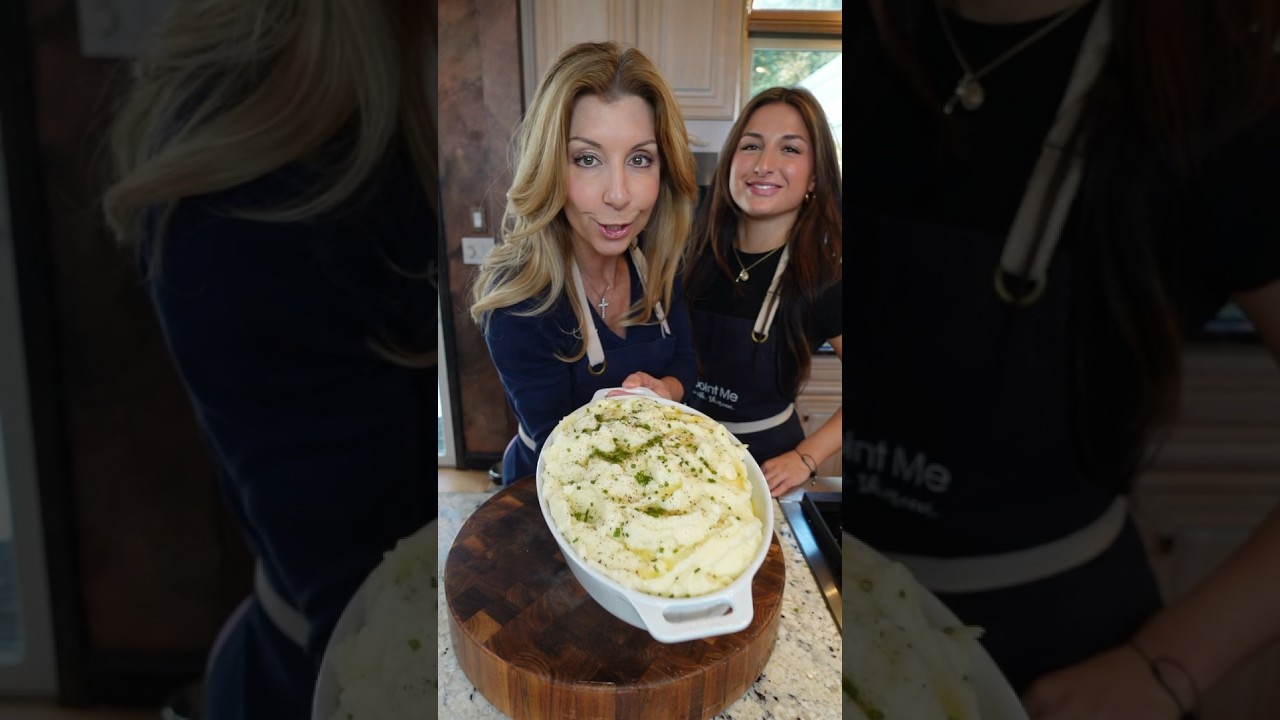
“Mashed potatoes look simple. They're not. Watery, gluey, or aggressively garlicky — most home versions fail in at least one of these three ways. The fix is straightforward: roast the garlic instead of boiling it, dry the potatoes before mashing, and use warm dairy instead of cold. Three adjustments. Completely different dish.”
Why This Recipe Works
Mashed potatoes are the most underestimated dish in the home cook's repertoire. They look simple — boil potatoes, add butter, mash — and that apparent simplicity is exactly why most versions disappoint. The failures are consistent: watery mash that slides off the fork, gluey paste that sticks to the roof of your mouth, or sharp, raw-tasting garlic that hijacks every bite. Each failure has a specific cause, and each cause has a specific fix.
The Garlic Problem
Most garlic mashed potato recipes tell you to boil garlic cloves alongside the potatoes. The result is garlic-flavored water cooked into garlic-flavored starch — sharp, one-dimensional, and aggressive. Roasting changes the chemistry entirely. At 400°F, the natural sugars in garlic undergo the Maillard reaction and caramelize, while the harsh sulfur compounds that cause the raw bite break down into gentler, sweeter aromatic molecules. What comes out of the oven isn't raw garlic at a higher temperature — it's a fundamentally different ingredient with a soft, spreadable texture and a flavor that's closer to caramelized onion than to sharp allium. Fifteen minutes in the oven is not optional.
The Starch Architecture
Russet potatoes are high-starch. That's the property that makes them ideal for mashing — when cooked, the starch granules swell, absorb moisture, and create a light, fluffy matrix. The problem is that those granules are fragile. Over-work them with a potato masher, electric beaters, or — worst of all — a food processor, and the cells rupture, releasing free amylose into the mix. Amylose is a long-chain starch molecule that creates viscous, sticky gels when agitated. This is glue. This is what you're eating when mashed potatoes coat your tongue and don't let go.
The fix: stop early. A few lumps in the mash are not failures. They're structural insurance. And never, under any circumstances, use a food processor.
The Moisture Equation
Two moisture mistakes kill mashed potatoes. The first is skipping the dry-out step. After draining, potatoes are still holding significant surface water. One minute over low heat in the same pot drives that water off as steam, concentrating potato flavor and creating a dryer base that absorbs dairy more efficiently. The second mistake is adding cold butter and milk. Cold dairy chills the starch network on contact, causing it to seize. The result is dense, heavy mash that feels like wet cement. Warm the milk. Let the butter come to room temperature. The potatoes will absorb both more readily, and the emulsion — fat, starch, liquid — will form properly.
The Greek Yogurt Advantage
Greek yogurt in mashed potatoes sounds like a wellness blog compromise. It isn't. The yogurt provides creaminess through its protein structure and fat content, but also contributes a background acidity that makes the dish taste brighter without any identifiable tang. Think of it as the function lemon juice performs in a cream sauce — not sour, just more alive. The ratio matters: two parts warm whole milk to one part Greek yogurt keeps the acidity in the supporting role where it belongs. More yogurt and the tang becomes the point, which it shouldn't be.
The starchy cooking water is the final tool most home cooks discard. It contains dissolved potato starch from the boiling process, which makes it a natural binder and texture adjuster. Adding it a tablespoon at a time loosens the mash without diluting it the way extra milk does — the starch acts as an emulsifier that keeps fat and liquid integrated. Reserve it every time.
The Finishing Logic
Fresh herbs go in last and get stirred gently, not folded aggressively. Heat destroys the volatile aromatic compounds in chives and parsley within minutes, turning their bright, grassy notes into flat, cooked-vegetable flavor. Add them after the heat is off, right before serving. The pinch of cayenne on top isn't for heat — it's for contrast, a counterpoint that keeps the richness of butter and cream from reading as heavy. A drizzle of good olive oil over the finished dish adds sheen and a subtle grassiness that signals craft without announcing itself.
This is a side dish that earns its place at the table by making everything around it taste better. That's the job. This technique does the job correctly.
Where Beginners Mess This Up
Before we start, read this. These are the 4 reasons your creamy garlic mashed potatoes (the roasted garlic method) will fail:
- 1
Using cold butter and milk: Cold dairy chills the potato starch the moment it makes contact, causing the proteins to seize and the texture to turn dense and gummy. Warm your milk and let your butter come to room temperature before they go anywhere near the potatoes. This single change eliminates most gluey mash problems.
- 2
Skipping the dry-out step: After draining, potatoes are still holding a significant amount of surface water. If you mash immediately, that water gets worked into the starch network and you get a loose, watery result. One minute over low heat in the pot after draining evaporates that excess moisture and concentrates the potato flavor.
- 3
Over-mashing the potatoes: Potato cells contain starch granules that rupture when aggressively worked. The more you mash, whip, or beat, the more starch releases, and the gluier the texture becomes. Mash until mostly smooth with a few small lumps remaining. Those lumps are not flaws — they're insurance against wallpaper paste.
- 4
Using raw garlic: Raw garlic crushed into mashed potatoes delivers a sharp, acrid bite that overpowers everything else. Roasting transforms the allicin compounds through heat into hundreds of sweeter, mellower flavor molecules. The garlic cloves come out of the oven tasting almost like a spread — spreadable, caramelized, and completely integrated into the mash.
The Video Reference Library
Want to see it in action? Here are the exact videos we analyzed and combined to build this foolproof recipe translation:
A focused, technique-forward walkthrough covering the roasted garlic method, the dry-out step, and warm dairy integration. Watch for the color cue on the garlic — that's the visual benchmark to aim for.
🛠️ Core Equipment
- Heavy-bottomed potEven heat distribution for both boiling the potatoes and the dry-out step. A thin pot scorches the bottom during the one-minute moisture evaporation step.
- Potato masherA [potato masher](/kitchen-gear/review/potato-masher) gives you direct control over texture. Electric mixers and food processors are the single fastest way to produce gluey potatoes — they rupture far too many starch cells far too quickly.
- Small baking sheetFor roasting the garlic cloves. Unpeeled cloves roast evenly on a flat surface. A ramekin works too — the key is that the cloves stay together and don't roll off into a 400°F oven.
- ColanderDrain fast and completely. Every extra second the potatoes sit in hot water, they absorb more — diluting flavor and softening the starch past its ideal point.
Creamy Garlic Mashed Potatoes (The Roasted Garlic Method)
🛒 Ingredients
- ✦2 pounds russet potatoes, peeled and cut into 2-inch cubes
- ✦8 cloves garlic, whole and unpeeled
- ✦4 tablespoons unsalted butter, at room temperature
- ✦1/2 cup whole milk, warmed
- ✦1/4 cup plain Greek yogurt
- ✦2 tablespoons extra virgin olive oil
- ✦1 teaspoon sea salt
- ✦1/2 teaspoon freshly ground black pepper
- ✦2 tablespoons fresh chives, finely chopped
- ✦1 tablespoon fresh parsley, minced
- ✦1/4 teaspoon garlic powder
- ✦Pinch of cayenne pepper
👨🍳 Instructions
01Step 1
Preheat your oven to 400°F. Toss the unpeeled garlic cloves with 1 tablespoon of olive oil on a small baking sheet.
02Step 2
Roast the garlic for 12-15 minutes until the cloves are golden and fragrant. Remove and let cool slightly, then squeeze the soft garlic from each papery skin into a small bowl.
03Step 3
Place the peeled and cubed potatoes into a large heavy-bottomed pot. Cover with cold, well-salted water by about 2 inches. Bring to a rolling boil over high heat, then reduce to medium and simmer for 12-15 minutes until fork-tender.
04Step 4
Drain the potatoes immediately and thoroughly in a colander. Reserve 1/2 cup of the starchy cooking water before draining.
05Step 5
Return the drained potatoes to the pot and place over low heat for 1 minute, stirring once, to evaporate excess surface moisture.
06Step 6
Add the room-temperature butter and roasted garlic to the warm potatoes. Mash vigorously with a potato masher until mostly smooth with a few small lumps remaining.
07Step 7
Pour in the warmed milk and Greek yogurt. Stir gently with a wooden spoon until well combined and creamy.
08Step 8
Add the reserved potato cooking water a few tablespoons at a time if needed to reach your desired consistency. The starchy water helps bind and emulsify without diluting flavor.
09Step 9
Season with sea salt, black pepper, and garlic powder. Taste and adjust.
10Step 10
Fold in the fresh chives and parsley, reserving a pinch of each for garnish.
11Step 11
Transfer to a serving dish. Top with remaining fresh herbs, a drizzle of olive oil, and a pinch of cayenne. Serve immediately.
Nutrition Per Serving
Estimates based on standard preparation. Adjustments alter macros.
🔄 Substitutions
Instead of Unsalted butter...
Use Ghee or coconut oil
Ghee adds nuttiness and handles the residual heat of the potatoes beautifully. Coconut oil works for a dairy-free version but contributes subtle sweetness — best balanced with extra black pepper.
Instead of Whole milk and Greek yogurt...
Use Cashew cream and nutritional yeast
Soak raw cashews for 4 hours, blend with water to a cream consistency. Nutritional yeast adds umami depth that approximates the savory note from dairy. Fully vegan, equally rich.
Instead of Russet potatoes...
Use Yukon Gold potatoes
Naturally buttery and waxier than russets. Produce a slightly denser, more velvety mash with less starch blowout risk. Lower glycemic index and better performance if you're worried about over-mashing.
Instead of Fresh chives and parsley...
Use Fresh dill and scallions
Dill is assertive — use about half as much as you would parsley. Scallions provide a mild onion note that plays well against roasted garlic. Brighter flavor profile overall.
🧊 Storage & Reheating
In the Fridge
Store in an airtight container for up to 3 days. Press plastic wrap directly onto the surface before sealing to prevent skin formation.
In the Freezer
Freeze in portions for up to 1 month. Texture softens slightly after thawing but remains acceptable. Thaw overnight in the fridge.
Reheating Rules
Reheat gently over low heat in a covered pot with 2-3 tablespoons of warm milk, stirring slowly until smooth. Microwave works in a pinch but unevenly — stir every 30 seconds and add a splash of milk to restore creaminess.
❓ Frequently Asked Questions
Why are my mashed potatoes gluey?
You over-mashed them or used cold dairy. Over-working ruptures potato starch cells and releases excessive amylose, which creates a gummy, paste-like texture. Use a handheld masher, stop when mostly smooth, and always warm your butter and milk before adding.
Can I make these ahead of time?
Yes. Make them up to 2 days in advance, press plastic wrap directly onto the surface, and refrigerate. Reheat slowly over low heat with a splash of warm milk. They reheat better than most people expect.
Do I have to roast the garlic, or can I just boil it with the potatoes?
You can boil garlic with the potatoes, but the result is sharper and less complex. Roasting caramelizes the natural sugars in the garlic and mellows the sulfur compounds that cause that harsh, lingering bite. The 15-minute roast is worth it.
What's the best potato for mashing?
Russets are the classic choice — high starch content produces a fluffy, light mash. Yukon Golds are the backup — naturally buttery flavor and lower starch means a denser, creamier mash that's more forgiving of slight over-mashing. Avoid waxy potatoes like red or fingerling — they turn gummy almost immediately.
Why do restaurant mashed potatoes taste better than homemade?
Two reasons: restaurants use significantly more butter than the recipe suggests (sometimes a 1:1 ratio of butter to potato by weight), and they reheat to order on a flat-top griddle that drives off excess moisture while adding a slight caramelized note. The Greek yogurt and dry-out step in this recipe close most of that gap without the caloric chaos.
Can I use a stand mixer or food processor?
Technically yes, practically no. Both appliances work the starch far beyond what produces good texture. Even 30 seconds in a food processor can take perfectly cooked potatoes from fluffy to wallpaper paste. Use a handheld masher. Control is the entire point.
The Science of
Creamy Garlic Mashed Potatoes (The Roasted Garlic Method)
We turned everything on this page into a beautiful, flour-proof PDF cheat sheet. Print it out, stick it to your fridge, and never mess up your creamy garlic mashed potatoes (the roasted garlic method) again.
*We'll email you the high-res PDF instantly. No spam, just perfectly cooked meals.
AlmostChefs Editorial Team
We translate the internet's most popular cooking videos into foolproof, beginner-friendly written recipes. We analyze multiple methods, test them in our kitchen, and engineer a single "Master Recipe" that gives you the best possible result with the least possible stress.