Garlic Butter Steak Bites (Restaurant Quality in 20 Minutes)
Tender, bite-sized beef seared to a golden crust, tossed in garlic butter with fresh herbs, and served alongside a creamy cottage cheese dip that pushes the protein count to 48g per serving. We broke down exactly why most home cooks get a gray, steamed mess instead of a proper sear — and fixed every step.
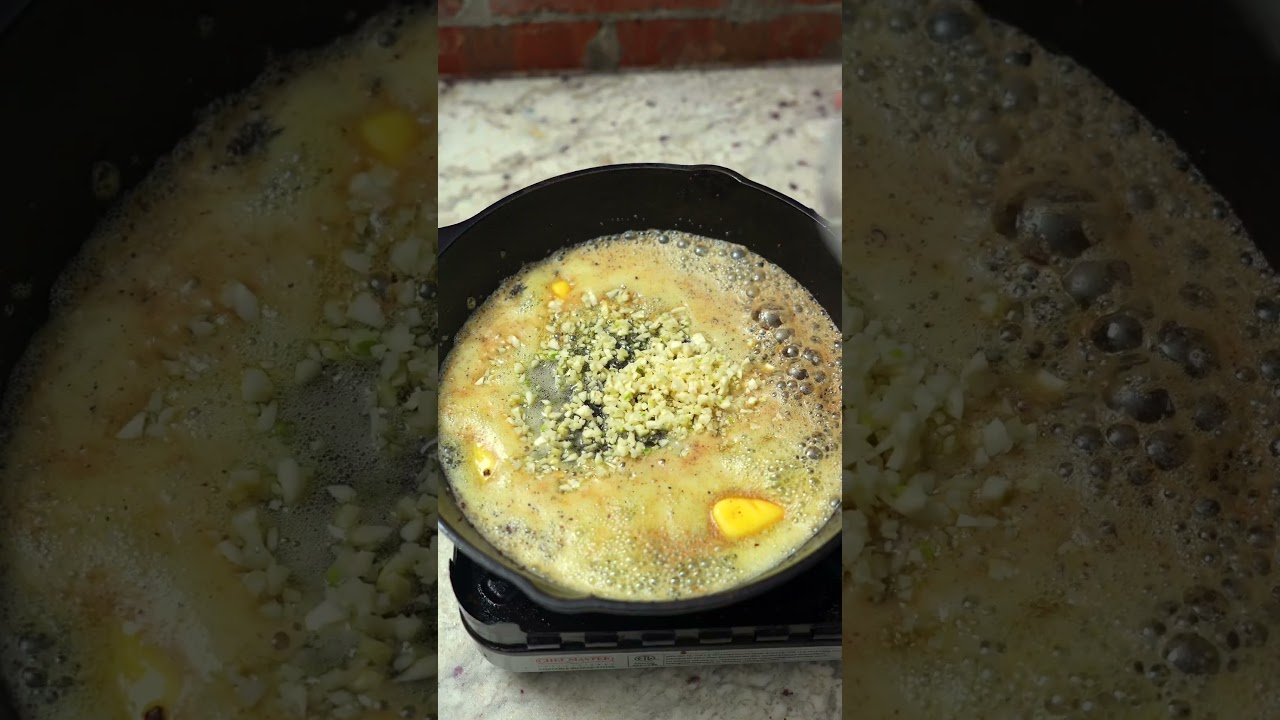
“Garlic butter steak bites look simple enough that most people improvise them. That's why most people end up with rubbery gray cubes swimming in a pale, watery sauce instead of the golden-crusted, deeply savory bites they were going for. The problem is almost never the cut of beef. It's almost always moisture, overcrowding, and impatience. Fix those three things and you've got a 20-minute dinner that tastes like it came off a restaurant flat-top.”
Why This Recipe Works
Garlic butter steak bites sit at the intersection of weeknight convenience and proper cooking technique — which is exactly why they go wrong so often. The concept is deceptively simple: hot pan, seasoned beef, butter, garlic, herbs. But simple techniques have no margin for error. Every shortcut shows up directly on the plate.
The Sear Is Everything
The entire character of this dish — the golden crust, the savory depth, the texture contrast between exterior and interior — depends on a single chemical reaction happening properly. The Maillard reaction requires high heat and a dry surface. Violate either condition and you get steamed meat, which looks gray, smells flat, and feels soft in a bad way.
The dry surface part is non-negotiable. Beef released from packaging has visible surface moisture. Even beef that looks dry has a thin layer of liquid protein that will steam before the sear can happen. Paper towels and one minute of attention fix this completely. The hot pan part is equally non-negotiable. Oil should be shimmering and just beginning to smoke before the steak goes in. A flick of water should crack and evaporate instantly. If it sizzles gently and steams, the pan isn't ready.
The batch rule exists for the same reason. Adding too many cubes at once drops the pan temperature and each piece releases moisture that floods the surface. You can't sear in steam. Two batches in a cast iron skillet will always outperform one batch in a thin nonstick at any temperature.
Building the Sauce From What's Already There
After both searing batches come out, the pan looks like a problem — browned bits stuck everywhere, a thin film of dark residue. That residue is pure flavor. It's called fond, and it's the concentrated result of Maillard reactions from the beef proteins and fat. The moment you add beef broth to the hot pan and scrape with a wooden spoon, all of it dissolves into the liquid and becomes the sauce.
This is why deglazing exists. The water in the broth loosens the fond and pulls it back into suspension. Without this step, you scrub it off when you do the dishes and throw it away. With it, every bite of steak carries the accumulated flavor of the entire sear. The lemon juice added with the broth serves double duty: it brightens the sauce and its acidity balances the fat from the butter.
The Garlic Timing Problem
Minced garlic is the most volatile ingredient in this recipe. At the temperatures you're working with — residual heat from the sear, medium heat with foaming butter — garlic moves from raw to toasted to burnt in about 90 seconds total. You have a window of roughly 30-45 seconds to get it right. Constant stirring during this window ensures even heat distribution. The moment it turns light golden and the kitchen smells like toasted garlic (not raw garlic), liquid goes in. This stops the cooking immediately.
Most garlic butter sauce failures trace back to this step. People add the garlic, walk away to get something from the fridge, come back to black bits in butter, and try to cook through it. You can't. Bitter garlic compounds are heat-stable — they don't mellow out with more cooking. Wipe the pan and start over. It takes three minutes and it's the only correct answer.
The Cottage Cheese Dip
Cottage cheese has a reputation it doesn't entirely deserve, mostly because people encounter it cold from the container in lumpy, watery form. Run it through a food processor for 60 seconds and it becomes something unrecognizable — thick, creamy, tangy, with a texture closer to labneh than anything you'd put in a fruit cup. The Greek yogurt loosens the consistency slightly and adds more tang. The Dijon pushes it into firmly savory territory.
The dip serves a structural purpose on the plate beyond protein count. The steak bites are rich, buttery, and intense. The dip is cold, acidic, and creamy. Together they function like any good sauce-protein pairing — each element makes the other more interesting. The contrast in temperature alone changes how you taste the beef.
Make the dip before you start the steak. It takes two minutes with a food processor and improves if it sits in the fridge for 10 minutes before serving. Then build your garlic butter sauce and serve everything immediately — this dish does not wait well.
Where Beginners Mess This Up
Before we start, read this. These are the 4 reasons your garlic butter steak bites (restaurant quality in 20 minutes) will fail:
- 1
Skipping the pat-dry step: Steak cubes pulled straight from the fridge or packaging carry surface moisture. When that moisture hits a hot pan, it immediately steams the meat instead of searing it. You need a dry surface for the Maillard reaction to happen. Paper towels and 30 seconds of attention make the entire difference between a golden crust and a gray disappointment.
- 2
Overcrowding the pan: Adding all the steak at once drops the pan temperature dramatically and floods the surface with released moisture. The cubes end up steaming each other. Work in two batches — give each piece space, and the pan temperature stays high enough to produce a proper crust on every side.
- 3
Burning the garlic: Minced garlic goes from golden to bitter in under a minute. After you add it to the butter, 30-45 seconds of constant stirring is all it gets. The moment it turns light golden and fragrant, you're adding liquid. Browned garlic ruins the sauce and there's no fixing it.
- 4
Skipping the pan sauce: The browned bits stuck to the bottom of the pan after searing — called fond — are concentrated beef flavor. The beef broth deglazes the pan and dissolves all of it into the sauce. Skipping this step leaves the best part of the dish on the pan.
The Video Reference Library
Want to see it in action? Here are the exact videos we analyzed and combined to build this foolproof recipe translation:
The source video for this recipe. Clear technique walkthrough covering the dry-sear method, batch cooking, and the garlic butter sauce build.
🛠️ Core Equipment
- Large heavy-bottomed skillet or cast iron panNeeds to hold high heat across a wide surface so both batches sear properly. A [cast iron skillet](/kitchen-gear/review/cast-iron-skillet) retains and distributes heat better than thin stainless or nonstick. Nonstick pans can't handle the sustained temperature needed for a proper crust.
- Food processor or high-powered blenderFor the cottage cheese dip. Cottage cheese has a lumpy curd texture that doesn't smooth out by stirring. A food processor blends it into a genuinely creamy consistency. Without it, the dip feels grainy.
- Paper towelsNon-negotiable for patting the steak completely dry before searing. This is the single highest-leverage prep step in the entire recipe.
- Wooden spoon or silicone spatulaFor scraping the fond off the bottom of the pan when you deglaze with broth. Metal utensils can work but risk scratching seasoned cast iron.
Garlic Butter Steak Bites (Restaurant Quality in 20 Minutes)
🛒 Ingredients
- ✦1.5 lbs beef sirloin or ribeye steak, cut into 1-inch cubes
- ✦3 tablespoons unsalted butter, divided
- ✦6 cloves garlic, minced
- ✦1 cup full-fat cottage cheese
- ✦1/2 cup plain Greek yogurt
- ✦2 tablespoons fresh parsley, finely chopped
- ✦1 tablespoon fresh thyme leaves
- ✦1 teaspoon Dijon mustard
- ✦1/2 teaspoon smoked paprika
- ✦Sea salt and cracked black pepper to taste
- ✦2 tablespoons avocado oil or olive oil
- ✦1/2 cup beef broth
- ✦1 tablespoon fresh lemon juice
- ✦2 green onions, thinly sliced
- ✦Red pepper flakes for garnish (optional)
👨🍳 Instructions
01Step 1
Pat the steak cubes completely dry with paper towels on all sides, then season generously with sea salt and cracked black pepper.
02Step 2
Heat avocado oil in a large skillet over medium-high heat until shimmering and just beginning to smoke, about 2 minutes.
03Step 3
Working in two batches to avoid overcrowding, sear the steak cubes for 2-3 minutes per side until a deep golden-brown crust forms. Transfer each batch to a clean plate and do not cover.
04Step 4
Reduce heat to medium. Add 1.5 tablespoons of butter to the same skillet and swirl until melted and foaming.
05Step 5
Add the minced garlic and cook for 30-45 seconds, stirring constantly, until fragrant and light golden. Watch it closely.
06Step 6
Pour in the beef broth and fresh lemon juice. Scrape up all the browned bits from the pan bottom with a wooden spoon — this is the fond and it's the backbone of the sauce.
07Step 7
Return all steak cubes to the skillet and toss to coat in the garlic-butter sauce. Cook for 2-3 minutes until heated through.
08Step 8
Stir in the remaining 1.5 tablespoons of butter, fresh thyme, and smoked paprika. Remove from heat.
09Step 9
While the steak finishes, combine cottage cheese, Greek yogurt, Dijon mustard, and half the fresh parsley in a food processor. Blend until completely smooth, about 1 minute.
10Step 10
Season the dip with salt and pepper. Transfer to a serving bowl and top with the remaining parsley and red pepper flakes.
11Step 11
Plate the steak bites on a serving platter, drizzle with remaining pan sauce, and scatter the sliced green onions over the top. Serve immediately with the cottage cheese dip alongside.
Nutrition Per Serving
Estimates based on standard preparation. Adjustments alter macros.
🔄 Substitutions
Instead of Beef sirloin or ribeye...
Use Grass-fed beef tenderloin or bison steak cubes
Bison runs leaner with higher omega-3s — expect a slightly less fatty bite. Tenderloin is more tender but more expensive per pound. Both work with the same technique.
Instead of Avocado oil...
Use Ghee or clarified butter
Ghee has a higher smoke point than regular butter and adds a nutty, rich flavor that deepens the garlic butter sauce. It's the restaurant version of this step.
Instead of Cottage cheese and Greek yogurt dip...
Use Whipped cream cheese (8 oz) mixed with 1/2 cup Greek yogurt
Richer, more luxurious texture and higher in calories. Blend it the same way. Skip the food processor and you can stir it together by hand.
Instead of Beef broth...
Use Bone broth
Adds 2-3g of collagen protein per serving and a deeper, more gelatin-rich body to the pan sauce. Use it if you have it — the sauce thickens more naturally.
🧊 Storage & Reheating
In the Fridge
Store steak bites and dip separately in airtight containers for up to 3 days. Keep them separate or the dip gets warm and the steak gets soggy.
In the Freezer
Steak bites freeze well for up to 2 months. The cottage cheese dip does not freeze — the texture breaks completely on thaw.
Reheating Rules
Reheat steak bites in a hot skillet for 2-3 minutes with a small splash of broth to revive the sauce. Microwave works but destroys any remaining crust. The dip is served cold — pull it from the fridge 10 minutes before serving.
❓ Frequently Asked Questions
Why are my steak bites gray instead of brown?
Two reasons, usually both at once: the pan wasn't hot enough before the steak went in, and you overcrowded it. Both problems cause the same result — the steak steams in its own released moisture instead of searing. Use a ripping hot pan, work in batches, and pat the meat completely dry before it hits the oil.
Can I use a different cut of beef?
Yes. Sirloin and ribeye are ideal because their fat content supports a good crust. Tenderloin works and is more tender but more expensive. Avoid lean cuts like flank or skirt steak — cut into cubes, they dry out too fast in high heat.
Does the cottage cheese dip actually taste good?
Blended cottage cheese tastes nothing like cottage cheese from the container. The food processor removes all the curd texture and turns it into something closer to a thick, tangy cream sauce. The Dijon and parsley push it firmly into savory territory. Most people can't identify the base ingredient when they taste it.
Can I make this ahead for meal prep?
The dip is excellent made ahead — up to 2 days in the fridge. The steak bites are best cooked fresh because the crust softens over time. If you're meal prepping, cook the steak bites and store them without the sauce, then reheat in a hot pan and add a fresh knob of butter and garlic to rebuild it.
My garlic burned — can I save the dish?
No. Burnt garlic permeates the entire sauce with bitterness and there is no correcting it. Wipe the pan, start the butter and garlic step over. It adds 3 minutes and saves the dish. Never try to cook through burnt garlic hoping it smooths out — it doesn't.
What should I serve this with to make it a full meal?
Roasted broccoli, garlic mashed cauliflower, or a simple arugula salad with lemon dressing. The dish itself is rich and protein-dense — the side should be something light and slightly bitter to balance it. Avoid starchy sides like pasta or rice, which compound the richness without adding anything.

The Science of
Garlic Butter Steak Bites (Restaurant Quality in 20 Minutes)
We turned everything on this page into a beautiful, flour-proof PDF cheat sheet. Print it out, stick it to your fridge, and never mess up your garlic butter steak bites (restaurant quality in 20 minutes) again.
*We'll email you the high-res PDF instantly. No spam, just perfectly cooked meals.
AlmostChefs Editorial Team
We translate the internet's most popular cooking videos into foolproof, beginner-friendly written recipes. We analyze multiple methods, test them in our kitchen, and engineer a single "Master Recipe" that gives you the best possible result with the least possible stress.