Garlic Butter Pasta (The 20-Minute Weeknight Weapon)
A silky, intensely garlicky pasta built on browned butter, starchy pasta water, and Parmesan — no cream, no shortcuts. We broke down the technique that makes this a restaurant-quality dish in under 20 minutes.
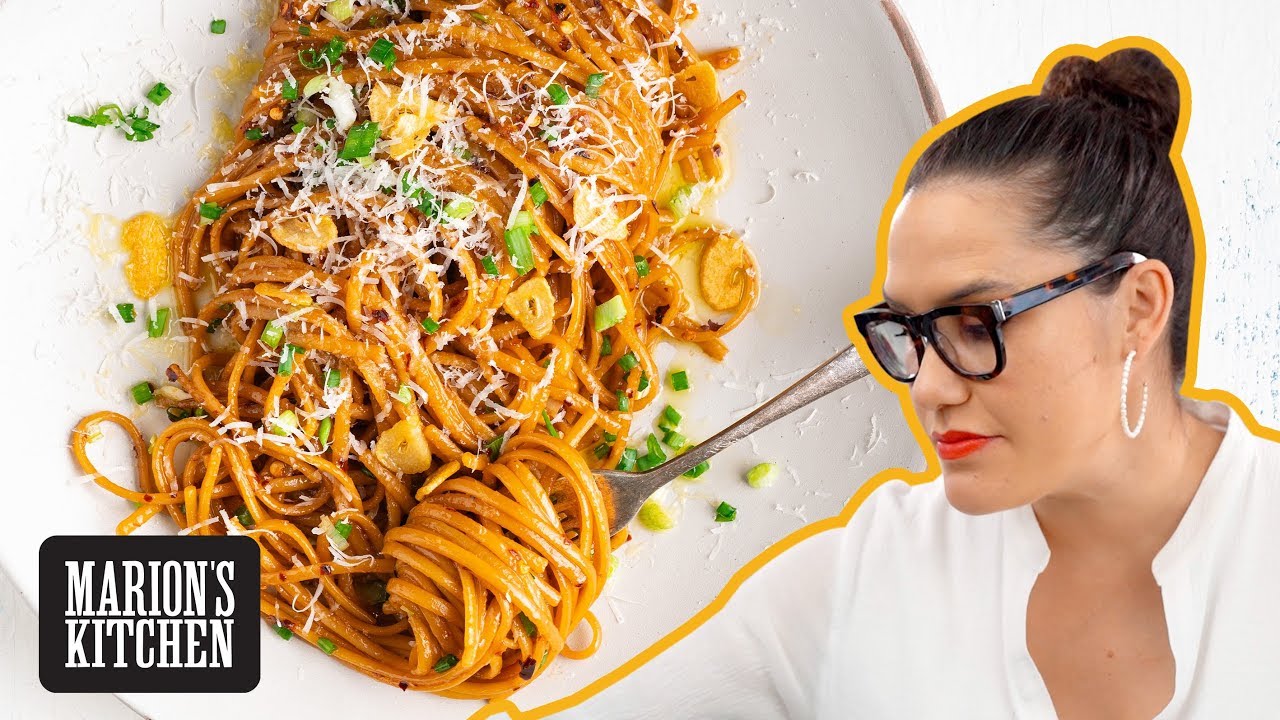
“Garlic butter pasta sounds like a cop-out dinner. It is not. Done correctly, it produces a glossy, cohesive sauce that coats every strand of pasta and hits every note — rich, sharp, savory, faintly sweet. Done incorrectly, it produces greasy noodles with raw garlic floating on top. The difference is almost entirely about heat control and pasta water, two things most recipes gloss over entirely.”
Why This Recipe Works
Garlic butter pasta is the most disrespected dish in the home cook's repertoire. It gets filed under "nothing in the fridge" dinners, made in a panic with whatever's left in the pantry, and served apologetically to people who expected something more. This is wrong. Garlic butter pasta, executed correctly, is one of the most technically revealing dishes you can make — because it has no hiding places. No sauce, no protein, no competing flavors to cover up mistakes. Just butter, garlic, starch, and heat. Get those right, and the result is better than most pasta dishes that take three times as long.
The Emulsion Problem
The central challenge of garlic butter pasta is not cooking garlic without burning it, though that matters too. The central challenge is building a sauce — a real, cohesive, glossy sauce — out of fat and starchy water. These are two things that do not naturally want to combine. Butter is lipophilic. Water is hydrophilic. Left to their own devices, they separate. Your job is to force them together and keep them together through continuous agitation and controlled temperature.
Pasta water is the key ingredient most home cooks discard without thinking. When pasta boils, it releases significant amounts of starch into the water — the same starch that acts as an emulsifier in the final sauce. This is why pasta water, not tap water, is the correct liquid to use when building the sauce. A splash of tap water added to butter produces a greasy pan. A splash of pasta water produces a sauce. The difference is entirely the starch content.
The technique is called mounting — adding cold butter in small increments while tossing constantly, allowing each piece to emulsify into the starchy liquid before adding the next. A wide, heavy-bottomed skillet is essential here. The surface area lets you toss the pasta in large, sweeping motions that keep every strand moving through the sauce simultaneously. A narrow pot traps the pasta, preventing even coating and causing the bottom strands to sit in pooling fat while the top stays dry.
Why Garlic Slices Beat Minced
Minced garlic is correct for dishes where garlic disappears into a longer-cooked sauce — braises, tomato sauces, soups. In garlic butter pasta, the garlic is the dish. You want to see it, taste it as a distinct element, and experience the textural contrast of a golden slice against the soft pasta. Minced garlic, at the heat required to cook pasta, turns from raw to burnt in under 90 seconds. Slices give you a wider window: three to four minutes of gentle sautéing over medium-low heat, during which the sharp allicin compounds mellow and sweeten while the sugars in the garlic begin to caramelize lightly.
The heat control cannot be overstated. Medium-low is not a preference — it is a requirement. Garlic burns at approximately 325°F (163°C), and a pan over medium heat reaches that temperature in the center within two minutes. The skillet should never be so hot that the garlic sizzles aggressively. A gentle, quiet hiss is what you're listening for. If it's loud, pull the pan off the heat.
The Brown Butter Variable
Standard garlic butter pasta is good. Garlic brown butter pasta is significantly better. The difference is the Maillard reaction applied to the milk solids in butter — at sustained heat above 250°F, those solids turn from pale yellow to amber and develop compounds with flavors of hazelnut, caramel, and toasted grain. The aroma shift is unmistakable. Brown butter smells like a pastry shop. Plain melted butter smells like butter.
The technique: cook four of the six tablespoons of butter in the dry skillet over medium heat, swirling occasionally, until the foam subsides and the sediment at the bottom turns amber — about four to five minutes. Remove from heat immediately at this point, because it will continue cooking from residual pan heat. Add the remaining fresh butter to stop the cooking and give you the sauce-building fat you need. This split approach — some browned, some fresh — gives you the flavor depth of brown butter without the reduction in emulsifying capacity that comes from fully browning all of it.
Acid as the Finishing Move
A pasta dish built on butter and starch needs acid to keep it from tasting flat. Lemon juice — just a tablespoon — added off heat right before plating is the difference between a bowl that tastes rich and a bowl that tastes heavy. It does not make the dish taste like lemon. It makes the other flavors sharper and more distinct. The zest, added alongside, contributes aromatic citrus oils without additional acid. Together they do the work that wine does in longer-cooked pasta sauces: they provide the brightness that makes richness feel balanced rather than oppressive.
This is the dish that teaches you how to cook. Every technique here — heat control, emulsification, acid balance, the role of starchy liquid — transfers directly to more complex recipes. Master garlic butter pasta and you understand how sauces work at a fundamental level.
Where Beginners Mess This Up
Before we start, read this. These are the 4 reasons your garlic butter pasta (the 20-minute weeknight weapon) will fail:
- 1
Burning the garlic: Garlic goes from fragrant to acrid in under 30 seconds at high heat. The fat must be on medium-low when you add the garlic — not medium, not medium-high, not 'just a quick sizzle.' Burnt garlic cannot be saved. It will make your entire dish taste bitter, and no amount of Parmesan will cover it.
- 2
Using too little pasta water: Pasta water is the emulsifier that transforms butter and Parmesan from two separate things into a unified sauce. Without it, you get greasy, broken fat on top and naked noodles underneath. Reserve at least a full cup before you drain and use it aggressively — a splash at a time — while tossing.
- 3
Adding cold butter all at once: Cold butter added in a chunk will not emulsify — it will melt into a pool of grease. Add butter in small pieces, one or two at a time, letting each piece melt and incorporate before adding the next. This is called mounting butter, and it is the difference between a sauce and an oil slick.
- 4
Overcooking the pasta before saucing: The pasta should be one minute shy of al dente when you pull it from the boiling water. It finishes cooking in the pan with the butter sauce. If you cook it to fully done before saucing, the final dish will be soft and the starch will not bond properly with the butter.
The Video Reference Library
Want to see it in action? Here are the exact videos we analyzed and combined to build this foolproof recipe translation:
The source video for this technique. Pay close attention to the heat level when the garlic hits the pan and how aggressively the pasta water is incorporated during tossing.
Deep dive into the browning stage and how to read the color and aroma of butter before it crosses from nutty to burnt. Essential viewing if you've struggled with consistency.
Why starchy pasta water is the most underutilized ingredient in home cooking — and how it works chemically to emulsify fat-based sauces without cream or eggs.
🛠️ Core Equipment
- Wide, heavy-bottomed skilletYou need surface area to toss the pasta and emulsify the sauce. A narrow saucepan traps steam and creates uneven coating. A 12-inch stainless or carbon steel skillet is ideal.
- Large pasta potAt least 4 quarts of water per pound of pasta. Crowded water drops temperature when pasta is added, slows cooking, and produces less starchy water. Volume matters.
- Microplane or fine graterPre-shredded Parmesan will not melt properly — it contains anti-caking agents that make the sauce grainy. A microplane produces ultra-fine shreds that dissolve instantly into the hot butter sauce.
- Tongs or pasta forkYou need to toss the pasta continuously while adding butter and water. Tongs give you control over individual strands. A wooden spoon pushes pasta around; tongs lift and fold it through the sauce.
Garlic Butter Pasta (The 20-Minute Weeknight Weapon)
🛒 Ingredients
- ✦1 pound spaghetti or linguine
- ✦6 tablespoons unsalted butter, cut into small cubes
- ✦8 cloves garlic, thinly sliced
- ✦1/2 teaspoon red pepper flakes
- ✦1 cup reserved pasta water, plus more as needed
- ✦1 cup finely grated Parmesan cheese, divided
- ✦3 tablespoons fresh flat-leaf parsley, finely chopped
- ✦1 tablespoon fresh lemon juice
- ✦1 teaspoon lemon zest
- ✦Kosher salt, to taste
- ✦Freshly cracked black pepper, to taste
- ✦Extra-virgin olive oil, for finishing
👨🍳 Instructions
01Step 1
Bring a large pot of water to a rolling boil. Salt it aggressively — it should taste like mild seawater. Add the pasta and cook until 1 minute shy of the package's al dente time.
02Step 2
About 2 minutes before draining, ladle out at least 1 full cup of pasta water and set aside. This water is hot, starchy, and critical — do not forget this step.
03Step 3
While the pasta cooks, place a wide skillet over medium-low heat. Add 2 tablespoons of the butter and let it melt slowly. Once melted, add the sliced garlic and red pepper flakes.
04Step 4
Sauté the garlic for 3-4 minutes, stirring frequently, until it is pale golden and fragrant. Do not let it go darker than light gold. Remove the pan from heat if needed to slow cooking.
05Step 5
Add a splash (about 1/4 cup) of the reserved pasta water to the skillet. It will spatter — this is normal. Return to medium-low heat and let it reduce by half, about 1 minute.
06Step 6
Using tongs, transfer the pasta directly from the pot to the skillet. Do not shake off excess water — some clinging water is good. Add half the remaining butter cubes.
07Step 7
Toss the pasta continuously while adding butter cubes one or two at a time, letting each piece melt and emulsify before adding the next. Add splashes of pasta water as needed to keep the sauce loose and glossy.
08Step 8
Remove from heat. Add half the Parmesan, tossing vigorously to melt it into the sauce without clumping. Add lemon juice, lemon zest, and a final splash of pasta water if the sauce looks tight.
09Step 9
Taste and adjust salt. Plate immediately, topping with the remaining Parmesan, chopped parsley, cracked black pepper, and a drizzle of extra-virgin olive oil.
Nutrition Per Serving
Estimates based on standard preparation. Adjustments alter macros.
🔄 Substitutions
Instead of Unsalted butter...
Use Vegan butter (Miyoko's or Violife)
Performs nearly identically in emulsification. Slightly less depth on the browning stage but still produces a cohesive sauce. Use the same technique.
Instead of Parmesan...
Use Pecorino Romano
Saltier and more aggressive than Parmesan. Use slightly less — about 3/4 cup — and taste before adding the final portion. Adds a sharper, funkier edge.
Instead of Spaghetti...
Use Bucatini or linguine
Bucatini holds butter sauces exceptionally well due to its hollow core. Linguine is slightly more forgiving than spaghetti for home cooks. Avoid penne or rigatoni — this sauce needs long strands to coat properly.
Instead of Fresh parsley...
Use Fresh basil or chives
Basil adds a sweeter, more aromatic note. Chives add mild onion flavor. Both work. Dried parsley does not — it adds nothing.
🧊 Storage & Reheating
In the Fridge
Store in an airtight container for up to 2 days. The sauce will absorb into the pasta overnight.
In the Freezer
Not recommended. Butter-based pasta sauces break on freezing and thawing — the emulsion separates and the texture becomes oily and unpleasant.
Reheating Rules
Add the pasta to a skillet over medium-low heat with a splash of water or chicken stock. Toss continuously until the sauce re-emulsifies and the pasta is heated through. The microwave dries the pasta and breaks the sauce.
❓ Frequently Asked Questions
Why is my sauce greasy and not creamy?
The emulsion broke. This happens when the heat is too high, the butter was added too fast, or there wasn't enough pasta water. Fix it: add a splash of hot pasta water and toss vigorously off heat. The starch in the water will re-bind the fat.
Can I use garlic powder instead of fresh garlic?
You can, but the dish loses its defining characteristic. Garlic powder provides background flavor; sliced fresh garlic provides the visible golden bits and the sharp-sweet aroma that makes this pasta worth making. If you're out of fresh garlic, this is the wrong night for this dish.
How do I keep the pasta from clumping while I prep the sauce?
Don't drain the pasta until the sauce is ready. The water keeps the pasta from sticking. If there's a timing gap, toss the drained pasta with a tiny drizzle of olive oil — but only as a last resort. Oil coats the strands and reduces how much sauce they absorb.
Can I add protein to this?
Yes. Sautéed shrimp (2-3 minutes per side in butter before the garlic), crispy pancetta (rendered before the garlic step), or rotisserie chicken shredded in at the end all work well. Add proteins after the garlic is done to avoid overcooking them.
Why does restaurant garlic butter pasta taste richer than mine?
Two reasons. First, restaurants use significantly more butter than recipes print — often double. Second, they finish with a mount of cold butter off heat that home cooks skip. The cold fat creates a thicker, glossier emulsion. Add that final tablespoon of cold butter and the difference is immediate.
Do I need lemon juice?
Yes. Butter is rich and flat without acid. The lemon juice doesn't make it taste lemony — it makes it taste brighter and more alive. A dish this simple lives and dies on balance, and lemon is the thing that keeps it from feeling heavy.

The Science of
Garlic Butter Pasta (The 20-Minute Weeknight Weapon)
We turned everything on this page into a beautiful, flour-proof PDF cheat sheet. Print it out, stick it to your fridge, and never mess up your garlic butter pasta (the 20-minute weeknight weapon) again.
*We'll email you the high-res PDF instantly. No spam, just perfectly cooked meals.
AlmostChefs Editorial Team
We translate the internet's most popular cooking videos into foolproof, beginner-friendly written recipes. We analyze multiple methods, test them in our kitchen, and engineer a single "Master Recipe" that gives you the best possible result with the least possible stress.