Muscle-Building Full Day of Eating (Stop Guessing, Start Growing)
A structured full day of eating designed around muscle building — real meals, real timing, and the macros that actually move the needle. We broke down the most-watched fitness nutrition content to give you one repeatable daily framework that works.
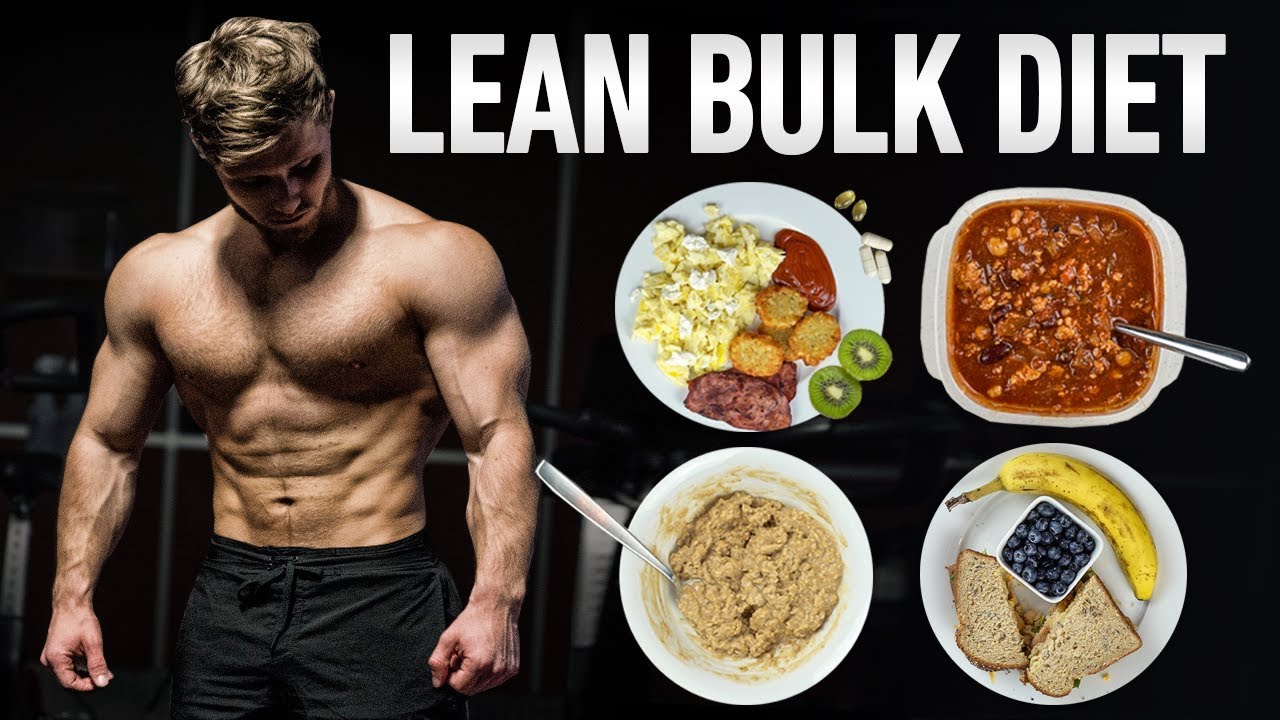
“Most people trying to build muscle are either under-eating protein, over-eating garbage, or doing both on alternating days. A full day of eating laid out start to finish removes the guesswork. These are real, repeatable meals — not Instagram macros — built around the timing and food quality that actually support consistent muscle growth.”
Why This Recipe Works
Building muscle is not complicated. It is, however, unforgiving of inconsistency — and inconsistency almost always comes from the same source: not having a concrete, repeatable daily eating structure. This full day of eating is not a diet plan. It is an engineering blueprint for giving your body what it needs, when it needs it, in amounts that actually move the needle.
The Protein Distribution Problem
Most people who struggle to build muscle are not failing in the gym. They are failing at the table — specifically, they are front-loading calories and back-loading protein in ways that are physiologically inefficient. Muscle protein synthesis (MPS) is not a bathtub you fill over the course of a day. It is a series of discrete responses triggered by individual meals. A single 90g protein dinner does not compensate for three low-protein meals earlier in the day. Each meal that fails to hit roughly 30-40g of protein is a missed anabolic signal.
This is why the structure of this day matters as much as the totals. Breakfast anchors 35-40g of protein within the first hour of waking. Lunch — timed as a pre-workout meal — delivers another 45-50g alongside the fast carbohydrates needed to fuel training. The post-workout shake closes the anabolic window immediately. Dinner provides the largest macronutrient volume of the day. And the pre-sleep snack — cottage cheese and Greek yogurt — delivers a slow-release casein infusion that sustains MPS for 6-8 hours of overnight recovery.
Carbohydrate Timing Is Not Optional
Fitness culture spent a decade demonizing carbohydrates, and the casualties were everywhere: flat muscles, poor training performance, and metabolic adaptation that left athletes leaner but also weaker. Carbohydrates are not the enemy. Poorly timed carbohydrates are inefficient. The distinction matters enormously.
White rice at lunch exists for a specific reason: it digests rapidly, raising blood glucose and replenishing liver glycogen before training. Sweet potato at dinner exists for the opposite reason: its complex fiber structure slows glucose release, providing a sustained energy substrate through the overnight fast. Both are correct choices in their context. Swapping them — having slow carbs before training and fast carbs at dinner — is a meaningful optimization error that compounds over weeks of training.
The Sleep Nutrition Gap
Overnight recovery is when muscle tissue is repaired and remodeled in response to training stress. Your body does not pause this process because food has stopped coming in — it simply draws from available amino acid pools. If those pools are empty or shallow at bedtime, recovery is compromised regardless of how well you trained or how early you went to sleep.
Cottage cheese is one of the single most underrated foods in athletic nutrition. It is cheap, widely available, requires no preparation, and contains casein protein at levels that rival purpose-formulated slow-release protein supplements. A single cup provides roughly 25-28g of protein that digests over 6-8 hours. Combined with Greek yogurt — which adds additional casein plus live cultures that support gut health — the pre-sleep snack becomes a functional recovery tool, not just a late-night indulgence.
Why Simple Meals Beat Elaborate Ones
A full day of eating that requires two hours of cooking every day is not sustainable. Sustainability is the entire game when it comes to body composition. The meals in this framework are deliberately simple: scrambled eggs, rice and chicken, a protein shake, ground beef with sweet potato, cottage cheese. None of them require culinary skill. All of them can be prepped in large batches with a digital kitchen scale and a few airtight containers on a Sunday afternoon.
The discipline is not in the cooking. It is in showing up to every single meal with the same foods, in roughly the same amounts, day after day, week after week. Muscle is built in months and years. The athletes who make the most consistent progress are not the ones with the most sophisticated nutrition plans — they are the ones who execute a straightforward plan without deviation.
Adjusting for Your Actual Bodyweight
Three thousand one hundred calories and 240g of protein is a reference framework, not a prescription. A 150-pound person with a desk job and four training sessions per week needs a different total than a 220-pound person who trains daily and coaches on their feet. The adjustment protocol is simple: weigh yourself every morning for two weeks, take the average, and adjust total calories up or down by 200 depending on whether the trend line is moving in the right direction. Keep protein at 0.8-1g per pound of bodyweight as your anchor — everything else is carbohydrates and fats filling in the remaining calorie budget.
Where Beginners Mess This Up
Before we start, read this. These are the 4 reasons your muscle-building full day of eating (stop guessing, start growing) will fail:
- 1
Skipping the morning protein window: Muscle protein synthesis is primed after sleep. Going 3-4 hours before your first protein source blunts this window. A fast-digesting protein source within 30-60 minutes of waking — eggs, Greek yogurt, or a shake — sets the anabolic tone for the entire day.
- 2
Under-eating carbs around training: Carbs are muscle fuel. Cutting them pre-workout to stay lean is a false economy — you train harder, recover faster, and build more muscle when glycogen stores are topped off before you touch a barbell. Fear of carbs costs gains.
- 3
Inconsistent total calorie intake day to day: Muscle building is a slow process that rewards consistency. Eating 3,500 calories on Monday and 1,800 on Tuesday because you were busy doesn't average out — your body adapts to the average, which means slow progress at best and spinning wheels at worst.
- 4
Not enough volume at dinner: Overnight is your longest fast. Hitting a substantial protein and slow-digesting carbohydrate meal at dinner — not a light snack — ensures your muscles have amino acid availability throughout sleep. Casein-rich foods like cottage cheese or Greek yogurt at night are especially effective.
The Video Reference Library
Want to see it in action? Here are the exact videos we analyzed and combined to build this foolproof recipe translation:
The source video — a detailed walkthrough of real daily eating habits structured around muscle growth, covering meal timing, food choices, and mindset around consistency.
A practical guide to batch cooking proteins and carbs so that every meal during the week is already done. Covers rice, chicken, and egg prep for 5-day blocks.
Evidence-based breakdown of protein targets, meal timing, and the most common dietary mistakes that stall muscle growth even when training is on point.
🛠️ Core Equipment
- Meal prep containers (glass, airtight)Prepping 2-3 meals at once is the difference between hitting your macros and raiding the pantry at 11pm. Glass containers reheat evenly and don't leach chemicals into food the way cheap plastic does.
- Digital kitchen scaleEyeballing chicken and rice portions is how you drift 400 calories off your target without realizing it. A scale takes 5 seconds and removes the single biggest variable in nutrition tracking.
- Non-stick skilletEggs, chicken, and lean proteins cook cleanly in a quality [non-stick pan](/kitchen-gear/review/non-stick-skillet) without added fat. You control the calories; the pan handles the rest.
- Blender or shaker bottlePost-workout protein needs to absorb fast. A blender or [shaker bottle](/kitchen-gear/review/shaker-bottle) makes liquid nutrition fast enough to actually use on training days when you're not in the mood to cook.
Muscle-Building Full Day of Eating (Stop Guessing, Start Growing)
🛒 Ingredients
- ✦5 large eggs
- ✦1 cup rolled oats
- ✦1 cup whole milk
- ✦1 tablespoon honey
- ✦1/2 cup blueberries
- ✦8 oz boneless skinless chicken breast
- ✦1.5 cups cooked white rice
- ✦2 cups mixed greens
- ✦1 tablespoon olive oil
- ✦1 tablespoon low-sodium soy sauce
- ✦1 scoop whey protein powder (vanilla or unflavored)
- ✦1 medium banana
- ✦1 tablespoon natural peanut butter
- ✦8 oz 93% lean ground beef
- ✦1 cup cooked sweet potato
- ✦1/2 cup canned black beans, drained and rinsed
- ✦1 cup full-fat cottage cheese
- ✦1/2 cup plain Greek yogurt (2% or full-fat)
- ✦Sea salt and black pepper to taste
- ✦Garlic powder, paprika, and cumin for seasoning
👨🍳 Instructions
01Step 1
Meal 1 — Breakfast (within 60 minutes of waking): Cook 3 eggs scrambled in a non-stick skillet over medium heat with a pinch of salt and pepper. While eggs cook, prepare oats by combining rolled oats with whole milk in a small saucepan. Simmer over medium heat for 4-5 minutes, stirring regularly, until creamy. Stir in honey and top with blueberries.
02Step 2
Meal 2 — Pre-Workout Lunch (2-3 hours before training): Season chicken breast with garlic powder, paprika, salt, and pepper. Cook in a lightly oiled non-stick skillet over medium-high heat for 5-6 minutes per side until internal temperature reaches 165°F. Slice and serve over white rice with mixed greens dressed in olive oil and a splash of soy sauce.
03Step 3
Meal 3 — Post-Workout Shake (within 30 minutes of finishing training): Blend whey protein with 12 oz cold water or milk, a banana, and a tablespoon of peanut butter. Drink immediately.
04Step 4
Meal 4 — Dinner (3-4 hours post-workout): Brown ground beef in a skillet over medium-high heat, breaking it into small pieces. Drain excess fat. Season with cumin, garlic powder, salt, and pepper. Add drained black beans and stir to combine. Serve over cubed sweet potato, roasted at 400°F for 20-25 minutes until tender.
05Step 5
Meal 5 — Pre-Sleep Snack (30-60 minutes before bed): Combine full-fat cottage cheese and Greek yogurt in a bowl. Stir together and eat slowly. This is not optional if you care about overnight recovery.
Nutrition Per Serving
Estimates based on standard preparation. Adjustments alter macros.
🔄 Substitutions
Instead of Whey protein...
Use Casein protein or pea protein
Casein digests slower — better as an evening shake than post-workout. Pea protein works well for dairy-free athletes; combine with rice protein for a complete amino acid profile.
Instead of White rice...
Use Jasmine rice, cream of rice, or white potato
All fast-digesting carbohydrate sources. White potato is slightly higher in potassium, which matters for muscle cramping prevention during heavy training.
Instead of Ground beef (93% lean)...
Use Ground turkey or ground bison
Ground turkey (99% lean) reduces fat significantly. Bison is leaner than beef with a cleaner flavor. Both require slightly less cook time — pull at 165°F internal.
Instead of Cottage cheese...
Use Quark or skyr (Icelandic yogurt)
Both are very high in casein protein. Skyr is particularly dense — often 17-20g protein per serving. Texture is thicker and more palatable for people who dislike cottage cheese's curds.
🧊 Storage & Reheating
In the Fridge
Prep all cooked proteins and carbs in separate airtight containers. Stays fresh for 4-5 days. Keep wet and dry components separate to prevent sogginess.
In the Freezer
Cooked chicken, ground beef, and sweet potato freeze well for up to 3 months. Portion into individual meal servings before freezing. Rice also freezes well in portioned bags.
Reheating Rules
Reheat proteins and rice in a covered pan with a splash of water over medium-low heat to prevent drying. Microwave is fine for 90-second reheats — add water and cover loosely.
❓ Frequently Asked Questions
How much protein do I actually need to build muscle?
Research consistently supports 0.7-1g per pound of bodyweight as the effective range for maximizing muscle protein synthesis. Beyond 1g/lb, you get diminishing returns — the excess is simply oxidized for energy. This plan provides roughly 240g for reference, which covers most people training seriously.
Do I need to eat this many times per day?
No — but spreading protein across 4-5 meals (rather than 1-2 large ones) optimizes muscle protein synthesis because each meal triggers a separate anabolic response. A single 100g protein meal doesn't stimulate 5x the muscle growth of a 20g meal. Frequency matters.
Should I eat differently on rest days?
Yes. Pull 200-300 calories from carbohydrates on non-training days. Your energy expenditure is lower and glycogen replenishment demand drops. Keep protein identical — muscle repair doesn't take days off.
Is a calorie surplus required to build muscle?
A modest surplus (200-400 calories above maintenance) accelerates muscle growth by ensuring your body has energy available for anabolic processes rather than redirecting amino acids toward fuel. You can build muscle in a deficit, but it's slower and harder. Lean bulking works. Aggressive bulking adds fat you'll spend months removing.
What time should I eat my pre-workout meal?
2-3 hours before training is the sweet spot. This allows enough digestion time that your blood isn't prioritizing your gut over your muscles mid-set. If you train first thing in the morning, a smaller fast-digesting meal 30-45 minutes before is fine — oats and a banana, not chicken and rice.
Can I build muscle without tracking macros?
Some people can, using hunger cues and food quality alone. Most cannot, at least not efficiently. The gap between what people think they eat and what they actually eat is enormous. Track for 4-6 weeks to calibrate your intuition, then decide if you need to keep counting.

The Science of
Muscle-Building Full Day of Eating (Stop Guessing, Start Growing)
We turned everything on this page into a beautiful, flour-proof PDF cheat sheet. Print it out, stick it to your fridge, and never mess up your muscle-building full day of eating (stop guessing, start growing) again.
*We'll email you the high-res PDF instantly. No spam, just perfectly cooked meals.
AlmostChefs Editorial Team
We translate the internet's most popular cooking videos into foolproof, beginner-friendly written recipes. We analyze multiple methods, test them in our kitchen, and engineer a single "Master Recipe" that gives you the best possible result with the least possible stress.