A Full Day Of Eating (High-Protein, Actually Satisfying)
A complete structured day of meals — breakfast, lunch, dinner, and a snack — engineered around high protein, real satiety, and zero meal-prep misery. We broke down the most-watched full-day-of-eating videos to extract what actually works and built one repeatable daily framework from it.
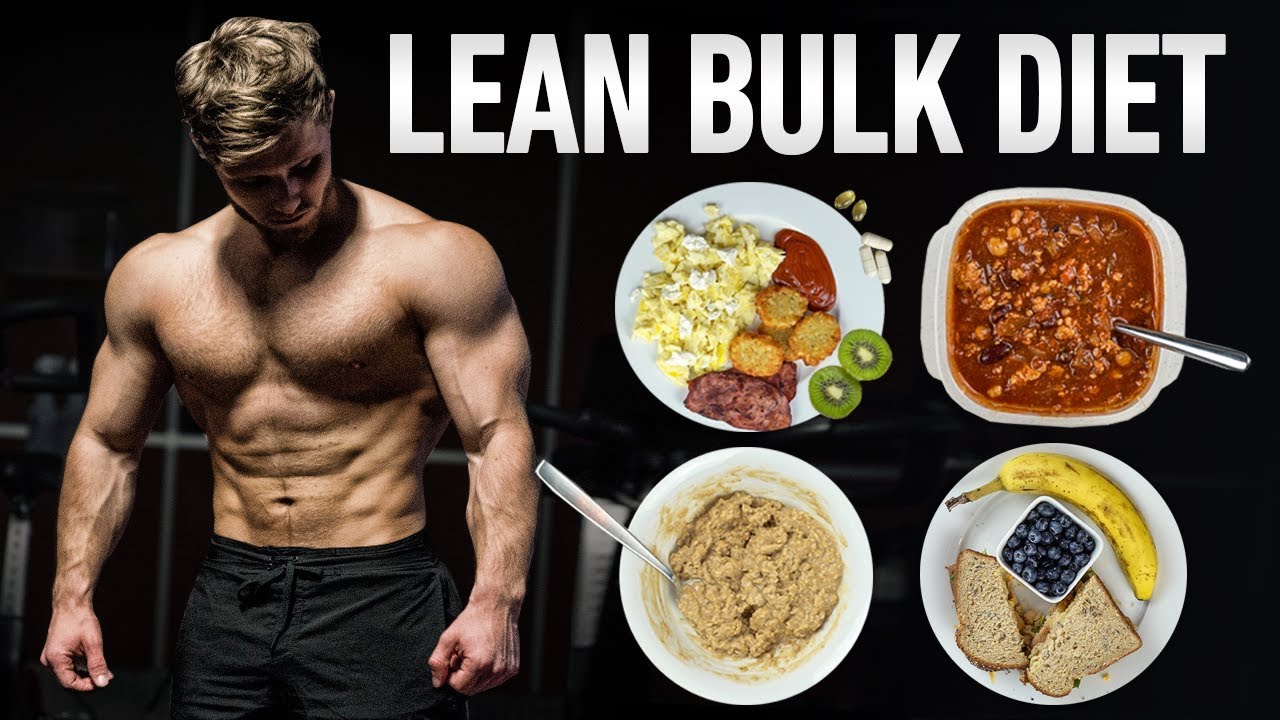
“Most 'full day of eating' content is aspirational fiction — a fitness influencer with a personal chef, a food budget measured in thousands, and a digestive system that apparently never gets tired of chicken and rice. This is the other version. Real meals, cooked by one person, on a Tuesday, without losing your mind. We took the most-watched full-day-of-eating videos and reverse-engineered what a genuinely high-protein, genuinely satisfying day of food actually looks like when you strip away the aesthetic.”
Why This Recipe Works
A full day of eating is not a recipe — it is a system. And like any system, the individual components matter far less than how they connect to each other. The breakfast has to set up the lunch. The snack has to neutralize the dinner. The dinner has to close the day without leaving you restless at midnight. Most full-day-of-eating content on YouTube treats each meal as its own isolated event, which is why most people who follow those videos eat well for one meal and then collapse into chaos by 6pm.
The Protein Distribution Problem
Nutrition science has made one thing clear in the past decade that popular diet culture continues to ignore: protein timing matters as much as protein total. The body's anabolic signaling machinery — the mechanism that actually builds and maintains muscle — operates on roughly a four-to-five-hour cycle. Feed it 25-30g of protein, and the signal fires. Feed it 8g, and the signal barely registers. Feed it 80g, and you get the same signal you would have gotten from 45g, with the remainder going to energy or waste.
This is why the meal plan here is structured the way it is. Breakfast lands at 28g — enough to fire the signal without overcrowding the morning appetite. Lunch delivers 58g at the heaviest eating occasion of the day, when energy demands are highest. The snack contributes 18g to bridge the afternoon. Dinner closes at 48g. The day's total of 172g is not the product of an aggressive target — it is what you get when you build four meals that each hit their protein floor and eat them at appropriate intervals.
Why Oats and Eggs Together
The breakfast pairing is not arbitrary. Oats contribute slow-digesting complex carbohydrate — the kind that provides a steady glucose release over two to three hours rather than a spike-and-crash. Eggs contribute a nearly perfect amino acid profile with high biological value. The almond butter adds fat, which slows gastric emptying further and extends the satiety window. Together, the three macronutrients create what physiologists call a flattened postprandial glucose curve — which in plain language means you do not feel hungry again at 9:30am.
The banana provides potassium and quick-release fructose that layers on top of the oat glucose curve — giving you an immediate energy spike for the first hour followed by the sustained release from the oats. The cinnamon is not decoration. Cinnamon contains cinnamaldehyde, which has demonstrated effects on insulin sensitivity in controlled studies. The amount here is small but it is doing something.
The Chicken and Rice Equation
Lunch is the anchor meal. It is not the most exciting meal — it is the most reliable one. Chicken breast and rice is not a compromise, it is a precision tool: a non-stick skillet and a heavy-bottomed saucepan are the only equipment you need, the preparation is repeatable without thought, and the macro profile is consistent enough to plan around. The broccoli is there for fiber, folate, and the sulfurophane compounds that support liver function. It is also there because without a vegetable, the lunch is too protein-dense to digest comfortably during an afternoon of desk work.
The soy sauce is the flavor lever. A tablespoon adds enough umami to make the chicken feel like a meal rather than fuel without meaningfully changing the sodium budget for the day.
The Snack Is Load-Bearing Architecture
Remove the 4pm snack and you do not save 200 calories — you spend 400 more at dinner. This is not a theory. It is the empirical outcome of meal timing studies that track ad-libitum food intake across the day. Hunger that builds uninterrupted for five hours does not arrive politely. It arrives loud, urgent, and indiscriminate about what it eats. Greek yogurt with blueberries and pumpkin seeds is almost comically easy to prepare. It requires no cooking, no planning, and no equipment. What it provides is an 18g protein injection, a fiber contribution from the berries, and a controlled fat addition from the seeds — which together compress the hunger window and make dinner a rational choice rather than an emergency.
Salmon As the Closing Argument
Dinner's job is to close the day's macro ledger, provide a physiological signal that enough food has been consumed, and deliver sufficient tryptophan to support the serotonin synthesis that precedes good sleep. Salmon does all three. It is one of the most nutrient-dense proteins available — high in EPA and DHA omega-3 fatty acids that reduce systemic inflammation, rich in vitamin D, and genuinely satisfying in a way that chicken breast, as dependable as it is, cannot replicate at the end of a long day. The sweet potato contributes resistant starch and beta-carotene. The spinach and avocado close the micronutrient picture. This is a dinner that ends a day — not one that opens another round of hunger.
Where Beginners Mess This Up
Before we start, read this. These are the 4 reasons your a full day of eating (high-protein, actually satisfying) will fail:
- 1
Front-loading all your protein in dinner: The body can only synthesize so much muscle protein from a single sitting — research consistently puts the effective ceiling around 40-50g per meal. Eating 20g of protein at breakfast and 100g at dinner is not the same as distributing it evenly. Spread your protein across all four eating occasions and your body actually uses it.
- 2
Confusing low-calorie with high-satiety: A 400-calorie meal of plain rice cakes and protein powder will leave you raiding the pantry two hours later. Satiety is driven by protein, fiber, and fat — not by calorie minimalism. Every meal in this plan includes all three, which is why the hunger curve stays flat throughout the day.
- 3
Skipping the snack as a 'discipline' move: Going from lunch at noon to dinner at 7pm on willpower alone almost always results in eating too fast at dinner, choosing calorie-dense foods, and overshooting your actual goal. A 200-calorie structured snack at 4pm is not weakness — it is hunger management. It makes dinner a conscious choice rather than a desperate one.
- 4
Treating meal prep as all-or-nothing: You do not need to prep the entire week on Sunday to eat well. Prepping just two components — a cooked grain and a cooked protein — cuts active cooking time each day to under 15 minutes. That is the actual lever. Not a four-hour Sunday operation with labeled containers.
The Video Reference Library
Want to see it in action? Here are the exact videos we analyzed and combined to build this foolproof recipe translation:
The source video for this framework. Covers all four meals with clear macros, realistic timing, and honest commentary on what actually keeps hunger down versus what just looks good on camera.
A counterpoint perspective on daily meal structure — useful for understanding how to adapt the framework to different schedules, appetites, and calorie targets without losing the protein floor.
Companion prep guide covering batch cooking the base components — rice, chicken, and roasted vegetables — that feed into this daily eating structure across multiple days.
🛠️ Core Equipment
- Non-stick skillet (10-inch)Used for the breakfast eggs and the lunch protein. A good non-stick means you can cook with minimal oil and nothing sticks — which matters when you are cooking eggs at 7am before your first coffee.
- Rice cooker or heavy-bottomed saucepanThe base grain for lunch and dinner cooks unattended. A rice cooker removes all variables. A [heavy-bottomed saucepan](/kitchen-gear/review/saucepan) with a tight lid works just as well if you keep the heat on low and leave it alone.
- Kitchen scaleProtein targets are impossible to hit reliably by eye. A scale turns guessing into knowing. You do not need to weigh every gram forever — but doing it consistently for two weeks calibrates your intuition enough to eyeball accurately afterward.
- Meal prep containers (glass, 3-cup capacity)For storing the prepped grain and protein. Glass containers reheat evenly in the microwave without leaching chemicals and do not absorb smell the way plastic does after a week of chicken.
A Full Day Of Eating (High-Protein, Actually Satisfying)
🛒 Ingredients
- ✦BREAKFAST
- ✦3 large eggs
- ✦1/2 cup rolled oats (dry)
- ✦1 cup whole milk or unsweetened oat milk
- ✦1 medium banana
- ✦1 tablespoon natural almond butter
- ✦1/2 teaspoon cinnamon
- ✦Pinch of sea salt
- ✦LUNCH
- ✦6 oz boneless skinless chicken breast
- ✦3/4 cup jasmine or basmati rice (dry)
- ✦2 cups broccoli florets
- ✦1 tablespoon olive oil
- ✦1 tablespoon low-sodium soy sauce
- ✦1 teaspoon garlic powder
- ✦1 teaspoon smoked paprika
- ✦Salt and pepper to taste
- ✦SNACK
- ✦3/4 cup 2% Greek yogurt
- ✦1/2 cup blueberries (fresh or frozen, thawed)
- ✦1 tablespoon honey
- ✦1 tablespoon pumpkin seeds
- ✦DINNER
- ✦6 oz salmon fillet
- ✦1 medium sweet potato
- ✦2 cups baby spinach
- ✦1/2 avocado, sliced
- ✦1 tablespoon olive oil
- ✦1 tablespoon lemon juice
- ✦1 teaspoon dried oregano
- ✦Red pepper flakes to taste
- ✦Salt and pepper to taste
👨🍳 Instructions
01Step 1
BREAKFAST — Cook the oats: combine rolled oats, milk, cinnamon, and a pinch of salt in a small saucepan over medium heat. Stir frequently for 4-5 minutes until creamy and thick. Transfer to a bowl.
02Step 2
While the oats cook, scramble the eggs: beat 3 eggs with a pinch of salt in a bowl. Heat a non-stick skillet over medium-low heat (no oil needed on a good non-stick). Pour in the eggs and drag a spatula slowly across the pan until just set — slightly underdone. They finish cooking off the heat.
03Step 3
Top the oats with sliced banana and almond butter. Plate the eggs alongside. This is your breakfast: roughly 55g carbohydrate, 28g protein, 16g fat.
04Step 4
LUNCH PREP (can be done the night before) — Cook the rice: rinse until the water runs clear, then combine with 1.5 cups water in a saucepan. Bring to a boil, cover, reduce heat to low, and cook for 15 minutes. Remove from heat and steam, covered, for 5 more minutes. Do not stir.
05Step 5
Season the chicken breast with garlic powder, smoked paprika, salt, and pepper on both sides. Heat olive oil in a skillet over medium-high heat. Cook chicken for 5-6 minutes per side until internal temperature reaches 165°F. Rest for 5 minutes before slicing.
06Step 6
Steam or microwave broccoli florets for 3-4 minutes until bright green and just tender. Toss with soy sauce.
07Step 7
Assemble lunch: sliced chicken over rice with broccoli on the side. This meal delivers approximately 58g protein, 62g carbohydrate, and holds satiety reliably until the afternoon snack.
08Step 8
SNACK — Spoon Greek yogurt into a bowl. Top with blueberries, a drizzle of honey, and pumpkin seeds. Eat this between 3pm and 4pm, before hunger gets aggressive.
09Step 9
DINNER — Preheat oven to 400°F. Pierce the sweet potato several times with a fork, rub with a small amount of olive oil, and bake directly on the oven rack for 45-50 minutes until easily pierced with a knife.
10Step 10
Pat the salmon dry. Season with salt, pepper, oregano, and red pepper flakes. Heat remaining olive oil in an oven-safe skillet over medium-high heat. Place salmon skin-side up and sear for 3 minutes. Flip and transfer the pan to the oven for 6-8 minutes until the thickest part flakes easily.
11Step 11
Dress the spinach: toss with lemon juice, a small drizzle of olive oil, salt, and pepper.
12Step 12
Plate dinner: salmon alongside the split sweet potato and dressed spinach, topped with sliced avocado. This meal closes the day at approximately 48g protein, 38g carbohydrate, 28g fat.
Nutrition Per Serving
Estimates based on standard preparation. Adjustments alter macros.
🔄 Substitutions
Instead of Chicken breast (lunch)...
Use Canned tuna or turkey breast
Canned tuna in water delivers comparable protein at a fraction of the cost. Drain thoroughly and season the same way. Turkey breast sliced from the deli counter also works — look for low-sodium options.
Instead of Salmon (dinner)...
Use Tilapia, cod, or shrimp
White fish cooks faster — 3-4 minutes per side in the skillet, no oven finish needed. Shrimp takes 2 minutes per side total. Adjust cooking time aggressively downward.
Instead of Rolled oats (breakfast)...
Use Overnight oats (same ingredients, cold)
Combine oats and milk the night before, refrigerate. In the morning, top with banana and almond butter and eat cold. Identical macros, zero morning cooking required.
Instead of Greek yogurt (snack)...
Use Cottage cheese
Same protein content, slightly lower fat, higher sodium. Cottage cheese has a more savory baseline flavor — the blueberries and honey still work, but some people prefer it with cucumber and everything bagel seasoning instead.
🧊 Storage & Reheating
In the Fridge
Lunch components (cooked chicken and rice) keep for 4 days in separate airtight containers. Keep them separate — combined, the rice absorbs moisture from the chicken and gets gummy. Dinner components are best cooked fresh but the sweet potato keeps for 3 days.
In the Freezer
Cooked chicken breast freezes well for up to 2 months. Slice before freezing for faster thawing. Rice also freezes well — spread it on a sheet pan to freeze individually before bagging to prevent one solid brick.
Reheating Rules
Reheat chicken and rice in the microwave with a splash of water and a loose cover for 90 seconds, stir, then 30 more seconds. The water prevents the rice from drying out. Salmon does not reheat well — eat it fresh or flake it cold over the spinach the next day.
❓ Frequently Asked Questions
Is 172g of protein too much for one person?
It depends on your bodyweight and goal. The general evidence-backed range for muscle building or retention is 0.7–1g per pound of bodyweight. For a 175-pound person, 172g sits right at the top of that range. For someone lighter, scale the protein portions down proportionally — primarily by reducing the chicken and salmon portions at lunch and dinner.
Can I move the snack to the morning instead?
You can, but the snack is architecturally positioned to bridge the longest gap in the day — the 5-7 hours between lunch and dinner. Moving it earlier creates a long afternoon gap that tends to result in poor food choices right before dinner. If your schedule demands a morning snack, add it as a fifth eating occasion rather than relocating it.
What if I don't eat fish?
Swap the salmon for a second chicken breast, a lean beef sirloin (6oz), or — for a plant-based alternative — a block of extra-firm tofu pressed and pan-seared with the same seasoning. The macros shift slightly but the framework holds.
Do I have to eat the meals in this exact order?
No, but breakfast should be breakfast for cortisol and hunger hormone reasons — eating protein within 60-90 minutes of waking blunts the mid-morning hunger spike. The lunch and dinner components can be swapped if your schedule demands it.
How do I adjust this if I train in the morning?
Add a fast-digesting carbohydrate before the session — half a banana or a rice cake — and move the almond butter out of breakfast into the post-workout window where fat would slow digestion less critically. The rest of the day stays the same.
Why is the calorie target around 2,150?
This is calibrated for a moderately active adult (3-5 training sessions per week) maintaining or building at a moderate surplus. Sedentary individuals may need 300-400 fewer calories. Use the rice and sweet potato portions as the primary adjustment lever — they are the most calorie-dense, easily modifiable components in the plan.

The Science of
A Full Day Of Eating (High-Protein, Actually Satisfying)
We turned everything on this page into a beautiful, flour-proof PDF cheat sheet. Print it out, stick it to your fridge, and never mess up your a full day of eating (high-protein, actually satisfying) again.
*We'll email you the high-res PDF instantly. No spam, just perfectly cooked meals.
AlmostChefs Editorial Team
We translate the internet's most popular cooking videos into foolproof, beginner-friendly written recipes. We analyze multiple methods, test them in our kitchen, and engineer a single "Master Recipe" that gives you the best possible result with the least possible stress.