Athlete's Full-Day Meal Prep (6 Meals in 2 Hours)
A batch-cooking system that produces 6 complete, macro-balanced meals from chicken breast, wild salmon, brown rice, roasted sweet potatoes, and broccoli — all in a single 2-hour session. We broke down every parallel-cooking window and container strategy so nothing waits on anything else.
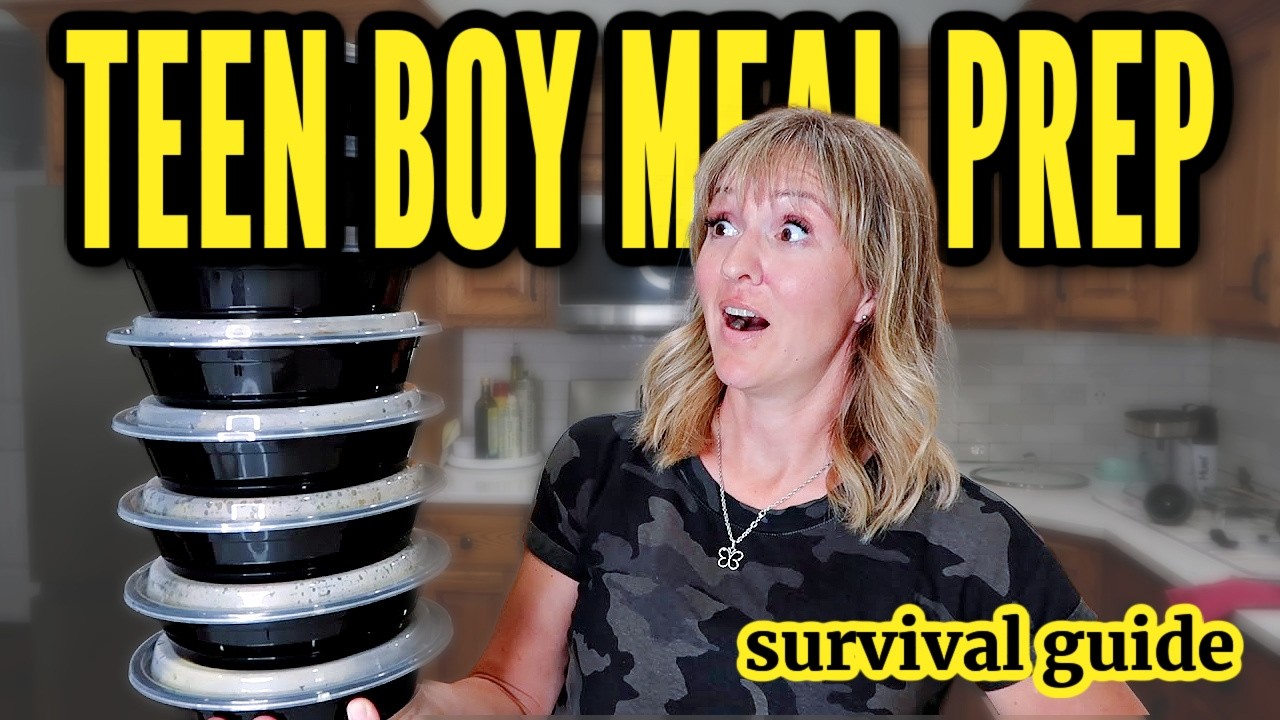
“Most meal prep fails not because of bad food but bad sequencing. You cook the rice first, it sits and dries out. You roast the vegetables last, the protein's already cold. Two hours of parallel cooking collapses into three and a half hours of sequential waiting. This system treats your kitchen like a production floor — everything starts in the right order, everything finishes at the same time, and nothing rehabs badly.”
Why This Recipe Works
Meal prep is a logistics problem disguised as a cooking problem. The food itself — chicken breast, brown rice, sweet potatoes, broccoli — is not complicated. What makes or breaks a prep session is whether you understand that a kitchen is a parallel processing environment, not a sequential one. Most people treat it like a production line: finish one thing, start the next. At that pace, a two-hour prep becomes four hours, and you never do it again.
The Parallel Cooking Framework
This system runs three concurrent processes from the first minute. The oven handles the sweet potatoes and broccoli simultaneously on two racks. The stovetop handles the rice on one burner and the chicken on another. Nothing waits for anything else. The only sequencing is strategic: salmon goes into the oven during the last 12-15 minutes of the vegetable roast, using the already-hot oven instead of starting a separate cook cycle.
The math: brown rice takes 40 minutes. Sweet potatoes and broccoli take 40 minutes. Chicken breast takes 14 minutes total (7 minutes per side). If you start the oven and rice water simultaneously, those 40-minute components are already on the clock before the chicken touches the pan. By the time the rice and vegetables finish, the chicken has been resting for 20 minutes and the salmon just came out of the oven. Everything is done within a five-minute window of each other.
This is the only meal prep approach worth doing. Sequential cooking is why people decide meal prep "takes too long."
Protein Selection for Multi-Day Storage
Chicken breast and wild salmon are not interchangeable from a storage standpoint. Chicken breast, when cooked to exactly 165°F internal temperature and rested before slicing, holds its texture through five full days of refrigerated storage. The muscle fibers are dense and don't deteriorate quickly. This is why it's the backbone of almost every serious meal prep system.
Salmon is different. The flesh is more delicate, higher in fat, and begins to oxidize within three days even under proper refrigeration. By day four, the texture is acceptable but the flavor has taken on the metallic edge that makes people push it aside. Cook the salmon mid-week rather than on prep day if your prep window is five-plus days. The 15-minute second cook session is worth the tradeoff.
A cast iron skillet is the right tool for the chicken sear. The mass of cast iron maintains temperature when cold protein hits the surface — thinner pans drop temperature and cause the chicken to steam in its own moisture rather than sear. You want the Maillard reaction to happen fast and hard on the surface, which means maintaining heat contact through the entire cook.
The Container Architecture
Glass divided containers solve a problem that most prep guides ignore: moisture migration. Cooked salmon sitting directly against brown rice for five days gradually releases its cooking liquid into the grain. By day three, you have wet, soft rice and drier salmon — the flavors blend in a way that reads as stale. Divided sections or separate containers keep each component in its own microclimate.
Cool everything to room temperature before sealing. This is non-negotiable. Hot food sealed in airtight glass creates condensation that drips back down and softens your roasted vegetables from the inside. Roasted broccoli that spent 40 minutes in a Dutch oven-caliber pot at 425°F should still have some char and bite on day two. It won't if you sealed it hot.
The Seasoning Problem
Six identical meals eaten back-to-back across six days is how athletes develop genuine food aversion to foods that should be neutral or enjoyable. The fix is not cooking six different recipes — it's keeping the bases neutral and varying the finish.
Salt and pepper on everything during cooking. Then, at serving time: different sauces in small containers, different toppings, different accompanying components. The core macros stay consistent. The eating experience changes enough that your brain doesn't flag it as monotonous. This is not a flavor hack — it's the difference between a prep habit that lasts and one that gets abandoned after two weeks because you couldn't face another identical container.
Where Beginners Mess This Up
Before we start, read this. These are the 4 reasons your athlete's full-day meal prep (6 meals in 2 hours) will fail:
- 1
Cooking components sequentially instead of in parallel: The single biggest time killer in meal prep is treating each component as its own separate task. Brown rice takes 40 minutes. Roasted vegetables take 40 minutes. If you start them back-to-back instead of simultaneously, you've already doubled your cook time before the chicken hits the pan. The oven and stovetop need to run at the same time from minute one.
- 2
Not cooling completely before sealing containers: Hot food sealed in glass containers creates condensation on the lid, which drips back into the food and turns your roasted broccoli into steamed mush by day two. Everything needs 15-20 minutes of open-air cooling before you seal a single lid. This is not optional — it's what separates five-day freshness from three-day disappointment.
- 3
Cutting chicken before resting it: Seared chicken breast sliced immediately loses most of its internal juices onto the cutting board. Rest it for at least 5 minutes after cooking — the fibers reabsorb the moisture and you get chicken that's actually worth eating on day four, not just day one.
- 4
Using thin baking sheets for the vegetables: Thin sheet pans warp under oven heat and create uneven surfaces where sweet potato cubes pool their released moisture instead of evaporating it. Wet vegetables steam instead of roast. You want caramelization, not softening. A heavy rimmed baking sheet stays flat and lets that moisture escape.
The Video Reference Library
Want to see it in action? Here are the exact videos we analyzed and combined to build this foolproof recipe translation:
The source video that demonstrates the full parallel-cooking workflow — oven, stovetop, and rice all running simultaneously. Best watched before your first session to internalize the timing sequence.
🛠️ Core Equipment
- Large heavy-bottomed skilletFor searing chicken breast with consistent contact across the surface. Thin pans create hot spots — part of the breast chars while another part stays pale. A [cast iron skillet](/kitchen-gear/review/cast-iron-skillet) or heavy stainless steel pan gives you even browning every time.
- Heavy rimmed baking sheets (two)One for sweet potatoes, one for broccoli. Vegetables need space and heat to roast, not steam. Crowding two vegetables onto a single sheet means they compete for evaporation surface and turn soft. Two sheets, one rack each.
- Large pot with fitted lidBrown rice needs 5 cups of water and a fully sealed environment to cook evenly. A [Dutch oven](/kitchen-gear/review/dutch-oven) or heavy saucepan works well. Avoid pots that vent steam — you'll end up with gummy, uneven rice.
- Glass meal prep containers with locking lids (6)Glass doesn't absorb food odors, doesn't leach plasticizers under microwave reheating, and lets you see exactly what's inside without opening. Divided containers with separate sections keep proteins from releasing moisture into carbohydrates during storage.
Athlete's Full-Day Meal Prep (6 Meals in 2 Hours)
🛒 Ingredients
- ✦2.5 pounds boneless, skinless chicken breasts
- ✦1.5 pounds wild-caught salmon fillets
- ✦2.5 cups uncooked brown rice
- ✦4 medium orange sweet potatoes
- ✦6 cups fresh broccoli florets
- ✦3 cups fresh spinach leaves
- ✦16 large eggs
- ✦3 cups plain Greek yogurt
- ✦2.5 cups old-fashioned rolled oats
- ✦2 cups fresh mixed berries (blueberries and strawberries)
- ✦1 cup raw almonds
- ✦4 tablespoons extra virgin olive oil
- ✦Sea salt and freshly ground black pepper to taste
👨🍳 Instructions
01Step 1
Preheat your oven to 425°F and line two large rimmed baking sheets with parchment paper. Bring 5 cups of salted water to a boil in a large heavy pot. This is your minute zero — everything starts now, not sequentially.
02Step 2
Wash all produce under cold running water. Pat the chicken breasts and salmon fillets completely dry with paper towels. Moisture on the surface prevents browning — it steams instead of sears.
03Step 3
Cut the sweet potatoes into uniform 1-inch cubes. Toss with 1 tablespoon olive oil, salt, and pepper directly on the first baking sheet. Arrange the broccoli florets on the second sheet, drizzle with 1 tablespoon olive oil, season with salt and pepper. Slide both sheets into the oven. Set a timer for 40 minutes.
04Step 4
Add the rinsed brown rice to the boiling salted water. Stir once, reduce heat to the lowest setting, cover tightly, and leave it alone for 35-40 minutes.
05Step 5
Season both sides of the chicken breasts generously with salt and pepper. Heat 2 tablespoons of olive oil in a large skillet over medium-high heat until shimmering, about 2 minutes. Sear the chicken for 6-7 minutes per side until deep golden brown and cooked through to 165°F internal temperature.
06Step 6
Transfer the cooked chicken to a cutting board. Set a 5-minute rest timer before slicing.
07Step 7
Season the salmon fillets with salt and pepper. When the vegetables have 12-15 minutes remaining, remove the baking sheets from the oven, stir the sweet potatoes, and place the salmon skin-side down on a cleared section of one sheet. Return to the oven and bake 12-15 minutes until the flesh flakes easily with a fork.
08Step 8
Remove all cooked items from the oven. Spread everything out on wire racks or the counter and allow to cool to room temperature, uncovered, for 15-20 minutes.
09Step 9
Slice the rested chicken into 4-ounce portions and flake the salmon into palm-sized pieces.
10Step 10
Divide the cooled rice, roasted sweet potatoes, broccoli, and proteins equally across 6 glass meal prep containers. Keep components in separate sections. Seal, label with today's date, and refrigerate.
Nutrition Per Serving
Estimates based on standard preparation. Adjustments alter macros.
🔄 Substitutions
Instead of Salmon fillets...
Use Lean ground turkey (1.5 pounds, browned in skillet)
Reduces omega-3 content significantly but maintains equivalent protein at around 30g per 4-ounce portion. Ground turkey accepts seasoning more readily — use cumin and garlic powder to prevent flavor monotony across the week.
Instead of Brown rice...
Use Quinoa (2.5 cups uncooked)
Quinoa provides complete amino acid profiles including all nine essential amino acids, which brown rice does not. Slightly nuttier flavor and fluffier texture. Cooks in 15 minutes versus 40 — adjust your parallel-cooking sequence accordingly.
Instead of Raw almonds...
Use Raw walnuts or pumpkin seeds
Walnuts have a superior omega-3 to omega-6 ratio compared to almonds, which matters for managing inflammation in high-training-load weeks. Pumpkin seeds add magnesium, which supports muscle function and recovery.
Instead of Mixed berries with Greek yogurt...
Use Sliced banana with unsweetened almond milk mixed into oats
Better option for athletes who train early and eat breakfast on the go — no refrigeration required for the banana. Provides concentrated potassium (422mg per medium banana) for electrolyte balance. Reduces saturated fat by roughly 2g per serving.
🧊 Storage & Reheating
In the Fridge
Store in sealed glass containers for up to 5 days. Label each container with the prep date. Salmon should be consumed by day 3 for best texture.
In the Freezer
Rice, sweet potatoes, and chicken breast freeze well for up to 2 months. Salmon and broccoli do not — their texture degrades significantly after freezing. Freeze proteins and grains separately from vegetables.
Reheating Rules
Add 1-2 tablespoons of water to the container before reheating to replace moisture lost during storage. Microwave on medium power for 90 seconds, stir, then finish for another 30-60 seconds. High power dries out the chicken and turns broccoli yellow.
❓ Frequently Asked Questions
How do I prevent the chicken from drying out by day four or five?
Two things: don't skip the rest period before slicing (5 minutes minimum), and don't overcook it. Pull the chicken at exactly 165°F internal temperature — not 170, not 175. Every degree past 165 is moisture leaving the meat. A reliable instant-read thermometer is the single best investment for meal prep longevity.
Can I swap white rice for brown rice?
Yes, and for post-workout meals it may actually be preferable. White rice digests faster, spiking blood glucose more quickly and driving carbohydrates into muscle tissue when your glycogen is depleted after training. Brown rice is better for meals eaten hours away from training due to its slower digestion rate. Use whichever matches your training timing.
Why is my broccoli turning yellow by day three?
Overcooking and high-heat reheating both degrade chlorophyll, which turns green vegetables yellow. Roast the broccoli until just tender — not soft — and reheat at medium power rather than full blast. Yellow broccoli is safe to eat but the nutrient content has dropped significantly.
Can I prep the full week on Sunday for all 7 days?
Five days is the reliable limit for cooked proteins and vegetables stored refrigerated. Salmon is closer to three. For a full seven days, prep Sunday for days one through five and do a short mid-week session on Wednesday for days six and seven. A second 30-minute session beats five-day-old salmon every time.
Do I need to use glass containers or will plastic work?
Plastic containers are functional but have two real drawbacks: they absorb food odors over time (your containers start to smell like everything that's ever been in them), and some plastics leach chemicals when microwaved repeatedly. If you're reheating in the container daily, glass is the more reliable long-term choice. At minimum, use BPA-free containers rated for microwave use.
How do I add variety so I don't get bored eating the same six meals?
Keep the proteins and carbohydrates consistent but vary the sauces and add-ins. A container of plain chicken and rice becomes entirely different meals with sriracha honey, tahini lemon, or soy-ginger-scallion drizzled on top at serving time. Prep the bases uniformly, customize at the moment of eating. This is how high-volume cooking stays sustainable across weeks.
The Science of
Athlete's Full-Day Meal Prep (6 Meals in 2 Hours)
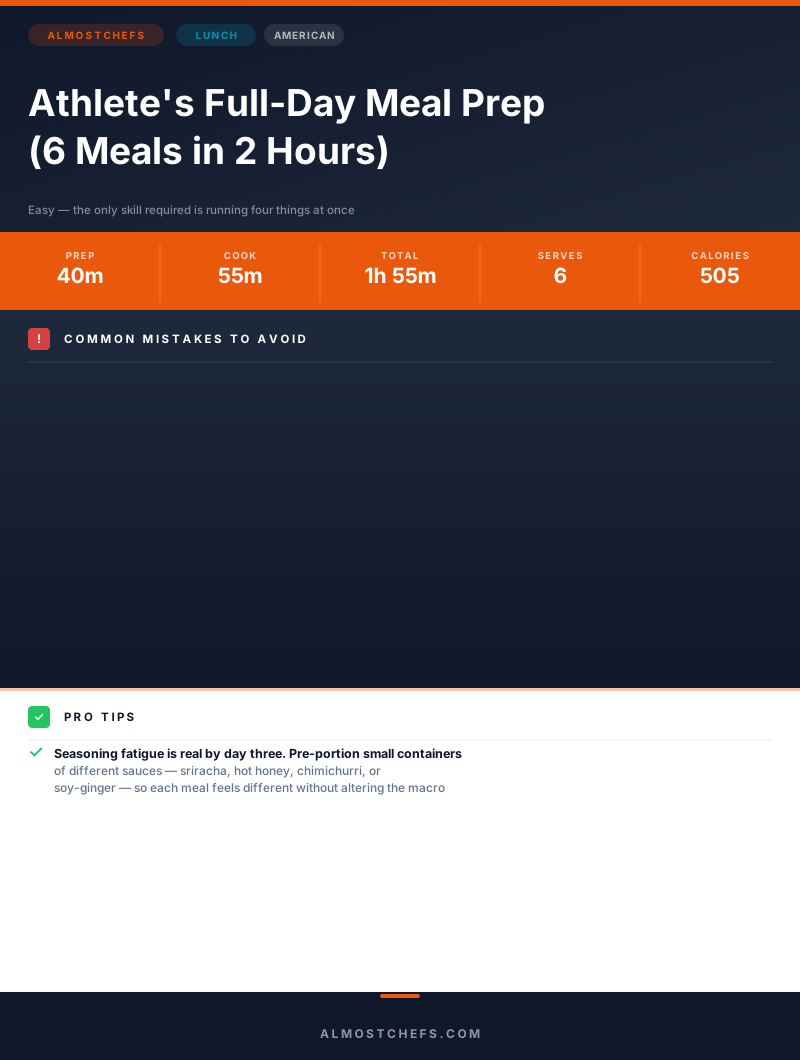
We turned everything on this page into a beautiful, flour-proof PDF cheat sheet. Print it out, stick it to your fridge, and never mess up your athlete's full-day meal prep (6 meals in 2 hours) again.
*We'll email you the high-res PDF instantly. No spam, just perfectly cooked meals.
AlmostChefs Editorial Team
We translate the internet's most popular cooking videos into foolproof, beginner-friendly written recipes. We analyze multiple methods, test them in our kitchen, and engineer a single "Master Recipe" that gives you the best possible result with the least possible stress.