The Only Fruit Salad Recipe You Need (Honey-Lime Masterclass)
A vibrant assembly of eight fresh fruits tossed in a honey-lime dressing that enhances natural sweetness without masking it. We broke down the prep sequence, the dressing ratio, and the resting time to build one foolproof method that delivers balanced flavor and color every single time.

“Most fruit salads are an afterthought. Someone dumps a bag of grapes and some sad strawberries into a bowl and calls it a side dish. The difference between that and a fruit salad people actually request comes down to three things: dressing balance, prep sequence, and the 30-minute rest. We dissected every major approach to give you the one that works.”
Why This Recipe Works
Fruit salad has a reputation problem. It's the dish people make when they don't want to cook, which means it rarely gets the attention it deserves. The result is a bowl that tastes like a grocery store produce section — individual fruits sitting next to each other with nothing binding them together. This recipe is the corrective.
The Dressing Is the Architecture
A fruit salad without dressing is just cut fruit. The honey-lime dressing here does three specific jobs: the honey amplifies the natural sugars already present in ripe fruit; the citrus acids brighten flavor and slow oxidation; the vanilla extract adds a warm aromatic base note that makes the bowl smell like something intentional rather than accidental.
The ratio matters. Two tablespoons of honey to three tablespoons of combined citrus juice is the balance point where the dressing enhances rather than competes. More honey tips it into dessert territory. More citrus tips it into salad dressing territory. The pinch of sea salt at the end is the move that separates a good fruit salad from a great one — it suppresses bitterness and amplifies sweetness through a well-documented neurological effect. You will not taste salt. You will taste fruit, more intensely.
Prep Sequence Is Not Arbitrary
Cut firm fruits first: pineapple, apple, kiwi. These can sit exposed for a few minutes without degrading. Segment the oranges second — the pith removal takes the most time and fine motor attention. Halve the strawberries third. Add blueberries and raspberries last, directly into the dressed bowl, folded in rather than stirred.
The sharp chef's knife matters here in a way it doesn't for most dishes. Soft fruit like strawberries and kiwi bruise under a dull blade — the pressure required to push through crushes the cell walls before the cut is made, releasing juice immediately and creating soft, waterlogged pieces that collapse during the fold. A sharp knife makes a clean slice. Clean slices hold their shape.
The Rest Period Is the Technique
Thirty minutes in the refrigerator is not a convenience step. It's the cooking. During the rest, the honey-lime dressing draws moisture from the surface of the fruit through osmosis, blending with the natural fruit sugars to create a light, complex syrup. This syrup coats every piece uniformly on the way back up. It's the difference between fruit that tastes dressed and fruit that tastes integrated.
The large mixing bowl you use matters for a different reason: during folding, you need enough clearance to use a full wrist rotation with the rubber spatula without the bowl acting as a wall that traps berries against the rim. Too small a bowl means you apply lateral pressure to the raspberries trying to get under them, and lateral pressure destroys raspberries.
Eight Fruits, One Flavor
The fruit selection here is not accidental. Strawberries provide tartness and color. Pineapple provides enzymes (bromelain) that soften the other fruits slightly during the rest. Grapes add pop and crunch. Apples add structure. Blueberries and raspberries add depth of color and antioxidant density. Orange segments add brightness. Kiwi adds acidity and visual contrast.
Every element is doing work. That's what makes this more than the sum of its parts — and what makes it worth doing right.
Where Beginners Mess This Up
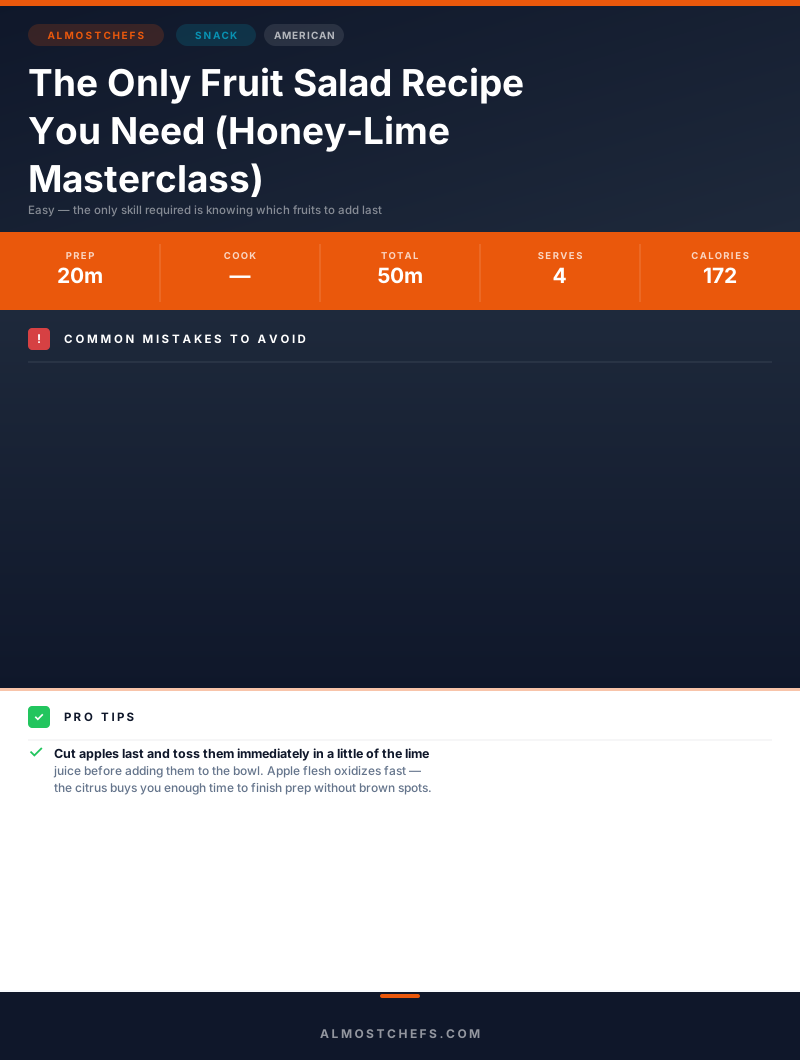
Before we start, read this. These are the 4 reasons your the only fruit salad recipe you need (honey-lime masterclass) will fail:
- 1
Skipping the rest time: The 30-minute refrigeration step is not optional. It's when the honey-lime dressing draws out the natural juices from the fruit, creating a light syrup that ties the entire bowl together. Served immediately, the dressing sits on top of the fruit. After resting, it becomes part of it.
- 2
Adding delicate berries too early: Raspberries and blueberries are structurally fragile. Add them after the citrus-heavy fruits like pineapple and orange have been tossed first, then fold the berries in last with a rubber spatula. Heavy stirring turns them into jam before the bowl hits the table.
- 3
Using underripe fruit: A honey-lime dressing can enhance sweetness, but it cannot create it. Underripe strawberries, chalky pineapple, and hard kiwi will taste exactly like underripe strawberries, chalky pineapple, and hard kiwi — just wet. Use fruit that is ripe enough to eat on its own.
- 4
Drowning the salad in dressing: Two tablespoons of honey to three tablespoons of citrus juice is the correct ratio. More honey makes it cloying. More citrus makes it acidic. The dressing should whisper, not shout.
The Video Reference Library
Want to see it in action? Here are the exact videos we analyzed and combined to build this foolproof recipe translation:
The primary reference for this recipe. Clear walkthrough of the dressing ratio and folding technique, with good close-ups on fruit prep sequence and the final resting step.
🛠️ Core Equipment
- Large mixing bowlYou need room to fold without launching raspberries across the counter. A bowl that looks too big is exactly the right size.
- Rubber spatulaSpoons crush berries. A wide, flat rubber spatula folds without applying point pressure. Non-negotiable for keeping raspberries intact through the toss.
- Sharp chef's knifeDull knives drag through soft fruit, bruising the flesh and releasing juice prematurely. A sharp blade makes clean cuts that hold their shape through the rest period.
- Small whiskHoney needs to be fully incorporated into the citrus juice before it hits the fruit. A fork leaves streaky globs of undissolved honey. A small whisk handles it in 30 seconds.
The Only Fruit Salad Recipe You Need (Honey-Lime Masterclass)
🛒 Ingredients
- ✦2 cups fresh strawberries, hulled and halved
- ✦2 cups fresh pineapple chunks
- ✦2 cups seedless green grapes
- ✦2 medium apples, cored and diced
- ✦1 cup fresh blueberries
- ✦1 cup fresh raspberries
- ✦2 medium oranges, segmented and chopped
- ✦1 cup fresh kiwi, peeled and sliced into quarters
- ✦2 tablespoons raw honey
- ✦2 tablespoons fresh lime juice
- ✦1 tablespoon fresh lemon juice
- ✦1 teaspoon vanilla extract
- ✦2 tablespoons unsweetened shredded coconut
- ✦1 tablespoon fresh mint leaves, finely chopped
- ✦Pinch of sea salt
👨🍳 Instructions
01Step 1
Rinse all fruits under cool running water and pat dry with a clean kitchen towel.
02Step 2
Hull and halve the strawberries. Cut pineapple into bite-sized chunks, removing the core. Core and dice the apples into even cubes.
03Step 3
Segment the oranges by cutting away the peel and white pith, then chop the segments into bite-sized pieces. Peel the kiwi, slice into rounds, and quarter each round.
04Step 4
Whisk together the honey, lime juice, lemon juice, and vanilla extract in a small bowl until the honey fully dissolves.
05Step 5
Transfer the strawberries, pineapple, grapes, apples, oranges, and kiwi to a large mixing bowl. Pour the dressing over the fruit and fold gently with a rubber spatula until everything is lightly coated.
06Step 6
Add the blueberries and raspberries. Fold once or twice — just enough to incorporate them without breaking them down.
07Step 7
Sprinkle with sea salt and fold once more to distribute.
08Step 8
Scatter the chopped mint and shredded coconut over the top. Cover the bowl and refrigerate for at least 30 minutes.
09Step 9
Stir gently just before serving to redistribute the juices, then portion into bowls.
Nutrition Per Serving
Estimates based on standard preparation. Adjustments alter macros.
🔄 Substitutions
Instead of Raw honey...
Use Pure maple syrup or date paste
Maple syrup provides deeper, more complex sweetness. Date paste adds natural fiber and minerals. Either substitute works 1:1 in the dressing ratio.
Instead of Regular apple...
Use Granny Smith apple
Tangier and firmer. Balances the sweetness of pineapple and grapes while holding its shape better through the rest period.
Instead of Fresh mint leaves...
Use Fresh basil or fresh ginger
Basil adds an unexpected herbaceous note that works well with strawberries. Ginger (about 1 teaspoon grated) adds warmth and anti-inflammatory punch. Use one or the other, not both.
Instead of Unsweetened shredded coconut...
Use Ground flaxseed or chopped walnuts
Flaxseed adds omega-3s and dissolves into the dressing slightly, thickening it. Walnuts add crunch but should be added immediately before serving or they go soggy.
🧊 Storage & Reheating
In the Fridge
Store covered for up to 2 days. The dressing continues to draw moisture from the fruit — by day two, there will be more liquid in the bowl. This is fine. Stir before serving.
In the Freezer
Do not freeze. Freezing destroys the cell structure of fresh fruit and produces a watery, mushy mess upon thawing.
Reheating Rules
This dish is served cold. No reheating required or recommended.
❓ Frequently Asked Questions
How do I keep the fruit salad from getting watery?
Two things cause excess water: undried fruit and overdressed salad. Pat every piece dry before cutting, and use exactly the dressing amounts listed. The 30-minute rest will draw out some natural juice — that's intentional and makes the bowl better, not worse.
Can I make this the night before?
Yes, with one caveat: hold the raspberries, coconut, and mint and add them the morning of. Raspberries break down overnight. Coconut goes soft. Mint discolors. Everything else holds well for 12-18 hours.
Is this recipe vegan?
As written with honey, it is technically not vegan. Substitute pure maple syrup at the same quantity for a fully vegan version with no other changes needed.
What fruits should I avoid putting in fruit salad?
Avoid watermelon if making ahead — it releases so much liquid it floods the bowl within an hour. Also avoid very overripe bananas, which turn mushy immediately. If you want banana, add it right before serving.
Why does my fruit salad taste flat?
Two likely causes: the fruit wasn't ripe enough, or you skipped the sea salt. Ripe fruit is non-negotiable — the dressing enhances sweetness but cannot create it. The salt is the other lever. A pinch amplifies all the flavors without making the salad taste salty.
Can I add banana to this recipe?
Yes — add it right before serving, never before. Bananas oxidize and turn brown faster than any other common fruit, and their texture degrades quickly in the bowl. Slice and fold in just before portioning.
The Science of
The Only Fruit Salad Recipe You Need (Honey-Lime Masterclass)
We turned everything on this page into a beautiful, flour-proof PDF cheat sheet. Print it out, stick it to your fridge, and never mess up your the only fruit salad recipe you need (honey-lime masterclass) again.
*We'll email you the high-res PDF instantly. No spam, just perfectly cooked meals.
AlmostChefs Editorial Team
We translate the internet's most popular cooking videos into foolproof, beginner-friendly written recipes. We analyze multiple methods, test them in our kitchen, and engineer a single "Master Recipe" that gives you the best possible result with the least possible stress.