The Best Easy Fruit Salad (The Only Recipe You Need)
A vibrant, no-cook fruit salad built around fresh berries, tropical pineapple, and crisp apple, dressed in a honey-lime-vanilla citrus glaze and finished with chia seeds and coconut flakes. We broke down exactly why most fruit salads fail — and how to fix every one of those failures in under 20 minutes.
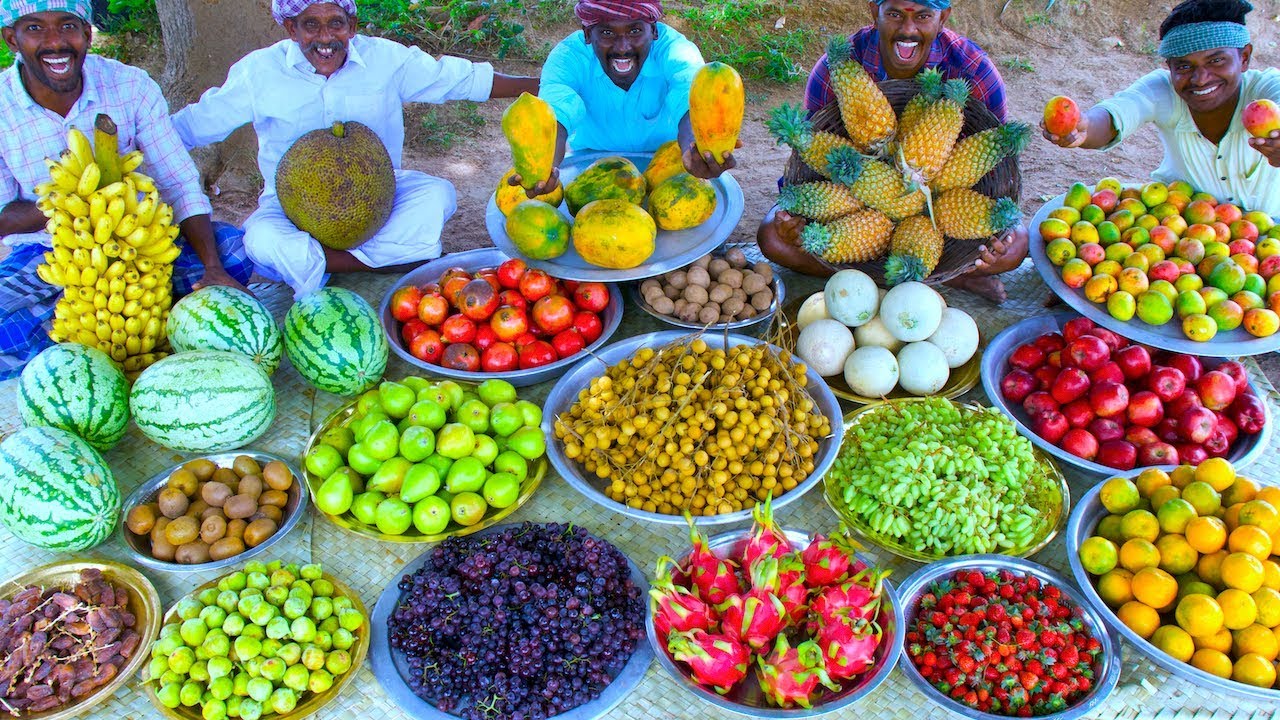
“Fruit salad has a reputation problem. It shows up at every potluck, every brunch buffet, every hospital tray — and it's usually a bowl of mealy cantaloupe and browning apple chunks swimming in canned syrup. That is not a recipe failure. That is an execution failure. The gap between forgettable and genuinely good comes down to four decisions: which fruits you use, how you cut them, when you dress them, and how long you let them rest.”
Why This Recipe Works
Fruit salad has a reputation problem. It shows up at every potluck, every brunch buffet, every hospital tray — and it's usually a bowl of mealy cantaloupe and browning apple chunks drowning in canned syrup. That is not a recipe failure. That is an execution failure. The difference between forgettable and genuinely good fruit salad comes down to four decisions: which fruits you choose, how you cut them, when you dress them, and how long you let them rest.
The Knife Work Principle
Uniform size is not aesthetic preference — it is flavor engineering. A 1-inch pineapple chunk next to a whole blueberry means one overwhelms the other in every forkful. Cut everything to roughly ¾ to 1 inch so each bite delivers a coherent mix of flavors rather than a lottery of textures. A sharp chef's knife is the only piece of equipment that matters in a no-cook recipe. Dull knives crush berries and bruise soft fruit, releasing juice prematurely and turning the bowl waterlogged before it ever reaches the table.
The Layering Order
Add fruits in descending order of density: pineapple and watermelon go first, then apples and grapes, then strawberries and kiwi, then blueberries last. This is not arbitrary ceremony. Dense fruits absorb the citrus dressing from the bottom without going soft. Delicate berries on top stay intact until the final gentle fold. Dump everything in at once and stir aggressively, and you will destroy half the blueberries and end up with purple-tinted pineapple throughout.
The mixing bowl matters more than it should. You need room to fold without crushing. A cramped bowl forces rough handling. Use the largest bowl you own — 5-quart minimum for this volume.
The Dressing Science
The citrus dressing — honey, lime, lemon, vanilla — performs two distinct functions. First, it inhibits oxidation: the acid in the citrus disrupts the enzyme that turns cut apples brown, buying you several hours of pristine appearance. Second, it draws natural moisture out of the fruit through osmosis during the rest period, creating a light, intensely flavored syrup at the bottom of the bowl. That syrup is not excess liquid to pour off. It is the best part. Spoon it deliberately over every serving.
The vanilla extract is not optional garnish. A half teaspoon adds floral, creamy depth that rounds out the sharpness of lime and lemon. Without it, the dressing tastes like citrus. With it, it tastes composed.
The Rest Requirement
Fifteen to thirty minutes in the refrigerator is mandatory. Cold temperature firms softer fruits like kiwi and watermelon, slows enzymatic activity on the apples, and — most importantly — gives the dressing time to penetrate the fruit surfaces rather than sitting on top of them. Fruit salad served immediately after dressing tastes like individual dressed fruits. Fruit salad served after a proper rest tastes like one unified dish.
The Last-Minute Rule
Chia seeds and coconut flakes go on at the very last second. Chia seeds absorb liquid at an aggressive rate — add them during the rest period and they form a gel that coats every piece of fruit with an unpleasant film. Coconut flakes go soggy in minutes. Both exist in this recipe as textural contrast, and textural contrast only functions when the texture is still intact. Timing is the recipe.
This is not a complex dish. It is a simple dish that requires discipline at four specific moments. The discipline is the recipe.
Where Beginners Mess This Up
Before we start, read this. These are the 4 reasons your the best easy fruit salad (the only recipe you need) will fail:
- 1
Not drying the fruit after rinsing: Wet fruit dilutes the dressing before it can do its job. Water clinging to strawberries and blueberries creates a watered-down citrus puddle at the bottom instead of a concentrated natural syrup. Pat everything completely dry with paper towels before you touch a knife.
- 2
Adding fruits in the wrong order: Dump everything in at once and stir aggressively, and you will destroy half the blueberries and end up with purple-tinted pineapple. Dense fruits go in first, delicate berries go in last. The final fold should be gentle — 30 seconds with a rubber spatula, bottom to top, nothing more.
- 3
Skipping the refrigerator rest: Fruit salad served immediately after dressing tastes like dressed fruit. Fruit salad after 15-30 minutes of rest tastes like a composed dish. The cold rest firms softer fruits, slows enzymatic browning on the apples, and lets the dressing penetrate the surface rather than sitting on top of it.
- 4
Adding chia seeds and coconut flakes too early: Chia seeds absorb liquid rapidly — add them during the rest period and they turn into a gel that coats every piece of fruit with a slimy film. Coconut flakes go soggy in minutes. Both go on at the very last second, right before serving. Not before.
The Video Reference Library
Want to see it in action? Here are the exact videos we analyzed and combined to build this foolproof recipe translation:
The original source video with over a million views. Clear technique on cutting uniform pieces and the visual benchmark for the color and variety you're aiming for.
🛠️ Core Equipment
- Sharp chef's knifeDull knives crush berries and bruise soft fruit, releasing juice prematurely. You need clean cuts on everything from kiwi to watermelon to apple. A sharp knife is the only tool that matters in a no-cook recipe.
- Large mixing bowlYou need room to fold without crushing. A cramped bowl forces rough handling. Use the largest bowl you own — at least 5-quart capacity for this volume of fruit.
- Small whisk or forkFor fully dissolving the honey into the citrus dressing before it touches the fruit. Undissolved honey sinks to the bottom and pools rather than coating.
- Fine-mesh colanderFor rinsing all fruit thoroughly before prep. Rinse first, then dry — not the other way around.
The Best Easy Fruit Salad (The Only Recipe You Need)
🛒 Ingredients
- ✦1.5 cups fresh strawberries, halved
- ✦1.5 cups fresh blueberries, whole
- ✦2 cups fresh pineapple chunks, cubed
- ✦1.5 cups red or green seedless grapes, halved
- ✦2 medium crisp apples, diced
- ✦1 cup fresh mandarin orange segments or clementine slices
- ✦3 cups fresh watermelon cubes
- ✦3 medium kiwi fruits, peeled and sliced
- ✦3 tablespoons raw honey or pure maple syrup
- ✦3 tablespoons fresh lime juice
- ✦2 tablespoons fresh lemon juice
- ✦½ teaspoon vanilla extract
- ✦10 fresh mint leaves, finely chopped
- ✦2 tablespoons unsweetened coconut flakes
- ✦2 tablespoons raw chia seeds
👨🍳 Instructions
01Step 1
Rinse all fruits thoroughly under cool running water, then pat completely dry with clean paper towels.
02Step 2
Dice the apples into bite-sized cubes and immediately toss with 1 tablespoon of the lemon juice to prevent browning.
03Step 3
Add pineapple and watermelon chunks to a large chilled bowl. These dense fruits form the base layer.
04Step 4
Halve the strawberries and grapes, slice the kiwi on the bias, and segment the mandarin oranges. Add them on top of the firmer fruits.
05Step 5
Gently fold in the blueberries last using a light hand, turning from the bottom up just enough to distribute.
06Step 6
Whisk together the honey, remaining lime juice, remaining lemon juice, and vanilla extract in a small bowl until the honey is fully dissolved.
07Step 7
Pour the dressing evenly over the fruits and scatter the chopped mint leaves across the top.
08Step 8
Toss gently with a rubber spatula for about 30 seconds, folding from the bottom up to coat all fruits without bruising.
09Step 9
Cover with plastic wrap and refrigerate for 15-30 minutes to let the flavors meld and the fruits release their natural juices.
10Step 10
Just before serving, sprinkle the chia seeds and coconut flakes evenly over the top.
11Step 11
Serve immediately in chilled bowls. Spoon the accumulated citrus syrup from the bottom of the bowl over each portion.
Nutrition Per Serving
Estimates based on standard preparation. Adjustments alter macros.
🔄 Substitutions
Instead of Honey...
Use Pure maple syrup or agave nectar
Maple adds an earthy depth that works well with the tropical fruits. Agave is the most neutral swap. Both dissolve more easily than cold honey.
Instead of Coconut flakes...
Use Chopped raw almonds or crushed pistachios
Adds protein and a more satisfying crunch. Pistachios in particular pair well with citrus and mint. Neither will go soggy as fast as coconut.
Instead of Chia seeds...
Use Ground flaxseeds or hemp seeds
Hemp seeds offer complete protein and don't gel in liquid — safer to add a few minutes before serving rather than right at the last second. Flaxseeds provide lignans and omega-3s with a slightly nuttier flavor.
Instead of Mandarin oranges...
Use Blood oranges or fresh grapefruit segments
Blood oranges add dramatic color and a tart-sweet complexity. Grapefruit introduces mild bitterness that balances the honey dressing's sweetness. Segment them carefully to remove all pith.
🧊 Storage & Reheating
In the Fridge
Store in an airtight container for up to 2 days. The citrus dressing continues to work on the fruit, softening textures over time. The salad is best within the first 24 hours.
In the Freezer
Not recommended. Fruit releases enormous amounts of water when thawed and the texture becomes completely unacceptable.
Reheating Rules
This dish is never reheated. Serve cold, straight from the refrigerator. If it has been sitting out for more than 2 hours at room temperature, discard it.
❓ Frequently Asked Questions
Can I make this the night before?
You can prep and refrigerate the cut fruit dry overnight, and mix the dressing separately. Combine them no more than 30 minutes before serving. Fully assembled salad stored overnight will be soft and waterlogged by morning — edible, but not close to its best.
Which fruits hold up best if I need to prep ahead?
Pineapple, grapes, and watermelon are the most resilient. Kiwi and strawberries soften quickly once cut. Apples will brown even with lemon juice treatment beyond 4-5 hours. Build in this order of hardiness when planning ahead.
Can I use frozen fruit?
No. Frozen fruit releases massive amounts of water as it thaws, drowning the dressing and turning the texture mushy and indistinct. This recipe depends entirely on the structural integrity of fresh fruit. There is no frozen shortcut here.
How do I stop the apples from browning?
Toss them immediately with lemon juice the moment they're cut — before they hit the bowl. The acid inhibits the oxidative enzyme (polyphenol oxidase) that causes browning. It does not stop it permanently, which is why you should serve the salad the same day it's made.
Is this recipe vegan?
As written, it depends on the honey — which is not vegan by strict standards. Swap the honey for pure maple syrup or agave nectar and every ingredient in this recipe is completely plant-based.
Why does my fruit salad look watery after resting?
That liquid is not a problem — it's the point. The citrus dressing draws natural juice out of the fruit over the rest period, creating a concentrated syrup at the bottom of the bowl. Spoon it over each serving rather than draining it. If it looks like standing water rather than a light syrup, your fruit was not dried properly after rinsing.
The Science of
The Best Easy Fruit Salad (The Only Recipe You Need)
We turned everything on this page into a beautiful, flour-proof PDF cheat sheet. Print it out, stick it to your fridge, and never mess up your the best easy fruit salad (the only recipe you need) again.
*We'll email you the high-res PDF instantly. No spam, just perfectly cooked meals.
AlmostChefs Editorial Team
We translate the internet's most popular cooking videos into foolproof, beginner-friendly written recipes. We analyze multiple methods, test them in our kitchen, and engineer a single "Master Recipe" that gives you the best possible result with the least possible stress.