The Perfect Frittata (Stop Overcooking Your Eggs)
An Italian stovetop-to-oven egg dish loaded with seasonal vegetables, melted Gruyere, and fresh herbs. We broke down the technique so the center stays custardy, the edges go golden, and the whole thing slides out of the pan clean. Ready in 40 minutes and built for meal prep.
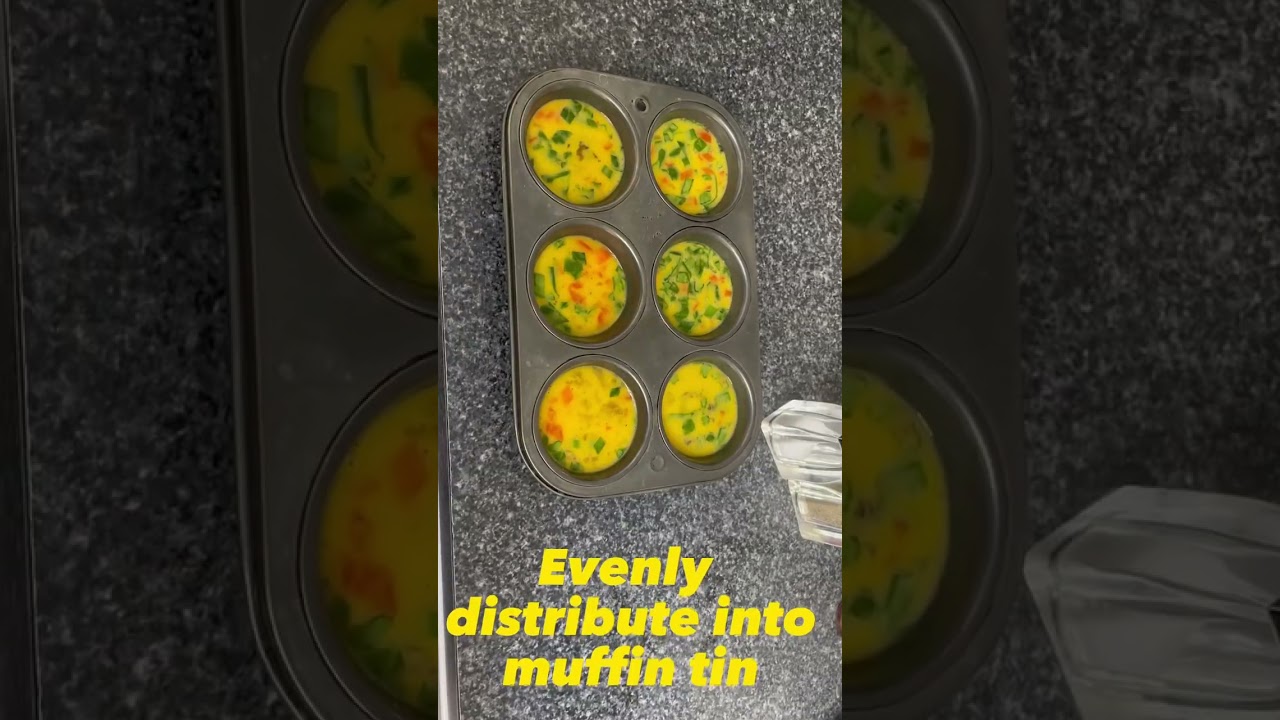
“Most frittata failures come down to one thing: treating it like a baked good. You pull it when it looks done on top, and by then the bottom is rubbery and the center is dry. A proper frittata has exactly one moment of visual doneness you're aiming for — a center that jiggles like set custard when you nudge the pan. Everything before that is just vegetable sautéing. Everything after that is ruin.”
Why This Recipe Works
A frittata is not a baked egg casserole. It's not a quiche without a crust. It is a two-stage cooking technique — stovetop then oven — where the handoff between the two stages determines everything about the final texture. Most people miss the handoff and end up with something that's either runny in the center or dry and overcooked throughout. Neither is a frittata. Both are failures of timing.
The Two-Stage Logic
The stovetop phase exists for one reason: to set the structural base. When you pour the egg mixture over the sautéed vegetables and let it cook on medium heat for two minutes, the bottom third of the frittata solidifies into a stable layer that holds everything above it. Without this foundation, the frittata bakes unevenly — the top sets before the bottom has any structure, the vegetable weight causes everything to compress, and you end up slicing into a dense, flat slab.
The oven phase exists to finish the center with indirect, surrounding heat that the stovetop cannot provide. A burner only heats from below. The oven heats from all sides simultaneously, which is the only way to cook a thick egg dish to an even custard texture without scorching the bottom. The transition between these two stages — pan on burner, pan in oven — needs to happen cleanly, with the edges already set and the center still entirely liquid. That's the moment.
The Vegetable Moisture Problem
Every vegetable in this recipe contains water, and that water has to go somewhere during cooking. If it goes into the egg mixture, you get a wet, dense frittata. If it evaporates on the stovetop before the eggs arrive, you get a clean custard set. This is why the sauté sequence matters and why the timings are not suggestions.
Mushrooms are the highest-risk vegetable in this lineup. They hold enormous amounts of water relative to their size, and they'll dump it all into the pan about 90 seconds into sautéing. You'll see the moisture release as steam and hear the sizzle go quiet. Keep the heat up and keep cooking until that moisture evaporates and the sizzle returns. Pouring eggs over wet mushrooms is the most common reason a frittata comes out watery.
Spinach wilts fast — one minute — but it also releases moisture. Add it last, after the firmer vegetables are already cooked, and let it wilt fully before you reduce the heat. It should look collapsed and integrated into the vegetable mixture, not raw and piled on top.
The Custard Target
The specific texture you're building toward is custardy — not rubbery, not dry, not liquid. Custard is achieved when egg proteins set slowly at moderate heat, trapping moisture rather than expelling it. The moment eggs exceed their ideal temperature, the proteins tighten and squeeze out water, turning from silky to grainy to rubber to chalk in quick succession.
375°F is the correct oven temperature. Higher runs the risk of seizing the proteins before the center reaches its proper temperature. Lower requires an extended bake that overcooks the edges before the center finishes. The window between the jiggle that means "pull it now" and the stillness that means "already too far" is narrow. Start checking at 12 minutes. Nudge the pan. The center should move like a just-set custard — a slow, unified wobble, not a liquid slosh. That's your moment.
The two-minute rest after pulling is not optional. Residual heat carries the center the final few degrees. Cut into it immediately and the center is still liquid. Wait two minutes and it's perfect.
The Pan Equation
A cast iron skillet is the correct tool because it does two things no other pan does as well: it holds heat evenly across the entire base during the stovetop phase, and it retains that heat consistently through the oven transition. The mass of cast iron prevents hot spots that would scorch the bottom before the edges set. It also means the frittata keeps cooking very gently during the rest period — which is exactly what you want.
Pan size is engineering, not preference. Eight eggs in a 10-inch pan produces a frittata that's approximately three-quarters of an inch thick at the center — thick enough to have texture, thin enough to cook through evenly. The same eggs in a 12-inch pan produce something closer to a thin egg pancake that dries out before the center sets. Get the pan size right and the technique almost runs itself.
Where Beginners Mess This Up
Before we start, read this. These are the 4 reasons your the perfect frittata (stop overcooking your eggs) will fail:
- 1
Overbaking until the center is fully set: The frittata continues cooking from residual heat after you pull it from the oven. If the center looks completely firm in the oven, it will be dry and rubbery on the plate. Pull it when the very middle still has a subtle jiggle — like a barely-set custard. Two minutes of resting finishes the job.
- 2
Not sautéing the vegetables long enough: Raw vegetables contain significant moisture. If you pour eggs over insufficiently cooked vegetables, that water releases into the egg mixture during baking, turning a custardy frittata into a watery, dense slab. Every vegetable should be properly softened and any excess moisture cooked off before the eggs go in.
- 3
Skipping the stovetop pre-set: The two minutes on the stovetop before the oven transfer is not optional. It sets the bottom layer and creates the structure that holds the frittata together. Skip it and the eggs run under the vegetables, producing an uneven bake where the edges are overcooked before the center sets.
- 4
Using a pan that's too large: A 10-inch skillet is the correct vessel for 8 eggs and this volume of vegetables. A 12-inch pan spreads the egg mixture too thin, making the frittata dry and flat before the center has time to set properly. Pan size is not a suggestion.
The Video Reference Library
Want to see it in action? Here are the exact videos we analyzed and combined to build this foolproof recipe translation:
The primary reference video. Demonstrates the stovetop pre-set technique and shows exactly what the jiggle looks like when the frittata is ready to pull from the oven.
🛠️ Core Equipment
- 10-inch cast iron skilletEven heat retention on the stovetop and in the oven. Cast iron holds temperature consistently during the oven phase, preventing hot spots. It also goes from burner to oven without a second pan. A [cast iron skillet](/kitchen-gear/review/cast-iron-skillet) is the best tool for this job.
- Oven-safe nonstick skillet (alternative)If cast iron isn't available, a heavy oven-safe nonstick pan works. Confirm the handle is rated for 375°F before using — plastic handles are not.
- Wide spatulaFor running the edges loose and serving clean wedges. A thin, flexible spatula gets under the frittata without tearing. Essential for presentation.
- Large whiskThe egg and milk mixture needs two solid minutes of whisking to incorporate air. This is what gives the frittata its light, custardy texture instead of a dense, flat slab.
The Perfect Frittata (Stop Overcooking Your Eggs)
🛒 Ingredients
- ✦8 large eggs
- ✦1/4 cup whole milk
- ✦2 cups fresh spinach, roughly chopped
- ✦1 cup diced bell peppers (red and yellow)
- ✦1 medium zucchini, sliced into half-moons
- ✦1/2 cup mushrooms, thinly sliced
- ✦1/2 cup diced red onion
- ✦1/2 cup grated Gruyere cheese
- ✦2 tablespoons extra virgin olive oil
- ✦3 cloves garlic, minced
- ✦1 teaspoon fresh thyme leaves
- ✦1/2 teaspoon sea salt
- ✦1/4 teaspoon black pepper
- ✦1/4 teaspoon red pepper flakes
- ✦2 tablespoons fresh basil, chopped
👨🍳 Instructions
01Step 1
Preheat your oven to 375°F.
02Step 2
Whisk together the eggs and milk in a large bowl for about 2 minutes until well combined and slightly frothy.
03Step 3
Stir in the grated Gruyere, thyme, salt, black pepper, and red pepper flakes into the egg mixture. Set aside.
04Step 4
Heat olive oil in a 10-inch cast iron skillet over medium-high heat until shimmering, about 1 minute.
05Step 5
Add the diced red onion and sauté until translucent and fragrant, about 3 minutes.
06Step 6
Add the sliced mushrooms and minced garlic, cooking for 2 minutes until the garlic becomes aromatic.
07Step 7
Add the bell peppers and zucchini, stirring frequently until slightly softened, about 4 minutes.
08Step 8
Add the chopped spinach and stir gently until wilted into the vegetable mixture, about 1 minute.
09Step 9
Reduce heat to medium and let the vegetables settle for 30 seconds.
10Step 10
Slowly pour the egg mixture over the vegetables, tilting the pan gently to distribute it evenly. Do not stir.
11Step 11
Cook on the stovetop for 2 minutes until the edges begin to set and pull away from the sides.
12Step 12
Transfer the skillet to the preheated oven and bake for 12 to 15 minutes until the center is just set but still slightly jiggly in the very middle.
13Step 13
Remove from the oven and let rest for 2 minutes before running a spatula around the edges to loosen.
14Step 14
Scatter fresh basil over the top. Slice into wedges directly in the pan and serve warm or at room temperature.
Nutrition Per Serving
Estimates based on standard preparation. Adjustments alter macros.
🔄 Substitutions
Instead of Whole milk...
Use Unsweetened almond milk or oat milk
Slightly lighter texture with no noticeable flavor change. Reduces saturated fat while maintaining the custard-like consistency.
Instead of Gruyere cheese...
Use Feta cheese or nutritional yeast
Feta adds a brighter, tangier flavor with less fat. Nutritional yeast is the dairy-free option — adds savory depth and B vitamins without the melt.
Instead of Bell peppers and zucchini...
Use Broccoli, cauliflower, and asparagus
Earthier flavor profile and higher fiber content. Cruciferous vegetables need an extra minute or two in the sauté phase to soften properly.
Instead of Extra virgin olive oil...
Use Ghee or avocado oil
Both have higher smoke points, which is useful if your stovetop runs hot. Ghee adds a slightly richer, nuttier flavor. Avocado oil is neutral.
🧊 Storage & Reheating
In the Fridge
Store covered in the pan or transferred to an airtight container for up to 4 days. Frittata is one of the few egg dishes that actually improves after a night in the fridge — the flavors settle and deepen.
In the Freezer
Slice into individual wedges, wrap tightly in plastic wrap, and freeze for up to 2 months. Thaw overnight in the refrigerator before reheating.
Reheating Rules
Add a tablespoon of water to a covered skillet on low heat. Warm for 3-4 minutes. The steam prevents the eggs from drying out. Avoid the microwave — it drives moisture out of eggs and makes them rubbery.
❓ Frequently Asked Questions
What's the difference between a frittata and an omelette?
An omelette is cooked entirely on the stovetop, folded around a filling, and served immediately. A frittata starts on the stovetop to set the base, then finishes in the oven open-faced. The result is thicker, sturdier, and serves multiple people from a single pan. It also holds at room temperature far better than an omelette.
Why is my frittata watery?
The vegetables weren't cooked long enough before the eggs went in. Spinach, zucchini, and mushrooms contain a large amount of water that releases during baking. You need to cook that moisture out on the stovetop first. Mushrooms in particular will dump significant liquid — keep the heat high enough that it evaporates rather than pools.
Can I make a frittata without an oven-safe pan?
Technically yes, using a lid to create steam-heat on the stovetop — but the result is less reliable. The oven provides even, surrounding heat that sets the top uniformly. A stovetop-only method frequently leaves the top undercooked or forces you to flip the frittata, which is risky with a full pan of vegetables.
How many eggs do I need for a 10-inch pan?
Eight eggs is the correct ratio for a 10-inch skillet with this volume of vegetables. Six eggs will produce a thin, flat frittata. Ten eggs will overflow the pan. Scale accordingly if you're using a different pan size.
Can I make frittata ahead of time?
Yes, and it's one of the best reasons to make it. Cook the night before, refrigerate, and slice cold into wedges for the week. Reheat gently in a covered skillet. It holds texture and flavor better than most egg dishes.
Why did my frittata stick to the cast iron?
Either the pan wasn't well-seasoned, or you didn't let it heat long enough before adding the oil, or you poured the eggs in before the oil was fully shimmering. A properly heated, well-seasoned [cast iron skillet](/kitchen-gear/review/cast-iron-skillet) with hot oil releases the frittata cleanly. If sticking is a persistent issue, use a heavy oven-safe nonstick pan instead.
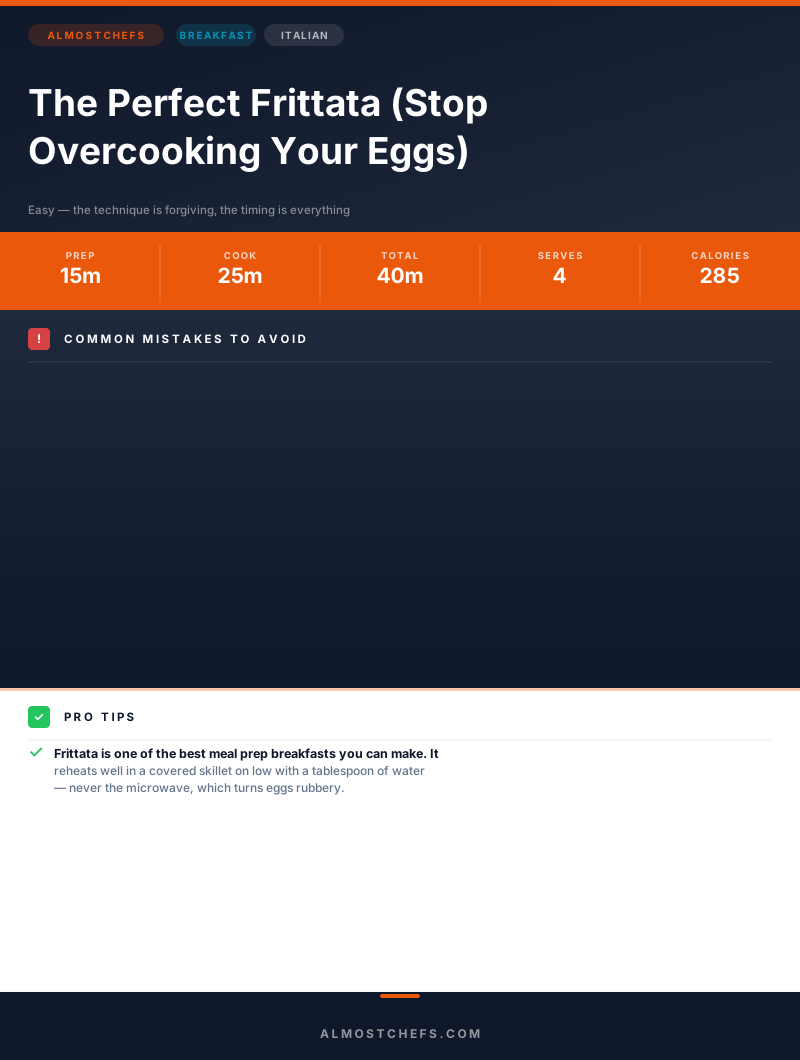
The Science of
The Perfect Frittata (Stop Overcooking Your Eggs)
We turned everything on this page into a beautiful, flour-proof PDF cheat sheet. Print it out, stick it to your fridge, and never mess up your the perfect frittata (stop overcooking your eggs) again.
*We'll email you the high-res PDF instantly. No spam, just perfectly cooked meals.
AlmostChefs Editorial Team
We translate the internet's most popular cooking videos into foolproof, beginner-friendly written recipes. We analyze multiple methods, test them in our kitchen, and engineer a single "Master Recipe" that gives you the best possible result with the least possible stress.