The Ultimate Fried Rice (Science-Backed Method)
A wok-tossed Asian staple that transforms day-old rice into a deeply savory, umami-rich meal in under 30 minutes. We broke down the most common home cook failures — soggy rice, bland flavor, rubbery eggs — and rebuilt the technique from the pan up.
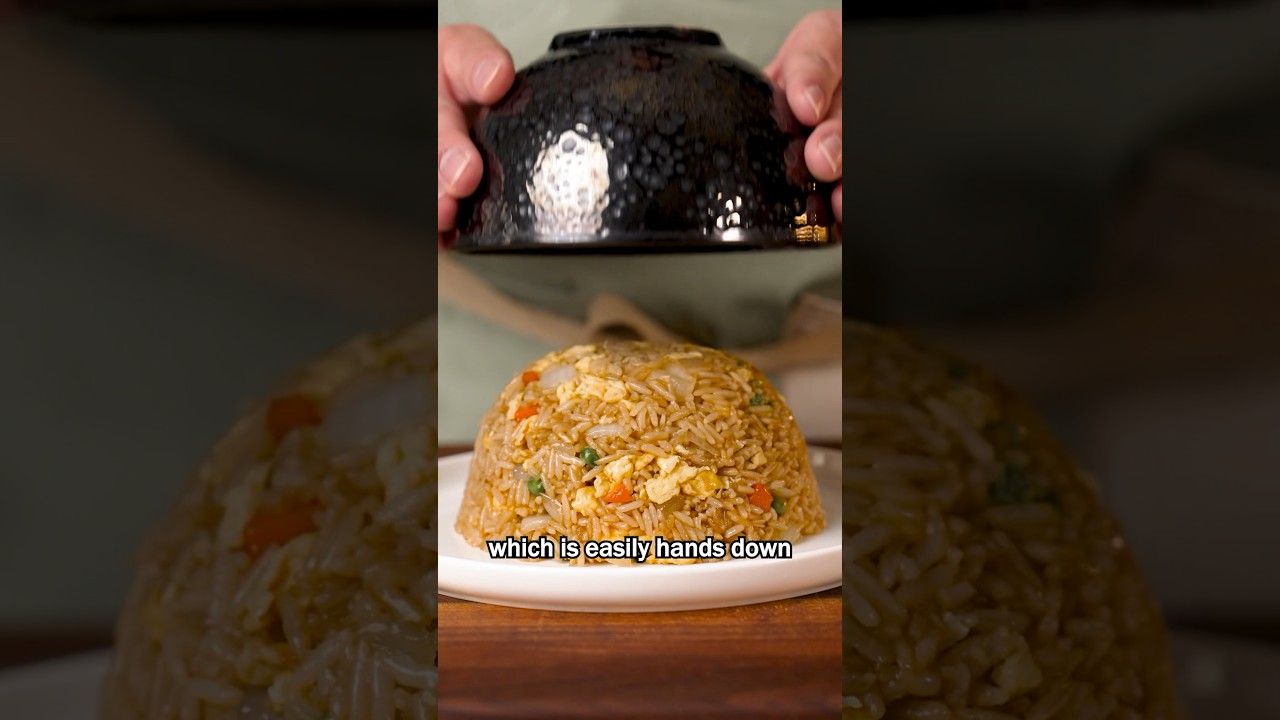
“Most homemade fried rice is steamed rice with stuff in it. Wet, clumped, flavorless stuff. The gap between takeout fried rice and the version you make at home comes down to one thing almost nobody does: using genuinely cold, day-old rice and a pan that's actually hot enough to fry it. Get those two right and everything else follows.”
Why This Recipe Works
Fried rice is a lesson in physics masquerading as a recipe. Every failure — the soggy clumps, the steamed-vegetable smell, the eggs like rubber stoppers — traces back to one root cause: the wrong relationship between moisture and heat. Fix that relationship and you don't need a restaurant wok, a special sauce, or fifteen ingredients.
The Rice Problem Is a Physics Problem
Starch granules in cooked rice absorb water as they cool. Fresh rice holds that water in suspension — the grains are soft, sticky, and loaded with surface moisture. When you drop fresh rice into a hot pan, that moisture vaporizes immediately and creates a steam environment inside the wok. You're no longer frying. You're steaming. The result is what everyone recognizes: dense, gluey rice that sticks to the pan and to itself.
Day-old rice that's been refrigerated uncovered has lost most of that surface moisture through evaporation. The starches have retrograded — recrystallized into a firmer structure that holds its shape under high heat. Each grain is an independent unit. It fries. It toasts. It takes on color. This is not a suggestion or a preference — it is the structural requirement for the dish to work.
If you don't have day-old rice, spread freshly cooked rice on a sheet pan and refrigerate it uncovered for at least an hour. You won't achieve the same result, but you'll get most of the way there.
Heat Is the Other Half
The wok or carbon steel skillet needs to be genuinely, uncomfortably hot before anything goes in. Not warm. Not shimmering. Hot enough that a drop of water vaporizes on contact in under a second. At that temperature, the rice grains make contact with the metal, undergo the Maillard reaction, and develop a faint crust. This is the texture that separates fried rice from steamed rice with vegetables mixed in.
Most home cooks start with medium-high and call it good. Medium-high is not enough. Crank the burner to its highest setting, wait a full 30 seconds after the oil is in, and only then start cooking. The aggressive initial heat is what creates the fond on the pan — those caramelized bits that flavor everything that follows.
The Egg Timing
Eggs cooked twice turn rubbery. The technique here — scramble in the same pan, remove before fully set, fold back in at the very end — keeps them tender because they finish cooking from carryover heat rather than direct flame. Fold, not stir. You want visible pieces of egg distributed through the rice, not a uniform yellow tint where the egg has broken down completely.
The Sauce Goes Around the Edge
Soy sauce poured directly onto a pile of rice creates wet spots. Those spots steam instead of fry. The fix: drizzle the soy sauce and oyster sauce around the perimeter of the wok where the metal is hottest. It hits the surface, flash-reduces in about two seconds, then coats the rice as you toss. The flavor that results is more concentrated and more evenly distributed than any other method.
Sesame oil comes off the heat entirely. It's a finishing oil — its volatile aromatic compounds are destroyed by sustained heat. Added to a still-hot pan after the burner is off, its fragrance stays vivid and clean. This final drizzle is what makes fried rice smell like fried rice.
The whole dish takes ten minutes once you're set up. The thirty minutes in the recipe is mostly mise en place — and that prep work is the actual job. Everything else is just paying attention to heat.
Where Beginners Mess This Up
Before we start, read this. These are the 4 reasons your the ultimate fried rice (science-backed method) will fail:
- 1
Using freshly cooked rice: Fresh rice holds too much moisture. The moment it hits a hot pan, steam releases and you get a gluey, sticking mass instead of individual toasted grains. Day-old rice from the fridge has had time to dry out — each grain is firm, separate, and ready to take on color and flavor from the pan.
- 2
Not getting the pan hot enough: Fried rice is a high-heat dish. If your pan isn't smoking hot before the rice goes in, the rice steams instead of fries. You want every grain to make contact with a searingly hot surface. A cast iron skillet or carbon steel wok cranked to high — not medium-high — is the minimum.
- 3
Scrambling the eggs separately and adding them last as an afterthought: Eggs cooked in a cold pan turn rubbery. Scramble them in the same hot oiled wok first, remove before they're fully set, then fold back in at the end. Carryover heat finishes them. This keeps them tender, custardy, and distributed throughout the rice rather than sitting in clumps.
- 4
Adding soy sauce directly to the rice: Pouring soy sauce onto a pile of rice creates wet spots that steam the grains. Drizzle it around the edges of the wok where it hits the hot metal first — it flash-reduces, concentrates, and then coats the rice evenly as you toss. The difference in depth of flavor is significant.
The Video Reference Library
Want to see it in action? Here are the exact videos we analyzed and combined to build this foolproof recipe translation:
The foundational technique video — covers the day-old rice rule, heat management, and the exact moment to add each ingredient. Watch this before you cook.
🛠️ Core Equipment
- Wok or large carbon steel skilletThe curved walls and concentrated heat of a wok are purpose-built for this technique. A flat skillet works but gives you less surface area for tossing. Whatever you use, it must be large enough that the rice is never more than an inch deep — overcrowding is the enemy.
- Wooden spoon or wok spatulaYou need to move the rice constantly and press it flat against the pan in passes. Metal spatulas work well on carbon steel and cast iron. Silicone works on nonstick but won't scrape the fond that builds on the pan surface — and that fond is flavor.
- High-heat oil with neutral flavorVegetable oil, peanut oil, or avocado oil. Olive oil smokes too early and adds the wrong flavor profile. Peanut oil is the traditional choice and brings a subtle nuttiness that reads as authentic.
The Ultimate Fried Rice (Science-Backed Method)
🛒 Ingredients
- ✦3 cups cooked day-old rice, chilled and broken into grains
- ✦2 large eggs, lightly beaten
- ✦2 tablespoons vegetable oil or peanut oil
- ✦3 cloves garlic, minced
- ✦1 teaspoon fresh ginger, minced
- ✦1 medium yellow onion, finely diced
- ✦1 medium carrot, cut into small dice
- ✦1 cup fresh or frozen peas
- ✦1 cup cooked protein (diced chicken, shrimp, or lean pork)
- ✦2 tablespoons low-sodium soy sauce
- ✦1 tablespoon oyster sauce
- ✦3 scallions, sliced into 1-inch pieces
- ✦1 teaspoon sesame oil
- ✦¼ teaspoon white pepper
- ✦Sea salt to taste
👨🍳 Instructions
01Step 1
Prepare your mise en place: mince garlic and ginger, dice onion and carrot, slice scallions, and break the chilled rice into individual grains with your hands.
02Step 2
Heat 1 tablespoon of oil in a large wok or skillet over medium-high heat until shimmering, about 1 minute.
03Step 3
Pour in the beaten eggs and scramble gently until just set and slightly fluffy, about 2 minutes. Remove to a clean plate before they're fully cooked.
04Step 4
Add the remaining tablespoon of oil to the same wok over high heat. Let it get very hot — about 30 seconds past shimmering.
05Step 5
Add minced garlic and ginger. Cook for 30 seconds, stirring constantly, until fragrant.
06Step 6
Add diced onion and carrot. Toss constantly for 2-3 minutes until the onion is translucent and carrot begins to soften.
07Step 7
Add the chilled rice in batches, pressing it flat against the pan and tossing continuously for 3-4 minutes to separate clumps and toast the grains.
08Step 8
Return the cooked protein to the wok and fold into the rice, stirring to distribute evenly, about 1 minute.
09Step 9
Drizzle soy sauce and oyster sauce around the edges of the wok — not directly onto the rice. Toss constantly for 1-2 minutes so the sauces reduce and coat every grain.
10Step 10
Add the peas and reserved scrambled eggs, folding gently to heat through without breaking up the egg pieces, about 1 minute.
11Step 11
Remove from heat. Drizzle sesame oil over the top and scatter sliced scallions across the surface.
12Step 12
Toss once more to distribute. Season with white pepper and sea salt, adjusting soy sauce if needed.
Nutrition Per Serving
Estimates based on standard preparation. Adjustments alter macros.
🔄 Substitutions
Instead of White rice...
Use Brown rice or wild rice blend
Nuttier, firmer texture with more fiber. Requires the same day-old technique — actually more forgiving because the bran layer protects against over-steaming.
Instead of Regular soy sauce...
Use Low-sodium soy sauce or coconut aminos
Low-sodium soy gives the same depth with about 40% less sodium. Coconut aminos adds slight sweetness and is naturally lower in sodium — you may need to add a touch more to reach the same salty depth.
Instead of Oyster sauce...
Use Hoisin sauce or miso paste diluted in water
Hoisin is sweeter and thicker — use slightly less. Miso delivers umami with a tangier, more complex note and adds beneficial probiotics.
Instead of Vegetable oil...
Use Avocado oil or refined coconut oil
Avocado oil is neutral and handles high heat well — a direct swap. Refined coconut oil adds faint sweetness without the tropical aroma of unrefined.
🧊 Storage & Reheating
In the Fridge
Store in an airtight container for up to 3 days. The flavors tighten and improve overnight as the soy sauce and sesame oil meld into the grains.
In the Freezer
Freeze in portioned containers for up to 2 months. Spread flat to freeze quickly and preserve grain texture.
Reheating Rules
Reheat in a hot skillet with a splash of water and a small drizzle of oil — this re-crisps the grains. Microwave works in a pinch but steams the rice back to soft. Cover with a damp paper towel and use 50% power.
❓ Frequently Asked Questions
Why is my fried rice soggy?
One of two things: you used fresh rice, or your pan wasn't hot enough. Fresh rice has too much surface moisture. Day-old, fridge-cold rice is the fix. If your rice is properly dry but still soggy, your heat is too low and the rice is steaming in its own vapor instead of frying.
Can I use freshly cooked rice in an emergency?
You can, barely. Spread it on a sheet pan immediately after cooking and put it in front of a fan or in the fridge uncovered for 30-45 minutes. You're trying to drive off as much surface moisture as possible before it hits the wok. Results will be better than cooking it straight from the pot, but still inferior to genuinely day-old rice.
What protein works best?
Day-old leftover protein works best — it's already cooked, slightly dried out, and won't release extra moisture into the wok. Char siu pork, rotisserie chicken, or frozen cooked shrimp (thawed and patted dry) are all excellent. Raw protein can work but needs to be cooked separately first, then added back.
Do I need a wok?
No, but it helps. A large cast iron skillet or stainless steel skillet achieves similar results at home stove temperatures. The key is surface area and heat retention — whatever pan you use, it needs to be large enough that the rice isn't piled more than an inch deep, and heavy enough to hold temperature when the cold rice hits it.
Why does restaurant fried rice taste different from homemade?
Wok hei — a smoky, lightly charred flavor created by commercial burners that run at 100,000+ BTUs. Home stoves max out around 15,000. You can get closer by using a carbon steel wok on the largest burner at full blast, but the gap is real. Restaurant fried rice also typically uses more oil and higher sodium — some of what reads as 'better flavor' is just fat and salt.
Can I make this vegetarian?
Easily. Omit the protein and oyster sauce, substitute a teaspoon of hoisin or an extra splash of soy sauce for the oyster sauce, and add firm tofu pressed and cut into small cubes. Add the tofu with the garlic and ginger so it has time to take on color before the rice goes in.
The Science of
The Ultimate Fried Rice (Science-Backed Method)
We turned everything on this page into a beautiful, flour-proof PDF cheat sheet. Print it out, stick it to your fridge, and never mess up your the ultimate fried rice (science-backed method) again.
*We'll email you the high-res PDF instantly. No spam, just perfectly cooked meals.
AlmostChefs Editorial Team
We translate the internet's most popular cooking videos into foolproof, beginner-friendly written recipes. We analyze multiple methods, test them in our kitchen, and engineer a single "Master Recipe" that gives you the best possible result with the least possible stress.