Crispy Fried Potatoes (The Texture Fix You've Been Missing)
Golden, shatteringly crisp on the outside and fluffy on the inside — fried potatoes done right. We broke down the science behind starch, moisture, and fat temperature to give you a foolproof method that works every single time, whether you're making a weeknight side or a weekend breakfast hash.
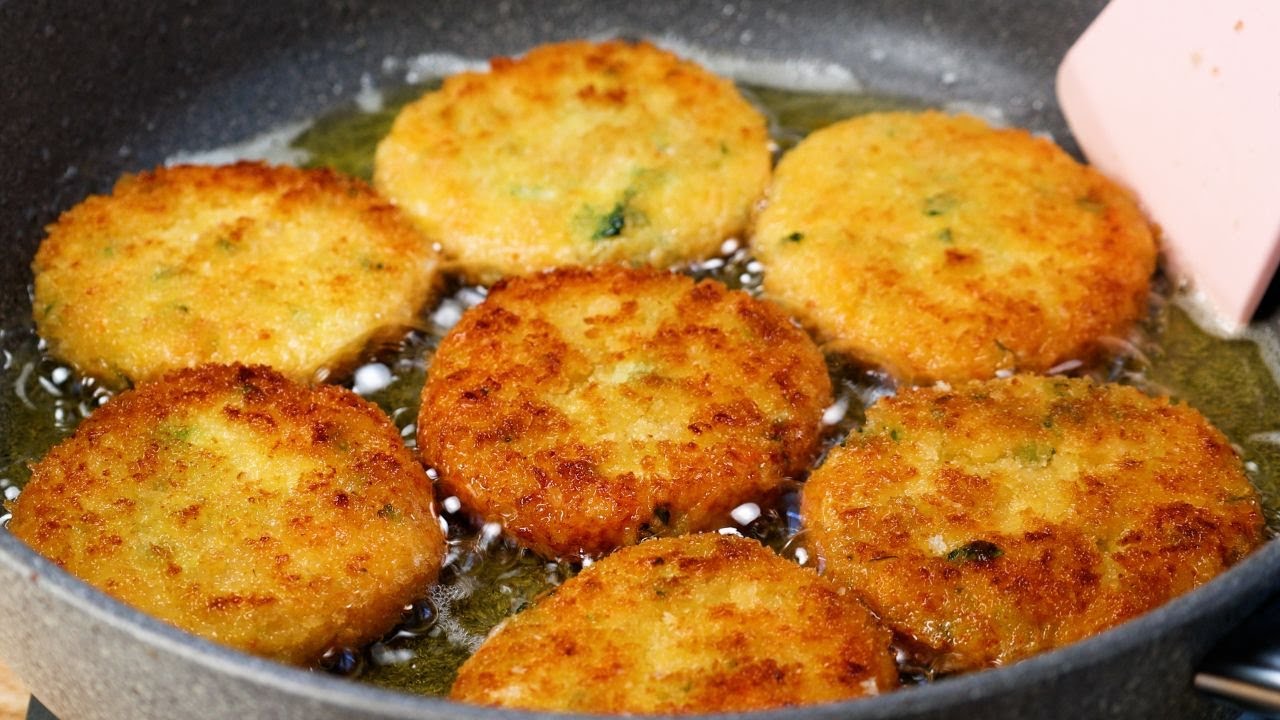
“Fried potatoes should be one of the easiest things you can make. Somehow, most people end up with soggy, pale, steam-cooked potato chunks that stick to the pan and taste like nothing. The gap between bad fried potatoes and transcendent fried potatoes comes down to three variables: starch, moisture, and fat temperature. Get all three right and you'll never make a sad potato again.”
Why This Recipe Works
Fried potatoes are the dish that convinces people they can't cook. They try it once, pull pale, soft chunks out of a pan coated in stuck bits, and decide potatoes are complicated. They are not. But they are unforgiving of the two or three specific mistakes that almost everyone makes exactly once before giving up. This recipe exists to stop that from happening.
The Moisture Problem Is the Whole Problem
A raw Yukon Gold potato is approximately 80% water by weight. That water has to go somewhere when heat is applied, and where it goes determines everything about the final texture. If the pan is hot enough and the surface of the potato is dry, the moisture near the surface evaporates almost instantly on contact, leaving behind a network of dried starch that crisps against the hot metal. If the pan is too cool, or the potato surface is wet, that moisture turns to steam — and steam holds the potato surface temperature at 212°F no matter how high your burner is set.
The Maillard reaction — the browning that produces flavor and crust — doesn't start until around 280°F. Steam actively prevents you from getting there. This is why the dry step is non-negotiable. Ten minutes on a paper towel isn't fussiness; it's the entire ballgame.
Cast Iron Is Not a Preference, It's a Physics Requirement
A 12-inch cast iron skillet holds heat differently than stainless or non-stick. Cast iron has high thermal mass, which means it stores a large amount of energy and releases it slowly and evenly. When you add four cups of cold, dense potato pieces to a stainless pan, the pan temperature drops sharply and takes time to recover. During that recovery window, your potatoes are sitting in a warm-but-not-hot environment — steaming, sticking, and developing no crust whatsoever.
Cast iron's thermal mass means the temperature drop is smaller and the recovery is faster. The potatoes hit near-frying temperatures almost immediately and stay there. The result is the kind of crust you see in diner breakfast photos — the one that looks like it was achieved with professional equipment. It wasn't. It was achieved with a pan that costs thirty dollars and lasts a lifetime.
Fat Selection Is a Science Decision
Avocado oil has a smoke point around 520°F, which means it can handle the heat levels required for proper searing without breaking down into bitter, acrid compounds. Olive oil — the instinct for most home cooks — has a smoke point of around 375°F for extra virgin, which means you're already burning your fat before the potatoes have a chance to brown. Refined olive oil performs better (around 465°F) but still loses the flavor argument to avocado oil at high heat.
The butter at the end is a completely different calculation. You're adding it off the heat specifically because you don't want it to cook — you want it to melt into a glossy coating that carries the spices and adds richness without the risk of burning. A thin metal spatula is the right tool for folding it through without breaking the crust you've spent 15 minutes building.
The Spice Timing Is Intentional
Smoked paprika contains volatile aromatic compounds that bloom beautifully in fat — but it also contains natural sugars that caramelize quickly and burn at sustained high heat. Adding the spice blend at the beginning of frying means 12 minutes of exposure to a 400°F pan surface. The result is bitter, acrid powder coating instead of sweet, smoky crust.
Adding the spice mix in the final minute of cooking gives the compounds just enough heat to bloom and adhere without crossing into burnt territory. The difference in flavor between early-add and late-add is not subtle. It is the difference between a side dish people ask about and one they politely finish.
Onions Are Not an Afterthought
Caramelized onion adds natural sweetness and depth that raw onion cannot. By sautéing the onion separately in the center of the pan — after the potatoes have developed their crust — you give it the uninterrupted contact time it needs to soften and begin to color. Tossing raw onion in with the potatoes at the start causes it to steam rather than sear, and you end up with limp, under-flavored allium draped over otherwise decent potatoes.
This dish has five ingredients and three steps. It also has zero margin for the specific mistakes that ruin it. Respect the heat, respect the moisture, and you'll make the best fried potatoes you've ever had.
Where Beginners Mess This Up
Before we start, read this. These are the 4 reasons your crispy fried potatoes (the texture fix you've been missing) will fail:
- 1
Adding potatoes to a cold or warm pan: Potatoes need to hit a screaming hot surface the moment they go in. A warm pan causes the potatoes to slowly steam in their own moisture instead of searing. You lose the crust before it ever forms. Preheat the pan for a full 2-3 minutes before any fat goes in.
- 2
Skipping the dry step: Raw potatoes are roughly 80% water by weight. If you slice them and throw them straight into the pan, all that moisture evaporates into steam — which keeps the temperature of the oil below the Maillard reaction threshold. Pat them dry with paper towels, or better yet, let them air-dry on a rack for 10 minutes after slicing.
- 3
Overcrowding the pan: Every potato slice you add to the pan drops its temperature. Pack too many in and the pan never recovers — you're braising, not frying. Work in a single layer with breathing room, or use a large cast iron pan and accept that two batches produce a better result than one overcrowded mess.
- 4
Stirring too often: A crust needs uninterrupted contact time with the hot surface. If you're moving the potatoes every 30 seconds out of anxiety, you're preventing the Maillard reaction from completing. Leave them alone for 4-5 minutes per side. They will release naturally when the crust has formed.
The Video Reference Library
Want to see it in action? Here are the exact videos we analyzed and combined to build this foolproof recipe translation:
The source video for this recipe. Clear walkthrough of heat management and crust-building technique with close-up shots that show exactly what the potatoes should look like before you flip.
Deep dive into the cast iron method — preheat timing, fat selection, and how to get that restaurant-quality golden crust at home without a flat-top grill.
A troubleshooting-first video that walks through the moisture and temperature failures most home cooks make. Excellent companion for understanding the science behind the technique.
🛠️ Core Equipment
- 12-inch cast iron skilletCast iron holds heat more consistently than any other material. When you add cold potatoes, it recovers temperature faster than stainless or non-stick. The heavy base is the single biggest factor in achieving even browning without hot spots.
- Sharp chef's knife or mandolineUniform thickness is not optional. Slices or cubes that are inconsistent in size cook at different rates — you end up with some pieces burnt and others raw. A mandoline set to 1/4 inch gives you perfect uniformity every time.
- Paper towels or clean kitchen towelFor drying the potatoes after slicing. Removing surface moisture before the pan is the single highest-leverage step in this recipe. A few extra seconds here eliminates the most common failure mode.
- Thin metal spatulaSilicone spatulas flex too much to cleanly scrape a crust off the pan surface. A thin, stiff metal spatula gets under the potato without breaking the crust you worked to build.
Crispy Fried Potatoes (The Texture Fix You've Been Missing)
🛒 Ingredients
- ✦2 pounds Yukon Gold potatoes, sliced 1/4 inch thick or cut into 3/4-inch cubes
- ✦3 tablespoons avocado oil or clarified butter
- ✦1 medium yellow onion, thinly sliced
- ✦4 cloves garlic, minced
- ✦1 teaspoon smoked paprika
- ✦1/2 teaspoon garlic powder
- ✦1/2 teaspoon onion powder
- ✦1/4 teaspoon cayenne pepper (optional)
- ✦1 teaspoon kosher salt, plus more to taste
- ✦1/2 teaspoon freshly ground black pepper
- ✦2 tablespoons unsalted butter (added at the end)
- ✦2 tablespoons fresh flat-leaf parsley, roughly chopped
👨🍳 Instructions
01Step 1
Slice or cube the potatoes and spread them in a single layer on a clean kitchen towel or paper towels. Pat the tops dry and let them air-dry for 10 minutes.
02Step 2
Combine the smoked paprika, garlic powder, onion powder, cayenne (if using), salt, and pepper in a small bowl. Set aside.
03Step 3
Heat a 12-inch cast iron skillet over medium-high heat for 2-3 minutes until it's genuinely hot — a drop of water should evaporate instantly on contact.
04Step 4
Add the avocado oil or clarified butter to the hot pan and swirl to coat. Immediately add the dried potato slices in a single layer. Do not stir.
05Step 5
Cook undisturbed for 5-6 minutes until the bottom is deeply golden and releases cleanly from the pan. Flip each piece and cook another 4-5 minutes.
06Step 6
Push the potatoes to the edges of the pan. Add the sliced onion to the center and sauté for 3-4 minutes until softened and beginning to caramelize.
07Step 7
Add the minced garlic to the onion and stir for 60 seconds until fragrant. Toss everything together and cook for 2 more minutes to meld the flavors.
08Step 8
Sprinkle the spice mixture evenly over the potatoes and toss to coat. Cook for 1 final minute to toast the spices.
09Step 9
Remove the pan from heat. Add the butter and toss until melted and coating every piece. Taste and adjust salt.
10Step 10
Transfer to a serving platter, scatter with fresh parsley, and serve immediately.
Nutrition Per Serving
Estimates based on standard preparation. Adjustments alter macros.
🔄 Substitutions
Instead of Avocado oil...
Use Refined coconut oil or vegetable shortening
Both have high smoke points suitable for high-heat frying. Shortening creates an exceptionally crispy crust. Avoid unrefined coconut oil — the smoke point is too low.
Instead of Yukon Gold potatoes...
Use Sweet potatoes
Shorter cook time — check at the 3-minute mark rather than 5. Higher sugar content means they brown faster and can burn before the center cooks through. Watch the heat.
Instead of Smoked paprika...
Use Regular sweet paprika plus a drop of liquid smoke
Approximates the smoked character. Use sparingly — liquid smoke is highly concentrated and can quickly overwhelm the dish.
Instead of Fresh parsley...
Use Fresh chives or dill
Chives add a mild onion note that complements the caramelized onion in the base. Dill skews the flavor profile toward Eastern European potato dishes — both are excellent.
🧊 Storage & Reheating
In the Fridge
Store in an airtight container for up to 3 days. They will soften in the fridge — this is unavoidable.
In the Freezer
Not recommended. Fried potatoes freeze poorly; the texture becomes mealy and wet upon thawing.
Reheating Rules
Spread in a single layer in a hot cast iron skillet with a small amount of oil. Heat over medium-high for 4-5 minutes without stirring to re-establish the crust. The microwave produces a steamed, soggy result — skip it.
❓ Frequently Asked Questions
Why are my fried potatoes always soggy?
One of three reasons: you didn't dry the potatoes before cooking, the pan wasn't hot enough before you added the oil, or you overcrowded the pan and caused the temperature to drop. All three result in steaming instead of frying. Fix the moisture and heat, and the problem disappears.
Should I boil potatoes before frying them?
You don't have to, but parboiling for 4 minutes gives you a creamier interior and speeds up the pan frying. The tradeoff is an extra step and a pot to clean. For a weeknight side, skip it. For a showstopper hash, do it.
What's the best potato for frying?
Yukon Gold for the best balance of crispy exterior and creamy interior. Russets for the fluffiest center (but they break apart more easily). Red potatoes for the best structural integrity (but less fluffy inside). Waxy varieties like fingerlings fry beautifully but take longer.
Can I use butter instead of oil?
Whole butter burns at the temperatures needed for proper frying (it starts browning around 300°F and burns above 350°F). Use clarified butter if you want the flavor of butter throughout — the milk solids have been removed, raising the smoke point to around 450°F. Or use oil to fry and finish with a knob of whole butter off the heat.
How do I keep fried potatoes crispy if I'm cooking in batches?
Transfer the finished batches to a wire rack set over a baking sheet in a 250°F oven. The rack prevents steam buildup (which would soften the crust if they were piled on a plate). Don't hold them for more than 20 minutes or they'll dry out.
Do I need to season the water if I parboil?
Yes — season it aggressively, like pasta water. Potatoes absorb salt readily during parboiling, which means your seasoning penetrates the interior instead of sitting only on the surface. Under-seasoned parboil liquid produces a flat-tasting result no matter how much you season after frying.

The Science of
Crispy Fried Potatoes (The Texture Fix You've Been Missing)
We turned everything on this page into a beautiful, flour-proof PDF cheat sheet. Print it out, stick it to your fridge, and never mess up your crispy fried potatoes (the texture fix you've been missing) again.
*We'll email you the high-res PDF instantly. No spam, just perfectly cooked meals.
AlmostChefs Editorial Team
We translate the internet's most popular cooking videos into foolproof, beginner-friendly written recipes. We analyze multiple methods, test them in our kitchen, and engineer a single "Master Recipe" that gives you the best possible result with the least possible stress.