Korean Fried Chicken and Tteokbokki (The Combo That Actually Makes Sense)
Crispy double-fried Korean chicken served alongside chewy rice cakes in a gochujang-anchovy broth. We broke down the most-watched Korean street food videos to isolate the double-fry timing, batter hydration, and sauce reduction that make this combination addictive rather than just filling.
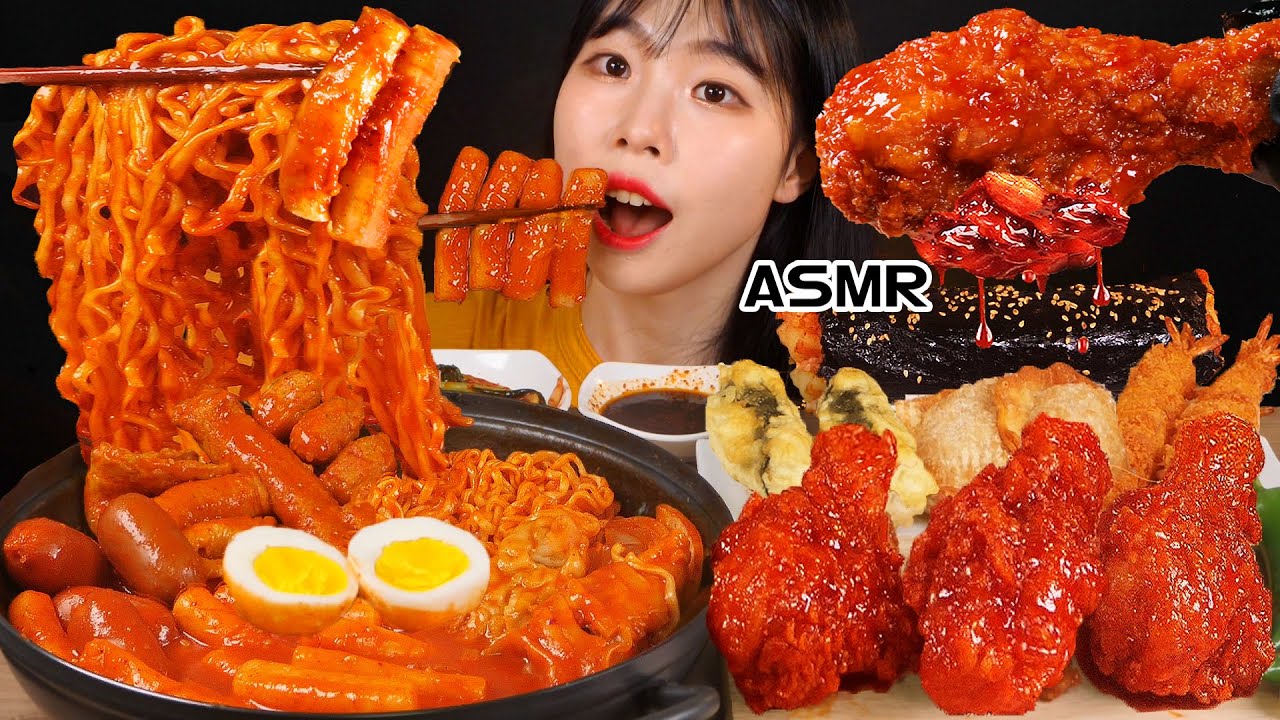
“Korean fried chicken and tteokbokki exist in the same food universe for a reason. The crunch of the double-fried batter against the dense chew of the rice cakes creates the kind of textural contrast that makes people order a second plate before they've finished the first. Most home versions fail because cooks treat the two components separately instead of engineering them to land on the plate at the same time with complementary sauces. This recipe solves both.”
Why This Recipe Works
Korean fried chicken and tteokbokki is not a fusion concept invented by a food blogger trying to be clever. It is a real pairing eaten at pojangmacha street stalls across Seoul, born from the logic that the crunch of shatteringly crisp batter and the dense, bouncy resistance of rice cakes cooked in gochujang sauce create exactly the kind of textural contrast that rewires your brain's reward circuitry after the first bite. The reason most home versions disappoint is not the ingredients. It's the failure to understand that each component has a non-negotiable technical requirement — and those requirements do not compromise.
The Double Fry Is Not Optional
Korean fried chicken has a distinct identity within the global fried chicken canon, and it comes down entirely to the double-fry technique. The first fry at 325°F is purely thermal — you are cooking the meat through without worrying about the crust. Chicken thighs and drumsticks are dense, and driving them to 165°F internally takes 8-10 minutes. At this stage, the crust is pale, soft, and full of moisture. It looks underdone. That is correct.
The second fry at 375°F is mechanical. You are not cooking anymore. You are dehydrating. The higher temperature drives residual moisture out of the batter faster than it can steam-soften the crust from the inside. The result is a coating that shatters rather than bends — a distinction you can hear as much as feel when you bite through it. A heavy-bottomed Dutch oven is essential for maintaining temperature through both fry cycles; thin pots lose heat the moment cold chicken enters the oil and never fully recover.
The batter formula matters as much as the technique. Potato starch mixed with all-purpose flour creates a harder shell than flour alone — potato starch gelatinizes at higher temperatures, forming a rigid matrix that resists softening. Cold sparkling water slows gluten development and introduces CO2 bubbles that expand into air pockets during frying, producing a lighter, more delicate texture than flat water. Mix the batter until barely combined. Lumps are evidence of proper technique, not carelessness.
The Rice Cake Problem Nobody Talks About
Tteok is made from compressed rice flour with very low moisture content. This is what gives it that distinctive, almost rubbery chew — the dense, springy resistance that acts as a counterpoint to the chicken's crunch. But that same density means tteok heats from the outside in, and the outside absorbs flavor while the center stays cold and hard unless you give it time to rehydrate before it hits the pan.
The 30-minute cold water soak loosens the compressed starch structure and allows water to begin penetrating the grain. When the pre-soaked tteok hits the hot gochujang broth, heat travels inward through a structure that's already partially hydrated, allowing even cooking all the way through. Skip this step and you get sauce-glazed rocks with chalky interiors — technically edible, texturally wrong.
The anchovy-kelp broth base is the other variable that separates restaurant tteokbokki from flat home versions. Dried anchovies and kelp simmer down into a broth dense with glutamates — the same umami compounds that make dashi, Parmesan, and soy sauce addictive. This broth is the liquid the gochujang sauce reduces into. Without it, the sauce tastes bright and spicy but one-dimensional. With it, there's a savory depth that makes the heat feel rounder and more complex. A wide sauté pan ensures every rice cake sits in contact with the sauce rather than steaming the ones at the top.
The Sauce Architecture
Gochujang is fermented chili paste — not just spice, but a full profile of sweet, savory, and fermented funk built on fermented soybeans and glutinous rice. Combined with gochugaru for additional heat and freshness, soy sauce for salt and depth, and honey and sugar to balance, you build a sauce that reduces to a lacquer-like gloss around the rice cakes. The sesame oil added at the end is not a cooking fat — it is a finishing note, aromatic and nutty, added off-heat so it doesn't cook off.
Timing matters here. The sauce reduces faster than the tteok cooks, so if you're not careful you end up with a paste rather than a sauce. Pull the pan before the sauce reaches your target consistency. Residual heat in the tteok and the pan will do the rest. Serve everything the moment it's plated — this dish is calibrated for the first five minutes after it leaves the pan, and the window closes fast.
Where Beginners Mess This Up
Before we start, read this. These are the 4 reasons your korean fried chicken and tteokbokki (the combo that actually makes sense) will fail:
- 1
Skipping the double fry: Single-fried Korean chicken loses its crunch within five minutes. The double-fry technique — first at lower heat to cook through, second at high heat to set the crust — drives residual moisture out of the batter before it can steam-soften the coating. One fry gives you fried chicken. Two fries give you Korean fried chicken. The difference is architectural, not cosmetic.
- 2
Using fresh tteok straight from the package: Store-bought rice cakes are dense and cold. Dropping them directly into the sauce means the outside absorbs flavor while the inside stays chalky and hard. Soak refrigerated tteok in cold water for 20-30 minutes before cooking to loosen their structure and allow even heat penetration. Frozen tteok needs a full hour.
- 3
Reducing the sauce too aggressively: Gochujang sauce thickens fast. If you reduce it to the consistency you want before the tteok finishes cooking, you'll end up with a paste that burns on the bottom of the pan and coats the rice cakes in an uneven crust rather than a glossy sauce. Pull the sauce off heat while it's still slightly thinner than you want — residual heat will finish it.
- 4
Battering the chicken too early: Wet batter sitting on chicken draws moisture to the surface and turns the coating gummy before it hits the oil. Dredge, let the batter set for two minutes maximum, then fry immediately. Prep everything else before you touch the batter.
The Video Reference Library
Want to see it in action? Here are the exact videos we analyzed and combined to build this foolproof recipe translation:
The source video for this recipe's technique — close-up coverage of the double-fry timing, the batter consistency, and the gochujang sauce reduction. Particularly useful for understanding what the sauce should look like before you add the rice cakes.
Deep dive into anchovy broth construction and sauce layering for tteokbokki. Covers the soaking step and explains why the tteok texture changes depending on broth salinity.
Side-by-side comparison of single vs. double fry results with a full breakdown of batter hydration ratios. Best reference for understanding the science behind the crunch.
🛠️ Core Equipment
- Deep heavy-bottomed pot or Dutch ovenOil temperature stability is everything in deep frying. A thin pot loses 20-30 degrees the moment cold chicken hits the oil, producing greasy batter instead of a clean crisp crust. Cast iron or thick stainless steel recovers temperature fast enough to maintain the fry.
- Instant-read thermometerFirst fry needs 325°F, second fry needs 375°F. Guessing oil temperature by eye produces inconsistent results — you'll over-fry one batch and under-fry the next. A thermometer removes the variable.
- Wide, shallow sauté panTteokbokki needs surface area to cook evenly in the sauce. A deep pot causes the rice cakes to pile on top of each other and cook unevenly. A wide pan keeps everything in a single layer in contact with the sauce.
- Wire rack set over a sheet panResting fried chicken on paper towels traps steam underneath and softens the bottom crust. A wire rack lets air circulate on all sides, preserving the crunch while you finish the second component.
Korean Fried Chicken and Tteokbokki (The Combo That Actually Makes Sense)
🛒 Ingredients
- ✦2 pounds bone-in chicken thighs and drumsticks
- ✦1 cup all-purpose flour
- ✦1/2 cup potato starch
- ✦1 teaspoon baking powder
- ✦1 teaspoon garlic powder
- ✦1 teaspoon onion powder
- ✦1 teaspoon fine sea salt
- ✦1/2 teaspoon white pepper
- ✦1 cup cold sparkling water
- ✦1 egg
- ✦Neutral oil for frying (vegetable or canola)
- ✦1 pound cylindrical tteok (Korean rice cakes), soaked 30 minutes
- ✦3 cups anchovy-kelp broth (or water)
- ✦3 tablespoons gochujang
- ✦1 tablespoon gochugaru (Korean red pepper flakes)
- ✦2 tablespoons soy sauce
- ✦1 tablespoon sugar
- ✦1 tablespoon honey
- ✦2 teaspoons sesame oil
- ✦3 cloves garlic, minced
- ✦2 stalks green onion, cut into 2-inch pieces
- ✦2 hard-boiled eggs, halved (optional)
- ✦Toasted sesame seeds for garnish
- ✦Sliced green onion for garnish
👨🍳 Instructions
01Step 1
Soak the tteok in cold water for 30 minutes. If using frozen rice cakes, soak for at least 60 minutes. Drain before using.
02Step 2
Pat the chicken pieces completely dry with paper towels. Season lightly with salt and white pepper and let sit uncovered at room temperature for 15 minutes.
03Step 3
Whisk together the flour, potato starch, baking powder, garlic powder, onion powder, salt, and white pepper in a large bowl. In a separate bowl, whisk the egg into the cold sparkling water.
04Step 4
Add the wet ingredients to the dry and mix until just combined — lumps are fine and expected. The batter should be the consistency of thin pancake batter. Do not overmix.
05Step 5
Heat 3 inches of oil in a heavy-bottomed pot to 325°F. Dredge chicken pieces one at a time in the batter, letting excess drip off, then lower carefully into the oil. Fry in batches for 8-10 minutes, turning halfway, until pale golden and cooked through (internal temp 165°F). Transfer to a wire rack.
06Step 6
While the first-fried chicken rests, make the tteokbokki sauce. Combine gochujang, gochugaru, soy sauce, sugar, honey, and minced garlic in a small bowl and mix well.
07Step 7
Pour the anchovy-kelp broth into a wide sauté pan over medium-high heat. Add the sauce mixture and stir to combine. Bring to a simmer.
08Step 8
Add the drained tteok to the simmering sauce. Cook for 8-10 minutes, stirring frequently, until the rice cakes are tender all the way through and the sauce has thickened to a glossy, clingy consistency. Add green onion pieces in the last 2 minutes.
09Step 9
Raise the frying oil temperature to 375°F. Return the rested chicken to the oil and fry a second time for 2-3 minutes until deep golden brown and audibly crackling. Transfer to the wire rack immediately.
10Step 10
Add the hard-boiled egg halves to the tteokbokki pan and drizzle with sesame oil. Remove from heat.
11Step 11
Plate the tteokbokki and arrange the fried chicken alongside or on top. Garnish with toasted sesame seeds and sliced green onion. Serve immediately.
Nutrition Per Serving
Estimates based on standard preparation. Adjustments alter macros.
🔄 Substitutions
Instead of Anchovy-kelp broth...
Use Chicken broth or plain water
Loses the umami depth but still produces a functional sauce. Add a teaspoon of fish sauce to compensate if using chicken broth.
Instead of Gochujang...
Use Doenjang (Korean soybean paste) mixed with sriracha
Different flavor profile — earthier and less sweet than gochujang. Use a 2:1 ratio of doenjang to sriracha. Not traditional but works in a pinch.
Instead of Tteok (rice cakes)...
Use Sliced rice flour gnocchi or sliced mochi
Not a true substitute but provides similar chew. Mochi gets very sticky when cooked in sauce — reduce sauce cooking time by half.
Instead of Bone-in chicken thighs...
Use Boneless chicken thighs or chicken tenders
Boneless cooks faster — reduce first fry time to 5-6 minutes. Tenders are ideal for a faster weeknight version and cook in 4-5 minutes per fry.
🧊 Storage & Reheating
In the Fridge
Store fried chicken and tteokbokki separately in airtight containers for up to 2 days. The chicken crust will soften — re-crisp in an air fryer at 400°F for 4-5 minutes.
In the Freezer
Freeze tteokbokki (without eggs) for up to 1 month. The chicken does not freeze well after frying — batter becomes soggy on reheating. Freeze uncooked marinated chicken instead.
Reheating Rules
Reheat tteokbokki in a pan over medium heat with a splash of water to loosen the sauce. Do not microwave — it makes the rice cakes rubbery. Re-fry chicken briefly rather than microwaving.
❓ Frequently Asked Questions
Why is my fried chicken batter falling off in the oil?
Two causes: surface moisture on the chicken before battering, or batter that's too thin. Pat the chicken completely dry before dredging. If batter drips off the chicken in a stream rather than a thin coat, add 2 tablespoons of flour to thicken it. Also make sure your oil is at temperature before adding chicken — cold oil causes batter to separate before it sets.
My tteok turned mushy. What went wrong?
Either the rice cakes were over-soaked (more than 2 hours) or they cooked in the sauce too long. Tteok goes from firm to perfectly tender to mushy in a narrow window — check texture at 8 minutes and pull immediately when they're uniformly soft.
Can I bake the chicken instead of frying it?
You can, but you will not get Korean fried chicken. Baking produces a different texture entirely — the crust is drier and less shatteringly crisp. If you want to reduce oil, try an air fryer at 400°F for 18-20 minutes, flipping halfway. It's not identical but it's closer than oven baking.
How spicy is this dish?
Moderately spicy with the recipe as written. The gochujang provides a slow, building heat rather than immediate fire. To reduce heat, use 2 tablespoons gochujang and omit the gochugaru. To increase heat, add 1-2 teaspoons of gochugaru or a splash of Korean hot sauce.
Do I need to make the anchovy broth from scratch?
No, but you'll taste the difference. Dried anchovy broth packets (available at Korean grocery stores) work as a shortcut — dissolve one packet in 3 cups of hot water. Plain water produces a flatter sauce. The anchovy broth adds a savory, oceanic umami that makes the gochujang sauce taste like it came from a restaurant.
Can I make the tteokbokki sauce ahead of time?
Yes — the sauce base (gochujang, gochugaru, soy sauce, sugar, honey, garlic mixed together) keeps in the fridge for up to 2 weeks. Do not pre-cook the tteok in the sauce ahead of time; rice cakes absorb liquid continuously and will be bloated and soft by the time you serve.

The Science of
Korean Fried Chicken and Tteokbokki (The Combo That Actually Makes Sense)
We turned everything on this page into a beautiful, flour-proof PDF cheat sheet. Print it out, stick it to your fridge, and never mess up your korean fried chicken and tteokbokki (the combo that actually makes sense) again.
*We'll email you the high-res PDF instantly. No spam, just perfectly cooked meals.
AlmostChefs Editorial Team
We translate the internet's most popular cooking videos into foolproof, beginner-friendly written recipes. We analyze multiple methods, test them in our kitchen, and engineer a single "Master Recipe" that gives you the best possible result with the least possible stress.