Brioche French Toast That Actually Gets Crispy (18-Minute Masterclass)
Thick-cut brioche soaked in a vanilla-cinnamon custard and pan-fried until caramelized on the outside, custardy in the center. We broke down the most common home cook failures to build one foolproof method that delivers restaurant-quality results every time.
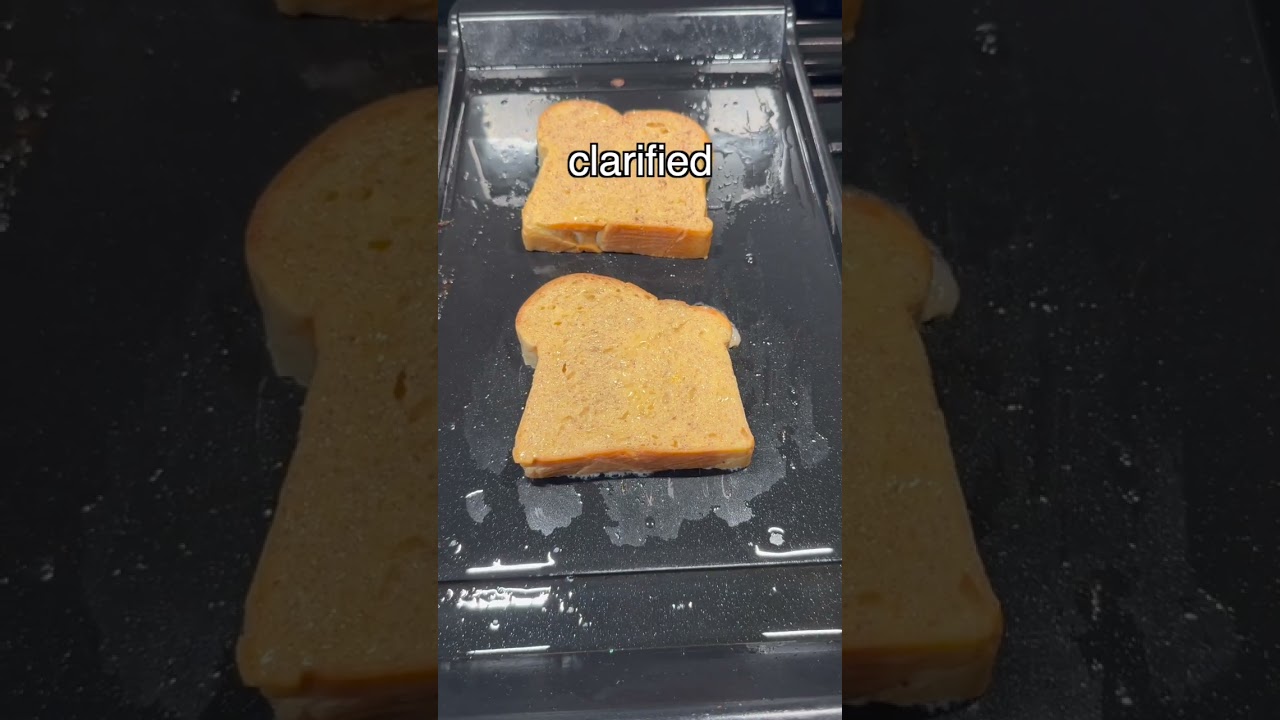
“Most French toast fails the same way: soggy bread, rubbery eggs, pale exteriors that never properly caramelized. The fix is not a better recipe — it's understanding that you're making a custard, not scrambled eggs on bread. Brioche, a hot pan, and two to three seconds per side in the custard is all that separates forgettable French toast from the kind that makes you cancel your brunch reservation.”
Why This Recipe Works
French toast is a confidence problem masquerading as a recipe problem. The technique is not complex. The ingredients are not exotic. But a generation of home cooks has produced soggy, pale, rubbery breakfast food because no one explained what they were actually making: a shallow-fried custard delivery system. The bread is not the main ingredient. The custard is. And custard has rules.
The Bread Question
Brioche exists specifically for this application. It's an enriched dough — flour, eggs, butter, and milk baked into a loaf — which means the crumb structure is soft, slightly sweet, and porous enough to accept custard without structural collapse. The fat content in the bread itself contributes to browning; brioche caramelizes faster and deeper than plain white bread, giving you that mahogany crust in the same amount of time it takes regular bread to turn a pale tan.
Thickness is structural, not stylistic. At three-quarter inch, you have enough interior depth to maintain a custardy center while the exterior crisps. Thinner bread cooks all the way through in the same time the crust forms, which means no contrast — just uniform, slightly eggy toast. The difference between French toast and fancy toast is that interior softness, and it requires mass.
Custard Ratio
Three eggs to three-quarters cup of dairy is the ratio here, and it's calibrated. Too many eggs relative to milk and you get scrambled eggs on bread — the protein sets firm and rubbery. Too much dairy and the custard is so thin it pools at the bottom of the bread before it can set, giving you a wet base and a dry top. This ratio produces a silky, pourable custard that coats evenly, sets gently, and stays creamy through the cook.
The heavy cream is doing real work. The fat in cream forms a protective network around the egg proteins, slowing the rate at which they coagulate and keeping the interior softer and more custardy than an all-milk custard would produce. This is the same principle that separates crème brûlée from scrambled eggs: more fat means slower protein set means silkier texture.
The Maillard Requirement
French toast needs caramelization, and caramelization requires adequate heat. Medium heat means the butter foams vigorously when it hits the pan and the bread sears on contact. You should hear it. If the bread settles into the pan silently, the heat is too low, and you're steaming the custard instead of searing the surface. Steamed French toast has no crust, no color, and no reason to exist.
A nonstick skillet or griddle is the right tool here. Cast iron holds heat beautifully but responds slowly to adjustments, which makes it unforgiving for a fast-cooking dish like this. Nonstick gives you the heat you need with the control to modulate between batches without scorching. Use it at medium and trust the timing.
Why the Orange Zest Matters
This is the ingredient most people skip and most recipes apologize for including. Don't. The volatile oils in orange zest — primarily limonene — are flavor amplifiers. They don't make the French toast taste like orange. They cut through the richness of the egg-cream custard and elevate every other flavor in the dish. The vanilla reads cleaner. The cinnamon reads warmer. The overall effect is brightness that keeps a rich dish from feeling heavy. Half a teaspoon is enough to do the work invisibly. Leave it out and the custard tastes flat in a way you can sense but not identify.
The Temperature Hold Problem
Cooking French toast in batches creates a problem: the first slices get cold while the last slices cook. The foil tent solution most recipes offer actually makes this worse — foil traps steam, and steam softens the crust you just spent four minutes building. A 200°F oven with a wire rack is the correct answer. Air circulates around the slices, the crust stays intact, and everything arrives at the table at the same temperature. The wire rack detail is not precious; it's the difference between crispy and soggy by the time you sit down.
Where Beginners Mess This Up
Before we start, read this. These are the 4 reasons your brioche french toast that actually gets crispy (18-minute masterclass) will fail:
- 1
Soaking the bread too long: Two to three seconds per side is the window. Brioche and challah are soft, enriched breads with an open crumb that absorbs liquid aggressively. Any longer than a few seconds and the custard floods the interior structure, turning the bread into a wet sponge that steams instead of searing. You want a moistened surface, not a saturated core.
- 2
Cooking over heat that's too low: French toast needs medium heat — not low, not medium-low. Low heat means the butter never gets hot enough to trigger the Maillard reaction, and you end up with pale, steamed bread with no crust. The exterior should be deep golden with lightly caramelized edges within 3-4 minutes. If it's taking longer, your pan is not hot enough.
- 3
Using thin-cut bread: Three-quarter inch is the minimum. Thin sandwich bread doesn't have enough structural depth to maintain an interior custard while the exterior crisps. It goes from raw to overdone in seconds. Thick-cut brioche or challah is load-bearing architecture — the thickness is functional, not aesthetic.
- 4
Not preheating the pan: Two full minutes of preheating before the butter goes in. A cold or unevenly heated pan means the first slices cook at lower temperature while the surface catches up, leading to inconsistent browning across the batch. Preheat until the pan is uniformly hot, then add butter and work fast.
The Video Reference Library
Want to see it in action? Here are the exact videos we analyzed and combined to build this foolproof recipe translation:
The primary technique reference. Focus on the custard ratio and the dip timing — this video gets the two-to-three second window exactly right and shows the target golden color clearly.
🛠️ Core Equipment
- Large griddle or nonstick skilletSurface area matters for batch efficiency. A wide griddle lets you cook 3-4 slices simultaneously, keeping everything warm and at the same doneness. A small pan means multiple staggered batches at varying temperatures.
- Shallow wide bowlThe custard dip requires the bread to lay flat and coat in a single motion. Deep bowls force you to tilt the bread awkwardly, leading to uneven soaking. Wide and shallow gives you full control.
- Microplane or fine graterFor the orange zest and fresh nutmeg. Pre-ground nutmeg is functionally flavorless compared to freshly grated. The microplane also produces finer zest that distributes evenly through the custard instead of clumping.
- Offset spatula or wide fish spatulaThin, flexible blade slides cleanly under a custard-soaked slice without tearing. Regular spatulas catch on the softened bread and collapse the structure mid-flip.
Brioche French Toast That Actually Gets Crispy (18-Minute Masterclass)
🛒 Ingredients
- ✦8 slices brioche or challah bread, cut 3/4-inch thick
- ✦3 large eggs
- ✦1/2 cup whole milk
- ✦1/4 cup heavy cream
- ✦1 teaspoon pure vanilla extract
- ✦1/2 teaspoon ground cinnamon
- ✦1/4 teaspoon freshly grated nutmeg
- ✦2 tablespoons granulated sugar
- ✦1/2 teaspoon fresh orange zest
- ✦1 pinch fine sea salt
- ✦3 tablespoons unsalted butter, divided
- ✦Maple syrup for serving
- ✦Fresh berries for serving
- ✦Powdered sugar for dusting (optional)
👨🍳 Instructions
01Step 1
Whisk together the eggs, whole milk, heavy cream, vanilla extract, cinnamon, nutmeg, granulated sugar, orange zest, and salt in a shallow bowl until the mixture is completely smooth and well combined.
02Step 2
Heat a large griddle or nonstick skillet over medium heat for 2 minutes until evenly preheated.
03Step 3
Add 1 tablespoon of unsalted butter to the griddle and allow it to melt completely, coating the entire cooking surface.
04Step 4
Working quickly, dip each brioche slice into the custard mixture for 2-3 seconds per side, ensuring it is moistened but not oversaturated.
05Step 5
Place 3-4 custard-coated bread slices onto the hot buttered griddle in a single layer.
06Step 6
Cook the bread slices for 3-4 minutes until the bottom becomes deep golden brown with caramelized edges.
07Step 7
Flip each slice carefully and cook the opposite side for another 3-4 minutes until equally golden and crispy.
08Step 8
Transfer the cooked French toast to a warm plate and tent loosely with foil to keep warm while finishing remaining batches.
09Step 9
Add the remaining butter to the griddle between batches and repeat the dip and cook process with the remaining bread slices.
10Step 10
Serve immediately while still crispy, drizzled with pure maple syrup and scattered with fresh berries.
11Step 11
Dust lightly with powdered sugar if desired, and serve alongside fresh whipped cream or Greek yogurt.
Nutrition Per Serving
Estimates based on standard preparation. Adjustments alter macros.
🔄 Substitutions
Instead of Whole milk and heavy cream...
Use Unsweetened almond milk or oat milk mixed with 2 tablespoons Greek yogurt
Slightly lighter flavor and texture. The yogurt compensates for the missing fat by adding body and mild acidity. Reduce the custard dip time by one second — plant milks absorb faster.
Instead of Granulated sugar...
Use 1 tablespoon honey or pure maple syrup
Deeper, more complex sweetness with a slightly smoother custard texture. Liquid sweeteners integrate more evenly than granulated sugar, which can sometimes leave undissolved crystals.
Instead of Brioche or challah bread...
Use Whole wheat or sprouted grain bread, cut thick
Nuttier flavor and denser crumb. Requires a slightly shorter custard dip — about 1-2 seconds per side — to prevent sogginess. The denser crumb resists saturation more aggressively than enriched bread.
Instead of Unsalted butter...
Use Coconut oil or ghee
Ghee adds richness with a higher smoke point, meaning you can run the pan slightly hotter without burning. Coconut oil adds subtle sweetness and lightness. Both work well — ghee is the closer flavor match to butter.
🧊 Storage & Reheating
In the Fridge
Store cooled slices in an airtight container for up to 2 days. Separate layers with parchment paper to prevent sticking.
In the Freezer
Freeze in a single layer on a baking sheet until solid, then transfer to a zip-lock bag for up to 1 month. Reheat directly from frozen.
Reheating Rules
Reheat in a 350°F oven on a wire rack for 8-10 minutes until the exterior crisps back up. The toaster works in a pinch. The microwave softens the crust entirely — avoid it.
❓ Frequently Asked Questions
Why is my French toast soggy in the middle?
Either the bread soaked too long in the custard, or the heat was too low. Low heat means the exterior doesn't set fast enough to trap the interior custard, and it stays wet throughout. Medium heat and a 2-3 second dip are both non-negotiable.
Can I make the custard the night before?
Yes. Whisk the custard and store it covered in the fridge overnight. The spices actually bloom more fully in the liquid over several hours, producing a slightly more complex flavor. Stir before using.
What bread works if I can't find brioche?
Challah is the closest equivalent — same enriched dough, similar crumb structure. Texas toast (thick-cut white sandwich bread) is the best grocery store fallback. Regular thin sandwich bread will not hold up; it disintegrates in the custard.
How do I keep the first batch warm while I finish cooking?
Place finished slices in a 200°F oven on a wire rack over a baking sheet. The rack allows air circulation so the bottom doesn't steam and go soft. Do not stack slices — they'll trap moisture between them and lose the crust.
Why add orange zest to French toast?
The volatile oils in citrus zest cut through the richness of the egg-cream custard and prevent the dish from tasting heavy or cloying. You should not be able to identify it as orange — you should just notice that the custard tastes brighter and more complex than expected.
Can I use egg whites only to reduce cholesterol?
You can, but the custard will be significantly thinner and less custardy. Egg yolks contain the lecithin that emulsifies the custard and gives it body. A compromise: use 2 whole eggs plus 1 egg white for a lighter version that still has structural integrity.

The Science of
Brioche French Toast That Actually Gets Crispy (18-Minute Masterclass)
We turned everything on this page into a beautiful, flour-proof PDF cheat sheet. Print it out, stick it to your fridge, and never mess up your brioche french toast that actually gets crispy (18-minute masterclass) again.
*We'll email you the high-res PDF instantly. No spam, just perfectly cooked meals.
AlmostChefs Editorial Team
We translate the internet's most popular cooking videos into foolproof, beginner-friendly written recipes. We analyze multiple methods, test them in our kitchen, and engineer a single "Master Recipe" that gives you the best possible result with the least possible stress.