The Perfect French Dip Sandwich (Your Au Jus Is the Problem)
Thinly sliced braised beef piled onto crusty whole grain rolls with a rich, from-scratch au jus built on aromatics, balsamic, and Worcestershire. We broke down the most popular methods to give you one foolproof technique that nails the broth every time.
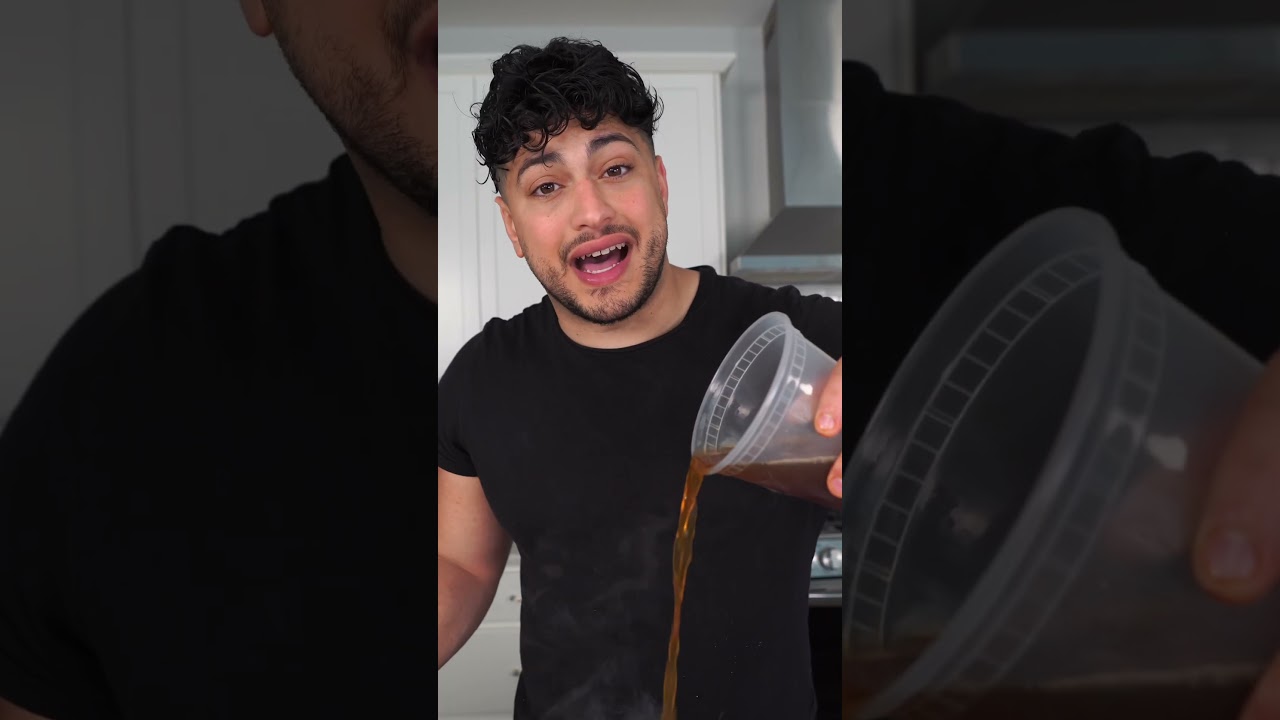
“Most French dip failures aren't the beef. They're the au jus. Restaurant versions hide mediocre broth behind sodium and MSG. Make it at home and you're forced to build flavor properly — which means aromatics, a real sear, balsamic for depth, and enough braising time to let the collagen do the work. Get those right and the sandwich takes care of itself.”
Why This Recipe Works
The French dip is not a complicated sandwich. It's a translation problem. Every version you've eaten at a deli or chain restaurant is a compression of what the sandwich could be — thin beef, thin broth, bread that gives up at the first contact with liquid. The home version wins not because it's harder but because you don't have to cut corners that the restaurant can't avoid.
The Braise Is the Broth
Most people think about French dip as a beef sandwich with a sauce on the side. Wrong frame. It's a broth dish that happens to produce a sandwich as a byproduct. The entire flavor of the au jus comes from the 3-hour conversation between the seared beef, the aromatics, and the liquid. There are no shortcuts because the collagen breakdown that gives the broth its body takes time at low heat — 200-205°F internal, not boiling.
The sear is where this conversation starts. When the beef hits a shimmering Dutch oven, hundreds of Maillard reactions happen simultaneously across the surface. The resulting crust — dark brown, slightly caramelized — dissolves over three hours into the broth and becomes its backbone. Skip the sear and you're braising in water with aspirations.
Building the Au Jus
After straining, the broth is neutral and clean. The finishing step is where you push it somewhere specific. Worcestershire adds fermented umami depth. Balsamic adds acidity and a subtle sweetness that rounds out the beef's richness without reading as sweet. Dijon adds emulsified body — it slightly thickens the broth and makes it cling to the bread rather than sliding off. These three ingredients are small in quantity and large in effect. Leave them out and you have braising liquid. Add them and you have au jus.
Taste the broth after you add them, before you add salt. The Worcestershire and Dijon both carry sodium. Season last, not first.
The Bread Problem
Rolls fail French dip for one of two reasons: too soft (dissolves on contact with the dip) or too hard (the crust tears the roof of your mouth). What you want is a roll that's warm and slightly crusty on the outside, soft enough to bite cleanly, and structurally sound enough to survive three or four dips. Three to four minutes in a 350°F oven, no more.
Whole grain rolls hold up slightly better than white because the higher fiber content gives the crumb more structure. They also add a nutty complexity that balances the richness of the beef. If you can only find white rolls, use a hoagie-style roll with more crust-to-crumb ratio — it will survive the dipping better than a soft sub roll.
The Assembly Logic
Shred the beef rather than slicing it if you want maximum surface area for the au jus to interact with. Thin slices are elegant and traditional. Shredded beef is practical — more beef per bite, more flavor distribution, less chance of the whole stack sliding out the back when you bite in.
Pile it higher than seems reasonable. It compresses. The sandwich that looks excessive before you close the roll becomes correct after the first bite. Under-piling is the most common assembly mistake and it produces a bread-heavy sandwich that misses the whole point.
The au jus goes in the bowl beside the sandwich. Not on it. Not over it. The dipping is the mechanism. You control how much broth each bite absorbs. That control is the difference between a sandwich that holds together and one that's swimming by the time you get to the second half.
Where Beginners Mess This Up
Before we start, read this. These are the 4 reasons your the perfect french dip sandwich (your au jus is the problem) will fail:
- 1
Skipping the sear: The sear is not optional decoration. Browning the beef on all sides before braising builds the Maillard crust that dissolves into the broth over three hours, giving the au jus its backbone. A grey, unseared roast produces watery, flat broth no matter how long you cook it.
- 2
Rushing the braise: Chuck and sirloin roasts need 2.5 to 3 hours at a true low simmer to break down their collagen into gelatin. At the 90-minute mark the meat is still tough. At 2.5 hours it becomes fork-tender. There is no shortcut. High heat speeds the timeline but tightens the muscle fibers and produces dry, stringy meat.
- 3
Not straining the au jus: The aromatics — onion, carrot, peppercorns, thyme — do their job during the braise. They don't belong in the dipping bowl. An unstrained au jus is murky, texturally unpleasant, and overly herbaceous. Strain it, finish it with Worcestershire and balsamic, then taste and adjust.
- 4
Serving on cold bread: A room-temperature or cold roll goes soggy in seconds when you dip it. Warming the rolls in a 350°F oven for 3-4 minutes creates enough of a crust to withstand repeated dipping without disintegrating into the bowl.
The Video Reference Library
Want to see it in action? Here are the exact videos we analyzed and combined to build this foolproof recipe translation:
The definitive walkthrough that covers searing technique, braise timing, and au jus finishing. Clear close-ups of the fond development and what properly braised beef looks like before shredding.
🛠️ Core Equipment
- Dutch oven or heavy-bottomed pot with lidEven heat distribution is critical for a 3-hour braise. Thin pots create hot spots that scorch the bottom while the center stays undercooked. A [Dutch oven](/kitchen-gear/review/dutch-oven) holds steady low heat and retains moisture efficiently.
- Fine-mesh sieveFor straining the braising liquid into a clean, clear au jus. A colander with large holes won't catch the peppercorns, thyme stems, and garlic fragments. Fine mesh is the right tool.
- Instant-read thermometerLess guesswork on the beef. You're aiming for around 200-205°F internal — that's the collagen-breakdown zone, not medium-rare. Fork-tender is the real test, but a [thermometer](/kitchen-gear/review/instant-read-thermometer) keeps you from opening the lid every 20 minutes.
- Small ramekins or dipping bowlsThe au jus needs its own vessel per person. Too-shallow bowls make dipping awkward. You want something with enough depth to fully submerge the sandwich corner without knuckle contact.
The Perfect French Dip Sandwich (Your Au Jus Is the Problem)
🛒 Ingredients
- ✦2 pounds lean beef roast (chuck or sirloin), trimmed of excess fat
- ✦4 cups low-sodium beef broth
- ✦1 medium yellow onion, quartered
- ✦3 large garlic cloves, crushed
- ✦2 medium carrots, cut into 2-inch pieces
- ✦1 cup water
- ✦2 bay leaves
- ✦4 sprigs fresh thyme
- ✦1 teaspoon black peppercorns
- ✦1 teaspoon Worcestershire sauce
- ✦2 tablespoons balsamic vinegar
- ✦1 teaspoon Dijon mustard
- ✦Sea salt to taste
- ✦Freshly ground black pepper to taste
- ✦4 whole grain or multigrain sandwich rolls
- ✦2 tablespoons extra virgin olive oil
- ✦Fresh rosemary sprigs for garnish
👨🍳 Instructions
01Step 1
Heat olive oil in a large Dutch oven over medium-high heat until shimmering, about 2 minutes.
02Step 2
Place the beef roast in the hot pot and sear on all sides until deeply browned, approximately 3-4 minutes per side. Transfer to a plate.
03Step 3
Add the quartered onion and carrot pieces to the same pot and sauté until the onion becomes translucent and vegetables begin to caramelize, about 5 minutes.
04Step 4
Stir in the crushed garlic and cook until fragrant, about 1 minute.
05Step 5
Pour in the beef broth and water, then add the bay leaves, thyme sprigs, and peppercorns.
06Step 6
Return the seared beef roast to the pot, ensuring it's mostly submerged in the liquid. Bring to a gentle simmer.
07Step 7
Reduce heat to low and cover partially, allowing the beef to braise for 2.5 to 3 hours until fork-tender and easily shredded.
08Step 8
Remove the beef from the broth and set aside to cool slightly, about 10 minutes.
09Step 9
Strain the broth through a fine-mesh sieve into a clean pot, discarding the solids.
10Step 10
Stir the Worcestershire sauce, balsamic vinegar, and Dijon mustard into the strained broth. Taste and season with salt and pepper as needed.
11Step 11
Shred or thinly slice the cooled beef into bite-sized pieces.
12Step 12
Warm the sandwich rolls in a 350°F oven for 3-4 minutes until soft but still structured.
13Step 13
Divide the shredded beef among the rolls, piling generously.
14Step 14
Ladle the warm au jus into small dipping bowls, garnish with fresh rosemary if desired, and serve immediately alongside the sandwiches.
Nutrition Per Serving
Estimates based on standard preparation. Adjustments alter macros.
🔄 Substitutions
Instead of White sandwich rolls...
Use Whole grain or sprouted grain rolls
Slightly nuttier, denser texture with meaningfully better fiber content. Holds up to dipping marginally better than standard white rolls.
Instead of Butter for browning...
Use Extra virgin olive oil
Lighter flavor profile. Avoids the saturated fat of butter without sacrificing the sear quality. The fond development is identical.
Instead of Standard beef broth...
Use Homemade low-sodium beef broth
Cuts sodium by 40-50% per serving. Requires planning ahead but produces a noticeably cleaner, more complex au jus.
Instead of Chuck roast...
Use Eye of round or lean sirloin
Leaner and slightly less tender when braised. Compensate with an extra 30 minutes of braise time and ensure the liquid stays at a true low simmer throughout.
🧊 Storage & Reheating
In the Fridge
Store beef and au jus separately in airtight containers for up to 3 days. Keep them separated so the beef doesn't turn waterlogged.
In the Freezer
Freeze beef and broth in separate portions for up to 2 months. The au jus freezes exceptionally well and loses nothing in quality after thawing.
Reheating Rules
Reheat the beef in a covered skillet with a splash of au jus over low heat for 5-7 minutes. Warm the au jus separately in a small saucepan. Do not microwave the beef — it dries out in under a minute.
❓ Frequently Asked Questions
What cut of beef is best for French dip?
Chuck roast is the classic choice because its higher fat and collagen content produces a more gelatinous, flavorful broth during the long braise. Sirloin and eye of round work if you want leaner meat, but require careful heat management to avoid drying out.
Can I make this in a slow cooker?
Yes, but sear the beef in a separate pan first — the slow cooker won't develop any fond. Cook on low for 8-10 hours or high for 4-5 hours. Strain and finish the au jus on the stovetop exactly the same way.
Why is my au jus watery and bland?
Two likely causes: you skipped the sear (no fond means no base flavor), or you covered the pot fully during the braise and diluted the broth with trapped steam. Partially cover the pot and let the liquid reduce naturally. If it's still thin, pull out the beef and reduce the strained broth for 10 minutes.
Do I have to use balsamic vinegar?
No, but it's doing real work here. Balsamic adds acidity that brightens the broth and a small amount of sweetness that balances the beef's richness. Red wine vinegar or a dry red wine are the best substitutes. Plain white vinegar is too sharp.
How do I keep the rolls from getting soggy?
Warm them in the oven before serving to create a light crust, and serve the au jus on the side rather than pouring it over the sandwich. Dip as you eat, don't pre-soak. The dipping ritual is half the point.
Can I add cheese?
Provolone is traditional. Lay a slice over the beef after filling the roll and run it under the broiler for 90 seconds until melted and blistered. Gruyère works if you want something nuttier. Add it after assembling, not before — it slides off cold beef.

The Science of
The Perfect French Dip Sandwich (Your Au Jus Is the Problem)
We turned everything on this page into a beautiful, flour-proof PDF cheat sheet. Print it out, stick it to your fridge, and never mess up your the perfect french dip sandwich (your au jus is the problem) again.
*We'll email you the high-res PDF instantly. No spam, just perfectly cooked meals.
AlmostChefs Editorial Team
We translate the internet's most popular cooking videos into foolproof, beginner-friendly written recipes. We analyze multiple methods, test them in our kitchen, and engineer a single "Master Recipe" that gives you the best possible result with the least possible stress.