The Fattoush Formula (Why Your Salad Goes Soggy Every Time)
A vibrant Levantine salad of peak-ripeness vegetables, shatteringly crispy pita chips, and a tangy sumac-lemon dressing. We analyzed the most popular YouTube methods and the most common home cook mistakes to build one foolproof technique that keeps the crunch intact from bowl to fork.
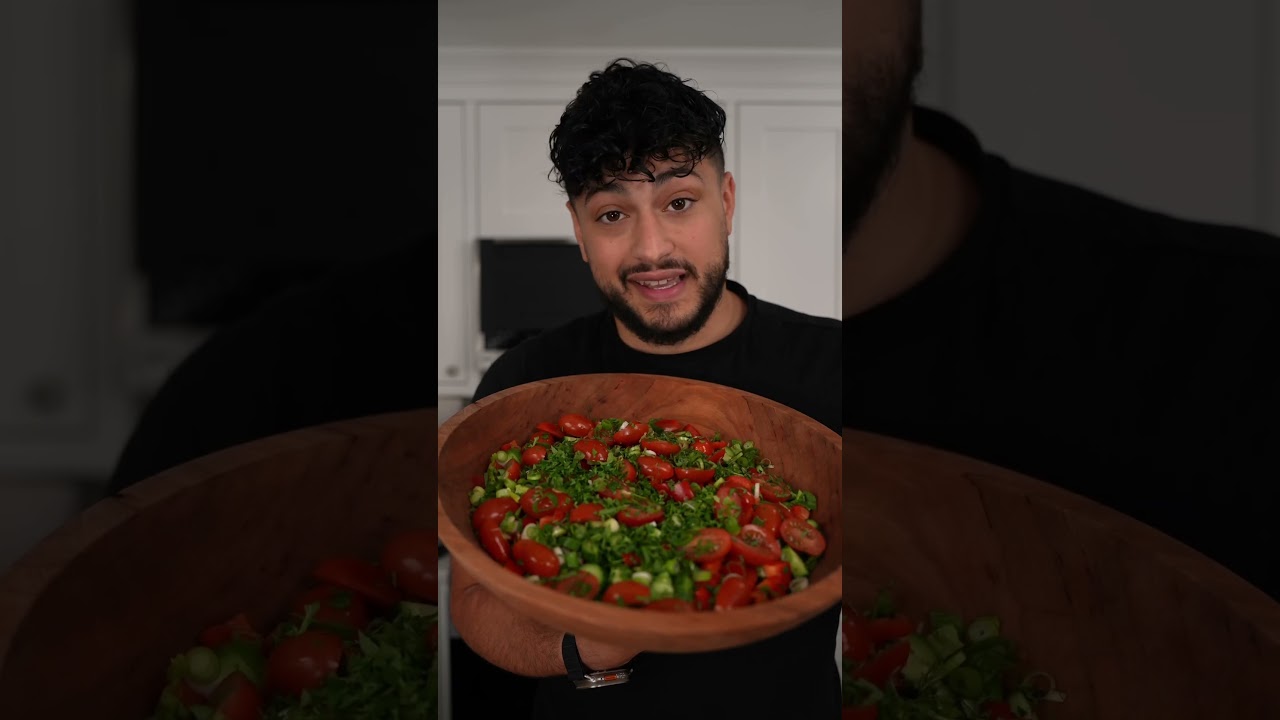
“Fattoush looks like it can't fail. It's a salad. But most home versions end up as a limp pile of wet bread and overdressed greens that bears no resemblance to the crackling, bright dish you get at a good Levantine table. The problem isn't the vegetables — it's when you add the pita chips and how you treat the dressing. Fix those two things and the rest takes care of itself.”
Why This Recipe Works
Fattoush is the dish that separates cooks who understand timing from cooks who understand recipes. The ingredient list is simple. The technique is minimal. The failure rate is high anyway — because the entire dish depends on a five-minute window between "perfect" and "ruined."
The Pita Problem
The pita chip is not a garnish. It is the structural foundation of fattoush, and it only works under two conditions: it must be deeply, audibly crispy, and it must hit the dressed salad as close to serving as physically possible.
Deep golden means past the point where most cooks feel comfortable pulling from the oven. The target color is amber-brown — like a well-made crouton, not a lightly warmed flatbread. At this level of toast, the chip has lost enough internal moisture that it can absorb a small amount of dressing without immediately collapsing. A pale chip has nowhere to go but soft, and it goes there within sixty seconds of contact with the dressing.
The cooling step is non-negotiable. A hot chip releases steam as it cools, and that steam wilts whatever it touches. Add warm chips to dressed greens and you've already lost. Five minutes on the baking sheet costs nothing and saves the texture that makes the dish worth making.
The Sumac Situation
Most Western pantries contain sumac that is six to eighteen months past its prime. This is a problem unique to Middle Eastern cooking, where the spices are specific enough that there is no familiar baseline to compare against. If you've only ever tasted old sumac, you have no idea what you've been missing.
Fresh sumac is not mild. It is aggressively tart with a fruity, almost floral edge — closer to tamarind than to lemon — and it is the single flavor that defines fattoush dressing. The lemon provides brightness; the sumac provides depth. Without a quality sumac, the dressing tastes like a generic vinaigrette with extra steps.
Buy sumac from a Middle Eastern market or a high-turnover spice retailer. Smell it before you buy if possible — it should smell vivid and slightly acidic. If it smells like nothing, it tastes like nothing.
The Assembly Window
Once the dressing contacts the tomatoes and cucumbers, enzymatic and osmotic processes begin immediately. Salt in the dressing draws moisture out of the vegetable cells through osmosis. Acid from the lemon and vinegar begins breaking down the cell walls. Within three minutes, there is a visible pool of liquid at the bottom of the bowl. Within ten minutes, the greens have wilted. Within twenty minutes, the bread is soft.
This is not a flaw in the recipe. It is the nature of fresh salads. The correct response is to stop treating fattoush like something you can dress and leave on the counter while you finish other things. Mix the dressing in a separate bowl in advance. Have your vegetables prepped and waiting. Toast the chips, let them cool, and keep them separate. When you're ready to eat — and only then — combine everything and move directly to the table.
A sharp chef's knife makes the vegetable prep fast enough that there's no excuse to rush the final assembly. Uniform cuts mean uniform dressing distribution, which means every bite works as intended rather than alternating between underdressed lettuce and over-saturated tomato chunks.
Why Herbs at This Volume
The herb quantities in this recipe look excessive until you taste the finished dish. Half a cup of parsley, a quarter cup of mint, a quarter cup of cilantro — for a four-serving salad — reads like a mistake. It is not. Fresh herbs in fattoush are not a garnish or a background note. They are a primary component, contributing texture, color, and a layered aromatic quality that no dressing can replicate.
The mint in particular is doing work that isn't immediately obvious: it amplifies the perceived freshness of the sumac and lemon without adding more acidity. It tricks the palate into experiencing the salad as lighter and brighter than the fat content would suggest. This is old Levantine kitchen knowledge, and the ratios in traditional fattoush reflect it.
Use everything. The finished salad should look green-forward. If it looks tomato-forward or bread-forward, you added too little herb.
Where Beginners Mess This Up
Before we start, read this. These are the 4 reasons your the fattoush formula (why your salad goes soggy every time) will fail:
- 1
Adding the pita chips too early: Pita chips added more than two minutes before serving absorb the dressing and become chewy. The entire appeal of fattoush is the textural contrast between crisp bread and tender vegetables. That window is short. Add the chips last, and only when you're ready to eat.
- 2
Under-toasting the pita: Pale, lightly golden pita chips won't hold up in a dressed salad for more than thirty seconds. They need to be deep golden brown all the way through — crispy enough that they audibly snap when you break one. If they bend, they go back in the oven.
- 3
Letting the vegetables sit in dressing: Salt in the dressing draws moisture out of tomatoes and cucumbers within minutes. If you dress the salad and walk away, you'll return to a puddle. Dress immediately before serving, toss fast, and plate immediately.
- 4
Using stale or low-quality sumac: Sumac is not a background spice in fattoush — it is the flavor. Old sumac tastes like brick dust. Fresh sumac has a vivid, tart, almost fruity acidity that makes the dressing sing. If yours has been in the cabinet for more than six months, buy a new bag.
The Video Reference Library
Want to see it in action? Here are the exact videos we analyzed and combined to build this foolproof recipe translation:
The primary reference for this recipe — clear technique, correct sumac usage, and excellent visual guidance on the pita chip color you're targeting before pulling from the oven.
🛠️ Core Equipment
- Rimmed baking sheetFlat surface ensures the pita pieces toast evenly without steaming each other. Crowding them on a small pan traps moisture and produces soft chips instead of crispy ones.
- Large salad bowlFattoush needs room to toss. A bowl that's too small compresses the ingredients and crushes the pita chips before they make it to the plate.
- Small whisk or forkThe sumac-lemon dressing emulsifies best when whisked aggressively. Shaking in a jar works too, but the sumac needs to be fully incorporated — clumps of dry sumac deliver uneven flavor.
- Sharp chef's knifeUniform vegetable cuts aren't aesthetic vanity — they ensure every forkful has the same ratio of tomato, cucumber, and herb. Ragged cuts mean you get one bite of nothing but lettuce and the next of solid tomato.
The Fattoush Formula (Why Your Salad Goes Soggy Every Time)
🛒 Ingredients
- ✦2 large pita breads, cut into bite-sized pieces
- ✦3 tablespoons extra virgin olive oil, divided
- ✦6 cups romaine lettuce, chopped into bite-sized pieces
- ✦2 cups fresh spinach leaves
- ✦2 medium vine tomatoes, cut into 1-inch cubes
- ✦1 large English cucumber, diced
- ✦1 red bell pepper, diced
- ✦4 large radishes, thinly sliced
- ✦3 green onions, white and light green parts sliced into rounds
- ✦1/2 cup fresh flat-leaf parsley, chopped
- ✦1/4 cup fresh mint leaves, chopped
- ✦1/4 cup fresh cilantro, chopped
- ✦3 tablespoons fresh lemon juice
- ✦1 tablespoon red wine vinegar
- ✦1 teaspoon ground sumac
- ✦1 teaspoon minced garlic
- ✦1/2 teaspoon sea salt
- ✦1/4 teaspoon freshly ground black pepper
👨🍳 Instructions
01Step 1
Preheat your oven to 375°F and line a baking sheet with parchment paper.
02Step 2
Toss the pita pieces with 1 tablespoon of olive oil, then spread them in a single layer across the prepared baking sheet.
03Step 3
Bake for 8-10 minutes, stirring halfway through, until deep golden brown and crispy all the way through.
04Step 4
Remove from the oven and let the chips cool completely on the baking sheet, at least 5 minutes. Do not rush this step.
05Step 5
Whisk together the lemon juice, red wine vinegar, sumac, garlic, remaining 2 tablespoons of olive oil, salt, and pepper in a small bowl until fully combined and slightly emulsified.
06Step 6
Combine the romaine, spinach, tomatoes, cucumber, bell pepper, radishes, green onions, parsley, mint, and cilantro in a large salad bowl.
07Step 7
Pour the dressing over the vegetables and toss gently but thoroughly until everything is evenly coated.
08Step 8
Add the cooled pita chips and toss once more, just enough to distribute them without crushing them.
09Step 9
Divide among plates immediately and serve. This salad does not wait.
Nutrition Per Serving
Estimates based on standard preparation. Adjustments alter macros.
🔄 Substitutions
Instead of Red wine vinegar...
Use Pomegranate vinegar or apple cider vinegar
Pomegranate vinegar deepens the flavor complexity and adds a subtle fruity note that pairs beautifully with sumac. Apple cider vinegar is more accessible and works nearly as well.
Instead of Romaine lettuce...
Use Mixed bitter greens (arugula, endive, radicchio)
Adds a peppery complexity and holds up slightly better under dressing than romaine. The bitterness contrasts well with the lemon-sumac acidity.
Instead of Pita bread...
Use Whole wheat pita or sprouted seed crackers
Whole wheat pita toasts and crisps identically to standard pita. Crackers work in a pinch but produce a different texture — more uniform, less rustic.
Instead of Extra virgin olive oil...
Use 2 tablespoons olive oil plus 1 tablespoon tahini
Creates a slightly creamier, nuttier dressing while reducing overall fat. Whisk the tahini in aggressively — it needs help emulsifying.
🧊 Storage & Reheating
In the Fridge
Store components separately. Dressed salad cannot be stored — it becomes soggy within 20 minutes. Undressed vegetables keep for up to 2 days. Pita chips keep at room temperature in an airtight container for up to 3 days.
In the Freezer
Not suitable for freezing. Fresh salads have no freeze-thaw resilience.
Reheating Rules
Not applicable. Fattoush is served cold and assembled fresh. If your pita chips have softened, re-crisp them in a 350°F oven for 3-4 minutes before adding to the salad.
❓ Frequently Asked Questions
Why are my pita chips soft instead of crispy?
One of three things: they weren't toasted long enough, they were added to the salad while still warm, or they were added too far in advance. The chips need to be deeply golden, fully cooled, and added at the absolute last moment.
What does sumac taste like and can I substitute it?
Sumac is tart, slightly fruity, and deeply savory — somewhere between lemon and tamarind. There is no true substitute. A squeeze of extra lemon juice gets you partway there, but the flavor profile is distinctly different. Sumac is widely available in Middle Eastern grocery stores and most well-stocked supermarkets.
Is fattoush the same as tabbouleh?
No. Tabbouleh is herb-forward with bulgur wheat as its base and minimal vegetables. Fattoush is vegetable-forward with crispy bread as its textural anchor and a sumac-based dressing. They share some herbs but are structurally and conceptually different dishes.
Can I make fattoush vegan?
It already is. Every ingredient in this recipe is plant-based by default. No modifications needed.
Can I add protein to make it a full meal?
Yes. Grilled halloumi, chickpeas, or sliced grilled chicken are the most common additions. Add them on top after dressing so they don't interfere with the toss. Chickpeas in particular are excellent — they add heft without disrupting the salad's brightness.
My salad is too sour. How do I fix it?
A pinch of sugar or a drizzle of pomegranate molasses balances the acidity without flattening the flavor. Add it to the dressing before tossing, not after — it needs to distribute evenly.
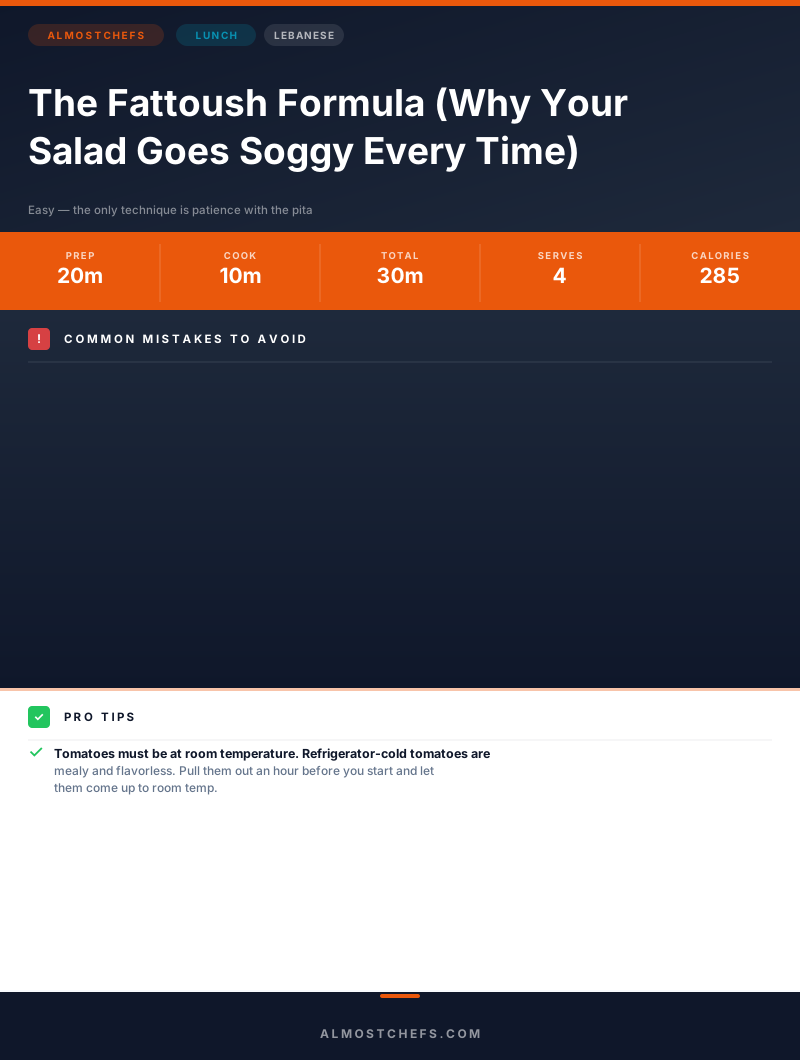
The Science of
The Fattoush Formula (Why Your Salad Goes Soggy Every Time)
We turned everything on this page into a beautiful, flour-proof PDF cheat sheet. Print it out, stick it to your fridge, and never mess up your the fattoush formula (why your salad goes soggy every time) again.
*We'll email you the high-res PDF instantly. No spam, just perfectly cooked meals.
AlmostChefs Editorial Team
We translate the internet's most popular cooking videos into foolproof, beginner-friendly written recipes. We analyze multiple methods, test them in our kitchen, and engineer a single "Master Recipe" that gives you the best possible result with the least possible stress.