Fall Slow Cooker Dinners (Set It and Forget It, Actually)
A hearty, deeply flavored beef and root vegetable stew built for the slow cooker — chuck roast, sweet potatoes, parsnips, and earthy herbs braised low and slow until everything surrenders into a rich, glossy broth. We analyzed the most-watched fall slow cooker methods to extract the technique that actually delivers tender meat and vegetables that aren't gray mush.
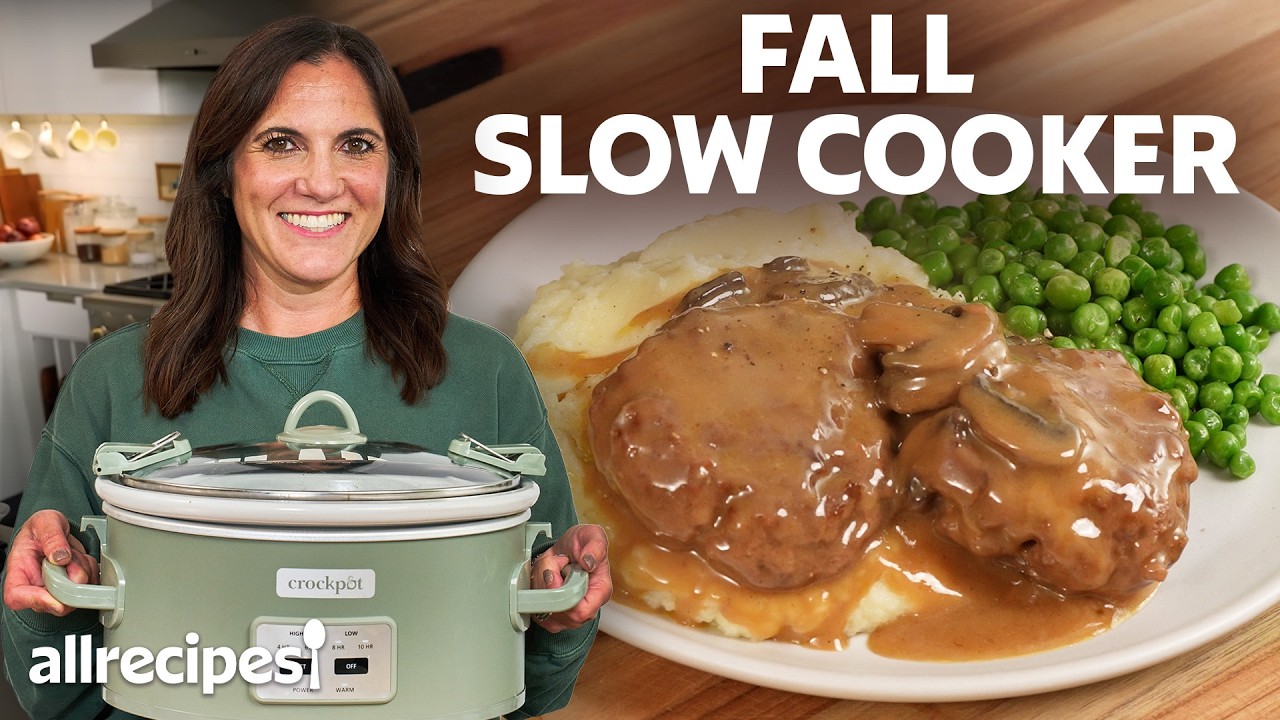
“Slow cooker recipes have a reputation problem. Every third one on the internet produces the same result: gray meat floating in thin, flavorless liquid with vegetables that dissolved three hours ago. The slow cooker is not to blame. The technique is. A properly built fall slow cooker dinner should produce fork-tender chuck roast, intact root vegetables, and a broth so rich it sets to a loose gel when refrigerated. Here's what the popular YouTube methods get right — and what they conveniently skip.”
Why This Recipe Works
Fall slow cooker dinners occupy a specific culinary territory — somewhere between a proper braise and a campfire stew — and most recipes in this space fail for the same boring reason. They treat the slow cooker as a passive container instead of a precision instrument. The result is the dish that has given crockpot cooking its mediocre reputation: gray, stringy meat adrift in thin liquid, flanked by vegetables that surrendered hours before anyone wanted them to.
This recipe works because it treats the slow cooker as the finishing environment, not the only environment.
The Sear Is Not Optional
Every serious braised dish starts with a sear, and fall slow cooker dinners are no exception. A cast iron skillet screaming hot with olive oil will give you a 3-4 minute window of Maillard transformation on each side of the chuck roast — a dense, mahogany crust packed with flavor compounds that the slow cooker's wet, 200°F interior cannot generate. The slow cooker is exceptional at low-and-slow collagen conversion. It is genuinely terrible at surface browning. These are different jobs, and attempting to combine them produces results that fail at both.
The sear also serves a structural purpose. The crust created by high-heat browning acts as a partial moisture barrier, slowing the rate at which the exterior of the meat dries out during the long cook. Unseared roasts shrink more aggressively and finish with a granular, mealy exterior. Seared roasts hold their shape and texture through 8 hours of moist heat.
Collagen Is the Ingredient
Chuck roast contains approximately 35% of its weight as connective tissue — collagen, fascia, and intramuscular fat. At sustained temperatures above 190°F, that collagen liquefies into gelatin. Gelatin is what makes the broth coat a spoon. Gelatin is what makes the meat pull apart in long, silky strands rather than crumbling into dry chunks. Gelatin is what makes the refrigerated leftovers set into a loose, wobbling jelly — the best possible sign that you cooked the right cut correctly.
This is why lean cuts are a categorical mistake in a slow cooker. Sirloin has no collagen to convert. It simply loses moisture over 8 hours and arrives at the table as a dry, expensive hockey puck. Chuck roast, short ribs, pork shoulder, lamb shank — these cuts exist in the slow cooker's wheelhouse. Everything else is a fight against physics.
The Vegetable Timing Equation
Fall produce is the ingredient that makes this category of cooking so satisfying — sweet potatoes, parsnips, carrots, and turnips are dense, earthy, and capable of absorbing massive quantities of braising liquid. They are also capable of dissolving into baby food if you add them six hours too early. The physics are simple: root vegetables reach fork-tender at around 200°F internal temperature, which a slow cooker reaches in under an hour. After that, they're just softening further until they collapse.
The fix is equally simple: add root vegetables in the last 2.5-3 hours. This gives them enough time to absorb the deeply flavored braising liquid without overcooking. Delicate additions like fresh herbs and leafy greens go in the final 20-30 minutes — long enough to wilt and contribute flavor, not so long that they turn to gray shreds.
Building Flavor Before the Lid Goes On
The liquid you add to the slow cooker determines everything that follows. Beef bone broth provides the protein and mineral base. Red wine contributes acidity and tannins that cut through the fat in the chuck roast. Tomato paste — cooked briefly in the hot pan until it darkens — contributes glutamates that amplify the savory depth of everything around it. Worcestershire sauce adds fermented complexity that reads as "something extra" without being identifiable.
Deglazing the skillet after the sear and sauté is the step that unifies all of it. Every browned bit stuck to that pan is concentrated flavor — the Maillard byproducts from both the meat and the onions, caramelized and adhered to the pan surface. Pouring wine into the hot skillet dissolves all of it into the liquid, which then goes directly into the slow cooker. None of that flavor should end up in your dish soap.
The slow cooker does its best work when handed a head start. Build the flavor before the lid goes on, and the 8-hour cook deepens it into something architectural. Skip the prep, and 8 hours of gentle heat produces a very warm pile of ingredients that never became a dish.
Where Beginners Mess This Up
Before we start, read this. These are the 4 reasons your fall slow cooker dinners (set it and forget it, actually) will fail:
- 1
Skipping the sear: The single most skipped step in every slow cooker recipe is the one that matters most. Browning the chuck roast in a hot cast iron skillet for 3-4 minutes per side generates hundreds of Maillard reaction compounds that the slow cooker's wet, low-heat environment cannot replicate. No sear means no depth. The broth tastes like boiled meat water instead of something you'd want to drink with a spoon.
- 2
Adding vegetables too early: Root vegetables — sweet potatoes, parsnips, carrots — cook faster than chuck roast. If you add them at the beginning of an 8-hour cook, they turn into hot orange mush by hour four. Dense root vegetables should go in during the last 2-3 hours. Delicate greens and herbs go in the final 30 minutes.
- 3
Overfilling the slow cooker: A slow cooker should be filled between half and two-thirds capacity. Too little food and it dries out. Too much and the lid can't seal properly, steam escapes, and the temperature drops below the threshold for food-safe cooking. Crowding also prevents even heat circulation, leaving the center of the meat undercooked.
- 4
Using the wrong cut: Lean cuts like sirloin or chicken breast punish you for slow cooking. The low heat never creates the surface crust that keeps them moist, and the long cook time squeezes out every drop of juice. Fall slow cooker meals demand fatty, collagen-rich cuts — chuck roast, short ribs, bone-in chicken thighs — that convert their connective tissue into gelatin over 6-8 hours. That gelatin is what makes the broth glossy and the meat spoonable.
The Video Reference Library
Want to see it in action? Here are the exact videos we analyzed and combined to build this foolproof recipe translation:
The source video covering multiple fall slow cooker recipes with clear technique breakdowns. Focuses on layering order and timing for root vegetables, which is where most home cooks go wrong.
Deep dive into slow cooker mechanics — why searing matters, how fill level affects temperature, and the difference between low and high heat settings. Essential background for understanding why this method works.
Covers the full spectrum of fall slow cooker dishes with timing guides for different cuts. Particularly useful for adapting the base technique to pork shoulder, lamb shanks, or bone-in chicken.
🛠️ Core Equipment
- 6-quart slow cookerThe right size for 6 servings. Smaller and you can't fit the full recipe. Larger and the food dries out because there's too much headspace. Oval slow cookers accommodate whole roasts better than round ones.
- Cast iron skilletFor the mandatory sear. Cast iron holds heat more evenly than stainless at high temperatures, which means a consistent crust on all sides of the roast rather than patches of brown and patches of gray.
- Fine-mesh sieveFor straining the braising liquid at the end if you want to serve it as a clean sauce. Optional but worth owning for the finishing step.
- Instant-read thermometerChuck roast is done when it hits 200-205°F internal temperature — the point where collagen fully converts to gelatin. At 160°F it's technically safe but still tough. The thermometer tells you which world you're in.
Fall Slow Cooker Dinners (Set It and Forget It, Actually)
🛒 Ingredients
- ✦3 pounds bone-in chuck roast
- ✦2 medium sweet potatoes, peeled and cut into 2-inch chunks
- ✦3 medium parsnips, peeled and cut into 1.5-inch pieces
- ✦4 medium carrots, cut into 1.5-inch pieces
- ✦1 large yellow onion, roughly chopped
- ✦5 garlic cloves, smashed
- ✦2 cups beef bone broth
- ✦1 cup dry red wine (Cabernet or Merlot)
- ✦2 tablespoons tomato paste
- ✦2 tablespoons Worcestershire sauce
- ✦4 sprigs fresh thyme
- ✦2 sprigs fresh rosemary
- ✦2 bay leaves
- ✦1 teaspoon smoked paprika
- ✦1 teaspoon garlic powder
- ✦1 tablespoon all-purpose flour
- ✦2 tablespoons olive oil
- ✦Sea salt and freshly ground black pepper
- ✦Fresh flat-leaf parsley for serving
👨🍳 Instructions
01Step 1
Pat the chuck roast completely dry with paper towels on all sides. Season aggressively with salt, pepper, smoked paprika, and garlic powder. Press the seasoning into the surface.
02Step 2
Heat olive oil in a [cast iron skillet](/kitchen-gear/review/cast-iron-skillet) over high heat until shimmering. Sear the chuck roast 3-4 minutes per side until deeply browned. Do not move the meat while it sears — let the crust form.
03Step 3
Transfer the seared roast to the slow cooker. In the same skillet, sauté the chopped onion and smashed garlic over medium heat for 3-4 minutes until softened.
04Step 4
Add the tomato paste to the skillet and cook for 1-2 minutes, stirring constantly, until it darkens slightly and smells nutty. Deglaze with the red wine, scraping up all the browned bits from the bottom.
05Step 5
Pour the wine-onion mixture over the roast in the slow cooker. Add beef bone broth, Worcestershire sauce, bay leaves, thyme, and rosemary. The liquid should come about halfway up the roast — not covering it entirely.
06Step 6
Cook on low for 5 hours with the lid sealed. Do not lift the lid during this phase.
07Step 7
After 5 hours, add the sweet potatoes, parsnips, and carrots around the roast. Replace the lid and continue cooking on low for 2.5-3 more hours until the vegetables are fork-tender and the meat reaches 200-205°F internal temperature.
08Step 8
Transfer the roast and vegetables to a serving platter. Skim the fat from the surface of the braising liquid using a spoon or fat separator.
09Step 9
If you want a thicker sauce, pour the braising liquid into a small saucepan. Whisk in 1 tablespoon of flour mixed with 2 tablespoons cold water and simmer over medium heat for 5-7 minutes until reduced and glossy.
10Step 10
Pour the sauce over the roast. Scatter fresh flat-leaf parsley over the top and serve immediately.
Nutrition Per Serving
Estimates based on standard preparation. Adjustments alter macros.
🔄 Substitutions
Instead of Chuck roast...
Use Bone-in short ribs or pork shoulder
Short ribs produce a richer, more gelatinous broth due to the bone. Pork shoulder works identically — reduce cook time to 7 hours on low. Both need the same mandatory sear.
Instead of Red wine...
Use Additional beef broth with 1 tablespoon balsamic vinegar
The balsamic provides the acidity and depth that wine contributes. Not identical, but close enough that the dish still has complexity.
Instead of Sweet potatoes...
Use Butternut squash or turnips
Butternut squash breaks down slightly faster than sweet potato — add it in the last 2 hours, not 2.5. Turnips hold their shape the longest of the three and add pleasant bitterness.
Instead of Fresh thyme and rosemary...
Use 1.5 teaspoons dried herbs
Dried herbs are more concentrated than fresh. Use them — they actually perform better in long slow cooker recipes where fresh herbs can turn bitter and grassy over 8 hours.
🧊 Storage & Reheating
In the Fridge
Store in an airtight container for up to 4 days. The braising liquid will gel when cold — that's the gelatin from the collagen, and it means you did it right.
In the Freezer
Freeze in individual portions for up to 3 months. Thaw overnight in the refrigerator before reheating.
Reheating Rules
Reheat gently in a covered pot over low heat with a splash of broth to loosen the sauce. Microwave works in a pinch — cover the dish and heat in 90-second intervals to prevent drying.
❓ Frequently Asked Questions
Can I skip the sear to save time?
You can. The dish will still be edible. But you will taste the difference — the broth will lack depth and the meat will taste boiled rather than braised. The sear takes 10 minutes. It is the most important 10 minutes in the recipe.
Why is my meat still tough after 8 hours?
One of two things happened: you used the wrong cut (lean cuts don't tenderize with time, they dry out), or your slow cooker runs cool and never hit the temperature needed to convert collagen. Check with a thermometer — you need 200-205°F internal. If your slow cooker consistently underperforms, switch to the high setting for the final 2 hours.
Do I have to use wine?
No. See the substitutions section for a balsamic-broth alternative. The wine contributes acidity and tannins that balance the richness of the braised meat. If you swap it out, compensate with a tablespoon of balsamic or a squeeze of lemon at the end.
How full should my slow cooker be?
Between half and two-thirds capacity. This gives enough food mass to generate consistent steam and heat, while leaving room for proper heat circulation. An overfilled slow cooker can't seal, which drops the internal temperature and extends cook time unpredictably.
Can I prep this the night before?
Yes — and it's the recommended approach. Sear the meat, build the sauce, and load the slow cooker insert the night before. Refrigerate the insert. In the morning, pull it out, set it in the base, and turn it on. Do not start cooking directly from the fridge — let the insert sit at room temperature for 15 minutes first to avoid thermal shock cracking.
Why do my vegetables always come out mushy?
You added them at the start. Root vegetables need 2-3 hours in the slow cooker, not 8. Dense cuts like parsnips and sweet potatoes get added in the final stretch. Greens and fresh herbs go in the last 20-30 minutes. Respect the timing and your vegetables will actually have texture.

The Science of
Fall Slow Cooker Dinners (Set It and Forget It, Actually)
We turned everything on this page into a beautiful, flour-proof PDF cheat sheet. Print it out, stick it to your fridge, and never mess up your fall slow cooker dinners (set it and forget it, actually) again.
*We'll email you the high-res PDF instantly. No spam, just perfectly cooked meals.
AlmostChefs Editorial Team
We translate the internet's most popular cooking videos into foolproof, beginner-friendly written recipes. We analyze multiple methods, test them in our kitchen, and engineer a single "Master Recipe" that gives you the best possible result with the least possible stress.