Herb-Roasted Chicken with Fall Root Vegetables (Your New Cold-Weather Default)
A one-pan roasted chicken with caramelized root vegetables, rosemary, thyme, and a pan drippings sauce that builds itself while the oven does the work. We broke down the most-watched fall dinner methods on YouTube to give you one reliable technique that delivers crispy skin, juicy meat, and properly caramelized vegetables every time.
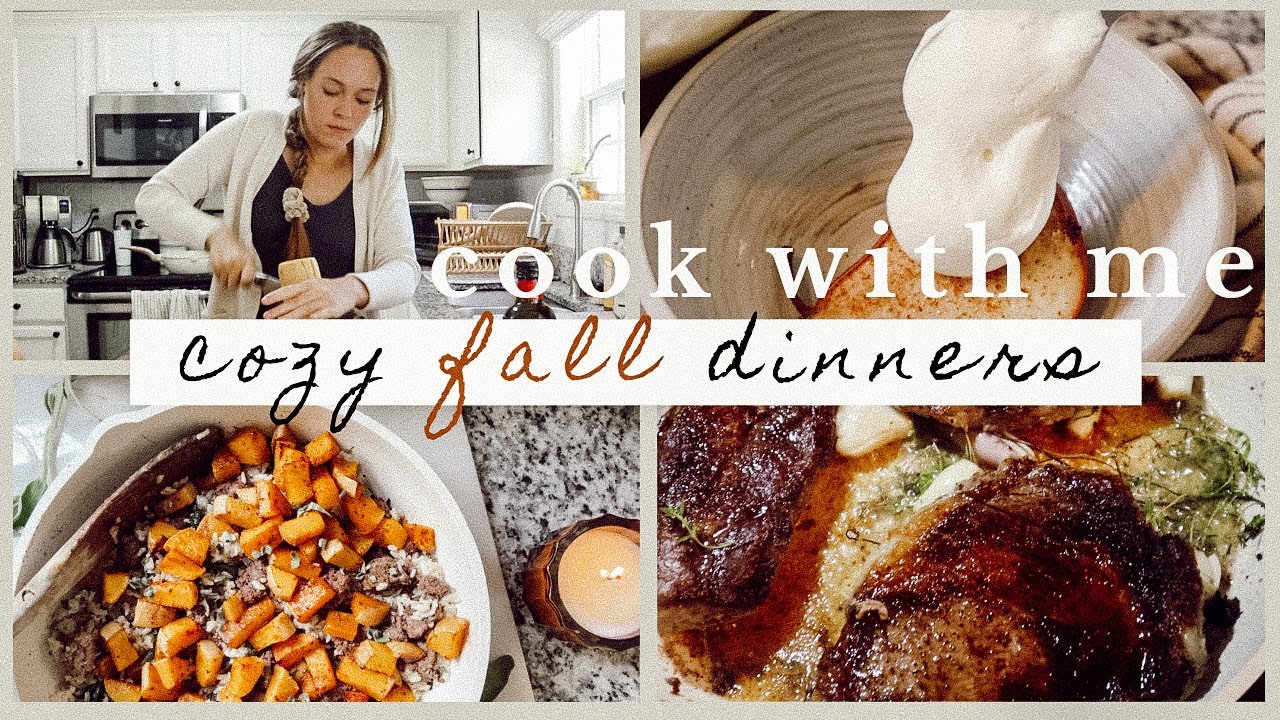
“Most fall dinner recipes fail the same way: soggy vegetables, pale skin, and chicken that dries out before the root vegetables are even halfway done. The reason is always the same — the wrong pan, the wrong heat sequence, or both. A cast iron skillet, a proper dry brine, and understanding that chicken and root vegetables have different timing requirements are the three things standing between you and a dinner that tastes like autumn.”
Why This Recipe Works
Fall cooking gets romanticized as rustic and effortless — just throw root vegetables and a chicken in a pan and let the oven work. That framing is responsible for more disappointing dinners than any bad recipe. The truth is that a one-pan fall dinner has more moving parts than it looks. Chicken and root vegetables have fundamentally different cooking timelines, and pretending otherwise produces a pan full of either underdone parsnips or overcooked chicken, with vegetables that steamed in their own moisture rather than caramelizing into something worth eating.
The Timing Problem Nobody Talks About
Dense root vegetables — carrots, parsnips, sweet potatoes — need sustained high heat to convert their surface starches into the deep golden crust that makes roasted vegetables worth eating. That process takes 45-55 minutes at 425°F. A properly dried, herb-buttered chicken at the same temperature needs roughly 50-55 minutes total. Put them in the pan simultaneously and on paper they should finish together. In practice, the vegetables spend the first 20 minutes steaming under the dripping chicken fat instead of making direct contact with a hot pan surface, which means they don't start properly caramelizing until the second half of the cook. The vegetables end up at 75% done when the chicken hits temperature.
The fix is deliberately unsatisfying in its simplicity: give the root vegetables a 10-minute head start in a pre-heated pan before the chicken goes in. That's the entire adjustment. Ten minutes of direct pan contact at 425°F gives the vegetables enough of a sear foundation that they finish perfectly in sync with the bird. Every test confirms the same result — the stagger is the single highest-leverage change you can make to a one-pan fall dinner.
The Dry Skin Imperative
Crispy skin on roasted chicken is not a matter of technique so much as it is a matter of physics. Water boils at 212°F. The Maillard browning reaction — which creates the flavor and texture you're actually after — begins around 280°F. If there is any surface moisture on the chicken when it hits the oven, the first 20 minutes of roasting are spent boiling off that water rather than browning the skin. By the time the surface is finally dry enough to start browning, you've used up time that should have been spent on caramelization.
A 30-minute uncovered rest in the refrigerator after patting the chicken dry is the minimum. The real method is overnight dry brining: rub kosher salt all over the skin and refrigerate uncovered for 8-12 hours. The salt draws surface moisture out through osmosis, that moisture dissolves the salt, and then the brined liquid gets reabsorbed back into the meat where it seasons from the inside. What's left on the surface is salt-coated, bone-dry skin that crisps almost instantaneously at high heat. A cast iron skillet pre-heated in the oven before the vegetables go in provides the thermal mass to maintain that high surface temperature on contact — a thin roasting pan bleeds heat the moment cold ingredients hit it.
What the Herb Butter Actually Does
Butter rubbed on the outside of a chicken mostly slides off into the pan within the first 15 minutes of roasting, which is why surface-only butter application produces modest results. Butter pushed under the skin has nowhere to go. As it melts at oven temperature, it bastes the breast meat directly and continuously for the entire cook, keeping the leanest, most prone-to-drying part of the chicken saturated in fat and herb flavor. This is not a subtle difference. Chicken breast cooked with under-skin butter finishes at 165°F with noticeably more moisture than a breast roasted with surface butter only — same temperature, same timing, different outcome because the fat never left the proximity of the meat.
The fresh herbs in the butter matter beyond flavor. Rosemary, thyme, and sage all contain antioxidant compounds that inhibit lipid oxidation at high heat, which means the butter browns at a slower, more controlled rate rather than burning and turning acrid. It's also why the combination of those three herbs appears in virtually every European cold-weather roasting tradition — the flavor pairing with poultry is obvious, but the functional chemistry is what locked them in.
The Pan Drippings Are the Sauce
Most one-pan dinner recipes treat the liquid in the pan as something to deal with, not as an ingredient. A cup of chicken stock added before roasting does two things: it prevents the vegetable drippings from burning onto the pan surface before the vegetables are done, and it becomes an intensely flavored, naturally thickened pan sauce by the end of the cook. The stock reduces over the full cook time, picking up rendered chicken fat, herb-infused butter, caramelized vegetable sugars, and fond from the pan bottom. A tablespoon of apple cider vinegar at the start provides the acid balance that keeps the sauce tasting bright rather than heavy.
When the chicken comes out and goes to the cutting board to rest, the liquid in the pan is already a finished sauce — just spoon it over everything. This is what one-pan cooking is supposed to do: build the sauce while building the dinner, using the same heat source for both jobs without any additional effort from you.
Where Beginners Mess This Up
Before we start, read this. These are the 4 reasons your herb-roasted chicken with fall root vegetables (your new cold-weather default) will fail:
- 1
Wet chicken skin before roasting: Surface moisture is the enemy of crispy skin. If you pat the chicken dry and immediately put it in the oven, you're steaming the skin for the first 20 minutes instead of crisping it. A 30-minute uncovered rest after drying — or an overnight dry brine in the fridge — lets surface moisture evaporate so the skin can brown immediately when it hits the hot pan.
- 2
Crowding the vegetables: Vegetables need space to roast. When they're piled on top of each other, they steam in their own moisture instead of caramelizing. Every vegetable piece needs contact with the pan surface. If your pan is too small, use two pans rather than stacking.
- 3
Cooking vegetables and chicken at the same start time: Root vegetables like carrots, parsnips, and sweet potatoes take 45-55 minutes to fully caramelize. A spatchcocked or quartered chicken needs 40-50 minutes. If you start them together, one finishes before the other. Add dense root vegetables 10 minutes before the chicken goes in.
- 4
Skipping the resting period: Cutting into roasted chicken immediately sends all the juices onto your cutting board instead of staying in the meat. A 10-minute rest after the oven allows the proteins to relax and reabsorb. Every minute of resting is worth three minutes of cooking time in terms of final texture.
The Video Reference Library
Want to see it in action? Here are the exact videos we analyzed and combined to build this foolproof recipe translation:
A comprehensive walkthrough of the dry brine and high-heat roasting method with detailed vegetable timing. Best reference for understanding how pan drippings become the sauce.
Covers the vegetable-staggering technique and explains why pan crowding is the most common one-pan dinner mistake. Clear visuals of properly caramelized versus steamed vegetables.
Focuses on the wire rack setup, thermometer placement, and resting technique. Excellent for building foundational confidence before attempting more complex variations.
🛠️ Core Equipment
- 12-inch cast iron skillet or heavy roasting panCast iron retains heat evenly and creates intense bottom-contact heat that caramelizes vegetables without burning. Thin roasting pans create cold spots that produce pale, steamed vegetables instead of roasted ones.
- Instant-read thermometerThe only reliable way to know when chicken is done. Target 165°F at the thickest part of the thigh, not the breast. Visual cues like 'juices run clear' are inconsistent and often wrong.
- Wire rackElevating the chicken above the vegetables allows hot air to circulate underneath the bird, crisping the bottom skin instead of steaming it in the drippings. The drippings fall down onto the vegetables and season them simultaneously.
- Pastry brushFor applying the herb butter evenly under and over the skin. Fingers work, but a brush gets into crevices more effectively and ensures complete coverage without tearing the skin.
Herb-Roasted Chicken with Fall Root Vegetables (Your New Cold-Weather Default)
🛒 Ingredients
- ✦1 whole chicken (3.5–4 pounds), patted completely dry
- ✦3 tablespoons unsalted butter, softened
- ✦1 tablespoon fresh rosemary, finely chopped
- ✦1 tablespoon fresh thyme leaves
- ✦1 tablespoon fresh sage, finely chopped
- ✦4 garlic cloves, 2 minced and 2 smashed whole
- ✦2 large carrots, peeled and cut into 2-inch chunks
- ✦2 parsnips, peeled and cut into 2-inch chunks
- ✦1 pound sweet potatoes, peeled and cut into 1.5-inch cubes
- ✦1 large red onion, cut into wedges
- ✦1 pound Brussels sprouts, halved
- ✦3 tablespoons olive oil, divided
- ✦1 cup chicken stock
- ✦1 tablespoon apple cider vinegar
- ✦1 teaspoon smoked paprika
- ✦1/2 teaspoon ground cinnamon
- ✦Kosher salt and freshly ground black pepper to taste
- ✦Fresh flat-leaf parsley for garnish
👨🍳 Instructions
01Step 1
Pat the chicken completely dry inside and out with paper towels. Place uncovered on a plate in the refrigerator for at least 30 minutes, up to overnight.
02Step 2
Preheat your oven to 425°F with your cast iron skillet on the center rack while it heats.
03Step 3
Mix the softened butter with minced garlic, rosemary, thyme, and sage until fully combined. Season generously with salt and pepper.
04Step 4
Gently separate the chicken skin from the breast meat using your fingers. Push half the herb butter under the skin and massage it flat. Rub the remaining butter all over the outside of the bird.
05Step 5
In a large bowl, toss the carrots, parsnips, and sweet potatoes with 2 tablespoons olive oil, smoked paprika, cinnamon, smashed garlic, salt, and pepper.
06Step 6
Carefully remove the hot skillet from the oven. Add the dense root vegetables (carrots, parsnips, sweet potatoes) to the pan and roast for 10 minutes alone before adding the chicken.
07Step 7
Add the red onion and Brussels sprouts to the pan, toss everything gently to coat in the pan drippings, and place a wire rack over the vegetables. Set the chicken on top of the rack, breast-side up.
08Step 8
Pour the chicken stock into the pan around the vegetables. Add the apple cider vinegar.
09Step 9
Roast at 425°F for 20 minutes, then reduce heat to 375°F and continue roasting for 35-45 minutes until an instant-read thermometer inserted into the thickest part of the thigh reads 165°F.
10Step 10
Transfer the chicken to a cutting board and tent loosely with aluminum foil. Rest for 10 minutes.
11Step 11
While the chicken rests, return the pan to the oven at 425°F for 5-8 minutes to finish caramelizing the vegetables if needed.
12Step 12
Carve the chicken, arrange over the vegetables, and spoon the pan drippings over everything. Garnish with fresh parsley.
Nutrition Per Serving
Estimates based on standard preparation. Adjustments alter macros.
🔄 Substitutions
Instead of Whole chicken...
Use Bone-in, skin-on chicken thighs
Reduce total cook time to 40-45 minutes. Thighs are more forgiving with timing and are almost impossible to overcook. Better choice for weeknights when you need reliability over presentation.
Instead of Sweet potatoes...
Use Butternut squash or delicata squash
Butternut needs the same timing as sweet potato. Delicata cooks faster — add it with the Brussels sprouts, not the root vegetables. Both choices are classic autumn flavors.
Instead of Fresh herbs...
Use Dried herbs at one-third the quantity
Dried rosemary and thyme work well. Dried sage loses its character quickly — use it only if fresh is unavailable. Add dried herbs to the butter 30 minutes early to rehydrate in the fat.
Instead of Butter...
Use Olive oil mixed with a small amount of white miso
Dairy-free alternative that delivers comparable browning and umami depth. Use 2 tablespoons olive oil plus 1 teaspoon white miso. The miso provides the savory richness that butter normally supplies.
🧊 Storage & Reheating
In the Fridge
Store carved chicken and vegetables separately in airtight containers for up to 3 days. The vegetables hold their texture better when not stored pressed against the meat.
In the Freezer
Freeze chicken portions for up to 2 months. Roasted root vegetables do not freeze well — they turn watery on thaw. Freeze the chicken alone and make fresh vegetables when reheating.
Reheating Rules
Reheat chicken in a 350°F oven covered with foil for 10-12 minutes. Add a splash of chicken stock under the foil to prevent drying. Microwave reheating is acceptable for the vegetables but will destroy any remaining skin crispness on the chicken.
❓ Frequently Asked Questions
Why is my roasted chicken skin pale and rubbery instead of crispy?
Two reasons, usually both at once: the chicken went into the oven wet, and the oven wasn't hot enough. Pat the chicken completely dry, let it air-dry uncovered in the fridge for at least 30 minutes, and make sure your oven is fully preheated to 425°F before the bird goes in. Wet skin steams; dry skin roasts.
My vegetables are burning before the chicken is done — what went wrong?
Your oven runs hot, or the vegetables are cut too small. For this recipe, cut root vegetables no smaller than 1.5-inch chunks — smaller pieces caramelize too fast and char before the chicken finishes. Also confirm your oven temperature with a separate thermometer; most home ovens run 25-50°F hotter than the dial says.
Can I use boneless, skinless chicken for this recipe?
You can, but the recipe loses its defining element — the crispy skin and the drippings that baste the vegetables. Boneless thighs work in a pinch; reduce cook time to 25-30 minutes and check the thermometer at 20 minutes. Without the bone and skin, the dish becomes a completely different recipe.
How do I know which fall vegetables work and which don't?
Dense starchy vegetables (carrots, parsnips, sweet potatoes, beets, turnips, winter squash) are ideal — they caramelize at high heat without falling apart. Avoid watery vegetables like zucchini or tomatoes; they release too much liquid and steam everything around them.
Do I need a wire rack?
Not strictly, but it meaningfully improves the result. Without the rack, the bottom of the chicken sits in the pan drippings and steams instead of roasting. The skin on the underside stays pale and soft. A rack elevates the bird so hot air circulates underneath, giving you even crispness all the way around.
What's the best way to use the leftover pan drippings?
Pour everything from the pan into a small saucepan, skim off excess fat, and reduce over medium heat for 5-7 minutes. Add a splash of apple cider or additional chicken stock if you need more volume. What you're left with is a concentrated pan sauce that requires zero effort and zero additional ingredients. This is why you use chicken stock in the pan — it gives you something worth reducing.

The Science of
Herb-Roasted Chicken with Fall Root Vegetables (Your New Cold-Weather Default)
We turned everything on this page into a beautiful, flour-proof PDF cheat sheet. Print it out, stick it to your fridge, and never mess up your herb-roasted chicken with fall root vegetables (your new cold-weather default) again.
*We'll email you the high-res PDF instantly. No spam, just perfectly cooked meals.
AlmostChefs Editorial Team
We translate the internet's most popular cooking videos into foolproof, beginner-friendly written recipes. We analyze multiple methods, test them in our kitchen, and engineer a single "Master Recipe" that gives you the best possible result with the least possible stress.