Crispy Falafel Street Bowl (The Travel Chef's Weeknight Trick)
A golden, herb-packed falafel bowl built from scratch with pickled vegetables, tahini drizzle, and warm flatbread — inspired by the street food markets that travel shows spend entire episodes chasing. We reverse-engineered the technique so you can pull it off in a home kitchen without a deep fryer or a plane ticket.
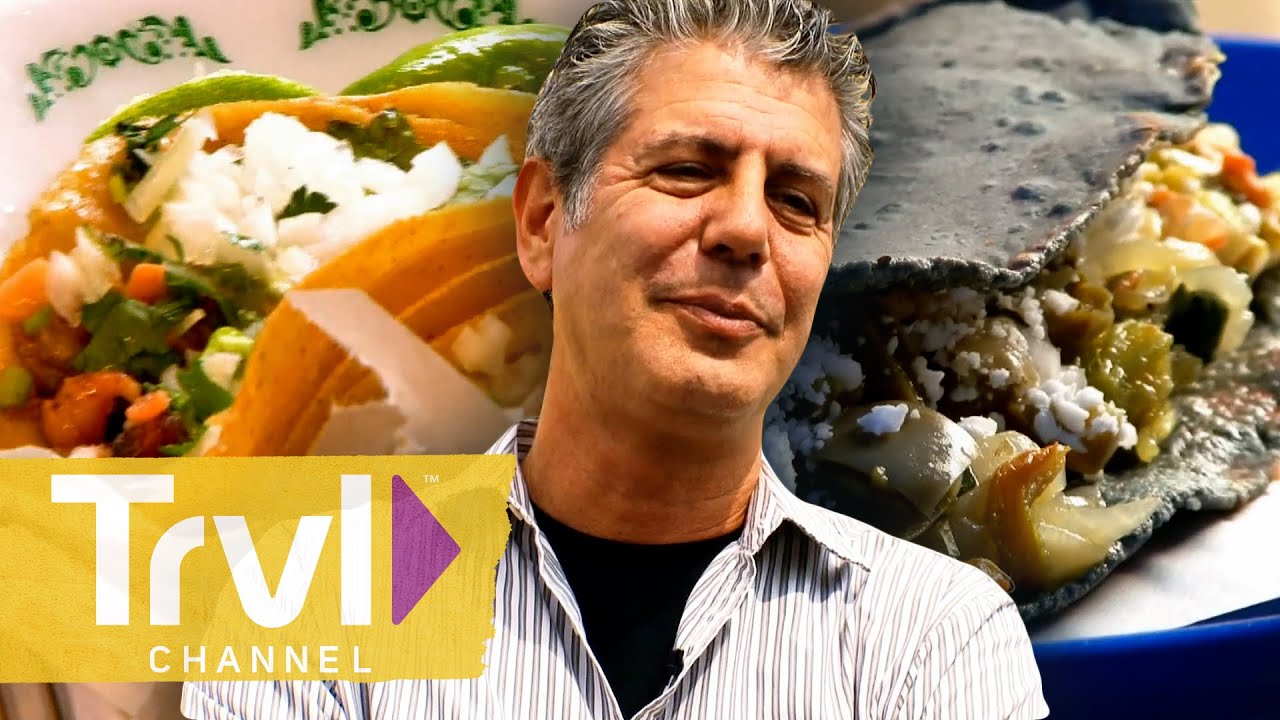
“Every great travel show has the same falafel scene: the vendor presses golden discs into a paper cone, wraps them in flatbread with pickled vegetables and a white sauce, and the host takes one bite and loses the ability to speak. What those shows never explain is why the falafel from the stall tastes nothing like the falafel you tried to make at home last month. The answer is almost always the same: you used canned chickpeas. This recipe uses dried.”
Why This Recipe Works
Travel shows sell a particular fantasy: that the best food in the world exists exclusively in narrow alleyways, at stalls run by people who have made one dish for forty years, and that no home kitchen could ever approximate the result. The falafel episode is a recurring segment in this fantasy. The host squeezes through a crowd, receives a paper cone of golden discs, and delivers a piece to camera that produces the universal expression of involuntary delight. Then the episode moves on to the next city.
What the show doesn't explain — because it's a travel show, not a cooking show — is that the vendor's technique is entirely reproducible. The gap between street stall falafel and most home attempts has almost nothing to do with secret recipes or forty years of practice. It has everything to do with one ingredient decision made before any cooking begins: dried chickpeas versus canned.
The Chickpea Foundation
Canned chickpeas have already been cooked. Their cell walls have softened, their starches have hydrated and gelatinized, and their structure has converted from raw legume to something that behaves, when blended, exactly like wet clay. When you form that clay into a patty and drop it in hot oil, there is no internal architecture to hold it together. It puffs, it collapses, it breaks apart, it absorbs oil. The result is a dense, greasy, structurally compromised disk that tastes like disappointment.
Dried chickpeas soaked overnight are a fundamentally different ingredient. They are hydrated but structurally raw — their starches are intact, their cell walls are still firm, and when you pulse them in a food processor to a coarse, crumbly texture, they retain that structure through the forming and frying process. The raw starch gelatinizes inside the hot oil rather than before it, creating a crispy exterior shell while the interior steams into something light and almost fluffy. This is the entire principle, and it is not negotiable.
The Texture Problem
Assuming you're starting with dried chickpeas, the next failure point is over-processing. A food processor running continuously for thirty seconds will turn properly soaked chickpeas into a smooth paste that behaves nearly as badly as the canned version. The target texture looks like damp green sand — you should be able to squeeze a small handful and have it hold its shape, but it should crumble when you apply pressure from both sides. Achieve this and you have falafel batter. Overshoot it and you have an expensive hummus.
The baking powder added to the mixture creates lift during frying, producing that characteristic open, airy crumb that distinguishes good falafel from a dense chickpea hockey puck. It needs moisture to activate, which is why the mixture goes into the fridge for a rest period before forming — you're giving the baking powder time to begin its work before the thermal shock of hitting oil triggers the final rise.
Oil Temperature Is Everything
A heavy-bottomed Dutch oven and an instant-read thermometer are the two pieces of equipment that separate consistent results from lottery-style cooking. The target is 360°F. Below 340°F, the falafel sits in warm oil, absorbing fat through its exterior before a sealing crust can form — the result is heavy, greasy, and soft. Above 375°F, the outside darkens faster than the interior can cook through, leaving you with a perfectly golden shell around a raw, dense center.
Heavy-bottomed pots matter because every batch of cold falafel you drop in suppresses the oil temperature. A thin pan drops from 360°F to 310°F after two or three pieces hit the oil. A thick-walled Dutch oven drops to 340°F and recovers within a minute. That temperature floor is what separates a properly fried falafel from a saturated one.
The Bowl as Architecture
The bowl format is not a trend — it's a practical vehicle for getting several textural and flavor contrasts into each bite. The falafel provides heat, crunch, and richness. The pickled red onion provides acid and sharpness that cuts through that richness. The cucumber adds cool, clean water content that refreshes the palate between bites. The tahini ties everything together with fat and a distinctive sesame bitterness.
Sumac, scattered over the finished bowl, is doing quiet but essential work. Its sharp, citric-acid sharpness functions as a finishing seasoning that lifts the entire assembly — the way a squeeze of lemon wakes up a pan sauce. A bowl without it tastes heavier than it should.
The travel show got one thing right: this food is worth chasing. It just doesn't require a plane ticket.
Where Beginners Mess This Up
Before we start, read this. These are the 4 reasons your crispy falafel street bowl (the travel chef's weeknight trick) will fail:
- 1
Using canned chickpeas: Canned chickpeas have already been cooked to softness. When you blend them, they turn into a wet, starchy paste that falls apart in oil and produces dense, gummy falafel. Dried chickpeas soaked overnight retain their raw starch structure, which means the falafel holds together, fries crispy on the outside, and stays airy inside. This is the single most common home falafel mistake and there is no workaround.
- 2
Over-processing the mixture: Falafel batter should look coarse and crumbly — like damp sand, not hummus. If you blend it to a smooth paste, the falafel puffs up briefly and then collapses into an oil-soaked disk. Pulse, don't blend. Stop when you can still see texture.
- 3
Frying in oil that isn't hot enough: Cold oil soaks into the falafel before a crust forms. You need oil at 350°F minimum. Drop a breadcrumb in — it should sizzle immediately and float. At the right temperature, a crust forms in the first 30 seconds, sealing the interior so it steams into a fluffy center rather than absorbing fat.
- 4
Skipping the rest time after forming: Formed falafel patties need 15 minutes in the fridge before frying. The chill firms the exterior and helps the batter hold together through the thermal shock of hitting hot oil. Skip this and you'll be chasing crumbled falafel around your pan.
The Video Reference Library
Want to see it in action? Here are the exact videos we analyzed and combined to build this foolproof recipe translation:
The travel episode that started this recipe. Watch the vendor technique at the stall — the pressing motion, the oil temperature, the way the flatbread is loaded. This is what the bowl is chasing.
A step-by-step walkthrough of the dried chickpea method with close-ups of the correct coarse texture and the visual cues for properly temped oil.
The full emulsification method for tahini dressing — why the sauce seizes up, how to rescue it, and how to build the right consistency for drizzling over a bowl versus using as a dip.
🛠️ Core Equipment
- Food processorEssential for breaking down the soaked chickpeas to a coarse, workable texture without turning them into paste. A blender will over-process. A knife won't get fine enough. There is no substitute for a food processor in this recipe.
- Heavy-bottomed pot or Dutch ovenFor shallow frying. A [Dutch oven](/kitchen-gear/review/dutch-oven) holds temperature steady when cold falafel hits the oil. Thin pans drop temperature dramatically, leading to soaked, greasy falafel instead of crispy ones.
- Instant-read thermometerOil temperature is the entire game in falafel. An [instant-read thermometer](/kitchen-gear/review/instant-read-thermometer) takes the guesswork out entirely. Aim for 350–365°F and check between batches — oil cools when food is added and heats back up when it's removed.
- Wire rack set over a sheet panFalafel resting on paper towels steams on the underside and goes soft. A wire rack lets air circulate all around each piece, keeping the crust intact while excess oil drains away.
Crispy Falafel Street Bowl (The Travel Chef's Weeknight Trick)
🛒 Ingredients
- ✦2 cups dried chickpeas, soaked in cold water overnight (do NOT use canned)
- ✦1 small yellow onion, roughly chopped
- ✦4 cloves garlic
- ✦1 cup fresh flat-leaf parsley, packed
- ✦1/2 cup fresh cilantro, packed
- ✦1.5 teaspoons ground cumin
- ✦1 teaspoon ground coriander
- ✦1/2 teaspoon cayenne pepper
- ✦1 teaspoon baking powder
- ✦2 tablespoons all-purpose flour
- ✦1.5 teaspoons sea salt
- ✦Neutral oil for frying (avocado or canola), about 3 cups
- ✦1/2 cup tahini (well-stirred)
- ✦3 tablespoons fresh lemon juice
- ✦1 clove garlic, minced
- ✦4-6 tablespoons cold water
- ✦2 cups cooked white rice or warm flatbread, for serving
- ✦1 cup cherry tomatoes, halved
- ✦1 English cucumber, diced
- ✦1/2 cup quick-pickled red onion (red onion in red wine vinegar, 20 minutes)
- ✦1/4 cup kalamata olives
- ✦Fresh parsley and sumac for garnish
👨🍳 Instructions
01Step 1
Drain and rinse the soaked chickpeas thoroughly. Spread on a clean kitchen towel and pat as dry as possible.
02Step 2
Add chickpeas, onion, garlic, parsley, cilantro, cumin, coriander, and cayenne to a food processor. Pulse 15–20 times until the mixture resembles coarse, damp sand. Scrape down the sides between pulses.
03Step 3
Transfer the mixture to a bowl. Add baking powder, flour, and salt. Stir to combine. Cover and refrigerate for 30 minutes.
04Step 4
While the falafel mixture chills, make the tahini sauce: whisk together tahini, lemon juice, and minced garlic. The mixture will seize and thicken dramatically. Add cold water one tablespoon at a time, whisking constantly, until it loosens to a drizzleable consistency. Season with salt.
05Step 5
Prepare the bowl toppings: halve the cherry tomatoes, dice the cucumber, drain the pickled onions, and plate the olives. Set aside.
06Step 6
Using damp hands or a falafel scoop, form the mixture into balls or flat patties, about 2 tablespoons each. Place on a plate and refrigerate for 15 minutes.
07Step 7
Pour 2 inches of oil into a heavy-bottomed pot. Heat to 360°F over medium-high heat. Verify with a thermometer.
08Step 8
Fry falafel in batches of 4–5, turning once, for 3–4 minutes total until deep golden brown. Do not crowd the pot — each addition lowers oil temperature.
09Step 9
Transfer cooked falafel to a wire rack. Do not stack — stacking traps steam and softens the crust.
10Step 10
Assemble bowls: start with rice or warm flatbread, add 4–5 falafel per serving, arrange tomatoes, cucumber, pickled onion, and olives around them, then drizzle generously with tahini sauce.
11Step 11
Garnish with fresh parsley leaves and a pinch of sumac. Serve immediately — falafel is best in the first 10 minutes out of the oil.
Nutrition Per Serving
Estimates based on standard preparation. Adjustments alter macros.
🔄 Substitutions
Instead of All-purpose flour...
Use Chickpea flour (besan)
Keeps the recipe entirely chickpea-based and adds a slightly nuttier flavor. Use the same amount. Also makes it gluten-free.
Instead of Fresh cilantro...
Use Additional flat-leaf parsley
For cilantro-averse cooks. The flavor profile shifts slightly more herbal and less bright, but the falafel holds together identically.
Instead of White rice...
Use Warm pita or laffa flatbread
The street food original. Flatbread wraps around the falafel and sauce into a handheld package. Rice bowls are more practical for home serving and meal prep.
Instead of Kalamata olives...
Use Roasted red peppers or marinated artichoke hearts
For olive skeptics. The goal is a briny, acidic counterpoint to the rich falafel and tahini — pickled anything achieves this.
🧊 Storage & Reheating
In the Fridge
Cooked falafel keeps in an airtight container for up to 3 days. Store separately from the tahini sauce and bowl components to prevent sogginess.
In the Freezer
Freeze unfried formed falafel on a sheet pan until solid, then transfer to a bag. Fry directly from frozen, adding 1–2 extra minutes to cook time. Do not freeze cooked falafel — the texture suffers badly.
Reheating Rules
Reheat cooked falafel in a 400°F oven on a wire rack for 8–10 minutes. Avoid the microwave at all costs.
❓ Frequently Asked Questions
Why does my falafel fall apart in the oil?
Three possible causes: you used canned chickpeas (wet starch, no binding structure), you over-processed the mixture into paste, or you skipped the refrigeration step before frying. All three result in the same outcome — disintegration. The cold rest firms the batter; the coarse texture creates internal structure; dried chickpeas provide the binding starch.
Can I bake falafel instead of frying?
You can, but manage your expectations. Baked falafel at 400°F for 25 minutes produces a firm, somewhat dry patty that is nutritionally convenient but texturally nothing like the fried original. The crust never fully develops without oil contact. If you do bake, brush generously with olive oil on both sides before they go into the oven.
My tahini sauce is rock solid and seized up. What went wrong?
Nothing went wrong — this is standard tahini behavior. The initial addition of lemon juice and cold liquid causes the oils in the tahini to tighten into a thick paste. The fix is to keep whisking and add cold water one tablespoon at a time. Warm water accelerates this. The sauce will loosen as you work it.
How far ahead can I prep the falafel mixture?
Up to 48 hours refrigerated. The baking powder stays active, the herbs stay fresh, and the mixture actually firms up slightly over time, making it easier to shape. This is a strong meal prep option — mix on Sunday, fry fresh portions throughout the week.
What oil is best for frying falafel?
Neutral, high-smoke-point oil: avocado, canola, or grapeseed. Olive oil works but imparts flavor and has a lower smoke point that makes maintaining 360°F tricky. Avoid sesame oil entirely — it burns quickly and becomes bitter at frying temperatures.
Is sumac really necessary?
As a garnish, yes — it's doing real work. Sumac's citric acid sharpness balances the fat in the tahini and the richness of the fried chickpeas. A bowl without it tastes heavy and one-dimensional. You can find it at any Middle Eastern grocery or online; a bag lasts months and elevates dozens of dishes beyond falafel.

The Science of
Crispy Falafel Street Bowl (The Travel Chef's Weeknight Trick)
We turned everything on this page into a beautiful, flour-proof PDF cheat sheet. Print it out, stick it to your fridge, and never mess up your crispy falafel street bowl (the travel chef's weeknight trick) again.
*We'll email you the high-res PDF instantly. No spam, just perfectly cooked meals.
AlmostChefs Editorial Team
We translate the internet's most popular cooking videos into foolproof, beginner-friendly written recipes. We analyze multiple methods, test them in our kitchen, and engineer a single "Master Recipe" that gives you the best possible result with the least possible stress.