Eomuk Bokkeum (Stir-Fried Fish Cake)
Korean fish cakes stir-fried in a sweet soy-garlic sauce with vegetables. A beloved banchan that goes on every Korean dinner table.
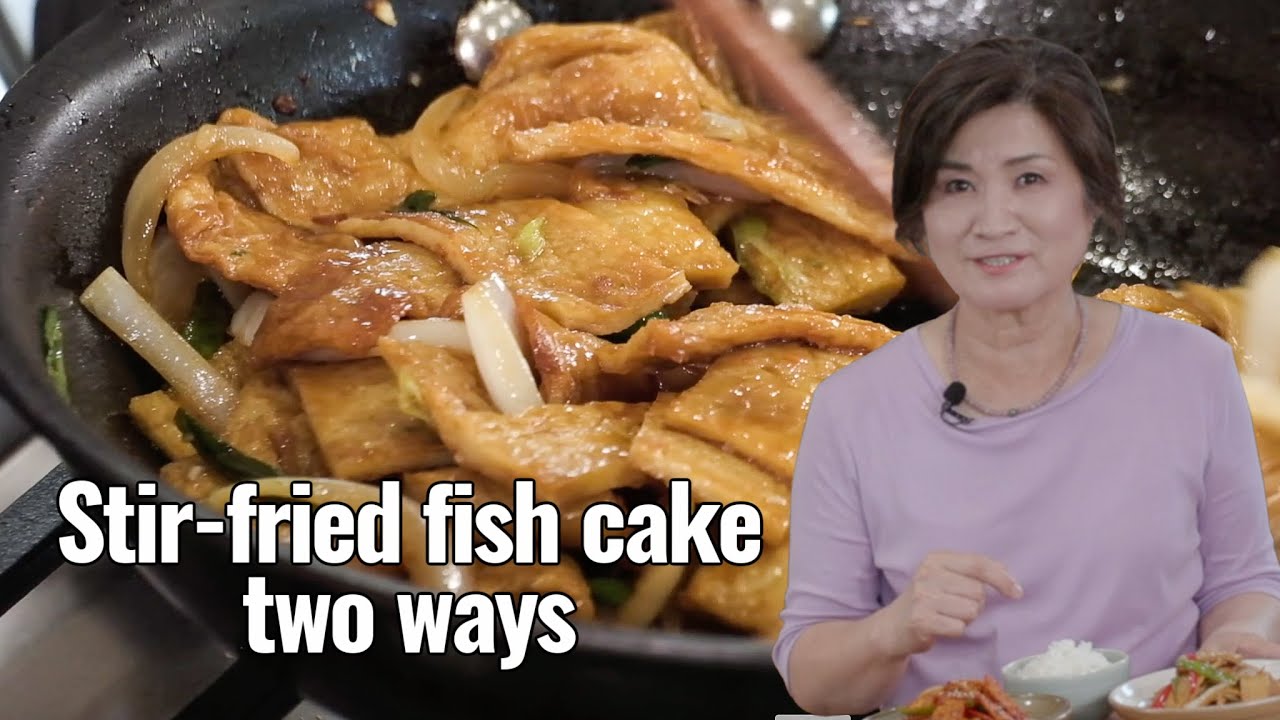
Why This Recipe Works
Eomuk bokkeum is the banchan that separates Korean home cooks from everyone else performing Korean food. It is fifteen minutes of work, a handful of cheap ingredients, and a result that is so relentlessly good, so structurally reliable, that Korean households have been making it weekly for generations without variation or apology. That is not an accident. It is chemistry, texture science, and a glaze formula that happens to be essentially perfect. Let's break down exactly why.
The Blanching Step: Non-Negotiable Chemistry
Korean fish cakes — eomuk, odeng, take your pick — are factory-produced. That is not a criticism. It is a fact. They are made from pureed white fish (pollock is standard), bound with starch, shaped, and deep-fried in industrial oil. The frying preserves them and creates their signature springy, slightly chewy texture. But it also leaves a residual oil coating on every surface that, if not removed, will make your finished dish greasy, muddy, and unable to hold a glaze. The sauce will bead off instead of adhering. The flavors will taste muffled.
Blanching solves this in sixty seconds. Drop the fish cake pieces into boiling water — your medium saucepan works fine here — and give them one minute. The hot water strips the factory oil from the surface, hydrates the outer layer slightly, and creates a clean, porous substrate that the soy-syrup glaze can actually grip. Drain thoroughly. Pat dry if you have the discipline. This single step is what makes the difference between eomuk bokkeum that looks like it came from a restaurant and eomuk bokkeum that looks like you gave up halfway through.
The Glaze: A Three-Part Lacquer System
The sauce in this recipe is not complicated. It is deliberate. Soy sauce provides the saline backbone and the umami depth — glutamates from fermented soybean interacting with the fish protein to create a flavor loop that reads as deeply savory without being identifiably fishy. Sugar adds base sweetness and, critically, accelerates the Maillard reaction in the pan, contributing to the light browning on the fish cake edges. Rice syrup — mulyeot — is where the glaze becomes a glaze. Mulyeot is a glucose-heavy syrup with a lower moisture content than honey or corn syrup. When it hits a hot non-stick or stainless skillet over medium-high heat, it reduces rapidly and coats surfaces with a viscous, shiny film that clings and does not run. It is the reason finished eomuk bokkeum looks lacquered. Honey will give you a similar finish with floral interference notes. Corn syrup is neutral but less viscous. Neither is wrong. Neither is mulyeot.
The garlic goes in first with the onion, into the hot oil, for one reason: the fat is a solvent for the fat-soluble aromatic compounds in garlic — primarily allicin and its breakdown products — that give it that sharp, rounded pungency. Water-based cooking methods dull garlic. Oil-based heat blooms it. You want that bloom in the base of your dish before the fish cakes hit the pan.
Texture Architecture: Browning Is the Goal
Fish cakes are fully cooked when they come out of the package. You are not cooking them through. You are browning them. The two-minute stir-fry in the hot pan — again, using your skillet over genuine medium-high heat, not the timid medium that most home cooks default to — is about developing color and texture contrast on the exterior while keeping the interior springy. The edges should catch. They should have some golden-brown color by the time the sauce goes in. That color is flavor. Maillard reaction products, caramelized soy sugars, toasted fish protein. All of it contributes to the final result tasting like something that took effort even though it took ten minutes.
The Aromatics at the End: Structural Role, Not Decoration
The green chili and green onion go in at the very end, thirty seconds before the heat goes off. This is intentional. Green onion cooked too long loses its brightness and turns limp and sulfurous. The sliced chili loses its fresh heat and its color. Added at the finish, both retain their structural integrity, their color, and their distinct aromatic contributions — grassy, sharp, mildly hot — which provide contrast to the sweet-salty glaze. Sesame oil drizzled off heat is another calculated move. Sesame oil's volatile aromatic compounds degrade rapidly at high temperatures. Off-heat application preserves the roasted, nutty top note that signals the dish is finished and correct.
Why It Keeps All Week
The sweet soy glaze is mildly preservative. High sugar concentration, salt, and the residual sesame oil together create an environment that is inhospitable to rapid bacterial growth. In an airtight container in the refrigerator, this banchan holds for five days without meaningful quality loss — which is why every experienced Korean home cook makes a large batch on Sunday. At room temperature, served alongside rice and whatever protein is on the table, it is complete. This is not a side dish that needs rescuing with condiments or apologies. It is finished, balanced, and structurally sound from the first bite.
It is also, not coincidentally, the banchan that most people eat first.
Eomuk Bokkeum (Stir-Fried Fish Cake)
🛒 Ingredients
- ✦10 oz Korean fish cakes (eomuk/odeng), cut into bite-sized pieces
- ✦1 tablespoon soy sauce
- ✦1 tablespoon rice syrup or corn syrup (mulyeot)
- ✦1 teaspoon sugar
- ✦1 tablespoon sesame oil
- ✦2 cloves garlic, minced
- ✦1 small onion, sliced
- ✦1 small carrot, julienned
- ✦1 Korean green chili pepper, sliced diagonally
- ✦1 green onion, sliced
- ✦1 tablespoon vegetable oil
- ✦Toasted sesame seeds for garnish
👨🍳 Instructions
01Step 1
Blanch the fish cakes in boiling water for 1 minute. Drain well. This removes excess oil and softens them.
02Step 2
Heat vegetable oil in a pan over medium-high heat. Add garlic and onion, stir-fry for 1 minute.
03Step 3
Add fish cakes and carrot. Stir-fry for 2 minutes until edges start to brown.
04Step 4
Add soy sauce, sugar, and rice syrup. Toss to coat evenly. Cook for 2-3 minutes until the sauce reduces and glazes the fish cakes.
05Step 5
Add sliced chili pepper and green onion. Toss for 30 seconds.
06Step 6
Drizzle with sesame oil and garnish with sesame seeds. Serve warm or at room temperature.
Nutrition Per Serving
Estimates based on standard preparation. Adjustments alter macros.
🔄 Substitutions
Instead of Korean fish cakes...
Use Japanese kamaboko or surimi
Different texture but similar idea — any processed fish cake works
Instead of Rice syrup...
Use Honey or corn syrup
Honey adds floral notes; corn syrup is more neutral. Either works for the glaze.
🧊 Storage & Reheating
In the Fridge
Store for up to 5 days in an airtight container. One of the longest-keeping banchan.
In the Freezer
Not recommended — fish cake texture changes.
Reheating Rules
Best at room temperature. Quick microwave works if you prefer it warm.
❓ Frequently Asked Questions
What are Korean fish cakes made of?
Korean eomuk is made from pureed white fish (usually pollock) mixed with starch, salt, and sometimes vegetables, then shaped and deep-fried. They have a springy, chewy texture unlike anything in Western cuisine. Find them in the refrigerated or frozen section of Korean markets.
Can I use the fish cakes from tteokbokki?
Yes — same ingredient. Korean fish cakes are versatile: stir-fried for banchan (this recipe), simmered in tteokbokki sauce, threaded on skewers for odeng-tang (fish cake soup), or added to stews. Buy one package, use it multiple ways.

The Science of
Eomuk Bokkeum (Stir-Fried Fish Cake)
We turned everything on this page into a beautiful, flour-proof PDF cheat sheet. Print it out, stick it to your fridge, and never mess up your eomuk bokkeum (stir-fried fish cake) again.
*We'll email you the high-res PDF instantly. No spam, just perfectly cooked meals.
AlmostChefs Editorial Team
We translate the internet's most popular cooking videos into foolproof, beginner-friendly written recipes. We analyze multiple methods, test them in our kitchen, and engineer a single "Master Recipe" that gives you the best possible result with the least possible stress.