Homemade Beef Empanadas (Flaky, Baked, and Actually Foolproof)
Seasoned ground beef with briny olives, hard-boiled eggs, and jalapeño tucked inside a buttery whole wheat crust — baked until deep golden and crispy. We broke down the most common empanada failures so yours come out perfect every time.
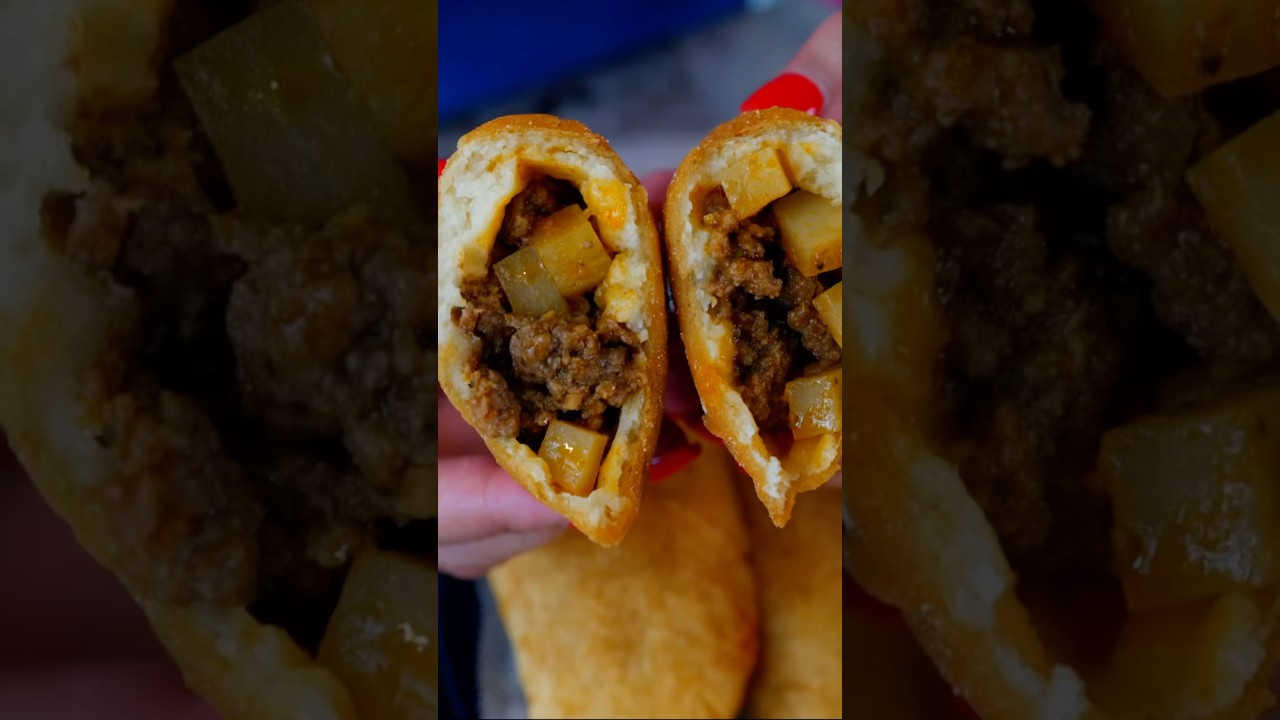
“Empanadas look like a project. They aren't. They're a technique — and once you understand why the dough needs to stay cold, why the filling needs to cool completely before it touches the pastry, and why 22 minutes in a 375°F oven beats a vat of hot oil every time, you'll be making these on autopilot. We stripped the process down to what actually matters.”
Why This Recipe Works
Empanadas are not complicated. They are, however, unforgiving of specific mistakes — and those mistakes are almost always invisible until you pull a pan of blown-out, pale, soggy-bottomed pastries from the oven and wonder where everything went wrong. The answer is usually the same three places: the butter got warm, the filling went in hot, or the crimp was decorative rather than structural.
The Cold Butter Principle
Flaky pastry dough is a dispersed fat system. When you cut cold butter into flour, you're not blending them — you're coating flour particles with fat while leaving distinct butter pockets intact. In the oven, those pockets melt, release steam, and physically push the flour layers apart. That's where flakiness comes from. It's physics, not magic.
Warm butter doesn't behave this way. It smears into the flour instead of creating pockets, and you end up with a uniform, dense mass that bakes into something closer to a firm cracker than a flaky shell. This is why everything in the dough-making process has to stay cold: the bowl, the butter, the water, and — critically — your hands. A pastry cutter is the right tool here precisely because it doesn't transfer body heat the way fingers do.
The whole wheat flour addition (about 17% of the total) is structural, not sentimental. It adds a mild nuttiness and meaningful fiber without altering the fat-to-flour ratio enough to affect flakiness. Go beyond 30% whole wheat and the dough becomes noticeably denser and harder to roll thin. The ratio in this recipe is calibrated to stay on the right side of that line.
Why the Filling Has to Be Cold
This is the failure point that surprises people. The logic is straightforward: you spent 10 minutes carefully keeping your butter cold to create distinct pockets in the dough. The moment warm filling touches those rounds, the butter in the surrounding dough softens. The pockets you created start to merge. The flaky architecture you built collapses before the empanada even sees heat.
Beyond the dough concern, warm filling generates steam inside the sealed empanada during the early minutes of baking. That internal pressure needs somewhere to go — and it will find the weakest point in your crimped edge. This is why empanadas burst. The fix is non-negotiable: cool the filling completely before it touches the dough.
Spread the filling on a sheet pan to accelerate cooling. A deep mound in a bowl retains heat for 20 minutes or more. A thin layer on a pan hits room temperature in 8-10 minutes.
The Filling Architecture
The cumin-paprika-olive combination is not accidental. Cumin provides the warm, earthy backbone. Paprika adds subtle smokiness and color. The green olives are the ingredient most people want to skip — and most people who skip them notice that something is missing even if they can't identify what. The olives contribute a briny, salty sharpness that cuts through the richness of the beef and the eggs. Remove that contrast and the filling tastes flat.
The hard-boiled eggs aren't just filler. They absorb the spiced beef fat during the dum of the oven, taking on flavor while contributing a creamy, rich texture that beef alone can't provide. This is an Argentine classic combination for a reason — it's been tested by several centuries of people who cared about the outcome.
Browning the beef properly — genuinely browning it, not steaming it in a crowded pan — is where the filling's depth comes from. Crowded beef drops the pan temperature, releases moisture, and poaches in its own liquid. Spread it out, leave it alone, and let the Maillard reaction do its job. Those browned bits on the pan surface are flavor. The beef broth goes in next specifically to lift them.
The Seal and the Chill
A fork crimp is structural engineering at small scale. Press hard, overlap your marks, and go all the way to the edge of the dough. A light decorative press will open under oven heat. A deep, overlapping crimp locks the edge together.
The 20-minute post-assembly refrigeration step is not fussiness — it's the reason baked empanadas hold their half-moon shape. Shaping warms the dough slightly from hand contact. Chilling re-firms the butter before the oven sets everything in place. Skip it and your empanadas spread flat and lose their clean lines.
Bake on a parchment-lined sheet pan at 375°F until genuinely deep golden — the color of well-toasted bread, not the pale beige most recipes call "done." Pale means the dough is still raw underneath the surface. Rotate the pan at the halfway mark. Ovens have hot spots and empanadas don't forgive them.
Where Beginners Mess This Up
Before we start, read this. These are the 4 reasons your homemade beef empanadas (flaky, baked, and actually foolproof) will fail:
- 1
Warm butter in the dough: Cold butter is the entire architecture of a flaky empanada crust. When you cut cold butter into flour, it leaves distinct pea-sized pockets. In the oven, those pockets melt and release steam, creating layers. Warm or melted butter blends into the flour and produces a dense, cracker-like shell instead of a flaky one. Keep everything cold — cold bowl, cold butter, ice water.
- 2
Hot filling going into the dough: Placing warm filling onto the dough rounds softens the cold butter you just worked so hard to preserve. It also generates steam inside the sealed empanada before it hits the oven, weakening the seal and causing blowouts. Cool the filling to room temperature — minimum 15 minutes, ideally 30. This is not optional.
- 3
Skipping the post-assembly chill: After shaping, empanadas need 20 minutes back in the refrigerator before baking. This re-firms the butter in the dough after the warmth of your hands softened it during shaping. Skip this step and the empanadas spread flat and lose their clean half-moon shape in the oven.
- 4
Weak edge sealing: A fork crimp is not decorative — it's structural. Press firmly all the way around, overlapping each tine mark. If you can see any gap or translucent thin spot in the edge, it will open in the oven and your filling will pour out. When in doubt, double crimp.
The Video Reference Library
Want to see it in action? Here are the exact videos we analyzed and combined to build this foolproof recipe translation:
The primary reference video for this recipe. Clear demonstration of the dough-cutting technique, filling consistency, and proper fork-crimping method.
🛠️ Core Equipment
- Pastry cutterCuts cold butter into flour without warming it the way your hands do. This is the tool that makes flaky crust possible at home without specialty equipment.
- Rolling pinEven thickness across the dough round ensures uniform baking. Uneven dough means some edges are already cooked through while the center is still raw.
- 3.5-inch round cutter or wide-mouth glassConsistent circle size ensures consistent filling-to-dough ratio and uniform baking times across an entire sheet pan.
- Parchment-lined baking sheetDirect contact with a bare metal pan scorches the bottom before the top is done. Parchment regulates bottom heat and makes cleanup effortless.
Homemade Beef Empanadas (Flaky, Baked, and Actually Foolproof)
🛒 Ingredients
- ✦2.5 cups all-purpose flour
- ✦0.5 cup whole wheat flour
- ✦7 tablespoons cold unsalted butter, cubed
- ✦1 teaspoon fine sea salt
- ✦0.75 cup ice water
- ✦1.25 lbs lean ground beef
- ✦2 medium yellow onions, finely diced
- ✦3 cloves garlic, minced
- ✦1.5 teaspoons ground cumin
- ✦0.75 teaspoon paprika
- ✦0.5 cup beef broth
- ✦0.33 cup green olives, finely chopped
- ✦2 large hard-boiled eggs, diced
- ✦1 jalapeño, seeded and minced
- ✦1 egg yolk, beaten with 1 tablespoon water
- ✦Freshly cracked black pepper to taste
👨🍳 Instructions
01Step 1
Combine all-purpose flour, whole wheat flour, and sea salt in a large mixing bowl.
02Step 2
Cut the cold butter cubes into the flour mixture using a pastry cutter or your fingertips until the texture resembles coarse breadcrumbs with some pea-sized pieces remaining.
03Step 3
Add ice water gradually, stirring gently with a fork until the dough just comes together without overworking it.
04Step 4
Form the dough into a flat disk, wrap with plastic wrap, and refrigerate for at least 30 minutes to allow gluten to relax.
05Step 5
Meanwhile, warm a large skillet over medium-high heat and cook the ground beef, breaking it apart as it browns, until no pink remains, approximately 7-8 minutes.
06Step 6
Add the diced yellow onions to the cooked beef and sauté until translucent and beginning to caramelize, about 5 minutes.
07Step 7
Stir in the minced garlic, cumin, and paprika, cooking until fragrant, roughly 1 minute.
08Step 8
Pour the beef broth into the skillet and simmer until the liquid reduces by half, about 4-5 minutes.
09Step 9
Remove from heat and fold in the chopped olives, diced hard-boiled eggs, and jalapeño, then season with black pepper and taste for salt adjustment.
10Step 10
Allow the filling to cool to room temperature before assembly, about 15 minutes.
11Step 11
Preheat your oven to 375°F and line baking sheets with parchment paper.
12Step 12
Roll out the chilled dough between two sheets of parchment to approximately 1/8-inch thickness.
13Step 13
Cut circles from the dough using a 3.5-inch round cutter or glass, gathering and re-rolling scraps as needed.
14Step 14
Place about 1.5 tablespoons of the cooled beef filling slightly off-center on each dough circle.
15Step 15
Fold the dough in half over the filling to create a half-moon shape, pressing the edges firmly with the tines of a fork to seal.
16Step 16
Arrange the sealed empanadas on the prepared baking sheets, leaving space between each one.
17Step 17
Brush the tops of each empanada with the egg yolk wash to achieve a golden appearance.
18Step 18
Refrigerate the assembled empanadas for 20 minutes to help them hold their shape during baking.
19Step 19
Bake in the preheated oven until the pastry is deep golden brown and crispy, approximately 22-25 minutes.
20Step 20
Transfer the empanadas to a wire rack and allow them to cool for 5 minutes before serving warm.
Nutrition Per Serving
Estimates based on standard preparation. Adjustments alter macros.
🔄 Substitutions
Instead of All-purpose flour (partial)...
Use Whole grain spelt flour (swap 0.75 cup)
Slightly nuttier flavor and denser texture, but adds meaningful fiber. Don't go higher than a 30% swap or the dough becomes difficult to roll thin.
Instead of Butter...
Use Extra virgin olive oil (5 tablespoons)
Reduces saturated fat significantly. The crust will be less flaky and more tender-crumbly — still good, just different. Mediterranean flavor profile.
Instead of Ground beef...
Use Lean ground turkey or chicken
Leaner finish with less umami depth. Compensate by increasing the cumin to 2 teaspoons and adding a teaspoon of smoked paprika.
Instead of Beef broth...
Use Low-sodium bone broth or vegetable broth
Allows more control over final salt level. Equally effective at deglazing and adding depth to the filling.
🧊 Storage & Reheating
In the Fridge
Store baked empanadas in an airtight container for up to 3 days. They reheat better than most pastries.
In the Freezer
Freeze baked or unbaked for up to 2 months. Unbaked yields a slightly better texture — bake straight from frozen, adding 5-6 minutes to the cook time.
Reheating Rules
Reheat baked empanadas in a 350°F oven for 8-10 minutes directly on the rack. The microwave turns the crust soft and sad — avoid it.
❓ Frequently Asked Questions
Why did my empanadas burst open in the oven?
Two causes: overfilling or weak sealing. Use no more than 1.5 tablespoons of filling per empanada and leave a clean 1/2-inch border of dough around the edge. Then press the fork seal hard enough to leave deep, visible tine marks all the way around. A timid crimp is not a seal.
Can I fry these instead of baking?
Yes. Heat 2 inches of neutral oil to 350°F and fry for 3-4 minutes per side until deep golden. The texture is more indulgent — crispier exterior, richer flavor. The whole wheat flour holds up well to frying. Drain on a wire rack, not paper towels, to keep the bottom crisp.
Why is my dough tough and hard to roll?
You overworked it. Once the water goes in, the goal is minimum contact — stir until the dough just holds together and stop. Every extra fold develops more gluten, which makes the dough elastic and difficult to roll thin. If it springs back when you roll it, wrap it and refrigerate for 15 more minutes to let the gluten relax.
Can I make these vegetarian?
Easily. Replace the beef with 1.5 cups of cooked black beans plus 1 cup of diced roasted sweet potato, seasoned with the same cumin and paprika. Use vegetable broth to deglaze. The filling is equally satisfying and holds together well for sealing.
How do I get a shiny, deep golden crust?
Two things: the egg yolk wash and the post-assembly chill. The yolk wash provides the color — a whole egg wash gives a paler result. The 20-minute refrigerator rest before baking ensures the butter in the dough is fully re-firmed, which allows the crust to puff and brown rather than spread and flatten.
What's the right dipping sauce?
Chimichurri is the classic pairing — the acid and herb cut the richness of the beef filling perfectly. A simple yogurt sauce with garlic and lemon works equally well. If you're going from-scratch on a weeknight, hot sauce straight from the bottle is a completely defensible choice.
The Science of
Homemade Beef Empanadas (Flaky, Baked, and Actually Foolproof)
We turned everything on this page into a beautiful, flour-proof PDF cheat sheet. Print it out, stick it to your fridge, and never mess up your homemade beef empanadas (flaky, baked, and actually foolproof) again.
*We'll email you the high-res PDF instantly. No spam, just perfectly cooked meals.
AlmostChefs Editorial Team
We translate the internet's most popular cooking videos into foolproof, beginner-friendly written recipes. We analyze multiple methods, test them in our kitchen, and engineer a single "Master Recipe" that gives you the best possible result with the least possible stress.