Classic Homemade Eggnog (The Holiday Drink You've Been Getting Wrong)
A rich, creamy holiday beverage built on a properly tempered custard base, whipped egg whites for lift, and warm spices that actually bloom. We broke down the technique so you get silky, lush eggnog every time — no curdled eggs, no flat flavor, no excuses.
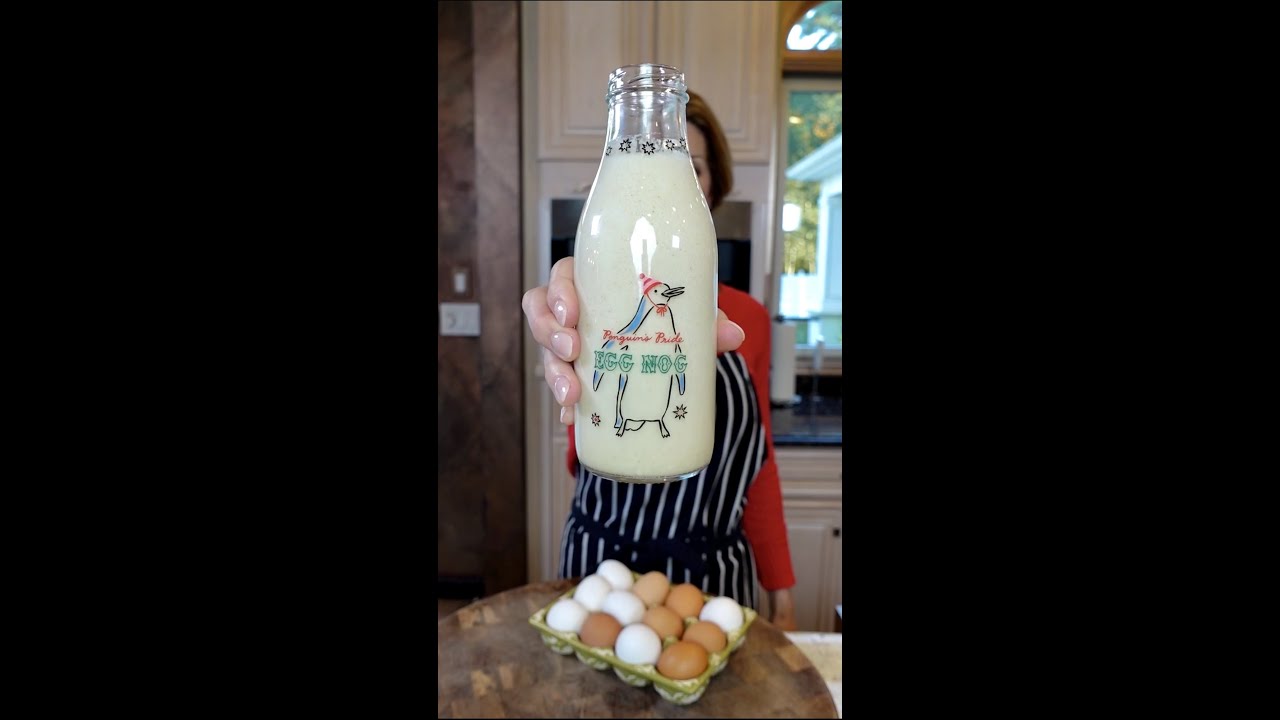
“Store-bought eggnog is a pale imitation — watery, artificially flavored, and loaded with stabilizers to survive six weeks on a shelf. Homemade eggnog made correctly is something else entirely: a thick, airy, custard-forward drink that coats the glass and tastes like someone actually cared. The technique is not complicated. But skip the tempering step, or rush the egg whites, and you'll end up with sweet scrambled eggs in milk. Here's how to do it right.”
Why This Recipe Works
Eggnog is a custard you drink. That framing matters because every technique in this recipe comes from pastry fundamentals, not beverage making — and once you understand you're building a cooked emulsion rather than mixing a cocktail, every step makes immediate sense.
The Tempering Problem
The most common home eggnog failure looks like this: beautiful golden yolks, good-quality cream, careful spice measuring — ruined the moment hot milk hits cold eggs and the proteins seize into sweet, dairy-scented scramble. Tempering exists specifically to prevent this. You warm the yolks gradually over a water bath until they reach 160°F before any milk is added. At this temperature, the proteins have denatured enough to form a stable emulsion but haven't coagulated into solids. Once tempered, you can add the warm milk in a slow stream without any risk of curdling.
The heatproof mixing bowl over barely simmering water is the right tool because indirect heat is forgiving — the temperature rises slowly and evenly, giving you control. Direct burner heat creates hot spots and gives you seconds between "tempered" and "scrambled." This is not a step to optimize out.
The Egg White Architecture
What separates restaurant-quality eggnog from the flat, dense homemade versions is the folded meringue. When egg whites are beaten to stiff peaks with sugar and folded into the custard base, they create millions of tiny air bubbles that give the drink its characteristic moussey texture and lighter mouthfeel. This is not decoration — it's structural.
The failure mode is familiar to anyone who's made a soufflé: the whites collapse from overfolding, the bubbles burst, and the drink flattens out. Use the classic pastry fold — cut, sweep, turn — and stop the moment the whites are incorporated. Overzealous mixing undoes five minutes of beating in about thirty seconds.
An electric stand mixer makes the beating step reliable. Getting to stiff, glossy peaks by hand is possible but exhausting, and the line between properly beaten whites and overbeaten (grainy, watery) whites is easier to manage when you're not already tired from the effort.
The Spice Logic
Ground nutmeg from a jar is doing almost nothing in this recipe. Nutmeg's aromatic compounds — myristicin, elemicin, eugenol — are highly volatile and begin oxidizing within weeks of grinding. A jar that's been in the back of a spice drawer since last December is contributing texture, not flavor. Buy a whole nutmeg. A microplane grater grates it to a fine, fragrant dust in seconds. The difference in the finished drink is immediate and not subtle.
Cinnamon plays a supporting role — background warmth rather than a lead note. The ratio here keeps it subordinate to the nutmeg, which is correct. Eggnog that tastes primarily of cinnamon has the spice balance wrong.
The Chill Imperative
Four hours of refrigeration is not optional phrasing. The chilling period does three things: it sets the custard to a slightly thicker, more cohesive consistency; it allows the spices to bloom and integrate with the dairy (rather than sitting on top as separate flavor notes); and it lets the alcohol, if using, mellow and distribute evenly. Eggnog served immediately after mixing tastes like its ingredients in sequence. Eggnog served four hours later tastes like a single thing.
This is also why the recipe scales well for parties — make it the morning of the event, chill all day, stir gently before serving. The drink is literally better for the wait.
The Alcohol Question
Rum, bourbon, brandy, or nothing — the base recipe is built to work either way. The warming sensation most people associate with spiked eggnog is largely a spice effect, not an alcohol effect. A generous hand with the nutmeg and a pinch of clove produces much of the same warmth without a drop of spirits. If you're serving a mixed crowd, make the full batch without alcohol and offer spirits on the side for self-spiking. Everyone controls their own pour and you only make one batch.
Where Beginners Mess This Up
Before we start, read this. These are the 4 reasons your classic homemade eggnog (the holiday drink you've been getting wrong) will fail:
- 1
Scrambling the egg yolks: Adding hot milk directly to raw egg yolks without tempering them first causes the proteins to seize instantly — you get sweet, savory scrambled eggs floating in cream. The fix is simple: warm the yolks gently over a water bath first, or add the hot milk in a slow, thin stream while whisking constantly. Temperature control is the entire job here.
- 2
Under-whipping the egg whites: Soft peaks collapse within minutes of folding, leaving you with a flat, dense drink instead of the airy, mousse-like texture that makes homemade eggnog special. Beat to stiff, glossy peaks — when you pull the beater out, the whites should stand straight up without drooping. This is the structure that gives the drink its lift.
- 3
Skipping the chill time: Eggnog served immediately after mixing is warm, loose, and the flavors haven't melded. Four hours of refrigeration allows the custard to set slightly, the spices to bloom fully, and the alcohol to integrate. Rushing this step produces a drink that tastes like its parts rather than a whole.
- 4
Using the wrong nutmeg: Pre-ground nutmeg from a jar that's been open for two years tastes like sawdust. Freshly grated whole nutmeg has a completely different aromatic profile — floral, warm, and slightly citrusy. For a drink that's 40% spice-forward, this is not an optional upgrade.
The Video Reference Library
Want to see it in action? Here are the exact videos we analyzed and combined to build this foolproof recipe translation:
The source video for this recipe. Clear walkthrough of the tempering method, egg white folding technique, and proper chilling time. Watch the custard color change at the 4-minute mark — that's exactly what you're aiming for.
🛠️ Core Equipment
- Double boiler or heatproof bowl over saucepanGentle, indirect heat is the only way to safely warm the egg yolks without scrambling them. Direct heat from a burner creates hot spots that cook the eggs unevenly. A [heatproof mixing bowl](/kitchen-gear/review/mixing-bowl) set over barely simmering water gives you total control.
- Electric hand mixer or stand mixerBeating egg whites to stiff peaks by hand takes 10-15 minutes of vigorous whisking and produces inconsistent results. An [electric mixer](/kitchen-gear/review/stand-mixer) gets there in 4-5 minutes with reliable peak structure every time.
- Instant-read thermometerThe yolk mixture needs to reach 160°F to be food-safe with pasteurized eggs and to achieve the right custard consistency. Guessing by color alone is unreliable — a [kitchen thermometer](/kitchen-gear/review/instant-read-thermometer) takes the guesswork out completely.
- Large pitcher or punch bowlEggnog needs room to be stirred gently before serving without splashing. A wide pitcher also makes it easy to ladle or pour into individual glasses without deflating the whipped whites.
Classic Homemade Eggnog (The Holiday Drink You've Been Getting Wrong)
🛒 Ingredients
- ✦12 large pasteurized eggs, separated into yolks and whites
- ✦3/4 cup granulated sugar, divided
- ✦2 cups whole milk
- ✦1 cup heavy whipping cream
- ✦1/2 cup dark rum or bourbon (optional)
- ✦1/4 cup brandy or cognac (optional)
- ✦2 teaspoons vanilla extract
- ✦1/2 teaspoon ground nutmeg, plus extra for garnish
- ✦1/4 teaspoon ground cinnamon
- ✦1/8 teaspoon sea salt
- ✦2 tablespoons unsalted butter
- ✦1 tablespoon honey
👨🍳 Instructions
01Step 1
Separate the eggs carefully into two clean bowls, ensuring no yolk gets into the whites.
02Step 2
Whisk the egg yolks with 1/2 cup of sugar over a bowl of warm (not boiling) water, stirring constantly for about 2-3 minutes until the mixture reaches 160°F and becomes pale and fluffy.
03Step 3
Remove the bowl from heat and stir in the vanilla extract, ground nutmeg, cinnamon, and sea salt until fully combined.
04Step 4
Pour the warm milk and cream into the yolk mixture slowly while whisking continuously to create a smooth, creamy base without lumps.
05Step 5
Fold in the optional alcohol if using, stirring gently to distribute evenly throughout the custard.
06Step 6
In a separate clean bowl, beat the egg whites with an electric mixer on medium-high speed until soft peaks form, about 3-4 minutes.
07Step 7
Gradually add the remaining 1/4 cup sugar to the whites while continuing to beat, bringing the mixture to stiff, glossy peaks, approximately 2 more minutes.
08Step 8
Gently fold the whipped egg whites into the eggnog mixture using a spatula, being careful to preserve the airiness and lightness.
09Step 9
Transfer the finished eggnog to a large pitcher or serving bowl and refrigerate for at least 4 hours, or until well chilled.
10Step 10
Stir gently before serving to recombine any separated layers that may have formed during chilling.
11Step 11
Pour into small serving glasses or mugs and dust the top of each serving with freshly grated nutmeg.
12Step 12
Serve immediately while cold, or heat gently over low heat for warm eggnog — do not boil.
Nutrition Per Serving
Estimates based on standard preparation. Adjustments alter macros.
🔄 Substitutions
Instead of Whole milk and heavy whipping cream...
Use Half-and-half or evaporated milk (1.5 cups total)
Slightly less rich but still smooth. Fewer calories and less saturated fat per serving. Evaporated milk has natural emulsifiers that help maintain the creamy texture.
Instead of Granulated sugar (3/4 cup)...
Use Coconut sugar or maple syrup (1/2 cup)
Coconut sugar adds subtle caramel notes. Maple syrup adds a distinctly American warmth that pairs well with the bourbon. Both have a lower glycemic index than white sugar.
Instead of Dark rum and brandy...
Use Bourbon extract or omit entirely for alcohol-free version
Removes the liquid calories and keeps it family-friendly. The warming sensation you expect from spiked eggnog comes mainly from spice — a pinch more nutmeg and cinnamon compensates significantly.
Instead of Whole milk (2 cups)...
Use 1.5 cups unsweetened almond milk plus 0.5 cup lactose-free whole milk
Reduces lactose for sensitive guests while preserving some of the richness. The texture will be slightly thinner. Full dairy-free versions using only plant milk produce noticeably less rich results.
🧊 Storage & Reheating
In the Fridge
Store in an airtight pitcher or container for up to 3 days. The non-alcoholic version should be consumed within 2 days. Stir gently before each serving — separation is normal.
In the Freezer
Not recommended. Freezing breaks down the emulsion and the thawed result is grainy and separated, with the whipped egg whites collapsed entirely.
Reheating Rules
For warm eggnog, heat gently in a saucepan over low heat to 140-150°F, stirring constantly. Do not microwave — uneven heat will scramble the egg proteins and break the custard.
❓ Frequently Asked Questions
Is it safe to drink homemade eggnog with raw eggs?
This recipe uses pasteurized eggs and the yolks are heated to 160°F during the tempering step, which exceeds the FDA food safety threshold. The risk from raw eggs in traditional eggnog comes from unpasteurized eggs at room temperature. Follow this technique exactly and it's safe for most people — always consult a doctor for immunocompromised guests or young children.
Why are my egg whites not whipping up properly?
Three likely culprits: yolk contamination in the bowl, grease residue on the bowl or beaters, or eggs that are too cold. Even a tiny trace of fat prevents the whites from foaming. Use a clean glass or metal bowl (not plastic, which holds grease), wipe everything with a paper towel dampened with white vinegar, and let the eggs come to room temperature before beating.
Can I make this without alcohol?
Yes — and it's still excellent. The alcohol adds warmth and complexity but the spice profile carries the drink on its own. Add an extra pinch of nutmeg, a tiny pinch of clove, and increase the vanilla to 2.5 teaspoons to compensate for the depth the spirits would have provided.
How long does homemade eggnog last?
Up to 3 days refrigerated in an airtight container. The egg whites will slowly deflate over time, so the texture thins out by day two. The alcoholic version keeps slightly longer because spirits act as a mild preservative — up to 4 days. Smell it before serving: sour or off-odors mean it's gone.
Can I make this ahead for a party?
Yes — it's actually better made 4-8 hours ahead. The flavors meld and the texture sets into something richer and more cohesive than freshly mixed eggnog. Make it the morning of, chill all day, and stir gently before serving. Don't make it more than 24 hours ahead or the egg white structure will have fully collapsed.
What's the difference between eggnog and custard?
Structurally, very little — both are emulsified mixtures of egg yolks, sugar, and dairy. The differences are ratio, texture, and serving temperature. Custard uses more yolks and less dairy, is cooked until thick, and is typically served set or semi-set. Eggnog uses whole eggs (with beaten whites folded in), stays pourable, and is served cold or gently warmed. Think of eggnog as drinkable crème anglaise with whipped egg whites for lift.
The Science of
Classic Homemade Eggnog (The Holiday Drink You've Been Getting Wrong)
We turned everything on this page into a beautiful, flour-proof PDF cheat sheet. Print it out, stick it to your fridge, and never mess up your classic homemade eggnog (the holiday drink you've been getting wrong) again.
*We'll email you the high-res PDF instantly. No spam, just perfectly cooked meals.
AlmostChefs Editorial Team
We translate the internet's most popular cooking videos into foolproof, beginner-friendly written recipes. We analyze multiple methods, test them in our kitchen, and engineer a single "Master Recipe" that gives you the best possible result with the least possible stress.