38g Protein Egg White Omelette (Stop Leaving Gains on the Table)
A fluffy, high-protein egg white omelette loaded with sautéed vegetables, turkey sausage, and a Greek yogurt–cottage cheese blend that pushes each serving to 38g of protein. We reverse-engineered the most popular high-protein breakfast methods to build one technique that delivers real satiety without the calorie load.
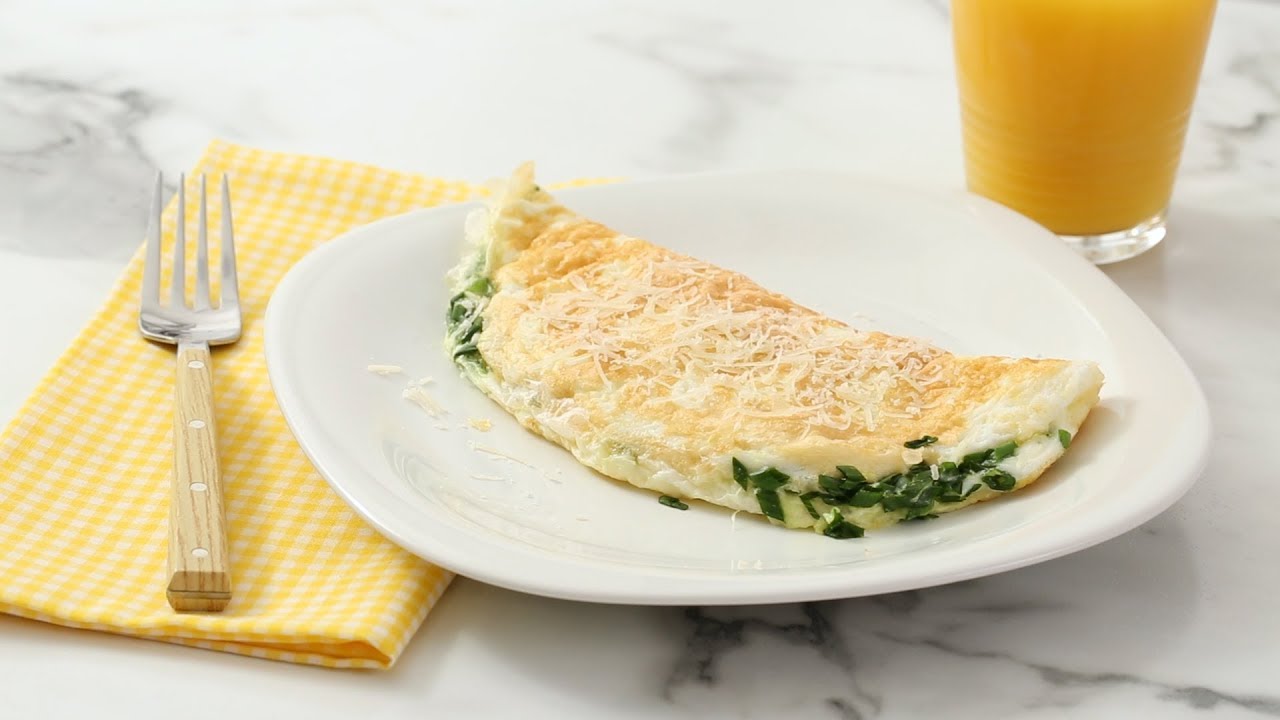
“Most egg white omelettes are a punishment. Rubbery, thin, flavorless — a food you eat because you think you have to, not because you want to. The problem isn't egg whites. The problem is that nobody adds anything to them. Fold in Greek yogurt and cottage cheese, sauté your vegetables properly, and suddenly you have a breakfast that delivers 38g of protein, holds together like a real omelette, and actually tastes like something.”
Why This Recipe Works
Egg white omelettes have a reputation problem. Not because egg whites are bad — because everyone makes them wrong. Strip out the yolk, throw whites in a hot pan, stuff in some raw spinach, fold it in half, and wonder why the result tastes like a cardboard sports bra. The problem isn't the ingredient. The problem is the technique.
The Protein Architecture
Egg whites are roughly 90% water and 10% protein. That's it. No fat, no lecithin, no emulsifiers — none of the structural components that make a whole-egg omelette tender and custardy. When you apply heat to pure egg whites, the proteins denature and cross-link aggressively, squeezing out water and contracting into a tight, rubbery matrix. This is not a flaw. This is physics.
The fix is intentional: Greek yogurt and cottage cheese. The lactic acid in Greek yogurt partially denatures the egg white proteins before they hit the pan — a process called pre-denaturation — which means there's less violent contraction when heat is applied. The casein protein and residual fat in cottage cheese physically interrupts the protein network, preventing the tight cross-linking that causes rubbery texture. The result is a 38g-protein omelette that behaves like a 38g-protein omelette instead of a stress ball.
The Vegetable Problem
Mushrooms are 92% water by weight. Spinach is 91%. Neither of those numbers is compatible with eggs that need to set properly. The single most common egg white omelette failure — the soupy, never-setting disaster that everyone has made once — is caused by adding vegetables that haven't been cooked long enough to expel their moisture.
Sauté the mushrooms until you see them shrink visibly and the pan looks dry again. That's roughly 2 minutes on medium-high. The spinach needs 60-90 seconds until it wilts down to a dark, glossy mass about a quarter of its original volume. Bell pepper softens quickly and holds less water, so it goes in last. Push everything to the sides before the eggs go in the center — this ensures the eggs contact hot, oiled pan surface rather than sitting on a wet vegetable bed.
Heat Control Is Everything
A nonstick skillet is non-negotiable for egg whites, but pan temperature is what separates good from great. Too cool and the eggs spread thin and take forever to set, drying out before they're done. Too hot and the bottom browns and stiffens before the top has any chance to cook through.
Medium-high heat with shimmering (not smoking) olive oil is the target. The egg mixture should start setting at the edges within 30 seconds of hitting the pan. If nothing happens in the first 45 seconds, the heat is too low. If you hear aggressive sizzling, too high.
The Fold
Folding is where most omelettes die. The timing is precise: fold when the surface is wet-glossy but the bottom layer is fully set. Test this by gently shaking the pan — the eggs should move as a single unit, not slosh. If any liquid pools around the edges when you shake, wait another 30 seconds.
Use a flexible silicone spatula and fold in one deliberate motion toward the plate. Hesitation causes tearing because the omelette cools and stiffens mid-fold. Commit to the motion and the cheese melts from residual internal heat in the 30 seconds it takes to get from pan to table.
Why 38g Matters
The average active adult needs 0.7–1g of protein per pound of bodyweight daily. At 38g per serving, this omelette covers roughly a quarter of that target for a 150-pound person — in 22 minutes, from ingredients that cost about $3 per serving. Compare that to a protein shake at 25g and $4 per serving with no fiber, no vegetables, and none of the satiety that comes from actual chewing and digestion.
This is not a diet food. It is a precision tool.
Where Beginners Mess This Up
Before we start, read this. These are the 4 reasons your 38g protein egg white omelette (stop leaving gains on the table) will fail:
- 1
Skipping the Greek yogurt and cottage cheese: Egg whites alone have almost no fat and no emulsifiers, which means they cook up tight, rubbery, and squeaky. The Greek yogurt adds lactic acid that keeps the proteins from over-contracting, and the cottage cheese adds just enough fat and casein protein to create a custardy, tender texture. This is the entire upgrade. Don't skip it.
- 2
Cooking on heat that's too high: Egg whites seize fast at high heat. You need medium to medium-high — shimmering oil, not smoking oil. Too hot and the bottom browns and toughens before the top has a chance to set. You lose the soft, folded texture and end up with a crispy egg disk.
- 3
Not cooking out the vegetable moisture first: Mushrooms and spinach release significant water as they cook. If you pour the egg whites directly over wet vegetables, you get a soupy, never-setting mess. Sauté the vegetables fully — mushrooms until dry, spinach until wilted and collapsed — before the eggs go in.
- 4
Folding too early: Fold when the eggs are mostly set but still slightly wet on top. If the surface looks fully dry before you fold, the omelette will crack. If you fold when the top is still liquid, the filling slides out. The target is wet-glossy on top, fully set on the bottom.
The Video Reference Library
Want to see it in action? Here are the exact videos we analyzed and combined to build this foolproof recipe translation:
The source video for this recipe — covers the yogurt-cottage cheese blend, vegetable sauté order, and folding technique in real time.
🛠️ Core Equipment
- Nonstick skillet (10-inch)Egg whites have zero fat and will weld themselves to stainless steel or cast iron. A quality nonstick surface is the only way to fold and slide cleanly. A [nonstick skillet](/kitchen-gear/review/nonstick-skillet) with a sloped edge makes folding significantly easier.
- Silicone spatulaA thin, flexible silicone spatula lets you push the cooked egg toward the center without tearing it. Metal spatulas catch edges and rip the omelette. A [flexible spatula](/kitchen-gear/review/silicone-spatula) is non-negotiable here.
- Medium mixing bowlYou need enough volume to whisk the egg whites, yogurt, and cottage cheese vigorously without splashing. A bowl that's too small means you can't incorporate air properly, and the omelette won't puff at all.
- WhiskA [balloon whisk](/kitchen-gear/review/whisk) incorporates air into the egg white mixture far better than a fork. More air means a slightly puffier, more tender result. Takes 30 extra seconds and matters.
38g Protein Egg White Omelette (Stop Leaving Gains on the Table)
🛒 Ingredients
- ✦8 large egg whites
- ✦2 tablespoons nonfat Greek yogurt
- ✦2 tablespoons low-fat cottage cheese
- ✦1 cup fresh spinach, loosely packed
- ✦1 medium red bell pepper, diced small
- ✦1/2 cup mushrooms, sliced thin
- ✦1/4 cup diced yellow onion
- ✦1/4 cup shredded part-skim mozzarella cheese
- ✦2 oz fully cooked turkey sausage links, sliced
- ✦1 teaspoon olive oil
- ✦1/2 teaspoon salt
- ✦1/4 teaspoon black pepper
- ✦1/4 teaspoon garlic powder
- ✦Fresh chives, chopped (optional garnish)
👨🍳 Instructions
01Step 1
Whisk together the egg whites, Greek yogurt, and cottage cheese in a medium bowl until smooth and well combined, about 1 minute.
02Step 2
Season the egg mixture with salt, black pepper, and garlic powder, stirring gently to incorporate.
03Step 3
Heat olive oil in a nonstick skillet over medium-high heat for about 30 seconds until shimmering but not smoking.
04Step 4
Add the diced onion and sauté for 2 minutes until it begins to soften and turn translucent.
05Step 5
Add the sliced mushrooms and cook for another 2 minutes, stirring occasionally, until they release their moisture and start to dry out.
06Step 6
Add the bell pepper and fresh spinach to the skillet, cooking for 1-2 minutes until the spinach wilts completely and the pepper softens slightly.
07Step 7
Push all vegetables to the sides of the skillet, creating a clear well in the center.
08Step 8
Pour the egg white mixture into the center of the skillet and let it cook undisturbed for 2 minutes until the bottom is set.
09Step 9
Gently push the cooked egg toward the center while tilting the skillet so uncooked egg flows to the edges. Repeat this motion for another 2-3 minutes until mostly set.
10Step 10
When the eggs are mostly set but still slightly wet and glossy on top, scatter the turkey sausage slices and mozzarella over one half of the omelette.
11Step 11
Fold the bare half over the filled half and slide onto a plate. Let sit for 30 seconds so the cheese melts from residual heat.
12Step 12
Garnish with fresh chives if desired and serve immediately.
Nutrition Per Serving
Estimates based on standard preparation. Adjustments alter macros.
🔄 Substitutions
Instead of Egg whites...
Use Carton egg whites (such as Egg Beaters)
Exactly equivalent, saves the hassle of separating 8 eggs. Use 1 cup of liquid egg whites to replace 8 large egg whites.
Instead of Greek yogurt + cottage cheese...
Use 2 tablespoons ricotta
Ricotta provides similar creaminess and protein boost in a single ingredient. Slightly richer flavor but the same structural benefit.
Instead of Turkey sausage...
Use Crumbled tempeh or cooked lentils
Keeps the protein high in a plant-based format. Tempeh should be pre-sautéed with smoked paprika and fennel seed to mimic the sausage flavor profile.
Instead of Part-skim mozzarella...
Use Feta cheese
Feta doesn't melt — it softens and crumbles. Adds a sharp, salty contrast that pairs extremely well with spinach and red pepper. Use 2 tablespoons crumbled.
🧊 Storage & Reheating
In the Fridge
Store cooled omelette in an airtight container for up to 2 days. The texture softens slightly but the flavor holds.
In the Freezer
Not recommended — egg whites turn watery and rubbery when frozen and thawed. Make fresh or refrigerate only.
Reheating Rules
Reheat in a covered nonstick skillet over low heat with 1 teaspoon of water for 2-3 minutes. Microwave works in 45-second bursts but softens the texture significantly.
❓ Frequently Asked Questions
Why add cottage cheese and Greek yogurt to egg whites?
Egg whites are almost pure protein with no fat. Without any fat or emulsifier, they contract aggressively when heated and turn rubbery. Greek yogurt's lactic acid slows protein tightening, and cottage cheese's casein and small fat content creates a custardy texture. The result is an omelette that's tender rather than squeaky — and you gain roughly 10g of protein per serving in the process.
Can I make this ahead for meal prep?
The vegetables can be prepped and sautéed in bulk 3-4 days ahead. Store them in the fridge and fold them into freshly whisked egg whites each morning. A fully assembled omelette holds in the fridge for 2 days but is best eaten immediately for texture.
Will this keep me full until lunch?
At 38g of protein and 10g of carbs, yes — assuming you eat both servings or scale the recipe accordingly. Protein is the most satiating macronutrient and takes 3-4 hours to digest. The fiber from the vegetables contributes as well. This outperforms most protein shakes for sustained satiety because it requires actual digestion.
My omelette keeps sticking even in a nonstick pan. Why?
Either the pan isn't hot enough before the oil goes in, or the nonstick coating is worn. Test with a drop of water — it should evaporate in under 2 seconds. If your pan's coating is scratched or peeling, no amount of oil will prevent sticking and it's time for a new pan.
Can I add more vegetables?
Yes, but cook them fully before adding the eggs. Every vegetable releases water when heated. If you load in too many vegetables that aren't fully cooked, the eggs sit in a pool of liquid and never set properly. Fully sautéed vegetables are dry vegetables.
Is this actually good post-workout?
For muscle protein synthesis, yes. You want 25-40g of leucine-rich protein within 1-2 hours of training. This omelette hits the target and delivers it as whole food rather than powder, which means slower absorption and a longer anabolic window. The carbohydrates from the vegetables also partially replenish muscle glycogen.
The Science of
38g Protein Egg White Omelette (Stop Leaving Gains on the Table)
We turned everything on this page into a beautiful, flour-proof PDF cheat sheet. Print it out, stick it to your fridge, and never mess up your 38g protein egg white omelette (stop leaving gains on the table) again.
*We'll email you the high-res PDF instantly. No spam, just perfectly cooked meals.
AlmostChefs Editorial Team
We translate the internet's most popular cooking videos into foolproof, beginner-friendly written recipes. We analyze multiple methods, test them in our kitchen, and engineer a single "Master Recipe" that gives you the best possible result with the least possible stress.