High-Protein Egg Salad (38g Per Serving, No Mayo Required)
Classic egg salad rebuilt from the ground up — Greek yogurt and cottage cheese replace mayo to triple the protein without sacrificing the creamy texture. Ready in 20 minutes, meal-prep friendly, and genuinely better than the original.
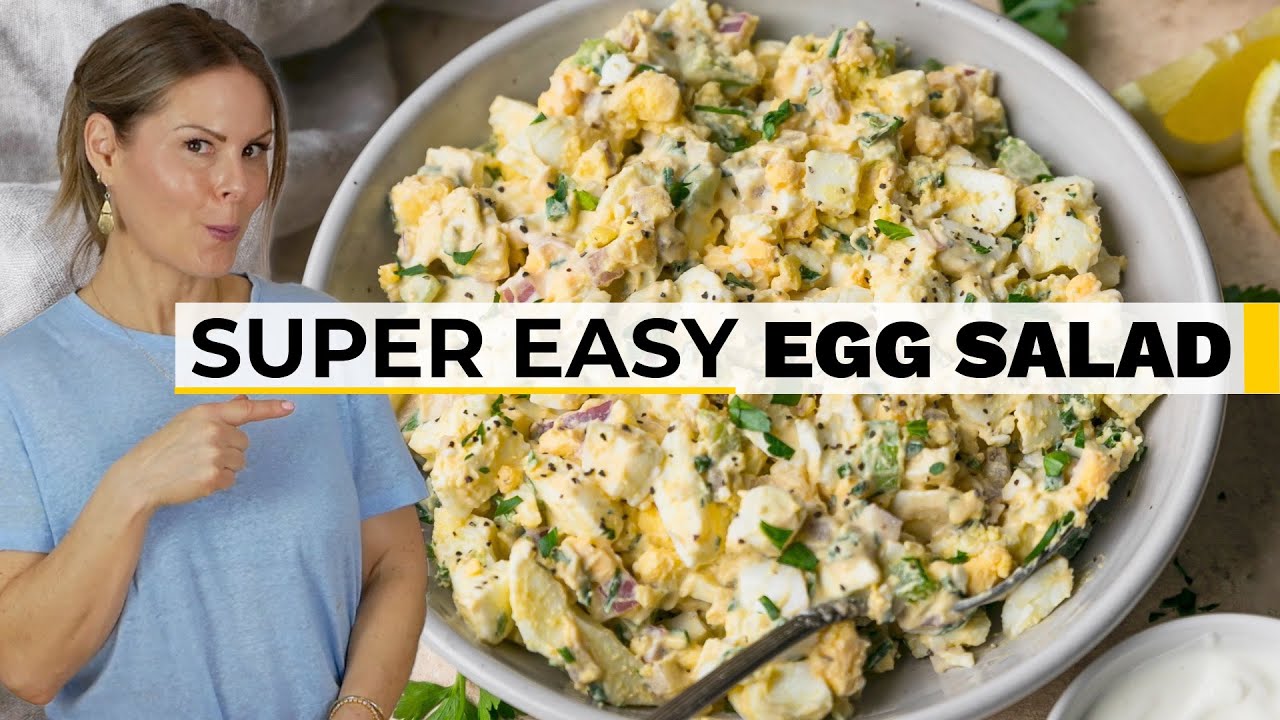
“Standard egg salad is a mayonnaise delivery vehicle with some eggs mixed in. It's 285 calories of mostly fat with 18g of protein — barely enough to justify calling it a protein meal. This version flips the ratio entirely. Greek yogurt and cottage cheese replace the mayo, three protein sources stack on each other, and you land at 38g of protein per serving for fewer calories than the original. The texture is creamy. The flavor is better — tangier, brighter, more alive. The only thing you're losing is the mayo.”
Why This Recipe Works
Standard egg salad is a study in missed potential. You have eggs — one of the most complete protein sources in any kitchen — and you bury them in mayonnaise, a condiment that is almost exclusively fat with no meaningful nutritional contribution. The result is 285 calories of mostly fat, 18g of protein, and a lunch that leaves you hungry two hours later. This version identifies the actual problem and fixes it directly.
The Protein Architecture
Three protein sources, stacked deliberately. Eight large eggs deliver around 48g of complete protein with all nine essential amino acids in the correct ratio for muscle protein synthesis. Greek yogurt adds 17g per ¾ cup and replaces the fat of mayo with a tangy, creamy base that actually enhances the flavor rather than just providing texture. Cottage cheese adds another 14g per half cup and contributes a mild richness that smooths out the yogurt's sharpness. Total protein per serving: 38g. That's a serious training meal from a bowl you can prep in 20 minutes.
The key is that none of these protein sources fight each other. Eggs provide the structure, yogurt provides the creaminess, cottage cheese fills the body. They occupy different textural roles while all pointing toward the same nutritional goal.
The Egg Technique
The boil-then-sit method is the only correct way to hard-boil eggs for egg salad. Continuous boiling keeps eggs at 212°F throughout cooking, which turns the whites rubbery and triggers the sulfur reaction that produces the grey-green ring around the yolk. Boil-then-sit uses the stored heat in the water to finish cooking the eggs at a gentler temperature, somewhere around 180°F, which produces a fully set but still-tender white and a rich, fully-cooked yolk with no grey ring.
The ice bath isn't optional. Without it, the eggs continue cooking in residual heat from the shells for another 2-3 minutes after you pull them. With it, cooking stops the moment they hit the water. You also get dramatically easier peeling — the thermal shock creates a small gap between the membrane and the white that the shell slides off of cleanly.
The Dressing Logic
Mayo works in egg salad because it coats every surface with fat, which the mouth reads as richness. Greek yogurt works for the same reason — the protein content actually creates a similar coating effect, and the lactic acid provides a tang that activates more saliva, making the whole thing taste brighter. Cottage cheese fills in the body that yogurt alone lacks without adding any heaviness.
Dijon mustard is not a flavoring agent here — it's an emulsifier. Its sulfur compounds bind fat to water, keeping the dressing smooth and cohesive rather than weeping into puddles at the bottom of the bowl. The lemon juice does the same job the mayo's acidity was doing: it balances the richness and keeps the flavors sharp.
The Texture Principles
Egg salad lives and dies by texture. The eggs need to be in ½-inch chunks, not minced, not mashed. The celery provides mandatory crunch — without it, the entire bowl is soft on soft and the eating experience collapses. The green onions give a mild allium bite that punctuates each forkful without dominating. Fresh dill provides aroma that the nose processes as freshness before the first bite.
Use a rubber spatula and fold, don't stir. Stirring turns this into paste. Folding keeps the egg pieces intact and the dressing as a coating rather than a homogeneous mixture. The distinction matters more than it sounds.
This is a lunch that works. Not because it's novel, but because every choice in it is made on purpose.
Where Beginners Mess This Up
Before we start, read this. These are the 4 reasons your high-protein egg salad (38g per serving, no mayo required) will fail:
- 1
Overcooking the eggs: The boil-then-sit method is non-negotiable. If you keep the eggs at a rolling boil for the full cook time, you get a rubbery white and that grey-green sulfur ring around the yolk. Bring to boil, remove from heat, cover for exactly 10 minutes. The residual heat does the work gently.
- 2
Not draining the cottage cheese: Low-fat cottage cheese holds a lot of moisture. If you dump it straight in without a quick drain or stir, you get a watery egg salad that falls apart on the bread or lettuce. Either use whipped cottage cheese or let regular cottage cheese sit in a fine-mesh sieve for 2 minutes before mixing.
- 3
Crushing the eggs when folding: Egg salad is not a paste. Chop the eggs into ½-inch pieces and fold — don't stir, don't mash. You want distinct chunks of egg surrounded by creamy dressing, not a homogeneous grey slurry. Use a rubber spatula and a light hand.
- 4
Skipping the ice bath: The ice bath stops cooking immediately and makes peeling dramatically easier by creating a steam layer between the shell and the white. Skip it and your eggs keep cooking in residual heat, pushing past the perfectly-set yolk you worked for.
The Video Reference Library
Want to see it in action? Here are the exact videos we analyzed and combined to build this foolproof recipe translation:
The source video for this technique. Clear walkthrough of the boil-then-sit method and the yogurt-cottage cheese dressing ratio.
🛠️ Core Equipment
- Medium saucepan with lidFor the boil-then-sit method. The lid is essential — without it, the trapped heat drops too fast and the eggs undercook in the residual phase.
- Large mixing bowlYou need room to fold without cramming. A bowl that's too small forces you to stir aggressively, which destroys the egg chunk texture.
- Fine-mesh sieveFor draining excess moisture from the cottage cheese before mixing. Wet cottage cheese ruins the texture of the final salad.
- Rubber spatulaFor folding the dressing into the eggs without crushing. A spoon works in a pinch but the flat edge of a spatula gives you far more control.
High-Protein Egg Salad (38g Per Serving, No Mayo Required)
🛒 Ingredients
- ✦8 large eggs
- ✦¾ cup plain non-fat Greek yogurt
- ✦½ cup low-fat cottage cheese
- ✦2 tablespoons Dijon mustard
- ✦1 tablespoon fresh lemon juice
- ✦3 stalks green onions, thinly sliced
- ✦¼ cup diced celery
- ✦2 tablespoons fresh dill, chopped
- ✦1 teaspoon garlic powder
- ✦½ teaspoon sea salt
- ✦¼ teaspoon black pepper
- ✦¼ teaspoon paprika
- ✦1 tablespoon pickle relish (optional)
- ✦2 cups mixed greens or lettuce for serving
👨🍳 Instructions
01Step 1
Place the 8 eggs in a medium saucepan and cover with cold water by 1 inch.
02Step 2
Bring the water to a rolling boil over high heat. Remove from heat immediately, cover with a tight lid, and let sit undisturbed for 10 minutes.
03Step 3
Transfer the eggs to an ice bath (a large bowl filled with ice and cold water) and let them chill for 5 minutes.
04Step 4
Peel the eggs under cool running water, starting from the wider end where the air pocket sits.
05Step 5
Chop the peeled eggs into ½-inch pieces and place in a large mixing bowl.
06Step 6
In a separate bowl, combine the Greek yogurt, cottage cheese, Dijon mustard, and lemon juice. Stir until smooth and creamy.
07Step 7
Pour the yogurt mixture over the chopped eggs and fold gently with a rubber spatula to combine without crushing the pieces.
08Step 8
Stir in the green onions, diced celery, fresh dill, garlic powder, salt, black pepper, and paprika until evenly distributed.
09Step 9
Taste and adjust: more lemon juice for brightness, more salt for depth, more paprika for warmth.
10Step 10
Fold in the pickle relish if using — it adds a subtle sweet-tangy note that cuts through the richness.
11Step 11
Serve over mixed greens, in lettuce wraps, or on whole grain toast. Refrigerate leftovers immediately.
Nutrition Per Serving
Estimates based on standard preparation. Adjustments alter macros.
🔄 Substitutions
Instead of Plain non-fat Greek yogurt...
Use Icelandic-style skyr or 2% Greek yogurt
Slightly richer and more luxurious. Minimal change to macros but better satisfaction factor. The extra fat in 2% yogurt makes the dressing feel noticeably creamier.
Instead of Low-fat cottage cheese...
Use Whipped cottage cheese or full-fat cottage cheese blended smooth
Eliminates any grittiness and produces a silkier dressing. Full-fat versions have better flavor and still deliver around 14g protein per ½ cup.
Instead of Fresh dill...
Use Fresh tarragon or a mix of chives and parsley
Tarragon adds subtle anise notes that complement eggs beautifully. Chives and parsley are brighter and less assertive if you find dill too intense.
Instead of Dijon mustard...
Use Whole grain mustard or spicy brown mustard
Whole grain adds textural interest and a more robust flavor. Spicy brown brings heat that pairs well with the cooling yogurt base.
🧊 Storage & Reheating
In the Fridge
Store in an airtight container for up to 3 days. Keep the serving greens separate — they wilt immediately once dressed.
In the Freezer
Do not freeze. The yogurt and cottage cheese separate when thawed and the egg texture turns rubbery. This recipe is for fresh or fridge storage only.
Reheating Rules
Serve cold. This is not a dish you reheat. Pull it from the fridge, let it sit for 5 minutes to take the chill off, and serve.
❓ Frequently Asked Questions
Why does my egg salad get watery after a day in the fridge?
The moisture is coming from the cottage cheese or the vegetables releasing liquid over time. Drain your cottage cheese before mixing, and make sure the celery is fully dried after chopping. A quick pat with a paper towel goes a long way.
Can I use mayo instead of Greek yogurt?
You can, but you're rebuilding the original recipe. The point of this version is the protein swap — Greek yogurt delivers 17g protein per ¾ cup while mayo delivers nearly zero. If you want mayo flavor without the calorie cost, use 1 tablespoon of mayo alongside the yogurt for that richness.
How do I keep the egg yolks from turning grey?
The grey-green ring is a sulfur reaction caused by overcooking. The boil-then-sit method prevents it by keeping the eggs below a sustained high temperature. If you're still getting grey yolks, your initial boil was too weak — make sure it's a full rolling boil before you pull it off the heat.
Is 38g of protein actually accurate?
Yes, with the 4-serving split. Eight large eggs contribute roughly 48g total. The Greek yogurt adds about 17g. The cottage cheese adds roughly 14g. Total protein in the full recipe is approximately 79g, divided by 4 servings equals about 38g per serving.
Can I make this the night before?
Yes, and it actually improves overnight as the flavors meld. Store it tightly covered and give it a gentle stir before serving. The texture holds well for 3 days.
What's the best way to serve this for meal prep lunches?
Portion into 4 containers with the egg salad on one side and the greens or lettuce separate. Pack whole grain crackers or high-protein wraps in a separate bag. Assemble right before eating to prevent sogginess.
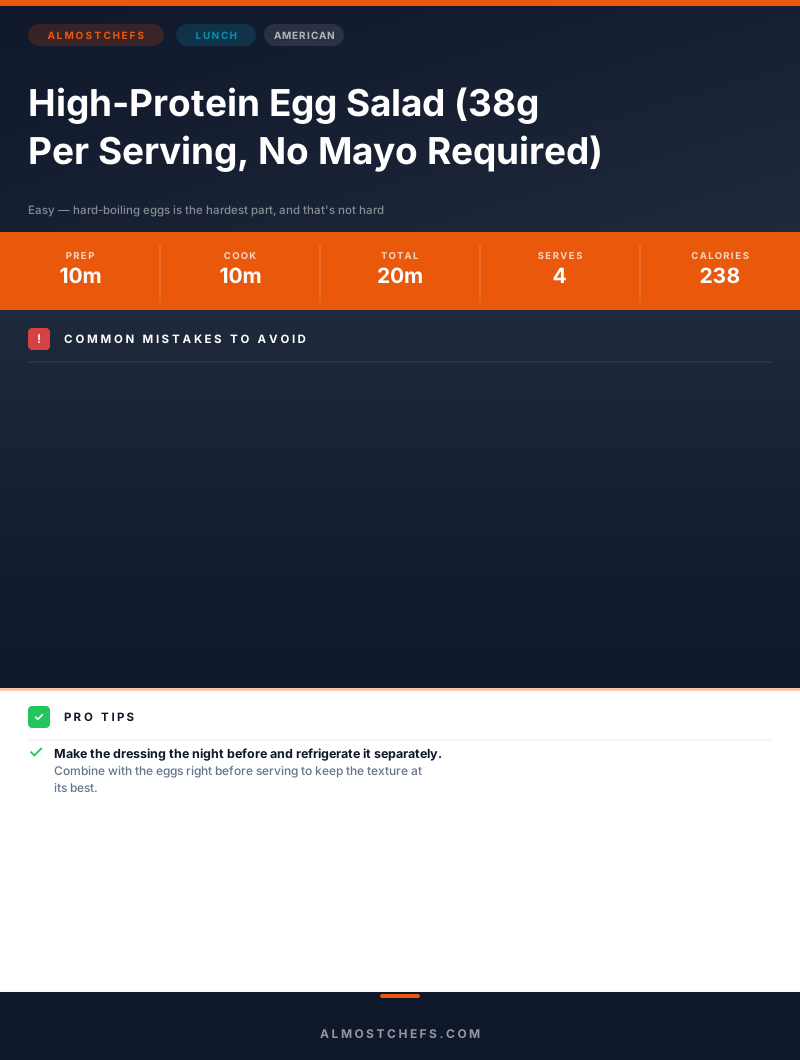
The Science of
High-Protein Egg Salad (38g Per Serving, No Mayo Required)
We turned everything on this page into a beautiful, flour-proof PDF cheat sheet. Print it out, stick it to your fridge, and never mess up your high-protein egg salad (38g per serving, no mayo required) again.
*We'll email you the high-res PDF instantly. No spam, just perfectly cooked meals.
AlmostChefs Editorial Team
We translate the internet's most popular cooking videos into foolproof, beginner-friendly written recipes. We analyze multiple methods, test them in our kitchen, and engineer a single "Master Recipe" that gives you the best possible result with the least possible stress.