Crispy Baked Egg Rolls (No Deep Fryer Required)
A Chinese-American classic reimagined for the home oven — cabbage, pork, and savory aromatics wrapped tight and baked at high heat until genuinely golden and crisp. We broke down the wrapping technique and filling ratios that most recipes get wrong so yours come out perfect the first time.
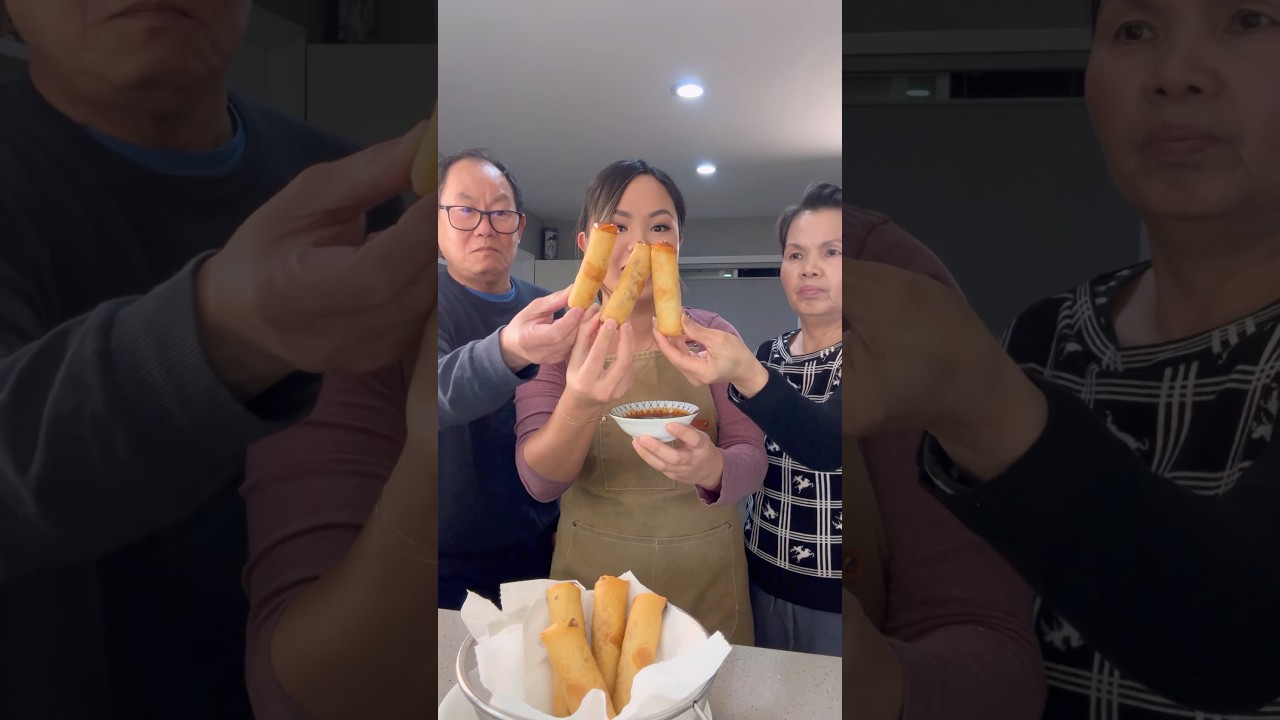
“Most homemade egg rolls fail for one of two reasons: soggy wrappers or filling that leaks halfway through the bake. Both problems trace back to the same root cause — too much moisture in the filling and a sloppy seal on the wrapper. Fix those two things and you get the crunch people drive to takeout joints for, out of your own oven in 45 minutes.”
Why This Recipe Works
The egg roll is one of the most lied-about recipes on the internet. Half the "baked egg roll" recipes circulating online produce a beige, soft cylinder that has the structural integrity of wet newspaper. The other half instruct you to brush on egg wash and hope for the best. Neither works. Here is what actually does.
The Moisture Problem Is the Only Problem
Everything that goes wrong with a baked egg roll traces back to moisture. The wrapper is essentially a thin sheet of dried dough. Moisture is its enemy. There are two sources of moisture that can destroy your roll: the filling and the steam generated inside the sealed wrapper during baking.
The filling moisture problem is solved at the pan. Cook the cabbage until it's wilted but not releasing liquid. Add the soy sauce and vinegar, stir, and immediately pull the pan off heat. Let the filling sit for five minutes. During that rest, residual steam escapes into the air rather than into your wrappers. If you see liquid pooling in the pan, pour it off before you start rolling. This is not optional.
The internal steam problem is solved with high heat and the halfway flip. At 400°F, the exterior of the wrapper sets quickly into a rigid shell before the interior moisture has time to migrate outward and soften it. The flip ensures both sides spend equal time in contact with the hot pan surface, which conducts heat faster than the circulating oven air alone. Together, these two factors approximate the rapid surface dehydration that deep frying achieves through oil contact.
The Wrapping Geometry
The diamond orientation — wrapper tilted 45 degrees with a corner pointing toward you — is not stylistic. It's functional. This orientation gives you the longest possible rolling distance from the filled corner to the seal corner, which creates more overlapping wrapper layers around the filling. More layers mean a thicker shell, which means better crunch and more structural integrity.
The corner folds aren't just decorative either. Folding in both sides before completing the roll traps the filling completely and prevents it from pushing out the ends during baking. Skip the corner folds and you get a cigar shape that leaks filling onto the parchment and leaves the ends pale and undercooked.
A proper pastry brush makes the cornstarch slurry application precise enough to actually work. Apply it to the full top flap, not just the tip, and press the seam firmly against the pan immediately after placing it down. The pan contact is what sets the seal before the filling expands with heat.
Cooking Spray Is Infrastructure
This sounds like a minor detail. It is not. The parts of the wrapper that don't receive cooking spray stay matte, pale, and soft regardless of how long they're in the oven. The oil in the spray conducts heat to the wrapper surface, accelerates the Maillard reaction, and produces the golden color and audible crunch that makes an egg roll worth eating. Apply it to all four sides. Use a rimmed baking sheet so the rolls don't slide when you flip them at the halfway mark.
The Filling Is Aromatics First, Meat Second
Most egg roll filling recipes treat the meat as the star. It isn't. The caramelized onions, the garlic-ginger bloom, the white pepper, and the scallions are doing the majority of the flavor work. The pork or chicken is providing fat and protein structure. This distinction matters because it means the filling scales well to leaner substitutions — ground chicken or crumbled tofu absorbs the same aromatics and produces a filling that tastes just as complex, with less saturated fat and a cleaner finish.
Sesame oil goes in first, not last. Unlike toasted sesame oil used as a finishing drizzle in other applications, here it's used as the cooking fat, which means its flavor cooks into the onions and becomes foundational rather than decorative. Don't substitute it with neutral oil — the flavor loss is not worth the smoke point gain at medium-high heat.
Where Beginners Mess This Up
Before we start, read this. These are the 4 reasons your crispy baked egg rolls (no deep fryer required) will fail:
- 1
Filling that's too wet: If the cabbage and meat mixture hasn't cooled and released its steam before you wrap, it generates moisture inside the sealed wrapper during baking. That steam has nowhere to go, so it softens the wrapper from the inside. Let the filling cool for at least 5 minutes and drain any pooled liquid before you start rolling.
- 2
A loose seal on the wrapper: An egg roll wrapper that isn't sealed properly will open during baking, spilling filling onto the pan and leaving you with a flat, greasy mess. The cornstarch slurry is your adhesive — use it generously on the final corner and press the seam firmly against the pan when you place it seam-side down.
- 3
Skipping the halfway flip: Egg rolls baked on one side the entire time develop a golden bottom and a pale, soft top. The flip at the halfway point exposes both sides to direct pan contact and circulating oven heat, which is what produces the even, all-over crunch that approximates deep frying.
- 4
Overcrowding the filling: More than 3 tablespoons of filling per wrapper stretches it past the point where a clean roll is possible. You end up tearing the wrapper trying to fold in the corners. Two to three tablespoons gives you a substantial roll that closes cleanly and cooks evenly all the way through.
The Video Reference Library
Want to see it in action? Here are the exact videos we analyzed and combined to build this foolproof recipe translation:
The source video for this recipe. Clear demonstration of the diamond orientation wrapping technique and how to identify when the filling is properly cooked and drained before rolling.
🛠️ Core Equipment
- Large skilletYou need enough surface area to cook the filling without steaming it. A crowded pan traps moisture and softens the cabbage instead of lightly wilting it. Twelve-inch minimum.
- Rimmed baking sheetThe rim prevents the egg rolls from sliding off when you flip them. A flat cookie sheet is a liability at 400°F.
- Parchment paperPrevents sticking without adding excess oil. Foil works in a pinch but tends to cause more sticking on the seam side.
- Pastry brush or small spoonFor applying the cornstarch slurry to the wrapper edges. Fingers technically work but distribute it unevenly, leading to weak seals.
Crispy Baked Egg Rolls (No Deep Fryer Required)
🛒 Ingredients
- ✦1 tablespoon sesame oil
- ✦2 medium yellow onions, finely diced
- ✦3 cups green cabbage, thinly sliced
- ✦1 cup shredded carrots
- ✦4 cloves garlic, minced
- ✦8 ounces ground pork or chicken
- ✦3 scallions, chopped into thin rings
- ✦2 tablespoons low-sodium soy sauce
- ✦1 tablespoon rice vinegar
- ✦1 teaspoon grated fresh ginger
- ✦1/4 teaspoon white pepper
- ✦12 egg roll wrappers
- ✦1 tablespoon cornstarch mixed with 2 tablespoons water (sealing slurry)
- ✦Cooking spray for baking
👨🍳 Instructions
01Step 1
Heat sesame oil in a large skillet over medium-high heat until shimmering, about 1 minute.
02Step 2
Add diced yellow onions and sauté for 3 minutes until soft and translucent.
03Step 3
Stir in minced garlic and grated ginger. Cook for 30 seconds until fragrant.
04Step 4
Add the ground pork or chicken and break it apart with a wooden spoon. Cook for 5-6 minutes until no pink remains.
05Step 5
Add sliced cabbage and shredded carrots. Toss to combine and cook for 4-5 minutes, stirring frequently, until the cabbage softens slightly.
06Step 6
Add soy sauce, rice vinegar, and white pepper. Stir to combine, then remove from heat.
07Step 7
Stir in chopped scallions. Let the filling cool for at least 5 minutes. Drain any pooled liquid from the pan before rolling.
08Step 8
Preheat the oven to 400°F. Line a rimmed baking sheet with parchment paper.
09Step 9
Place an egg roll wrapper on a clean surface in diamond orientation — one corner pointing toward you.
10Step 10
Spoon 2-3 tablespoons of cooled filling onto the lower center of the wrapper.
11Step 11
Fold the bottom corner up and over the filling, then roll away from you once to create a tight first roll.
12Step 12
Fold both left and right corners in toward the center to form a tight envelope.
13Step 13
Brush the remaining top corner with the cornstarch slurry, then continue rolling to seal completely.
14Step 14
Place egg rolls seam-side down on the prepared baking sheet. Coat all sides evenly with cooking spray.
15Step 15
Bake for 15-18 minutes, flipping halfway through, until golden brown and crispy on all sides.
Nutrition Per Serving
Estimates based on standard preparation. Adjustments alter macros.
🔄 Substitutions
Instead of Ground pork...
Use Ground chicken breast or firm tofu (pressed and crumbled)
Chicken is leaner and milder — reduce cook time by 1 minute to prevent drying out. Tofu needs thorough pressing to remove moisture or it will make the filling soggy.
Instead of Regular soy sauce...
Use Tamari or coconut aminos
Tamari is gluten-free and nearly identical in flavor. Coconut aminos are slightly sweeter and lower sodium — you may want to add a small pinch of salt to compensate.
Instead of White cabbage only...
Use Mix of green cabbage, bok choy, and shiitake mushrooms
The mushrooms add umami depth that makes the filling taste more complex without changing the roll structure. Slice mushrooms thin so they cook at the same rate as the cabbage.
Instead of Egg roll wrappers (refined flour)...
Use Whole wheat or rice paper wrappers
Whole wheat wrappers behave identically and add a subtle nuttiness. Rice paper wrappers require a different technique — they're not interchangeable without adjusting the rolling and baking method.
🧊 Storage & Reheating
In the Fridge
Store cooled egg rolls in an airtight container for up to 3 days. They will soften in the fridge.
In the Freezer
Freeze unbaked assembled rolls on a baking sheet until solid, then transfer to a freezer bag for up to 2 months. Bake from frozen at 400°F for 20-22 minutes.
Reheating Rules
Reheat in a 375°F oven or air fryer for 5-7 minutes. Microwaving makes them soft and chewy — avoid it.
❓ Frequently Asked Questions
Why are my baked egg rolls not crispy?
Three likely culprits: the filling was too wet when you rolled, you didn't flip them halfway through baking, or you didn't apply cooking spray to all sides. All three are required for even browning. Also check your oven temperature with a thermometer — ovens that run cool produce pale, soft wrappers.
Can I fry these instead of baking them?
Yes. Heat 2 inches of neutral oil to 350°F and fry for 3-4 minutes, turning occasionally, until deep golden brown. The filling recipe is identical. Frying produces a more blistered, irregular surface texture that's harder to replicate in an oven.
How do I prevent the wrappers from tearing?
Keep unused wrappers covered with a damp paper towel as you work. Dry wrappers crack at the fold points. Also avoid overfilling — the wrapper tears when it's under tension from too much filling.
Can I make these ahead of time?
You can assemble them up to 4 hours ahead and refrigerate unbaked, covered with plastic wrap. Do not bake and then reheat — they lose their crunch. The frozen-then-bake method in the storage notes is the better make-ahead strategy.
What dipping sauce goes with these?
Sweet and sour sauce and duck sauce are traditional. For something less sweet, a mix of soy sauce, rice vinegar, and chili oil works well. The filling is already seasoned, so you don't need a heavy sauce — something acidic and bright cuts the richness.
Why do my egg rolls open up during baking?
The seal failed. Make sure the cornstarch slurry covers the entire final flap edge, not just the corner, and press the seam firmly against the pan when you place them down. The seam-side-down position uses the weight of the roll to hold the seal while it sets in the oven heat.
The Science of
Crispy Baked Egg Rolls (No Deep Fryer Required)
We turned everything on this page into a beautiful, flour-proof PDF cheat sheet. Print it out, stick it to your fridge, and never mess up your crispy baked egg rolls (no deep fryer required) again.
*We'll email you the high-res PDF instantly. No spam, just perfectly cooked meals.
AlmostChefs Editorial Team
We translate the internet's most popular cooking videos into foolproof, beginner-friendly written recipes. We analyze multiple methods, test them in our kitchen, and engineer a single "Master Recipe" that gives you the best possible result with the least possible stress.