Perfect Egg Rice (The 20-Minute Weeknight Weapon)
A fast, satisfying fried rice built on day-old rice, properly scrambled eggs, and a hot wok that does most of the work for you. We broke down the most-watched YouTube egg rice methods to extract the single technique that guarantees separated grains, silky eggs, and real wok char — without a restaurant burner.
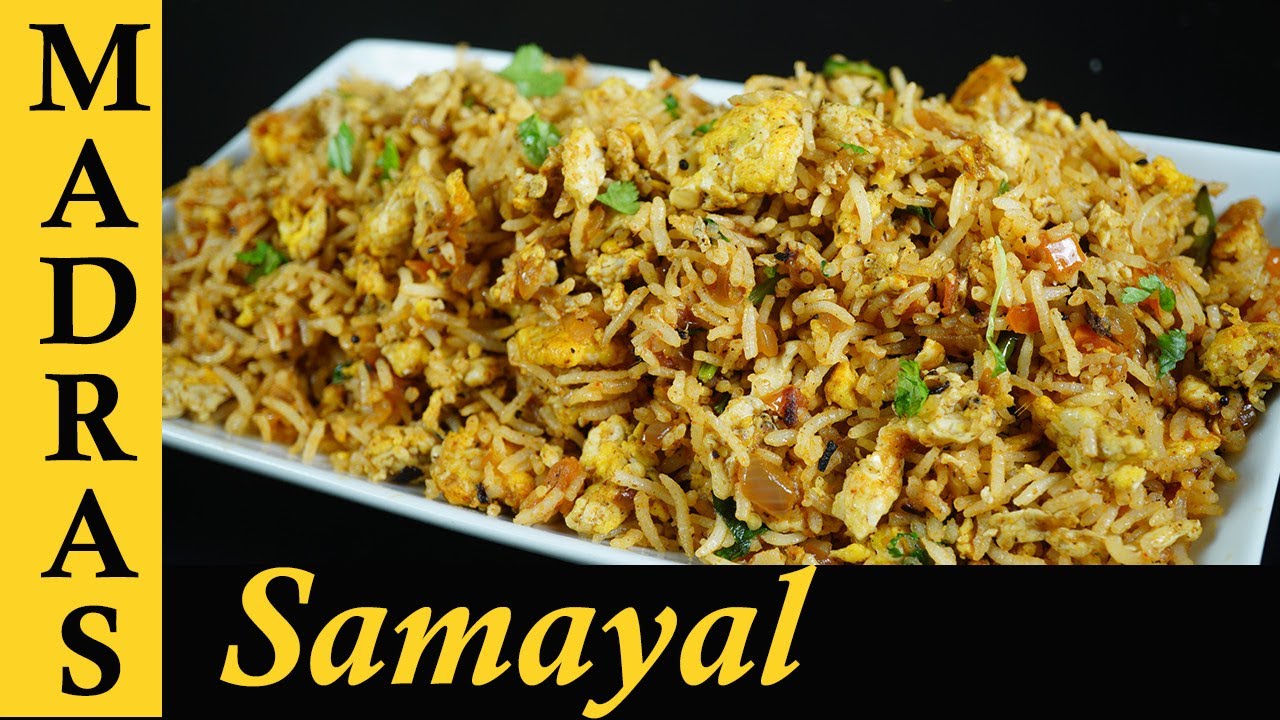
“Egg rice is the meal people make when they claim they have nothing in the house. It is also, when executed correctly, one of the best things you can eat on a Tuesday night. The gap between bad egg rice (wet, gummy, rubbery eggs) and great egg rice (charred, separated grains, silky soft curds) comes down to two variables: the age of your rice and the temperature of your pan. Get those two right and everything else falls into place.”
Why This Recipe Works
Egg rice sits at the intersection of pantry desperation and culinary precision, which is a strange place for a dish to live. It looks like nothing — cold leftover rice, a couple of eggs, condiments from the back of the fridge door. And yet, done correctly, it produces a plate of food with more complexity and satisfaction per minute of effort than almost anything else in weeknight cooking. The reason most people's version falls short is not a missing ingredient. It is a misunderstanding of the physics happening in the pan.
The Day-Old Rice Principle
Rice is approximately 70% water when freshly cooked. That water is distributed through the interior of each grain, which is what makes fresh rice fluffy and tender. When you refrigerate that rice overnight, the surface moisture evaporates while the interior stays hydrated. The result is a grain with a dry, slightly firm exterior and a moist center — exactly what you need for frying. When that grain hits a screaming-hot pan, the surface sears immediately into a slightly charred shell while the interior steams itself to tenderness from the inside out. Fresh rice has no dry surface. It hits the pan and immediately releases interior steam, which drops the pan temperature, prevents the Maillard reaction, and turns your entire batch into a sticky clump.
This is why every serious fried rice recipe insists on day-old rice, and why you should take that instruction seriously rather than treating it as a suggestion. If you are cooking rice specifically to make egg rice the next day, cook it slightly drier than normal — a 1:1.5 rice-to-water ratio instead of the standard 1:1.75.
Heat as the Primary Ingredient
The flavor profile of egg rice is built almost entirely on the Maillard reaction and a phenomenon called wok hei — the slightly smoky, breath-of-the-wok quality that makes restaurant fried rice taste categorically different from the home version. Wok hei comes from vaporized oil molecules igniting briefly in the open flame above a commercial burner. At home, without a 100,000 BTU wok station, you cannot fully replicate this. But you can get close by cooking in very small batches (never more than two servings at once) and preheating your carbon steel wok until it is visibly, aggressively smoking before anything touches it.
The mistake is treating the pan like a non-stick surface — adding oil at the start, letting it heat gently, and then adding ingredients. That produces steamed, gray rice. The correct approach is heat first, oil second, ingredients immediately after. The oil should shimmer and ripple the instant it hits the surface. If it does not, the pan is not ready.
The Egg Fold Technique
The eggs in egg rice are not scrambled eggs that happen to be mixed with rice. They are a binding agent and textural counterpoint — soft, custardy ribbons that thread through separated grains and provide richness without weight. Achieving this requires understanding the two-stage cook. The eggs go into a cleared hot spot in the center of the pan, hit the surface directly, and begin setting from the bottom. At exactly the moment when they are still 20% liquid on top — glossy, slightly runny, not fully coagulated — you bring the rice back over and fold everything together.
The residual heat of the hot rice finishes the eggs to the exact right consistency: set but not squeaky, soft but not wet. Every extra second in the pan after this point moves you away from custardy and toward rubbery. Speed and confidence are the technique. Hesitation is what produces overcooked eggs.
Sauce Architecture
Soy sauce, oyster sauce, and fish sauce serve distinct functions that cannot be collapsed into a single seasoning. Soy sauce provides salt and umami with a fermented depth. Oyster sauce adds a concentrated brininess and glossy coating quality that makes the rice look lacquered and restaurant-finished. Fish sauce contributes a back-of-the-throat savory note that you will not consciously identify but will definitely notice if it's absent. Together they create a sauce architecture that is more complex than any single ingredient suggests.
The application method matters as much as the quantities. All sauce goes in during the final 60 seconds of cooking, poured around the perimeter of the pan so it hits hot metal and caramelizes before coating the rice. Direct overhead application causes pooling, steams the grains, and undoes all the work you just did building char. Pour it at the edges. Toss immediately. You have about 30 seconds before the window closes.
Why This Dish Deserves Your Best Ingredients
Egg rice rewards quality rice and quality eggs more than almost any other simple dish. The egg flavor is front and center with nowhere to hide — a pale, factory-farmed egg produces a noticeably flatter, less rich result than a pasture-raised yolk that breaks deep orange into the pan. This is a fifteen-ingredient dish where two ingredients do most of the work. Spend accordingly.
Where Beginners Mess This Up
Before we start, read this. These are the 4 reasons your perfect egg rice (the 20-minute weeknight weapon) will fail:
- 1
Using freshly cooked rice: Fresh rice is too wet. The surface moisture steams the grains instead of frying them, producing a clumped, gluey mass that sticks to the pan and each other. Day-old rice — refrigerated overnight uncovered — has dried surface moisture so each grain fries independently and picks up color and char. This is not optional.
- 2
Cooking on too low a heat: Egg rice requires aggressive, sustained high heat. A timid medium flame steams everything instead of searing it. The Maillard reaction that creates wok hei — the smoky, slightly charred depth of flavor you get from a restaurant — requires surface temperatures above 350°F. If your pan isn't visibly smoking before you add the rice, you're already behind.
- 3
Scrambling the eggs separately and stirring them in at the end: Eggs cooked separately lose their connection to the rice. The technique is to push the rice aside, crack the eggs directly into the hot pan, and fold them into the rice while they're still 80% set. The residual heat of the rice finishes the eggs without overcooking them. You want soft, custardy ribbons threaded through the rice — not rubbery scrambled egg chunks sitting on top.
- 4
Over-saucing the rice: Soy sauce is flavor, not moisture. Pouring it over the top of the rice after plating means uneven distribution and a wet top layer. It must go in during the final 60 seconds of cooking, poured around the edges of the pan so it hits hot metal and caramelizes before coating the grains. More than 2 tablespoons for two servings and you've crossed from seasoning into stewing.
The Video Reference Library
Want to see it in action? Here are the exact videos we analyzed and combined to build this foolproof recipe translation:
The source video. Demonstrates proper wok heat levels, the direct-into-the-pan egg technique, and the critical timing for soy sauce addition. Watch the color of the rice between the 3-4 minute mark to understand what proper charring looks like.
Breaks down the wok hei principle and how to approximate it on a home stove using a cast iron skillet and higher-than-comfortable heat. Best explanation of why day-old rice is non-negotiable.
Focuses on egg technique — specifically the fold-in-at-80% method that produces silky curds instead of rubbery chunks. Good slow-motion reference for the wrist action when tossing rice in a wok.
🛠️ Core Equipment
- Carbon steel wok or heavy cast iron skilletA wok's curved walls and thin base respond to heat changes instantly, giving you the temperature control to char rice without burning it. A [carbon steel wok](/kitchen-gear/review/carbon-steel-wok) is the single most impactful tool upgrade you can make for Asian home cooking. A heavy cast iron skillet is the best substitute — it holds heat aggressively enough to approximate wok performance on a home burner.
- High-smoke-point neutral oilYou need an oil that can take 400°F without smoking acridly. Avocado oil, refined coconut oil, or peanut oil are ideal. Olive oil and butter will burn and turn bitter before the pan reaches the right temperature.
- Wooden wok spatula or fish spatulaA [wok spatula](/kitchen-gear/review/wok-spatula) lets you scoop and toss rice from the bottom of the pan without crushing the grains. Silicone spatulas are too flexible for fast wok work. A fish spatula is the best flat-pan alternative — thin, stiff, and fast.
- Airtight container for rice storageDay-old rice stored loosely in the fridge dries unevenly. Spread it in a shallow layer on a sheet pan, refrigerate uncovered for the first hour, then transfer to a container. This produces evenly dried grains rather than a hard outer crust with a wet center.
Perfect Egg Rice (The 20-Minute Weeknight Weapon)
🛒 Ingredients
- ✦2 cups day-old cooked jasmine or long-grain white rice, refrigerated overnight
- ✦3 large eggs
- ✦2 tablespoons neutral oil (avocado or peanut), divided
- ✦3 cloves garlic, minced
- ✦2 scallions, thinly sliced, whites and greens separated
- ✦1.5 tablespoons soy sauce
- ✦1 teaspoon sesame oil
- ✦1/2 teaspoon white pepper
- ✦1/4 teaspoon MSG (optional but strongly recommended)
- ✦1 teaspoon oyster sauce
- ✦1/2 teaspoon fish sauce
- ✦Kosher salt to taste
👨🍳 Instructions
01Step 1
Remove the refrigerated rice from the fridge and break up any clumps with your hands. Each grain should be separate and dry to the touch.
02Step 2
Beat the eggs in a small bowl with a pinch of salt and the white pepper until fully combined. Set aside.
03Step 3
Heat your wok or skillet over the highest heat your stove allows for 2-3 full minutes until the surface is visibly smoking.
04Step 4
Add 1 tablespoon of oil and swirl to coat. Add the scallion whites and garlic. Stir constantly for 30-45 seconds until fragrant and beginning to turn golden at the edges.
05Step 5
Add the cold rice in a single layer. Press it down firmly against the hot surface with your spatula and leave it untouched for 60-90 seconds to develop char on the bottom.
06Step 6
Push the rice to the edges of the pan, creating a clear hot spot in the center. Add the remaining half tablespoon of oil to the center.
07Step 7
Pour the beaten eggs into the center of the pan. Let them set on the bottom for 10-15 seconds, then begin folding them with your spatula. When they are 80% set — still glossy and slightly wet — begin folding the rice back over the eggs.
08Step 8
Toss everything together aggressively for 60 seconds until the eggs are fully incorporated into the rice in soft, irregular ribbons.
09Step 9
Pour the soy sauce and oyster sauce around the edges of the pan — not directly over the rice — so they hit the hot metal and caramelize before coating the grains. Toss immediately.
10Step 10
Remove from heat. Drizzle sesame oil and fish sauce over the top and toss once more. Taste and adjust salt.
11Step 11
Plate immediately and garnish with scallion greens. Egg rice waits for no one — serve it straight from the pan.
Nutrition Per Serving
Estimates based on standard preparation. Adjustments alter macros.
🔄 Substitutions
Instead of Soy sauce...
Use Coconut aminos
Slightly sweeter and lower sodium. Works well but lacks the fermented depth of soy. Use the same quantity.
Instead of Oyster sauce...
Use Hoisin sauce
Sweeter and less briny. Use three-quarters of the listed amount or the sweetness becomes dominant.
Instead of Jasmine rice...
Use Day-old brown rice or cauliflower rice
Brown rice produces a nuttier, chewier result — still excellent. Cauliflower rice requires much less cook time and higher heat to avoid steaming. Pat it completely dry before adding to the pan.
Instead of Eggs...
Use Silken tofu, drained and cubed
Vegan substitute that provides a similar soft, custardy texture. Press out as much moisture as possible before adding to the pan, and add it after the rice is charred to avoid breaking the tofu from aggressive tossing.
🧊 Storage & Reheating
In the Fridge
Store in an airtight container for up to 2 days. Egg rice is best eaten immediately — the rice continues to absorb moisture from the eggs as it sits and loses its char.
In the Freezer
Not recommended. The egg texture degrades significantly on freezing and thawing.
Reheating Rules
Reheat in a hot skillet with a small splash of water and a drizzle of oil, covered for 2 minutes, then uncovered for 1 minute to crisp the grains back up. Microwave reheating makes the eggs rubbery and the rice gummy.
❓ Frequently Asked Questions
Why is my fried rice mushy and wet?
Two likely causes: you used fresh rice, or your pan wasn't hot enough. Fresh rice releases steam as it heats, which cooks the grains instead of frying them. An insufficiently hot pan has the same effect — the moisture evaporates slowly rather than instantly vaporizing, leaving the grains wet. Day-old rice plus a screaming-hot pan solves both problems.
Can I use leftover rice from a restaurant?
Yes — restaurant rice is often better for fried rice because it's typically cooked drier than home rice. Refrigerate it uncovered for an hour before using, even if it's already a day old, to firm up the surface.
Do I need a wok, or can I use a regular pan?
A heavy cast iron skillet or stainless steel pan works well. What you cannot use effectively is a non-stick pan — it limits the temperature you can safely use, and you need higher heat than non-stick coatings can safely handle. The goal is surface temperature, not pan shape.
Why do restaurant egg fried rice taste so much better than mine?
Restaurant wok burners produce 65,000-150,000 BTUs. Your home stove produces 8,000-15,000 BTUs. The solution is to cook in smaller batches (1-2 servings at a time) so the pan temperature doesn't drop when the rice hits it, and to preheat your pan longer than feels necessary.
What does MSG actually do in this recipe?
MSG (monosodium glutamate) activates umami receptors on your tongue, amplifying the savory, satisfying quality of the dish without adding any detectable flavor of its own. It's the same compound found naturally in parmesan, mushrooms, and fermented soy sauce. In egg rice, it bridges the egg and rice flavors into a unified whole rather than two components that happen to be in the same bowl.
When should I add frozen vegetables?
Immediately after the garlic, before the rice goes in. Frozen vegetables release moisture as they thaw — you need them to cook through and that moisture to evaporate before the rice hits the pan. Adding them after the rice means the released moisture steams your grains.

The Science of
Perfect Egg Rice (The 20-Minute Weeknight Weapon)
We turned everything on this page into a beautiful, flour-proof PDF cheat sheet. Print it out, stick it to your fridge, and never mess up your perfect egg rice (the 20-minute weeknight weapon) again.
*We'll email you the high-res PDF instantly. No spam, just perfectly cooked meals.
AlmostChefs Editorial Team
We translate the internet's most popular cooking videos into foolproof, beginner-friendly written recipes. We analyze multiple methods, test them in our kitchen, and engineer a single "Master Recipe" that gives you the best possible result with the least possible stress.