The Only Breakfast Eggs You Need (3 Methods, Zero Guesswork)
A definitive guide to mastering scrambled, fried, and poached eggs — the three techniques that unlock every breakfast worth eating. We broke down the most-watched YouTube egg tutorials to extract one principle that applies to all three: heat control is everything.
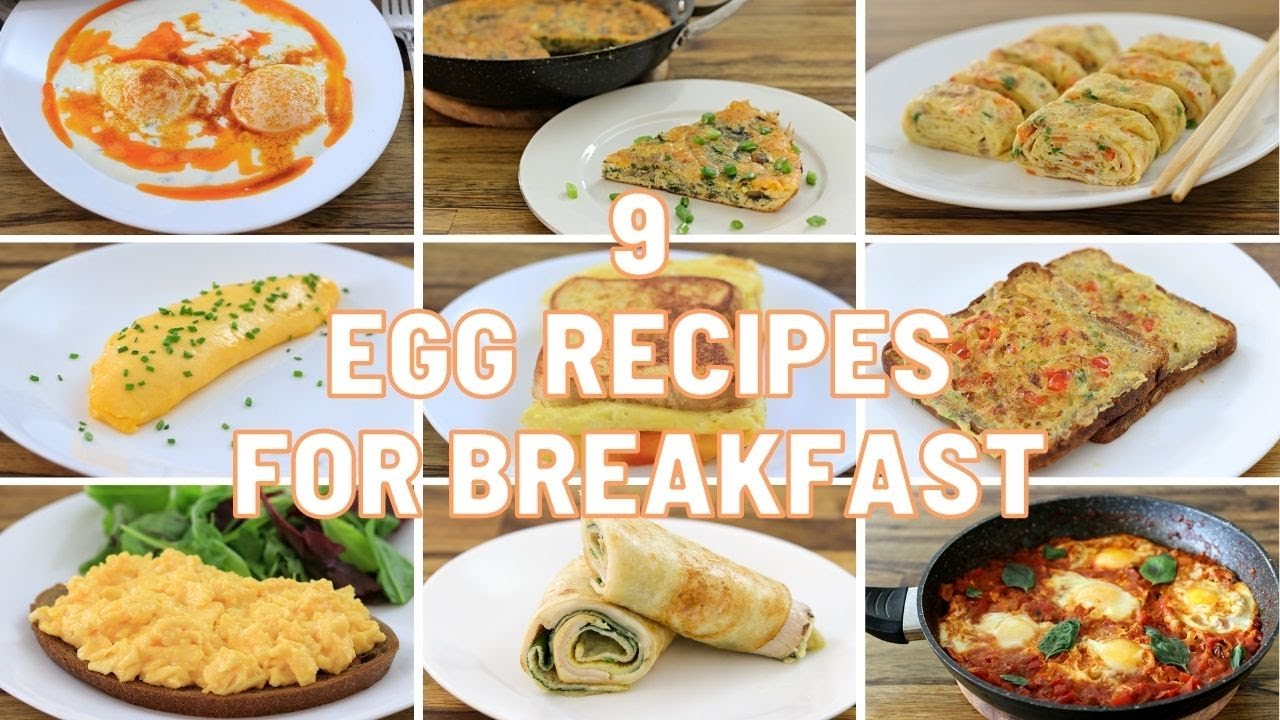
“Eggs are on more breakfast tables than any other ingredient on earth, and yet the average person cooks them badly every single morning. Too hot, too fast, too much liquid, too little attention. The difference between rubbery scrambled eggs and the kind that pile up in glossy, soft folds is not a better recipe — it's understanding what heat actually does to protein. We watched dozens of the most popular egg tutorials on YouTube and distilled every useful insight into three methods that will permanently change your breakfast.”
Why This Recipe Works
Eggs are the most technically demanding ingredient in the breakfast kitchen, and the least respected. People who would never dream of eyeballing a brisket temperature will cook scrambled eggs on a screaming hot burner while checking their phone, then wonder why the result looks like something recycled from an airplane tray. The problem is not the egg. The problem is that nobody explains what is actually happening inside the pan.
The Protein Physics
An egg is approximately 74% water and 12% protein, and those two components are in fundamental tension with each other. When you apply heat, the proteins — primarily ovalbumin in the white and phosvitin in the yolk — begin to denature and coagulate, forming a three-dimensional network that traps the water inside it. The texture you want is determined entirely by how fast and how aggressively that network forms.
High heat triggers rapid, violent coagulation. The protein network contracts so fast and so tightly that it squeezes the water out before it can be trapped, producing the rubbery, wet-dry paradox of bad scrambled eggs: grainy curds sitting in a puddle of expelled liquid. Low heat allows the network to form gradually, trapping water evenly throughout, which produces the soft, glossy, barely-set curds that define a properly made scramble. This is not a preference. It is chemistry. The nonstick skillet gives you the control to stay in the low-heat zone without the panic of sticking.
Why Fat Matters More Than You Think
Every professional egg recipe uses more butter than looks reasonable, and this is not extravagance — it is function. Fat coats the protein strands before they begin to coagulate, acting as a lubricant that slows the bonding process and produces a more tender, silky curd. An egg cooked in a dry or near-dry pan has no buffer against rapid over-coagulation. An egg cooked in a generous amount of butter has a physical barrier between protein and heat that buys you the extra time needed for low-and-slow to work correctly.
For fried eggs, the combination of butter and a neutral oil matters for a different reason. Butter alone has a smoke point of around 300°F — low enough that it can brown and bitter before the egg white is fully set, especially at the edges. Blending it with a higher-smoke-point oil raises the effective smoke point while retaining the butter's dairy-fat flavor. This is the standard restaurant technique, and it explains why diner fried eggs have more flavor than the ones you make at home with straight oil.
The Poaching Logic
Poaching is the technique that intimidates home cooks most, and it is actually the most forgiving of the three methods once you understand its single critical variable: egg freshness. A fresh egg's white is composed of two distinct layers — a firm, gel-like inner white surrounding the yolk, and a thinner outer white. In a fresh egg, the inner white holds its shape in hot water. In an older egg, both layers have thinned and weakened, and the entire white spreads immediately on contact with the water, wrapping itself around nothing in particular.
The vinegar is not about flavor — it is about reaction time. Acid lowers the pH of the water, which shifts the electrical charge of the egg's proteins and accelerates the coagulation process. The white sets faster, which means it sets before it has time to drift away from the yolk. A slotted spoon lifted slowly and blotted dry is the final step that determines whether a beautifully poached egg arrives at the table wet or clean.
The One-Pan Principle
All three methods in this recipe can be executed sequentially in the same nonstick skillet without washing in between. The residual fat from the fried egg stage actually benefits the scrambled eggs that follow — the pan is pre-seasoned, pre-heated, and coated with flavor. This is how short-order cooks move through thirty egg orders a morning without slowing down: the pan is always ready because it is never empty for long.
Eggs reward attention and punish distraction. Learn to read the visual cues — the moment the sheen disappears from a scramble, the instant the white around a poached yolk turns opaque — and you will never cook a bad egg again. The knowledge transfers to every egg dish you will ever make.
Where Beginners Mess This Up
Before we start, read this. These are the 4 reasons your the only breakfast eggs you need (3 methods, zero guesswork) will fail:
- 1
Cooking scrambled eggs on high heat: High heat denatures egg proteins violently and all at once, squeezing out moisture and producing a dry, grainy curd. Scrambled eggs must be cooked on low to medium-low heat, moved constantly, and pulled from the pan before they look finished. Residual heat in the pan does the final 10% of the work.
- 2
Using fresh eggs for poaching: Fresh eggs have a firm, compact white that holds its shape around the yolk in hot water. Eggs more than a week old have a thinner, more watery white that spreads across the pan in wispy tendrils. For poaching, buy the freshest eggs you can find — the carton date matters here more than almost anywhere else in cooking.
- 3
Not drying the pan before frying: Any water left in the pan from washing creates violent steam when it hits the fat, causing the egg white to bubble and spatter rather than set evenly. The white gets lacy and overcooked at the edges while the center stays undercooked. Dry your pan completely before adding oil or butter.
- 4
Seasoning eggs after plating: Salt added on the plate sits on the surface and never integrates. Salt added during cooking draws out a small amount of moisture from the curds, which then reabsorbs with the salt dissolved in it — this is what makes eggs taste seasoned rather than salty. Season early, season lightly.
The Video Reference Library
Want to see it in action? Here are the exact videos we analyzed and combined to build this foolproof recipe translation:
A comprehensive walkthrough of multiple breakfast egg techniques with clear close-ups of texture at each stage. Essential viewing for understanding the visual cues that tell you when to pull the pan off heat.
The most-shared egg video in professional cooking circles. The on-off heat method shown here is controversial but it works — the eggs end up with a custard-like consistency that is genuinely different from anything you can achieve with constant low heat.
Demystifies the vinegar trick, the water swirl, and the freshness requirement in under five minutes. If poached eggs have always intimidated you, this is the video that removes the mystique.
🛠️ Core Equipment
- 10-inch nonstick skilletThe single most important tool for egg cookery. Eggs stick to stainless steel and cast iron at low temperatures, which is exactly where scrambled eggs need to live. A quality nonstick surface lets you cook low and slow without any sticking or tearing.
- Silicone spatulaThe rounded edges of a silicone spatula follow the curve of the pan and move the eggs gently without breaking the curds into pieces. A flat metal spatula scrapes and shreds. For scrambled eggs, the spatula shape directly determines the curd structure.
- Small saucepan with straight sidesFor poaching, you need at least 3 inches of water depth and straight walls so the egg sinks straight down without hitting an angled side. Straight sides also let you lower the egg close to the water surface for a clean entry.
- Slotted spoonLifts poached eggs cleanly out of the water while draining. A solid spoon brings water onto the plate and dilutes any sauce underneath. The slots are not optional.
The Only Breakfast Eggs You Need (3 Methods, Zero Guesswork)
🛒 Ingredients
- ✦4 large eggs (the freshest available, especially for poaching)
- ✦1.5 tablespoons unsalted butter
- ✦1 tablespoon neutral oil (avocado or grapeseed)
- ✦1 tablespoon whole milk or heavy cream (for scrambled only)
- ✦1 teaspoon white wine vinegar (for poaching only)
- ✦Flaky sea salt and freshly ground black pepper
- ✦Fresh chives or flat-leaf parsley, finely chopped
- ✦Sourdough or thick-cut toast, for serving
👨🍳 Instructions
01Step 1
For scrambled eggs: Crack 2 eggs into a bowl with the milk or cream. Add a small pinch of salt. Beat with a fork until the yolk and white are fully combined and no streaks remain — about 45 seconds of vigorous whisking.
02Step 2
Place your nonstick skillet over medium-low heat. Add 1 tablespoon butter and let it melt completely without browning. When the butter is foamy but not golden, pour in the eggs.
03Step 3
Using a silicone spatula, push the eggs slowly from the edges toward the center in long, sweeping strokes. Do not scramble aggressively. You are folding, not stirring. Work continuously but unhurriedly.
04Step 4
When the eggs look 80% set — glossy, with large soft curds and still slightly wet in the center — remove the pan from heat entirely. The residual heat will carry the eggs to perfect doneness in about 30 seconds. Plate immediately and top with chives.
05Step 5
For fried eggs: Heat the remaining 0.5 tablespoon butter and 1 tablespoon oil in the nonstick skillet over medium heat. The combination of butter (for flavor) and oil (for a higher smoke point) prevents burning.
06Step 6
Crack the egg into a small bowl first, not directly into the pan. This lets you check for shell fragments and gives you control over the placement. Slide the egg gently into the center of the pan from just above the surface.
07Step 7
For sunny-side up: Cook undisturbed on medium heat for 2.5-3 minutes until the white is fully set and opaque but the yolk jiggles freely. Season with salt and pepper. For over-easy: Flip gently after 2 minutes and cook 30 seconds more on the second side.
08Step 8
For poached eggs: Fill the small saucepan with 3 inches of water and bring to a gentle simmer — 180°F, not a rolling boil. Add the white wine vinegar. Crack a fresh egg into a small ramekin or cup.
09Step 9
Create a gentle whirlpool in the water by stirring with a spoon. Lower the ramekin to just above the water surface and tip the egg into the center of the swirl. The rotation wraps the white around the yolk as it sets.
10Step 10
Cook the poached egg for exactly 3 minutes for a runny yolk. Lift with a slotted spoon and touch the yolk gently — it should feel like a water balloon: firm membrane over a completely liquid center. Blot the bottom of the spoon on a paper towel before plating.
Nutrition Per Serving
Estimates based on standard preparation. Adjustments alter macros.
🔄 Substitutions
Instead of Whole milk...
Use Full-fat oat milk or unsweetened cashew milk
Dairy-free options that add similar creaminess without altering flavor significantly. Avoid thin nut milks — they add too much water and make the scramble loose.
Instead of Unsalted butter...
Use Vegan butter or extra-virgin olive oil
Vegan butter performs nearly identically in a nonstick pan. Olive oil shifts the flavor profile slightly Mediterranean — excellent for fried eggs, slightly odd for scrambled.
Instead of White wine vinegar (poaching)...
Use Apple cider vinegar or distilled white vinegar
Any mild acid works. Avoid balsamic — it will color the water and the white. The flavor does not transfer to the egg regardless of which vinegar you use.
Instead of Large eggs...
Use Extra-large eggs
Adjust cook time by 30-45 seconds across all methods. Extra-large eggs have more white volume, which takes longer to set.
🧊 Storage & Reheating
In the Fridge
Scrambled eggs store surprisingly well — up to 2 days in an airtight container. Poached eggs can be stored in cold water in the fridge for up to 24 hours and reheated in hot (not boiling) water for 60 seconds.
In the Freezer
Scrambled eggs freeze well for up to 1 month. Portion into muffin tins, freeze solid, then transfer to a bag. Do not freeze fried or poached eggs — the white becomes rubbery and the yolk texture is destroyed.
Reheating Rules
Reheat scrambled eggs in a covered pan over low heat with a splash of water or butter to restore moisture. The microwave works in 20-second intervals at 50% power but produces a slightly drier result.
❓ Frequently Asked Questions
Why are my scrambled eggs watery?
Two possible causes: too much milk added to the raw eggs, or cooked too slowly at too low a temperature for too long. The liquid separates from the protein matrix if the eggs spend too much time in the borderline-warm zone. Move them faster over slightly higher heat, or reduce the milk to 1 teaspoon per egg.
Why does my fried egg white have those brown, lacy edges?
The pan was too hot, or you used too much oil that was already at high temperature. The white proteins hit extreme heat and fry rather than set. Lower the heat and give the fat 30 seconds to stabilize after it shimmers before adding the egg.
Do I have to use vinegar when poaching eggs?
No, but it helps significantly. Without it, the thin layer of white that surrounds the yolk tends to feather off into the water before it sets. The vinegar accelerates protein coagulation. If you have very fresh eggs — less than 4 days old — you can skip the vinegar and still get a clean result.
How do I poach multiple eggs at once?
Crack each egg into its own small cup beforehand. Use a wider, lower pan with more surface area. Slide each egg in within 30 seconds of the previous one so they finish within the same 30-second window. A wide sauté pan can handle 4 eggs at once.
Why do restaurant scrambled eggs taste better than mine?
Three reasons: more butter than you think is appropriate, lower heat than you are probably using, and they are pulled from the pan before they look done. Most home cooks use too little fat, too much heat, and too much confidence that the eggs need more time.
Can I make scrambled eggs without butter?
Yes. Olive oil, avocado oil, or coconut oil all work. The result will be slightly less rich and the curds will be slightly drier because butter's water content contributes steam during cooking. Add a few drops of water to the beaten eggs to compensate.

The Science of
The Only Breakfast Eggs You Need (3 Methods, Zero Guesswork)
We turned everything on this page into a beautiful, flour-proof PDF cheat sheet. Print it out, stick it to your fridge, and never mess up your the only breakfast eggs you need (3 methods, zero guesswork) again.
*We'll email you the high-res PDF instantly. No spam, just perfectly cooked meals.
AlmostChefs Editorial Team
We translate the internet's most popular cooking videos into foolproof, beginner-friendly written recipes. We analyze multiple methods, test them in our kitchen, and engineer a single "Master Recipe" that gives you the best possible result with the least possible stress.