Better-Than-Takeout Egg Fried Rice (The Wok Technique Finally Explained)
A quick, high-heat stir-fry that transforms day-old brown rice into a deeply savory weeknight staple. We broke down the most popular YouTube techniques to nail the exact heat management and egg timing that separates real fried rice from soggy, steamed disappointment.
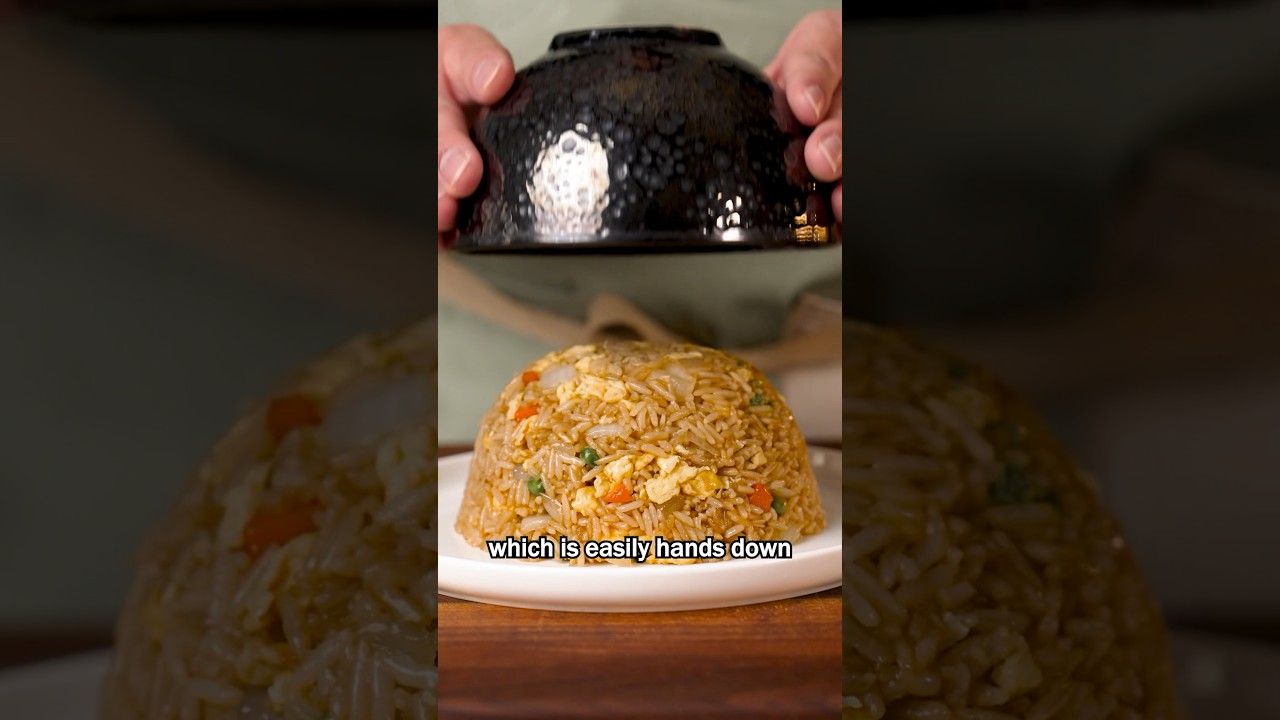
“Most people make fried rice wrong in the same way: they use freshly cooked, still-warm rice and wonder why it turns into a paste. Real fried rice is a dehydration problem, not a seasoning problem. Get the rice cold, get the pan screaming hot, and the rest is just timing. We broke down the technique so there's nothing left to guess.”
Why This Recipe Works
Fried rice is deceptively simple, which is exactly why so many people get it wrong. The technique has almost no margin for error — two variables, heat and rice moisture, control everything. Get those right and the recipe essentially cooks itself. Get them wrong and no amount of seasoning rescues it.
The Cold Rice Rule
This is not a preference. It is physics. Warm, freshly cooked rice contains surface moisture that converts to steam the moment it contacts a hot pan. Steam cooks rice. You don't want to cook the rice again — you want to fry it. The moment a grain of warm rice hits a pan, it releases that moisture, the pan temperature drops, and the entire batch begins braising in its own liquid instead of making contact with the hot metal surface.
Day-old rice left uncovered in the refrigerator overnight loses most of its surface moisture. Each grain firms up and dries slightly. When it hits the hot pan, instead of steaming, it dehydrates further and develops a faint crust on the outside — that's the slight chewiness and toasted quality that makes real fried rice taste different from a bowl of reheated rice with soy sauce on it.
Brown rice performs especially well here. Its lower starch content means less surface stickiness, so grains stay individual during tossing. It also has a slightly nutty flavor that stands up to the high-heat cooking instead of going bland.
Egg Timing Is Everything
The eggs come out, then go back in last. This is not obvious, and every shortcut version of fried rice that adds the eggs directly to the rice and scrambles them together produces a dish where the eggs are either undercooked or so thoroughly cooked they're rubbery. Remove them at just-set, hold them on a plate, and return them at the end so they warm through from the rice's residual heat without continuing to cook.
The Soy Sauce Finish
Soy sauce is a liquid. Liquid added to a hot stir-fry drops the pan temperature and halts the frying process. This is why it goes in last, in the final minute, after everything is fully heated through. When added to a properly hot pan, it flashes off within seconds — you'll hear the sizzle peak and then subside. If it pools and stays liquid, the pan isn't hot enough and you'll need to toss aggressively to prevent it from steaming the rice.
The rice vinegar is the quiet ingredient most home versions omit. Without it, soy-seasoned fried rice can taste flat and heavy — one-dimensional salt with no lift. The vinegar doesn't make the dish taste sour. It creates the same effect as a squeeze of lemon on roasted vegetables: you don't taste the acid, but you notice the absence of flatness.
Building the Right Heat
A carbon steel wok preheated for 3-4 minutes reaches temperatures that a home stove can just barely achieve. Add sesame oil only after the pan is fully hot — this is counterintuitive but critical. Oil added to a cold pan climbs in temperature gradually and begins smoking before the pan hits its maximum. Oil added to an already-hot pan heats instantly, coats the surface evenly, and you can start cooking within seconds of adding it.
The rest is just sequencing — aromatics first for flavor base, rice next for the fry, vegetables in to heat through, eggs back in to finish, soy sauce to tie it together. Follow that order and the dish works. Stray from it and you're compensating for problems you created.
Where Beginners Mess This Up
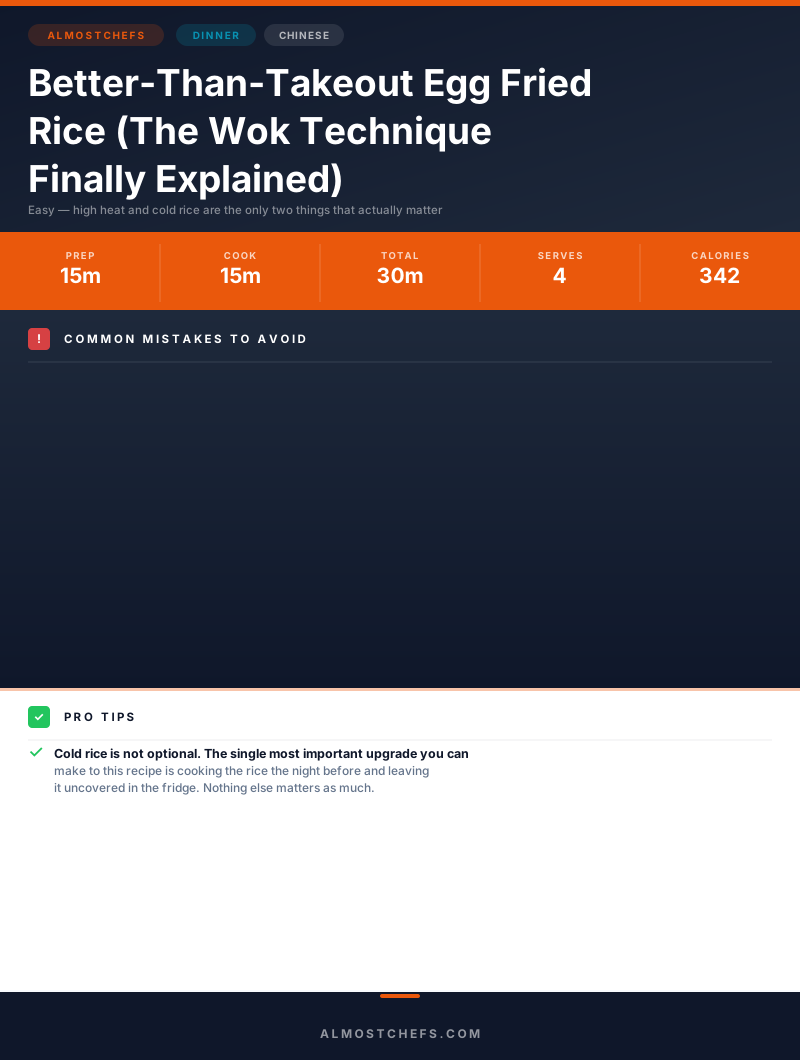
Before we start, read this. These are the 4 reasons your better-than-takeout egg fried rice (the wok technique finally explained) will fail:
- 1
Using freshly cooked rice: Warm rice contains surface moisture that steams instead of fries the moment it hits the pan. Each grain needs to be dry, cold, and slightly stiff before it goes near heat. Day-old rice left uncovered in the fridge overnight is the standard. If you're starting from scratch, spread freshly cooked rice on a sheet tray and refrigerate for at least two hours before cooking.
- 2
Crowding the pan: Fried rice needs direct contact with the hot pan surface to develop toasted, slightly chewy edges. When you pile too much rice in at once, the temperature drops, moisture releases, and everything steams together into a uniform mush. Cook in batches if you don't have a large wok, or halve the recipe for a standard skillet.
- 3
Adding soy sauce too early: Soy sauce introduced before the rice is fully heated through releases liquid into the pan and immediately drops the temperature. The rice stalls and softens instead of continuing to fry. Add soy sauce in the final minute, after everything is hot and nearly done, so it flashes off in the residual heat instead of pooling.
- 4
Scrambling the eggs separately and combining too early: Eggs returned to the pan too soon get overcooked by the time the rice finishes. Cook them to just-set, remove immediately, and fold them back in as the absolute last step before seasoning. They'll finish from the residual heat of the rice without turning rubbery.
The Video Reference Library
Want to see it in action? Here are the exact videos we analyzed and combined to build this foolproof recipe translation:
The source video for this technique. Clear close-ups of the rice texture at each stage and a useful demonstration of exactly how dry and separated the grains should look before soy sauce goes in.
🛠️ Core Equipment
- Large wok or 12-inch carbon steel skilletHigh, sloped sides allow aggressive tossing without spilling. Carbon steel conducts heat faster than stainless and develops a non-stick seasoning over time that's ideal for fried rice. A [carbon steel wok](/kitchen-gear/review/carbon-steel-wok) gets hotter than cast iron and recovers temperature faster when cold rice hits the surface.
- Wide, flat metal spatulaYou need to scrape and flip rice efficiently across a large surface. A wooden spoon pushes rice around. A flat metal spatula gets underneath the grains and presses them against the hot surface for direct contact.
- Small prep bowlsFried rice moves fast. Everything — eggs, soy sauce, vegetables — must be measured and ready before heat is applied. Mid-recipe prep breaks the heat continuity and costs you the crust.
- Sheet tray (for day-of rice)If you can't use day-old rice, spread freshly cooked rice in a thin layer on a sheet tray and refrigerate uncovered for two hours. The surface area accelerates moisture loss.
Better-Than-Takeout Egg Fried Rice (The Wok Technique Finally Explained)
🛒 Ingredients
- ✦3 cups cooked brown rice, cooled (day-old preferred)
- ✦3 large eggs
- ✦3 tablespoons sesame oil, divided
- ✦1 medium yellow onion, finely diced
- ✦1 cup diced bell peppers (red and yellow mix)
- ✦1 cup frozen peas and carrots
- ✦3 cloves garlic, minced
- ✦2 green onions, thinly sliced
- ✦3 tablespoons low-sodium soy sauce
- ✦1 tablespoon rice vinegar
- ✦1 teaspoon fresh ginger, grated
- ✦1/2 teaspoon white pepper
- ✦2 tablespoons cashews, roughly chopped
- ✦1 cup fresh spinach, roughly chopped
- ✦Salt and pepper to taste
👨🍳 Instructions
01Step 1
Crack the eggs into a small bowl and whisk vigorously until the yolks and whites are fully combined. Set aside.
02Step 2
Heat 1 tablespoon sesame oil in a large wok or skillet over medium-high heat until shimmering, about 1 minute.
03Step 3
Pour the beaten eggs into the center of the wok and scramble continuously, breaking into small pieces, until just cooked through and no longer wet, about 2 minutes. Do not overcook.
04Step 4
Transfer the eggs to a clean plate. Wipe the wok with a paper towel.
05Step 5
Add the remaining 2 tablespoons sesame oil and heat until fragrant, about 30 seconds.
06Step 6
Add the diced onion and cook, stirring frequently, until soft and translucent, about 3-4 minutes.
07Step 7
Add the minced garlic and grated ginger. Stir constantly for 1 minute until the aroma sharpens and the garlic begins to color at the edges.
08Step 8
Add the cold rice, breaking up clumps with the back of your spatula. Press the rice flat against the hot pan surface and let it sit undisturbed for 30 seconds before tossing. Repeat. Stir-fry for 3-4 minutes total until each grain is heated through and visibly dry.
09Step 9
Add the diced bell peppers and frozen peas and carrots. Stir-fry for 2-3 minutes until the vegetables are tender but still have some bite.
10Step 10
Add the spinach and cook for about 1 minute, folding it in until wilted.
11Step 11
Return the scrambled eggs to the wok. Fold gently into the rice.
12Step 12
Drizzle in the soy sauce and rice vinegar. Toss everything together over the heat for 1 minute until evenly coated. The sauce should flash off almost immediately — if it pools, your heat is too low.
13Step 13
Sprinkle in the white pepper. Taste and adjust salt as needed.
14Step 14
Transfer to a serving bowl and top with sliced green onions and chopped cashews.
Nutrition Per Serving
Estimates based on standard preparation. Adjustments alter macros.
🔄 Substitutions
Instead of White rice...
Use Brown rice or quinoa
Brown rice has a nuttier, slightly firmer texture that holds up better during high-heat tossing. Quinoa is lighter and works well but changes the dish's character noticeably. Both require extra initial cook time.
Instead of Regular soy sauce...
Use Low-sodium soy sauce or coconut aminos
Low-sodium keeps the umami depth with significantly less salt. Coconut aminos adds subtle sweetness and is the best option for those avoiding soy entirely.
Instead of Sesame oil...
Use Avocado oil
Avocado oil has a higher smoke point and stays neutral under high heat. You lose the toasted sesame aroma, which is significant. If using avocado oil, finish with a few drops of sesame oil off-heat to get some of that flavor back.
Instead of Cashews...
Use Mix of sesame seeds and pumpkin seeds
More textural variation, slightly less richness. Toast them dry in the wok for 30 seconds before adding the oil to maximize their flavor contribution.
🧊 Storage & Reheating
In the Fridge
Store in an airtight container for up to 4 days. The flavors continue to develop and the rice firms up further — day-two fried rice is often better than day-one.
In the Freezer
Freeze in individual portions for up to 2 months. Spread flat in freezer bags to speed thawing and prevent clumping.
Reheating Rules
Reheat in a hot wok or skillet with a splash of water and a drizzle of soy sauce, tossing constantly for 2-3 minutes. The microwave works in a pinch but steams the rice soft — use it only if time is the only constraint.
❓ Frequently Asked Questions
Why does my fried rice always come out wet and mushy?
Two causes, usually both at once: the rice was too warm when it hit the pan, and the pan wasn't hot enough. Cold, dry rice and a screaming-hot pan are the entire solution. If your rice was freshly cooked, it needs at minimum two hours uncovered in the fridge before it's ready to fry.
Can I use freshly cooked rice if I'm in a hurry?
Yes, with one workaround. Spread it on a sheet tray in a thin, even layer and refrigerate uncovered for at least 90 minutes. This forces rapid moisture loss from the surface. It's not quite the same as overnight rice, but it's workable.
Do I need a wok, or will a regular pan work?
A large, heavy skillet works. The advantage of a [carbon steel wok](/kitchen-gear/review/carbon-steel-wok) is the high sides for tossing and faster heat recovery when cold rice hits the surface. If using a skillet, cook in smaller batches to avoid crowding and temperature drop.
When should I add the soy sauce?
Last. Soy sauce added early releases liquid into the pan, drops the temperature, and softens the rice. Add it in the final minute, after everything is fully heated and nearly done. It should sizzle and flash off almost immediately when it hits the pan.
Can I make this vegetarian or vegan?
It's already close. For fully vegan, swap the eggs for firm tofu crumbled and pan-fried in sesame oil until dry and slightly golden. The texture is different but the function — adding protein and richness — is the same. Coconut aminos instead of soy sauce rounds out the swap.
Why does restaurant fried rice taste so much better than mine?
Commercial wok burners output 100,000+ BTUs. Home stoves max out around 15,000-20,000. That extreme heat creates wok hei — a smoky, charred quality from rapid Maillard reactions that's nearly impossible to replicate at home. The closest you can get: use a carbon steel pan, preheat it for 3-4 full minutes before adding anything, and cook over the highest heat your stove can produce.
The Science of
Better-Than-Takeout Egg Fried Rice (The Wok Technique Finally Explained)
We turned everything on this page into a beautiful, flour-proof PDF cheat sheet. Print it out, stick it to your fridge, and never mess up your better-than-takeout egg fried rice (the wok technique finally explained) again.
*We'll email you the high-res PDF instantly. No spam, just perfectly cooked meals.
AlmostChefs Editorial Team
We translate the internet's most popular cooking videos into foolproof, beginner-friendly written recipes. We analyze multiple methods, test them in our kitchen, and engineer a single "Master Recipe" that gives you the best possible result with the least possible stress.