Roasted Edamame (Better Than Boiled, Done in 30 Minutes)
Forget the salted pot of water. Roasting edamame at 400°F develops deeper, nuttier flavor in the pods while a sesame-lime glaze adds restaurant-level complexity with almost zero extra work. We built this around the most-watched methods to give you a foolproof snack that's protein-dense, vegan, and genuinely craveable.
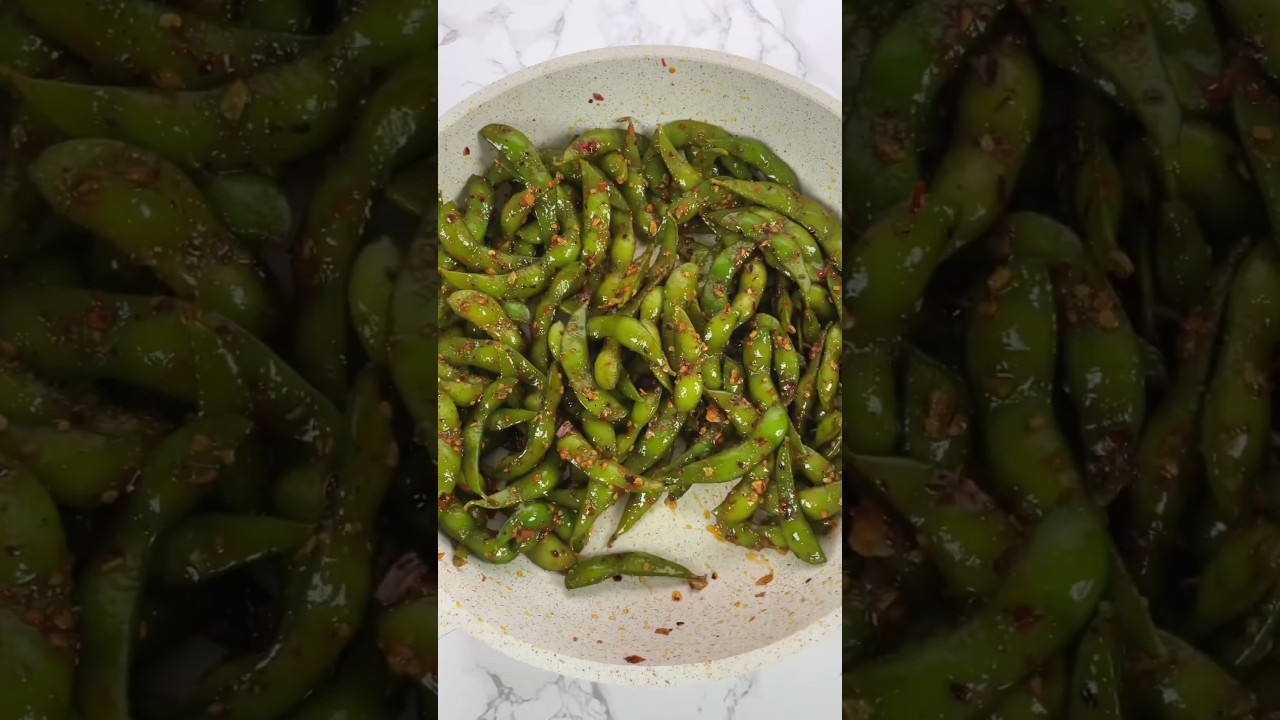
“Boiled edamame is fine. Roasted edamame with a sesame-lime glaze is the reason people ask for the recipe. The switch from boiling to roasting takes the same pod and transforms its exterior from soft and slick to lightly blistered and nutty — and the glaze clings to the texture in a way it never would on a wet surface. This is a 30-minute snack that earns the second handful every time.”
Why This Recipe Works
Edamame has a branding problem. It exists in the Western imagination as the thing that shows up in a white bowl before the sushi, forgotten before the main course arrives. That bowl is boiled. This is not that bowl.
The Case Against Boiling
Boiling is the default because it's fast and because edamame are good enough even when treated carelessly. But boiling also does something specific to the pod surface: it softens it, makes it slick, and limits how much of the seasoning actually adheres. You salt the water, you salt the finished pods, and most of it slides right off into the serving bowl.
Roasting at 400°F dehydrates the pod surface. The exterior tightens, blisters slightly, and develops the same Maillard-reaction browning compounds that make roasted vegetables taste categorically different from steamed ones. More importantly, that textured surface gives the sesame-lime glaze something to grip. When you pour the sauce over hot roasted pods, it absorbs rather than beads. Every bite carries the glaze.
The bean inside doesn't dry out because the pod is doing its job as insulation. The shell takes the heat while the interior stays protected — which is exactly why you should never attempt this with pre-shelled edamame. Without the pod, the beans go chalky and dry in under 12 minutes.
Dry Before You Season
The drying step is the most skipped instruction in this recipe and the one with the highest consequence. A pound of frozen edamame, fully thawed and left on the counter, carries an extraordinary amount of surface moisture. That water doesn't evaporate instantly at 400°F — it turns to steam, and for the first 8-10 minutes of cook time, your pods are essentially steaming in the oven instead of roasting.
Use paper towels. Press firmly. Blot again. If you have the time, spread the thawed pods on a kitchen towel for 15 minutes before oiling them. The extra effort produces a visibly different result: golden blistering on the pod skin instead of the wan, damp exterior that comes out of an underdried pan.
Glaze Architecture
The sesame-lime glaze is built on contrast: sesame oil for richness, tamari for umami and salt, rice vinegar for acid, lime for brightness, raw garlic for sharpness. These aren't arbitrary — each element is doing a specific job.
The residual heat of the just-roasted pods partially cooks the raw garlic when you pour the glaze. This is intentional. Raw garlic on cold food is aggressive. Garlic that's had 30 seconds against a hot surface is mellow and aromatic. The toss-while-hot step is where the dish finishes itself.
A half-sheet baking pan is the correct tool here, not a smaller pan, not a cast iron skillet. You need the full surface area to give one pound of edamame space to breathe. The parchment paper keeps the lightly oiled pods from sticking mid-roast and makes cleanup take 10 seconds instead of 10 minutes.
Why This Works as a Snack Architecture
At 18 grams of protein and 5 grams of fiber per serving, edamame is one of the most nutritionally efficient snack formats in existence. It also has built-in portion control — eating edamame is a manual process. You pull each pod through your teeth, discard the shell, and the physical engagement of eating slows your pace. You're not mindlessly reaching into a bag. You're working for each bite, which changes the experience entirely.
This recipe just makes the work worth it.
Where Beginners Mess This Up
Before we start, read this. These are the 4 reasons your roasted edamame (better than boiled, done in 30 minutes) will fail:
- 1
Not drying the edamame before roasting: Whether fresh or thawed from frozen, surface moisture is the enemy of roasting. Wet pods steam in the oven instead of roasting, producing the same flabby texture you were trying to escape. Pat them completely dry with paper towels before oil and seasoning — every drop of water you remove is flavor you're recovering.
- 2
Crowding the baking sheet: Edamame pods need air circulation to roast, not steam. A crowded pan traps moisture and produces uneven results — some pods get golden while others go soft. Use a half-sheet pan for one pound and spread them in a true single layer with visible space between pods.
- 3
Adding the glaze before roasting: The sesame-lime glaze contains sugar from the tamari and lime juice that will burn at 400°F before the beans have finished cooking. The glaze goes on immediately after the pan comes out of the oven — hot enough to coat and absorb, cool enough not to scorch.
- 4
Serving them straight from the fridge: Cold edamame loses its texture contrast — the slight chew of the warm bean against the lightly crisped pod. Serve warm or at room temperature. If reheating, a quick 5 minutes in a 375°F oven recovers most of the texture that the microwave destroys.
The Video Reference Library
Want to see it in action? Here are the exact videos we analyzed and combined to build this foolproof recipe translation:
The original reference video that demonstrates the dry-roast-then-glaze technique in real time. Watch the color change at the 15-minute mark to understand when to pull the pan.
🛠️ Core Equipment
- Half-sheet baking panThe full surface area is necessary to spread one pound of edamame without crowding. A quarter-sheet forces you to roast in batches or accept steamed, not roasted, results.
- Parchment paperPrevents sticking and makes cleanup trivial. More importantly, it provides an even, dry surface so pods roast uniformly across the entire sheet.
- Small whisk and bowlThe glaze needs to be emulsified — oil, acid, and soy sauce combine properly only when whisked. A fork works in a pinch but requires twice the effort to get a smooth coating sauce.
Roasted Edamame (Better Than Boiled, Done in 30 Minutes)
🛒 Ingredients
- ✦1 pound fresh or frozen edamame pods
- ✦2 tablespoons extra virgin olive oil
- ✦1 teaspoon sea salt
- ✦1/2 teaspoon garlic powder
- ✦1/2 teaspoon ground ginger
- ✦1/4 teaspoon cayenne pepper
- ✦1/4 teaspoon black pepper
- ✦1 teaspoon sesame oil
- ✦2 cloves garlic, minced
- ✦1 tablespoon low-sodium tamari or soy sauce
- ✦1 teaspoon rice vinegar
- ✦1 tablespoon fresh lime juice
- ✦2 green onions, thinly sliced
- ✦1 tablespoon sesame seeds
👨🍳 Instructions
01Step 1
Preheat your oven to 400°F and line a half-sheet baking pan with parchment paper.
02Step 2
Rinse fresh edamame under cold water. If using frozen, thaw completely and pat thoroughly dry with paper towels to remove all surface moisture.
03Step 3
Transfer the dried edamame to a large mixing bowl. Drizzle with olive oil and toss to coat all pods evenly.
04Step 4
Add the sea salt, garlic powder, ground ginger, cayenne, and black pepper. Toss again until the spices are distributed throughout.
05Step 5
Spread the seasoned edamame in a single layer on the prepared baking sheet. Leave visible space between pods.
06Step 6
Roast for 15 to 18 minutes, stirring once at the halfway point, until pods are lightly golden and fragrant.
07Step 7
While the edamame roasts, whisk together the sesame oil, minced garlic, tamari, rice vinegar, and fresh lime juice in a small bowl until fully combined.
08Step 8
Remove the pan from the oven and immediately transfer the hot edamame to a serving bowl.
09Step 9
Pour the glaze over the hot edamame and toss thoroughly so every pod gets coated.
10Step 10
Top with sesame seeds and sliced green onions. Serve warm or at room temperature.
Nutrition Per Serving
Estimates based on standard preparation. Adjustments alter macros.
🔄 Substitutions
Instead of Extra virgin olive oil...
Use Avocado oil
Higher smoke point makes it marginally better for 400°F roasting. Slightly milder flavor that lets the sesame glaze dominate. Use the same quantity.
Instead of Low-sodium tamari...
Use Coconut aminos
Slightly sweeter, noticeably lower sodium. Good swap for anyone avoiding soy entirely. The umami depth is similar but less sharp.
Instead of Sesame oil...
Use Walnut oil
Earthier flavor, less distinctly Asian in profile. Works if you're building a less traditional seasoning direction. Don't heat it — use in the glaze only, same as sesame oil.
Instead of Ground ginger...
Use Fresh ginger, grated (1/2 teaspoon)
Brighter and spicier than dried. Add it to the glaze rather than the dry spice mix so it doesn't scorch in the oven.
🧊 Storage & Reheating
In the Fridge
Store in an airtight container for up to 3 days. The glaze sets and the pods lose their crispness — that's expected. The flavor actually deepens overnight.
In the Freezer
Not recommended after roasting. The texture degrades significantly through a second freeze cycle. Start from frozen-then-roasted if you want a make-ahead option.
Reheating Rules
Spread on a baking sheet and reheat at 375°F for 5 minutes. Microwave produces steam that softens the pods back to boiled texture — avoid it.
❓ Frequently Asked Questions
Can I use frozen edamame without thawing first?
Technically yes, but the results will be noticeably worse. Frozen edamame releases a significant amount of water as it heats, which causes steaming instead of roasting for the first half of cook time. If you're short on time, thaw under cold running water for 10 minutes, then dry aggressively.
Do you eat the pods or just the beans inside?
You eat the beans, not the pod. Pull the pod through your teeth to strip out the beans, then discard the empty shell. The pod itself is too fibrous to eat and is there to protect the bean during cooking, not to be consumed.
Why is my edamame dry inside after roasting?
The oven ran too hot, or the beans roasted too long. Fresh edamame should have enough internal moisture to stay tender through 18 minutes at 400°F. Check your oven calibration — most home ovens run 25-50°F hot. Also make sure you're using pods, not shelled beans, which dry out completely.
Is edamame the same as soybeans?
Yes and no. Edamame are soybeans harvested young, before the pods dry and harden. Mature soybeans are the hard beige beans used to make tofu, tempeh, and soy milk. The young harvest is sweeter, softer, and higher in certain nutrients including vitamin C, which breaks down as the bean matures.
Can I make this gluten-free?
It almost is already. Swap the tamari for certified gluten-free tamari or coconut aminos, and every other ingredient is naturally gluten-free. Standard soy sauce contains wheat — tamari does not, but check the label on your specific brand to confirm.
How do I keep the sesame seeds from falling off?
Add them while the edamame is still wet from the glaze. The saucy coating acts as a binder. If you add them after the glaze dries, they'll slide off immediately. You can also mix them into the glaze before pouring.
The Science of
Roasted Edamame (Better Than Boiled, Done in 30 Minutes)
We turned everything on this page into a beautiful, flour-proof PDF cheat sheet. Print it out, stick it to your fridge, and never mess up your roasted edamame (better than boiled, done in 30 minutes) again.
*We'll email you the high-res PDF instantly. No spam, just perfectly cooked meals.
AlmostChefs Editorial Team
We translate the internet's most popular cooking videos into foolproof, beginner-friendly written recipes. We analyze multiple methods, test them in our kitchen, and engineer a single "Master Recipe" that gives you the best possible result with the least possible stress.