High-Protein Edamame Hummus (28g Protein, No Chickpeas)
A vibrant, plant-forward dip that swaps chickpeas for shelled edamame and folds in Greek yogurt and tahini to hit 28g of protein per serving. No cooking required, ready in 15 minutes, and genuinely better than anything you'll buy at the store.

“Most hummus gives you 4-6g of protein per serving and calls it a health food. This version delivers 28g by making two ingredient swaps that most people wouldn't think to try: edamame instead of chickpeas, and Greek yogurt folded directly into the base. The result is creamier than traditional hummus, brighter in flavor, and actually capable of keeping you full for more than twenty minutes.”
Why This Recipe Works
The problem with most high-protein dips is that they taste like compromise — chalky, over-thickened, or aggressively supplemented in ways that announce their nutritional agenda before you've finished your first bite. This edamame hummus doesn't do that. It tastes like something a chef made, not a dietitian. The 28g of protein is a consequence of the ingredients, not the point of the dish.
The Edamame Swap
Chickpeas are fine. But edamame — young soybeans harvested before they harden — have a natural creaminess that chickpeas can't match without significant processing. The outer skin of a chickpea, even when cooked to full softness, contributes a slightly grainy resistance to blended textures. Edamame, when pulsed properly, breaks down into something almost silky without any peeling required.
The flavor difference matters too. Chickpea hummus has an earthy, starchy base note that you build on top of. Edamame has a clean, slightly sweet, vegetal brightness that makes the lemon and herbs pop instead of disappear. It's a better canvas for this flavor profile.
Why Greek Yogurt Belongs Here
Tahini is the traditional fat-and-protein source in hummus. Greek yogurt adds a second layer that does something tahini can't: it contributes tangy acidity, protein density, and an almost whipped lightness to the texture. The result is a dip that's simultaneously richer and lighter than traditional hummus — a combination that shouldn't make sense but does.
The key is nonfat Greek yogurt specifically. Full-fat yogurt adds unnecessary richness when you already have olive oil and tahini doing that job. Nonfat keeps the protein density high (about 17g per cup) while letting the other flavors stay sharp and defined.
The Blending Sequence Is the Technique
There's no cooking in this recipe, which means the only real craft is in the order of operations. Pulse the edamame alone first — this is the step most people skip, dumping everything in at once and wondering why the texture is lumpy. The beans need to break down before the yogurt and tahini can coat and smooth them. Think of it as building a foundation before you pour the walls.
The olive oil goes in last, added while the processor runs, which emulsifies it into the existing base rather than sitting on top of it. This is the difference between hummus that looks oily and hummus that looks glossy — the same amount of fat, completely different result based on when and how it enters the bowl.
The Flavor Architecture
Nutritional yeast is the secret ingredient most people overlook. It contributes a savory, almost cheesy umami note that makes the dip taste more complex than its ingredient list suggests. Combined with the apple cider vinegar — which adds a second dimension of acidity distinct from the lemon — the finished hummus has more going on than any single ingredient can claim credit for.
The herbs tear, not chop. Torn basil and mint release their oils without the bruising that a knife creates — bruised herbs oxidize faster and contribute a faintly bitter edge. Tear them, add them, blend immediately, and the color stays vivid green rather than turning dull.
Thirty minutes in the fridge is the last non-negotiable step. Fresh garlic is aggressive out of the food processor. Given time and cold, it mellows into something that reads as depth rather than heat. The hummus that comes out of the processor is not the same hummus you'll serve — the resting period is where the dish finishes becoming itself.
Where Beginners Mess This Up
Before we start, read this. These are the 4 reasons your high-protein edamame hummus (28g protein, no chickpeas) will fail:
- 1
Blending everything at once: Dumping all ingredients into the processor simultaneously produces a lumpy, unevenly textured dip. The edamame needs a 30-second pulse on its own first — this breaks down the bean structure and lets the yogurt and tahini incorporate smoothly in the next phase rather than working against whole beans.
- 2
Skipping the rest time: Edamame hummus served immediately tastes sharp and slightly raw from the garlic and lemon. Thirty minutes in the fridge lets the flavors meld — the garlic mellows, the herbs bloom, and the tahini integrates. This is not optional if you want the finished product to taste cohesive.
- 3
Adding too much liquid at once: The edamame water or vegetable broth goes in one tablespoon at a time while the processor runs. Add it all at once and you overshoot the consistency instantly — hummus becomes a thin dip you can't recover without adding more solids and throwing off the ratios entirely.
- 4
Using low-quality tahini: Bitter, separated tahini ruins the entire batch. Good tahini should smell nutty and pour smoothly. If yours has a thick sediment layer and smells faintly rancid, replace it. At only 3 tablespoons per batch, this is the wrong place to use up old pantry ingredients.
The Video Reference Library
Want to see it in action? Here are the exact videos we analyzed and combined to build this foolproof recipe translation:
The source video for this recipe. Covers the staged blending technique and demonstrates the exact texture you're aiming for at each phase of the process.
🛠️ Core Equipment
- Food processorA blender can work but produces a less controllable texture. The food processor lets you pulse in stages, which is how you build the layered, creamy consistency this recipe depends on. A [mini food processor](/kitchen-gear/review/mini-food-processor) is sufficient for this batch size.
- Citrus juicerFresh lemon juice is essential — bottled lemon juice tastes flat and slightly chemical. A simple handheld [citrus juicer](/kitchen-gear/review/citrus-juicer) gets more juice from each lemon with less effort.
- Rubber spatulaFor scraping the sides of the processor bowl between pulses. Ingredients stick to the walls, and what stays on the wall doesn't get blended. Scrape down at least twice during the process.
High-Protein Edamame Hummus (28g Protein, No Chickpeas)
🛒 Ingredients
- ✦2 cups frozen shelled edamame, thawed
- ✦1 cup plain nonfat Greek yogurt
- ✦3 tablespoons tahini
- ✦2 tablespoons fresh lemon juice
- ✦2 cloves garlic, minced
- ✦1/4 cup fresh basil, loosely packed
- ✦2 tablespoons fresh mint leaves
- ✦2 tablespoons extra-virgin olive oil
- ✦1/2 teaspoon ground cumin
- ✦1/4 teaspoon red pepper flakes
- ✦1/4 teaspoon sea salt
- ✦1/8 teaspoon black pepper
- ✦2 tablespoons reserved edamame cooking water or vegetable broth
- ✦1 tablespoon nutritional yeast
- ✦1 teaspoon apple cider vinegar
👨🍳 Instructions
01Step 1
Pulse the thawed edamame in a food processor for 30 seconds until roughly broken down.
02Step 2
Add the Greek yogurt, tahini, and nutritional yeast to the processor and blend for 45 seconds until well combined.
03Step 3
Squeeze the fresh lemon juice into the mixture and add the minced garlic, then pulse to incorporate, about 20 seconds.
04Step 4
Tear the basil and mint leaves by hand and add them to the processor along with the cumin, red pepper flakes, and apple cider vinegar.
05Step 5
Blend on medium speed for 60 seconds until the herbs are finely distributed and the mixture is smooth and creamy.
06Step 6
With the processor running, drizzle in the olive oil one tablespoon at a time until the hummus reaches your desired thickness.
07Step 7
If the mixture is still too thick, add the reserved edamame water or vegetable broth one tablespoon at a time, blending between each addition.
08Step 8
Season with sea salt and black pepper. Taste and adjust lemon juice or garlic to your preference.
09Step 9
Transfer to a serving bowl and drizzle with a touch of olive oil. Add a sprinkle of smoked paprika or red pepper flakes if desired.
10Step 10
Refrigerate for at least 30 minutes before serving to allow flavors to meld.
Nutrition Per Serving
Estimates based on standard preparation. Adjustments alter macros.
🔄 Substitutions
Instead of Greek yogurt...
Use Silken tofu (1 cup)
Keeps the dip fully vegan. Slightly less tangy flavor but equally creamy texture. Adds 2-3g additional protein per serving.
Instead of Tahini...
Use Natural almond butter (3 tablespoons)
Similar creaminess and comparable protein content at 3g per tablespoon. Produces a slightly earthier, less sesame-forward flavor profile.
Instead of Fresh basil and mint...
Use Fresh cilantro or flat-leaf parsley (1/3 cup)
Cilantro brings a citrusy edge; parsley offers mild earthiness. Both work without reducing protein or requiring any other recipe changes.
Instead of Nutritional yeast...
Use 1 tablespoon grated Parmesan cheese
Makes the dip non-vegan but adds savory complexity and 1-2g additional protein. Use half the amount — Parmesan is saltier and more assertive.
🧊 Storage & Reheating
In the Fridge
Store in an airtight container for up to 5 days. Press plastic wrap directly onto the surface before sealing to prevent the top from drying out.
In the Freezer
Freeze in a sealed container for up to 2 months. The texture changes slightly on thaw — re-blend with a tablespoon of water to restore creaminess.
Reheating Rules
Serve cold or at room temperature. No reheating needed. If the dip thickens in the fridge, stir in a small amount of olive oil or lemon juice before serving.
❓ Frequently Asked Questions
Why use edamame instead of chickpeas?
Edamame has a significantly higher protein-to-calorie ratio than chickpeas and a naturally creamier texture when blended. One cup of shelled edamame delivers about 17g of protein versus chickpeas' 15g — but combined with the Greek yogurt in this recipe, the total climbs to 28g per serving, which is nearly impossible to hit with a chickpea base.
Is this recipe actually vegan?
As written, no — Greek yogurt contains dairy. Swap the Greek yogurt for silken tofu (1 cup) to make it fully vegan while keeping the protein and creamy texture intact.
Why does my hummus taste bitter?
Almost always the tahini. Old or low-quality tahini turns bitter as the sesame oils oxidize. Smell it before using — it should smell nutty and clean. If it smells even faintly rancid, the batch is compromised. A squeeze of extra lemon juice and a pinch of salt can partially mask it, but the real fix is fresh tahini.
Can I make this without a food processor?
A high-powered blender works with some adjustment — you'll need to add liquid earlier in the process to keep things moving. A fork or potato masher produces a rougher, chunkier texture that's still good but won't hit the same creaminess.
How do I keep it from turning brown in the fridge?
Two things: press plastic wrap directly onto the surface of the hummus before sealing the container (this blocks air contact), and add a thin drizzle of olive oil on top as a barrier. The lemon juice also acts as a mild antioxidant to slow surface discoloration.
What do I serve this with?
Anything that holds up to a thick dip. Raw vegetables (cucumber, bell pepper, celery), toasted pita, rice crackers, or sliced sourdough all work. For a high-protein snack plate, pair with turkey slices and hard-boiled eggs to push the meal toward 50g of protein total.
The Science of
High-Protein Edamame Hummus (28g Protein, No Chickpeas)
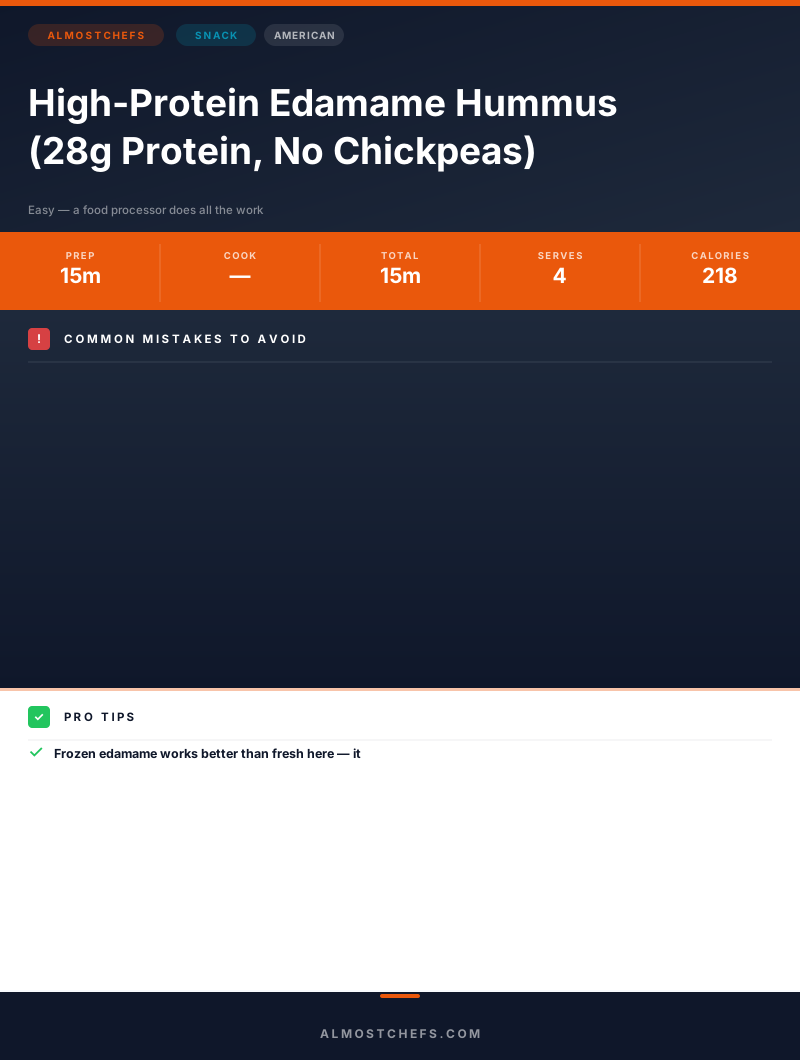
We turned everything on this page into a beautiful, flour-proof PDF cheat sheet. Print it out, stick it to your fridge, and never mess up your high-protein edamame hummus (28g protein, no chickpeas) again.
*We'll email you the high-res PDF instantly. No spam, just perfectly cooked meals.
AlmostChefs Editorial Team
We translate the internet's most popular cooking videos into foolproof, beginner-friendly written recipes. We analyze multiple methods, test them in our kitchen, and engineer a single "Master Recipe" that gives you the best possible result with the least possible stress.