High-Protein Edamame Hummus (28g Per Serving, No Compromise)
A double-legume protein dip that stacks frozen edamame and chickpeas with Greek yogurt to hit 28g of protein per serving — without sacrificing the silky, tahini-forward texture you expect from great hummus. We broke down what actually makes a high-protein dip stay creamy and built the method from there.

“Most high-protein dips taste like a punishment. They swap flavor for macros and call it a win. This one doesn't. By layering edamame, chickpeas, and Greek yogurt — three protein sources that each contribute something different — you get 28g of protein per serving inside a dip that tastes richer and more complex than standard hummus, not like a compromise version of it.”
Why This Recipe Works
Most high-protein food exists on a spectrum between "tastes like chalk" and "tastes like the protein is apologizing for being there." This dip refuses that spectrum. The reason it works isn't a clever trick — it's stacking three protein sources that each serve a different structural role so none of them have to overperform.
The Protein Architecture
Chickpeas are the base: neutral, starchy, and responsible for the thick body that makes hummus feel substantial. Edamame is the lift: higher in protein per gram than chickpeas, with a slightly grassy sweetness that cuts through the fat of the tahini. Greek yogurt is the binder and emulsifier: its proteins and acids keep the mixture from separating and add a gentle tang that mimics the brightness you'd get from extra lemon without the sharpness.
Combined, they hit 28g of protein per serving — roughly equivalent to four eggs, in a dip you can eat with vegetables at 3pm while pretending it's just a snack.
The Blending Sequence Matters
You can't dump everything in at once and hope. The initial pulse-and-scrape stage before adding spices is deliberate: you want the legumes partially broken down before the garlic and spices enter, so the flavors distribute into the mixture rather than concentrating in one spot. Garlic blended with already-smooth chickpeas integrates evenly. Garlic added to whole beans bounces around and ends up in chunks.
The olive oil drizzle with the processor running is the same principle as making aioli. You're creating an emulsion, not just adding fat. Poured in at once, the oil sits on top and the dip looks greasy. Added slowly through the feed tube into a running blade, it gets incorporated into the chickpea starch and creates a genuinely silky texture that would cost you twelve dollars at a specialty grocery store.
A food processor is the right tool here — not a blender. Blenders need liquid to circulate and will force you to add enough water to thin the dip below where you want it. A processor works with the density.
What the Yogurt Is Actually Doing
Greek yogurt in a dip isn't just about protein. Its lactic acid content interacts with the tahini's sesame oil to create a flavor that reads as richer and more complex than either ingredient alone. This is the same chemistry that makes yogurt marinades work in chicken dishes — acid plus fat plus agitation produces something more than the sum of its parts.
It also prevents the separation that plagues hummus made without it. Standard hummus can turn into an oil slick at the surface within an hour of sitting. The yogurt proteins act as an emulsifier that keeps everything cohesive for days in the fridge.
The Finishing Moment
The olive oil well in the center is not decorative. When you drag a cracker or vegetable stick through the dip, you want it to hit the pooled oil before it hits the surface — that first coat of good olive oil is what the dip tastes like at its best, and it's how you communicate that this isn't the sad plastic-tub hummus from the gas station. It takes five seconds and makes the plate look like you thought about it.
The pomegranate arils are optional but not trivial. Their acidity pops against the fat and spice of the dip in a way that makes every bite slightly different from the last. That variance is the difference between a dip people eat until it's gone and one that gets left half-finished on the table.
Where Beginners Mess This Up
Before we start, read this. These are the 4 reasons your high-protein edamame hummus (28g per serving, no compromise) will fail:
- 1
Not blending long enough: Hummus texture lives in the blending time. Most home cooks stop at 60 seconds because it looks done. It isn't. You need 2-3 minutes of sustained blending to break down the edamame cell walls fully and emulsify the olive oil into the mixture. Stopping early gives you a gritty, uneven dip instead of the silky result you're after.
- 2
Adding too much water too fast: Water thins the dip faster than you expect. Adding more than a tablespoon at a time means you can overcorrect in seconds and end up with soup. Add it slowly with the processor running and stop the moment you hit the texture you want. You can always add more — you cannot take it back.
- 3
Skipping the side-scrape between pulses: Edamame is denser than chickpeas. Without scraping down the sides at least twice during blending, you get chunks of edamame sitting above the blade while the chickpeas turn to paste below. Even texture requires even processing, which requires actually stopping and scraping.
- 4
Using warm or room-temperature edamame: Thawed edamame should be cold when it goes into the processor. Cold beans stay firmer through the initial pulse stage, which means they break down more evenly with the chickpeas rather than turning to mush first while the chickpeas lag behind.
The Video Reference Library
Want to see it in action? Here are the exact videos we analyzed and combined to build this foolproof recipe translation:
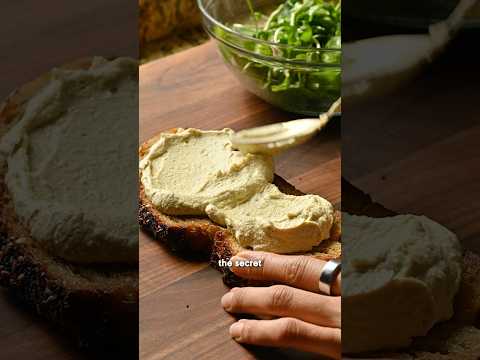
The source video for this technique — covers the double-legume approach and demonstrates exactly how long to blend for the smoothest result.
2. How to Make Ultra-Creamy Hummus
Detailed breakdown of the emulsification technique when drizzling olive oil into a running food processor — the same principle that makes this dip silky instead of grainy.
3. Meal-Prep Protein Dips and SpreadsCovers storage, portioning, and how protein dips hold up over 5 days in the fridge — useful context for making this recipe in bulk.
🛠️ Core Equipment
- Food processor ↗A [food processor](/kitchen-gear/review/food-processor) handles the density of two legumes more effectively than a blender. Blenders require more liquid to circulate, which throws off the consistency. A full-size processor with a sharp blade gets you silky texture in under 3 minutes.
- Rubber spatula ↗Non-negotiable for scraping the sides between blending passes. Without it, a third of your ingredients stay stuck to the bowl walls while the rest over-processes.
- Fine-mesh sieve or colander ↗Thorough rinsing of the chickpeas removes the excess starch and sodium from the canning liquid. This directly affects the final flavor — poorly rinsed chickpeas make the dip taste tinny and flat.
- Serving bowl with high sides ↗The well you create in the center for olive oil pooling requires depth. A shallow plate won't hold it. High sides also make the garnish presentation look intentional rather than accidental.
High-Protein Edamame Hummus (28g Per Serving, No Compromise)
🛒 Ingredients
- ✦1 can (15 oz) chickpeas, drained and rinsed
- ✦1 cup frozen edamame, thawed and cold
- ✦½ cup plain nonfat Greek yogurt
- ✦3 tablespoons tahini
- ✦3 tablespoons fresh lemon juice
- ✦2 cloves garlic, minced
- ✦2 tablespoons extra virgin olive oil
- ✦1 teaspoon ground cumin
- ✦½ teaspoon smoked paprika
- ✦¼ teaspoon cayenne pepper
- ✦½ teaspoon fine sea salt
- ✦¼ teaspoon black pepper
- ✦2 tablespoons water, plus more as needed
- ✦2 tablespoons fresh parsley, finely chopped
- ✦1 tablespoon pomegranate arils (optional garnish)
👨🍳 Instructions
01Step 1
Add the drained chickpeas, thawed edamame, Greek yogurt, tahini, and fresh lemon juice to a food processor.
02Step 2
Pulse 5-6 times to break down the larger pieces, then scrape down the sides with a spatula.
03Step 3
Add the minced garlic, ground cumin, smoked paprika, cayenne pepper, sea salt, and black pepper.
04Step 4
Blend on medium speed for 60-90 seconds, stopping halfway to scrape down the sides again.
05Step 5
With the processor running, drizzle in the olive oil in a slow, steady stream.
06Step 6
Add water one tablespoon at a time while blending until you reach a thick, spreadable consistency. Total blending time should be 2-3 minutes.
07Step 7
Taste and adjust: more lemon for brightness, more salt for depth, more cayenne for heat.
08Step 8
Transfer to a serving bowl and smooth the top with the back of a spoon.
09Step 9
Create a shallow well in the center and drizzle with a light coating of olive oil.
10Step 10
Garnish with fresh parsley and pomegranate arils if using. Serve immediately with veggie sticks, whole grain pita chips, or crackers.
Nutrition Per Serving
Estimates based on standard preparation. Adjustments alter macros.
🔄 Substitutions
Instead of Greek yogurt...
Use Silken tofu (¼ cup) or cashew cream
Tofu adds 5g extra protein per serving with a slightly earthier flavor. Cashew cream is richer and works beautifully for a fully dairy-free version.
Instead of Tahini...
Use Natural almond butter or sunflower seed butter (3 tablespoons)
Almond butter creates a nuttier sweetness. Sunflower seed butter is milder and better for sesame-sensitive palates. Both boost protein slightly.
Instead of Frozen edamame...
Use White beans or cannellini beans (1 cup cooked)
Blends more smoothly and has a milder flavor. You lose some of the vivid green color but keep nearly identical protein content.
Instead of Fresh parsley...
Use Fresh cilantro or dill (2 tablespoons)
Cilantro adds brightness and slight citrus notes. Dill creates herbaceous, almost pickle-like undertones that pair well with the lemon.
🧊 Storage & Reheating
In the Fridge
Store in an airtight container for up to 5 days. Press plastic wrap directly against the surface before sealing to prevent a skin from forming.
In the Freezer
Freeze in portions for up to 2 months. Thaw overnight in the fridge and re-blend briefly with a splash of water to restore texture.
Reheating Rules
This dip is served cold or at room temperature — no reheating needed. If it thickens in the fridge, stir in a teaspoon of olive oil or water before serving.
❓ Frequently Asked Questions
Why is my dip grainy instead of smooth?
Two likely causes: not blending long enough, or not scraping the sides between passes. Edamame and chickpeas need 2-3 full minutes of blending to break down completely. If it's still grainy after that, peel the chickpeas next time — the skins are the primary source of texture problems.
Can I make this without a food processor?
A high-powered blender works but requires more liquid to circulate, which can throw off the consistency. Add the water more conservatively and blend in shorter bursts. A standard blender will struggle with the edamame density and produce an uneven result.
How do I get 28g of protein from a dip?
It comes from three sources stacking together: chickpeas (7g per ½ cup), edamame (9g per ½ cup), and Greek yogurt (12g per ½ cup). No single ingredient gets you there alone — the combination is the strategy.
Can I use fresh edamame instead of frozen?
Yes, but frozen thawed edamame is actually more consistent. Fresh edamame can vary in starch content depending on maturity, which affects how smoothly it blends. Frozen is processed at peak ripeness and performs more predictably.
Why does the dip taste flat even with enough salt?
Likely not enough acid. Lemon juice is the brightness agent in hummus — without enough of it, everything tastes muted regardless of salt level. Add lemon juice one teaspoon at a time after tasting. You'll know when it clicks.
How long does this keep for meal prep?
Five days in the fridge in an airtight container with plastic wrap pressed against the surface. The flavor actually improves on day two as the garlic and spices meld. Drizzle with fresh olive oil and add herbs right before serving each portion.
The Science of
High-Protein Edamame Hummus (28g Per Serving, No Compromise)
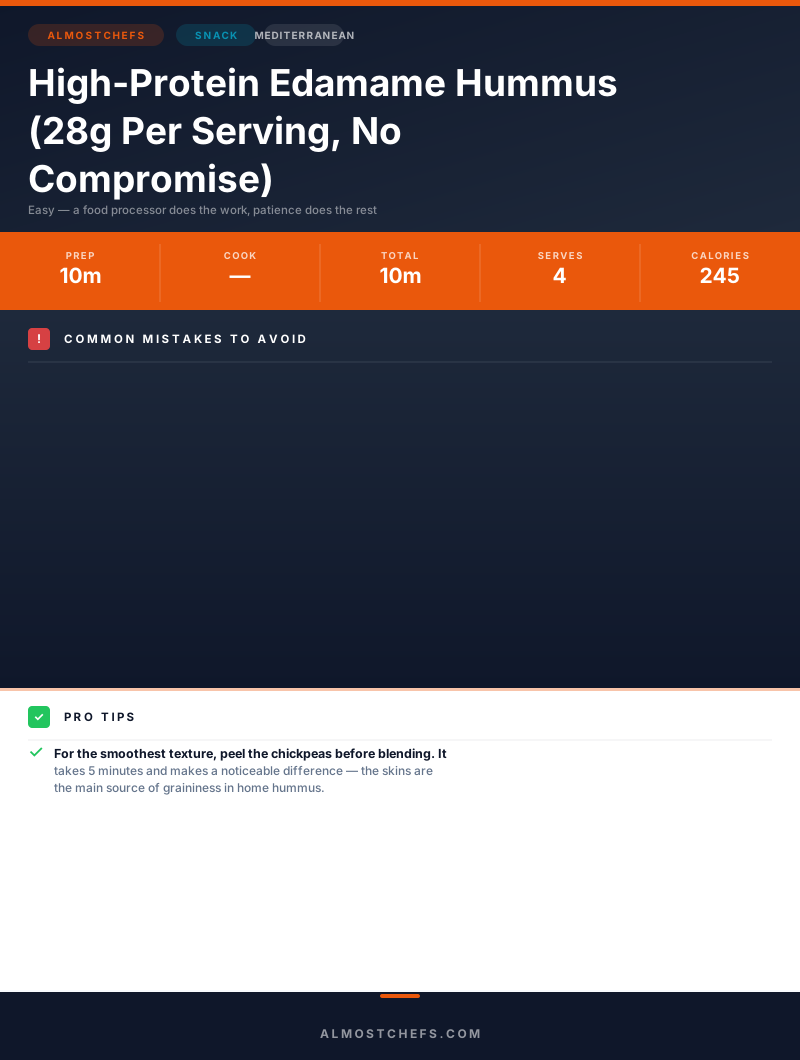
We turned everything on this page into a beautiful, flour-proof PDF cheat sheet. Print it out, stick it to your fridge, and never mess up your high-protein edamame hummus (28g per serving, no compromise) again.
*We'll email you the high-res PDF instantly. No spam, just perfectly cooked meals.
AlmostChefs Editorial Team
We translate the internet's most popular cooking videos into foolproof, beginner-friendly written recipes. We analyze multiple methods, test them in our kitchen, and engineer a single "Master Recipe" that gives you the best possible result with the least possible stress.