Foolproof Fluffy Pancakes (The Whole-Grain Method That Actually Works)
A whole-grain pancake recipe that delivers legitimately fluffy results without sacrificing texture. We analyzed the most-requested breakfast failures to nail the batter rest, griddle temp, and flip timing — so you stop getting flat, rubbery rounds and start getting stacks worth eating.
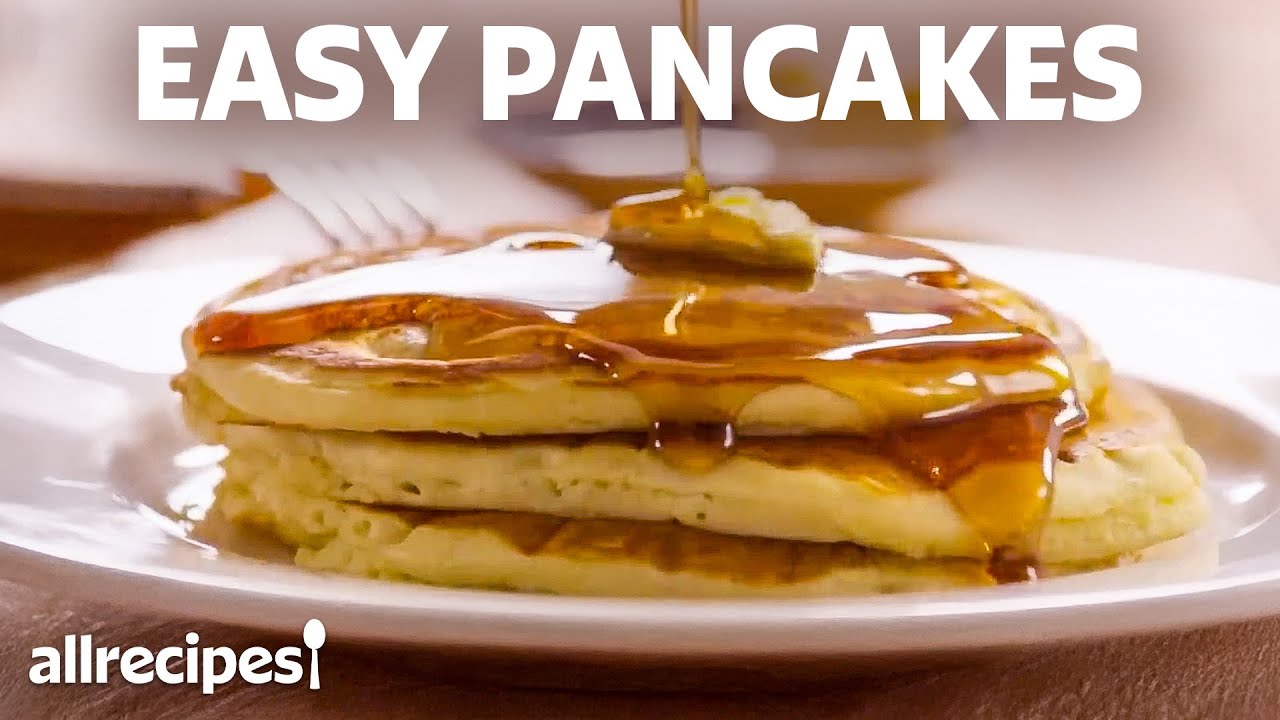
“Most pancake failures aren't about the recipe. They're about the three steps people skip: resting the batter, testing the griddle temperature, and resisting the flip. Get those right and it almost doesn't matter what's in the bowl. This version adds whole wheat flour and a touch of honey for a stack that actually sustains you past 9am — without tasting like a health compromise.”
Why This Recipe Works
Pancakes have a reputation for being simple. They are — but simple doesn't mean forgiving. The gap between flat, rubbery rounds and a genuinely fluffy stack comes down to a handful of techniques that most recipes mention but don't explain. This one explains them.
The Flour Ratio
All whole wheat pancakes are admirable in theory and disappointing on the plate. Whole wheat flour contains the bran and germ of the wheat kernel — which is good for fiber and blood sugar stability, but bad for gluten development. The bran acts like tiny knives that cut gluten strands as they form, producing a denser, more crumbly crumb. Go all-in on whole wheat and you get pancakes that taste like compressed granola.
The solution is a ratio: 60% all-purpose, 40% whole wheat. The all-purpose flour provides the gluten network that creates lift and structure. The whole wheat contributes fiber, a mild nuttiness, and a slower glucose release that keeps you full longer. Together, they make a pancake that tastes like a pancake and actually does something useful nutritionally.
Why Lumps Are Correct
The single most common piece of bad cooking advice passed down through American breakfast culture is "stir until smooth." It is wrong. Stirring pancake batter until smooth develops gluten, which makes the pancakes chewy and tough. It also forces out the carbon dioxide bubbles that the baking powder is actively generating the moment it hits liquid — the same bubbles that create lift during cooking.
Stop stirring when you stop seeing dry flour. Lumps hydrate on their own during the rest period. Trust the chemistry.
The Baking Powder Window
Baking powder is a two-stage leavener. It releases its first round of CO2 when it contacts liquid, and its second when it hits heat. The batter rest — five to ten minutes on the counter — gives the first activation time to complete, creating a batter that's already aerated and ready to respond dramatically to the griddle. Skip the rest and you're leaving half your leavening power on the table.
This also means you can't store mixed batter indefinitely. By morning, the first activation is spent and your pancakes will be noticeably flatter. Mix fresh when you can.
Heat Management
A cast iron skillet is not optional if you care about even browning. Thin non-stick pans have hot zones directly above the burner coils and cold zones at the edges — you end up with a dark center and pale ring on every pancake. Cast iron distributes heat laterally across the entire cooking surface, so every inch of the pancake browns at the same rate.
The water test gives you certainty: drops that sizzle and evaporate in one to two seconds mean the surface is at roughly 375°F, the sweet spot for pancakes. Too hot and the Maillard reaction outruns the center cooking. Too cool and you get pale, steamed pancakes that never develop flavor.
The One-Flip Rule
Flipping a pancake before it's ready tears the structure. Flipping it twice deflates the air that took ten minutes of chemistry to build. Watch the surface: flip when bubbles have formed all the way to the center and the edges have shifted from glossy to matte. That visual transition is the batter signaling that it's set enough to survive the flip without collapsing.
One flip. Walk away. That's the whole technique.
Where Beginners Mess This Up
Before we start, read this. These are the 4 reasons your foolproof fluffy pancakes (the whole-grain method that actually works) will fail:
- 1
Overmixing the batter: Stirring the wet and dry ingredients until the batter is smooth develops gluten and forces out the air pockets that create lift. You want lumps. Genuinely. Stir until the flour is just moistened — eight to ten folds maximum — then stop. The lumps hydrate and disappear during the rest.
- 2
Skipping the batter rest: Baking powder needs 5-10 minutes to fully activate in wet batter. Pour batter onto the griddle immediately and you're cooking with maybe 60% of available leavening power. Rest it on the counter, walk away, and come back to a batter that's already begun bubbling — that's the lift doing its job before the heat even starts.
- 3
Wrong griddle temperature: Too hot and the outside burns before the inside sets. Too cool and the pancakes spread flat and cook unevenly. The water-drop test is definitive: a few drops should sizzle, bead up, and evaporate in one to two seconds. If they evaporate instantly, the pan is too hot. If they just sit there steaming, wait longer.
- 4
Flipping too early — or more than once: Flip once, and only when bubbles have formed across the entire surface and the edges look set and matte rather than glossy. Flipping too early tears the structure. Flipping twice deflates it. One flip, done.
The Video Reference Library
Want to see it in action? Here are the exact videos we analyzed and combined to build this foolproof recipe translation:
The source video that informed this method — strong coverage of batter consistency, griddle heat management, and the visual cues that tell you exactly when to flip.
🛠️ Core Equipment
- Cast iron skillet or flat griddleEven heat distribution is everything here. Thin non-stick pans create hot spots that burn the center while leaving the edges pale. A [well-seasoned cast iron skillet](/kitchen-gear/review/cast-iron-skillet) holds steady heat and gives you consistent browning across the entire surface.
- Thin flexible spatulaA wide, thin blade gets fully under the pancake without disturbing its structure. Thick spatulas catch the edge and tear the pancake mid-flip — especially critical with a whole-grain batter that's slightly denser than pure all-purpose.
- Large mixing bowl and medium bowlDry and wet ingredients need to be combined in one direction — wet into dry. Starting in the right bowls prevents you from compensating with extra stirring, which is the primary cause of tough pancakes.
- 1/4 cup measuring cupConsistent pour size means consistent pancake size means consistent cook time. Eyeballing gives you one giant pancake and four small ones finishing at different times.
Foolproof Fluffy Pancakes (The Whole-Grain Method That Actually Works)
🛒 Ingredients
- ✦1 1/4 cups all-purpose flour
- ✦3/4 cup whole wheat flour
- ✦2 1/2 teaspoons baking powder
- ✦1/2 teaspoon fine sea salt
- ✦1/4 teaspoon ground cinnamon
- ✦1 tablespoon honey
- ✦2 large eggs, room temperature
- ✦1 1/4 cups low-fat milk, room temperature
- ✦3 tablespoons unsalted butter, melted
- ✦1 teaspoon vanilla extract
- ✦2 tablespoons neutral oil, for griddle
- ✦Optional toppings: fresh berries, Greek yogurt, maple syrup
👨🍳 Instructions
01Step 1
Whisk together the all-purpose flour, whole wheat flour, baking powder, sea salt, and cinnamon in a large bowl until evenly combined.
02Step 2
In a separate medium bowl, beat the eggs gently until just combined.
03Step 3
Add the milk, melted butter, vanilla extract, and honey to the eggs and whisk until fully combined.
04Step 4
Pour the wet ingredients into the dry ingredients and fold with a spatula until the flour is just moistened. Stop when you still see a few lumps.
05Step 5
Let the batter rest undisturbed for 5-10 minutes at room temperature.
06Step 6
Heat your griddle or cast iron skillet over medium-high heat. Lightly coat with neutral oil and distribute with a folded paper towel.
07Step 7
Test the surface temperature by flicking a few drops of water onto the griddle. They should sizzle, bead, and evaporate in 1-2 seconds. Adjust heat as needed.
08Step 8
Pour 1/4 cup of batter per pancake onto the griddle, spacing them about 2 inches apart.
09Step 9
Cook undisturbed for 2-3 minutes until bubbles form across the entire surface and the edges look set and slightly matte.
10Step 10
Flip once with a thin spatula and cook the second side for 1-2 minutes until light golden brown.
11Step 11
Transfer finished pancakes to a baking sheet in a 200°F oven to keep warm while you cook the remaining batter.
12Step 12
Serve immediately with fresh berries, Greek yogurt, maple syrup, or toppings of your choice.
Nutrition Per Serving
Estimates based on standard preparation. Adjustments alter macros.
🔄 Substitutions
Instead of All-purpose flour (1 1/4 cups)...
Use Oat flour (1 cup oat flour + 1/4 cup all-purpose)
Slightly nuttier flavor and denser crumb. Add 2 tablespoons extra milk to compensate for oat flour's higher absorption rate. Increases beta-glucan fiber content significantly.
Instead of Low-fat milk (1 1/4 cups)...
Use Greek yogurt (3/4 cup) mixed with water (1/2 cup)
Tangier flavor, denser crumb, but legitimately more protein per serving. Creates a slightly thicker batter — the resulting pancakes are more substantial and stay fuller longer.
Instead of Unsalted butter (3 tablespoons)...
Use Avocado oil or coconut oil (3 tablespoons)
Avocado oil produces a lighter, cleaner taste. Coconut oil adds mild tropical sweetness but may solidify if your milk is cold — make sure the milk is at room temperature.
Instead of Honey (1 tablespoon)...
Use Pure maple syrup (1 tablespoon)
Deeper, woodsy sweetness with a nearly identical texture impact. Contains trace minerals that honey doesn't. Straightforward swap with no adjustments needed.
🧊 Storage & Reheating
In the Fridge
Stack cooled pancakes with a piece of parchment between each one and store in an airtight container for up to 3 days.
In the Freezer
Freeze in a single layer on a baking sheet first, then transfer to a zip-lock bag for up to 2 months. The parchment-separation step prevents them from fusing together.
Reheating Rules
Toast directly from frozen in a toaster or toaster oven for 2-3 minutes. This restores crispness on the outside while reheating the center. Microwave reheating works but produces a soft, slightly gummy texture.
❓ Frequently Asked Questions
Why are my pancakes flat even though I followed the recipe?
Two likely causes: you skipped the batter rest, or your baking powder is old. Baking powder loses potency after about 6 months once opened. Test it by dropping 1 teaspoon into hot water — it should bubble vigorously. If it just sits there, replace it.
Can I make the batter the night before?
You can, but expect about 20% less rise. Baking powder is a double-acting leavener — it activates once when wet and again when heated — but some of that first activation is spent overnight in the fridge. For the fluffiest results, mix fresh and rest for 10 minutes.
Why is the center of my pancake gooey but the outside is already brown?
Your heat is too high. Medium-high on most home burners is the right starting point, but every stove runs differently. If the outside is browning in under 2 minutes, turn the heat down by 20% and wait for the pan to equilibrate before pouring the next batch.
Do I need both all-purpose and whole wheat flour, or can I use all of one?
You can use all all-purpose for a lighter, fluffier result. All whole wheat produces a noticeably denser, earthier pancake that some people love and others don't. The 60/40 split in this recipe is the balance point where you get the nutritional benefit of whole grains without losing the fluffy texture that makes pancakes worth eating.
What's the right amount of oil on the griddle?
Less than you think. A thin film is all you need — enough to prevent sticking, not enough to shallow-fry. Too much oil causes the edges to crisp before the center sets, and gives the finished pancake a greasy ring around the perimeter.
Can I add mix-ins like blueberries or chocolate chips?
Yes. Add them directly to the poured batter on the griddle rather than mixing into the batter bowl. This prevents them from sinking to the bottom of the bowl and gives you more even distribution across the whole batch.
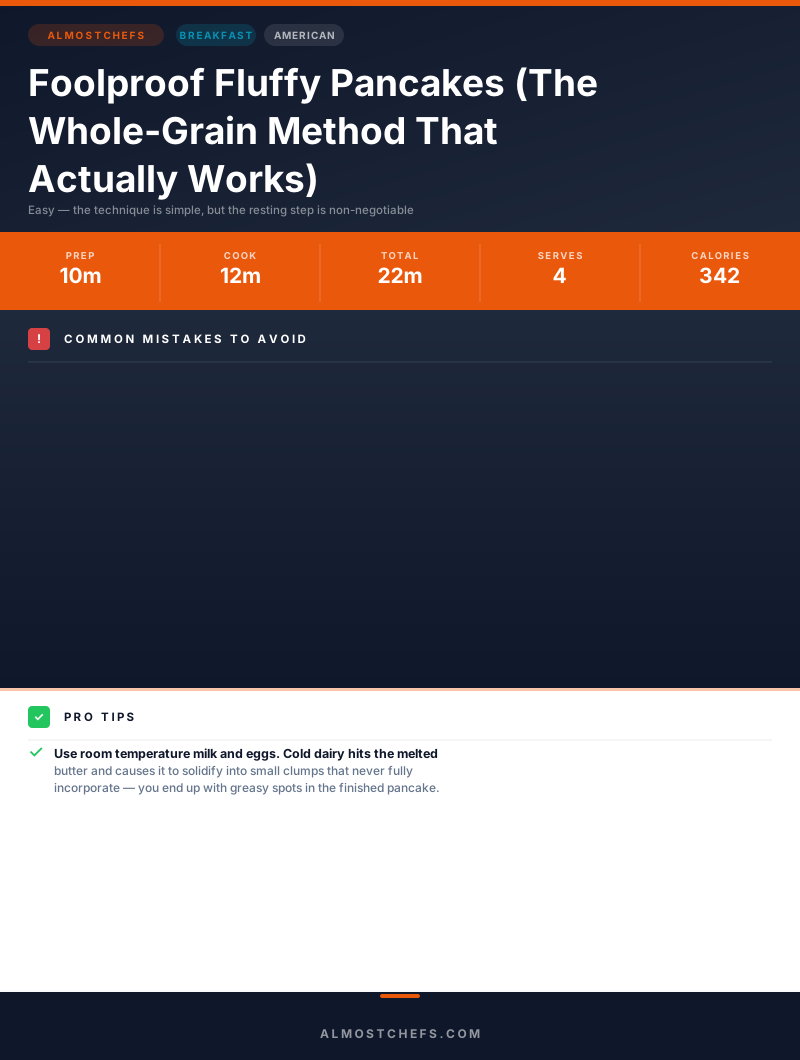
The Science of
Foolproof Fluffy Pancakes (The Whole-Grain Method That Actually Works)
We turned everything on this page into a beautiful, flour-proof PDF cheat sheet. Print it out, stick it to your fridge, and never mess up your foolproof fluffy pancakes (the whole-grain method that actually works) again.
*We'll email you the high-res PDF instantly. No spam, just perfectly cooked meals.
AlmostChefs Editorial Team
We translate the internet's most popular cooking videos into foolproof, beginner-friendly written recipes. We analyze multiple methods, test them in our kitchen, and engineer a single "Master Recipe" that gives you the best possible result with the least possible stress.