The Perfect Dutch Baby (Why Your Oven Does All the Work)
A dramatic, oven-baked pancake that puffs above the skillet rim with a crispy golden edge and a custardy, tender center. We broke down the technique to find the three variables that determine whether yours rises like a showpiece or collapses like a sad crêpe.
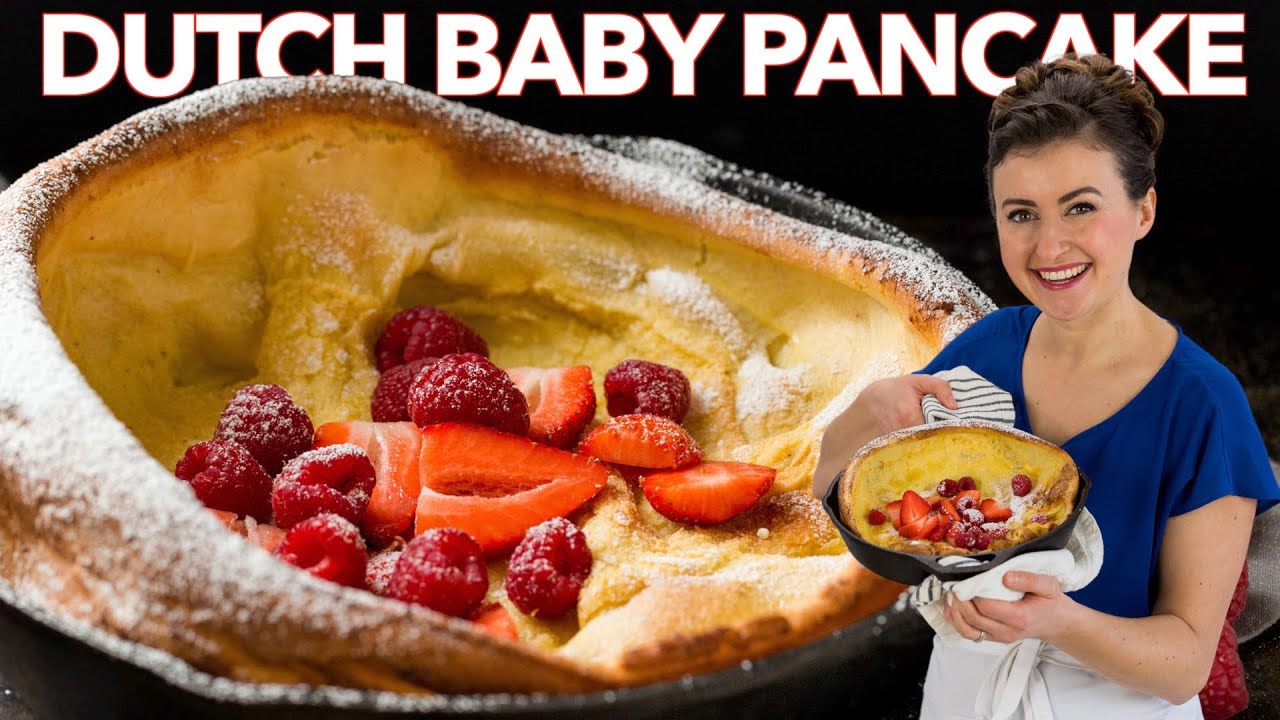
“A Dutch Baby is one of those dishes that looks like a magic trick but is mechanically simple. The problem is that simple doesn't mean forgiving. Mess up the skillet temperature, the batter rest, or the moment you open the oven door, and you get a flat egg pancake instead of a puffed golden bowl. We tested the technique to isolate exactly what determines success.”
Why This Recipe Works
The Dutch Baby is breakfast theater. It goes into the oven as a thin, undistinguished batter and comes out as a puffed golden bowl that looks like it required actual technique. The trick is that it didn't — but it required precision. These are not the same thing.
The Physics of the Puff
A Dutch Baby rises because of one thing: steam. The batter is roughly 60% liquid by weight, and when it hits a 425°F skillet, that liquid converts to steam faster than the developing egg-protein structure can contain it. The steam expands, the edges climb the walls, and the whole thing puffs into that signature crater shape. The center stays low because it's the last area to receive direct heat from the skillet floor — which is exactly what gives you the custardy well surrounded by crispy walls.
This is also why skillet temperature is the only variable that actually matters. If the skillet is even 50 degrees below target when the batter hits, the steam conversion happens too slowly, the protein sets before adequate lift, and you get a flat, slightly rubbery egg pancake. There is no rescuing a cold-skillet Dutch Baby. The heat must be violent and immediate.
The Batter Equation
Four eggs for four servings is not a coincidence — this is a high-egg batter by design. Eggs provide the structural protein that sets during baking and holds the risen shape long enough to serve. Cut the eggs and the walls collapse before you can get it to the table. Increase them and the texture becomes more frittata than pancake.
The flour ratio is equally deliberate. Too much and the batter is stiff, the rise is minimal, and the center is bready. Too little and there's not enough structure to maintain the walls — you get a puddle with crispy edges. The ratio in this recipe lands on the side of slightly less flour to favor a custardy, tender center over a more bready result.
Whole wheat pastry flour performs well here because its lower protein content resists over-tightening the gluten network during blending. Aggressive blending with high-protein all-purpose flour can build enough gluten structure to slightly suppress the rise. Pastry flour tolerates the 30-second blender treatment without tightening up.
The Skillet Is the Vessel and the Tool
The cast-iron skillet is not just a container — it's an active part of the cooking system. Its thermal mass absorbs and stores heat from the preheating period, then releases it aggressively when the batter arrives. This sustained bottom heat is what drives the initial rise in the first 8 minutes. The oven heat handles the walls and top. Together they create an even cook from every direction simultaneously.
The ghee coating does two things. It prevents sticking, obviously. But it also acts as a heat-transfer medium between the iron and the batter — the thin layer of fat ensures uniform contact across the entire skillet floor, eliminating any dry spots that would produce uneven browning.
Why You Don't Touch the Oven Door
Between minutes 10 and 18, the batter is in the critical rise phase. The egg proteins are gelling, the steam is at peak pressure, and the structure is actively forming. The oven environment during this window is a precisely calibrated system: 425°F ambient air, 450°F+ skillet surface, high humidity from batter evaporation. Opening the door drops all three variables simultaneously. The temperature plunge stalls the rise mid-puff and sets whatever shape the pancake has reached at that moment — which is usually halfway up the walls with a dense, undercooked center.
Trust the blender. Trust the hot skillet. Trust the closed door. The Dutch Baby is one of the most rewarding dishes in breakfast cooking precisely because the payoff is entirely proportional to how well you leave it alone.
Where Beginners Mess This Up
Before we start, read this. These are the 4 reasons your the perfect dutch baby (why your oven does all the work) will fail:
- 1
Cold skillet, flat pancake: The single biggest Dutch Baby killer. The skillet must be screaming hot when the batter hits it — the immediate sizzle is what triggers the rapid steam expansion that drives the rise. A skillet that's even 50 degrees too cool produces a dense, uneven pancake that clings to the sides instead of climbing them.
- 2
Opening the oven door early: The rise happens fast, between minutes 10 and 18, when the steam inside the batter is at peak pressure. Opening the door during this window drops the oven temperature by 25-50 degrees and collapses the structure before it sets. Set a timer for 20 minutes and do not touch the handle before then.
- 3
Cold eggs and cold milk: Room temperature eggs and milk blend into a smoother, more homogeneous batter with less gluten development. Cold dairy causes uneven emulsification and a slightly grainy batter that doesn't puff evenly. Pull everything from the fridge 20 minutes before you start.
- 4
Skipping the blender: A whisk leaves small clumps of flour and unincorporated egg. The blender creates a completely smooth, aerated batter in 30 seconds — and that aeration contributes directly to the rise. This is one instance where the machine is genuinely better than the hand.
The Video Reference Library
Want to see it in action? Here are the exact videos we analyzed and combined to build this foolproof recipe translation:
The reference video for this recipe. Clear technique walkthrough covering skillet preheating, batter consistency, and the oven behavior you should expect during the rise.
🛠️ Core Equipment
- 12-inch cast-iron skilletHolds heat aggressively and distributes it evenly across the entire base. The heavy walls maintain temperature when the cold batter hits. A thin nonstick pan loses heat too fast and produces uneven browning. This is the [cast-iron skillet](/kitchen-gear/review/cast-iron-skillet) dish it was designed for.
- Blender30 seconds on high produces a completely smooth, lightly aerated batter. You cannot replicate this with a whisk — flour pockets survive whisking and create dense spots. A [high-powered blender](/kitchen-gear/review/blender) is the fastest path to a consistent result.
- Oven mitt rated for high heatYou are removing a 425°F cast iron skillet, swirling liquid fat around it, and returning it to the oven in under 60 seconds. A standard kitchen towel is not adequate. A thick silicone [oven mitt](/kitchen-gear/review/oven-mitt) is non-negotiable.
- Instant-read thermometerOven dials lie. If your oven runs 25 degrees cool, your Dutch Baby will be flat. Verify the actual temperature before the skillet goes in. Consistent results require calibrated heat.
The Perfect Dutch Baby (Why Your Oven Does All the Work)
🛒 Ingredients
- ✦4 large eggs, room temperature
- ✦1 cup whole wheat pastry flour
- ✦1 cup unsweetened almond milk, room temperature
- ✦2 tablespoons unsalted butter, melted
- ✦1 tablespoon pure maple syrup
- ✦1 teaspoon vanilla extract
- ✦1/2 teaspoon sea salt
- ✦1/4 teaspoon ground cinnamon
- ✦2 tablespoons ghee or clarified butter, for the skillet
- ✦1 medium Granny Smith apple, thinly sliced
- ✦1/4 cup fresh blueberries
- ✦2 tablespoons chopped raw walnuts
- ✦1 tablespoon raw honey, for drizzling
- ✦Fresh lemon zest, for garnish
👨🍳 Instructions
01Step 1
Position your oven rack in the center and preheat to 425°F (220°C).
02Step 2
Place a 12-inch cast-iron skillet on the center rack and let it heat for at least 10 minutes while the oven comes to temperature.
03Step 3
Pull the eggs and almond milk from the fridge 20 minutes before you start. Room temperature ingredients blend cleaner and produce better structure.
04Step 4
Combine the eggs, whole wheat pastry flour, almond milk, melted butter, maple syrup, vanilla extract, sea salt, and cinnamon in a blender. Blend on high for 30 seconds until completely smooth.
05Step 5
Remove the hot skillet from the oven using a heavy oven mitt. Working quickly, add the ghee and swirl to coat the bottom and sides completely.
06Step 6
Pour the batter into the hot skillet immediately and return it to the oven without hesitation.
07Step 7
Bake for 20-25 minutes until the edges rise dramatically above the rim, turn deep golden brown, and the center is just set with a slight jiggle.
08Step 8
While the Dutch Baby bakes, toss the apple slices with a squeeze of fresh lemon juice to prevent browning. Set aside with the blueberries and walnuts.
09Step 9
Remove the Dutch Baby from the oven when the edges are deeply golden and crispy. It will begin to deflate within 2-3 minutes — this is normal and expected.
10Step 10
Top with the apple slices, blueberries, and chopped walnuts. Drizzle with raw honey and finish with fresh lemon zest.
11Step 11
Cut into 4 wedges and serve directly from the skillet while still warm.
Nutrition Per Serving
Estimates based on standard preparation. Adjustments alter macros.
🔄 Substitutions
Instead of Whole wheat pastry flour...
Use Spelt flour or all-purpose flour
Spelt is slightly nuttier with better digestibility. All-purpose produces a more classic, delicate crumb. Both work without adjusting quantities.
Instead of Unsweetened almond milk...
Use Whole dairy milk or oat milk
Whole milk produces a richer, more custardy center. Oat milk adds subtle sweetness and beta-glucan fiber. Either is a direct swap at the same volume.
Instead of Maple syrup in batter...
Use Unsweetened applesauce or mashed ripe banana
Lower glycemic impact with added fiber. Applesauce keeps the batter neutral in flavor; banana adds noticeable sweetness and aroma. Use 2 tablespoons either way.
Instead of Ghee...
Use Coconut oil or unsalted grass-fed butter
Coconut oil is dairy-free and adds mild sweetness. Grass-fed butter is essentially the same as ghee without clarification — it works identically, just smoke point is slightly lower at this temperature.
🧊 Storage & Reheating
In the Fridge
Store leftovers in an airtight container for up to 2 days, though texture degrades significantly. The crispy edges soften overnight.
In the Freezer
Not recommended. The egg-based structure breaks down poorly after freezing and thawing.
Reheating Rules
If you must reheat, use a 350°F oven for 5-8 minutes on a bare baking sheet. Avoid the microwave — it turns the edges rubbery and steams out the last of the crispiness.
❓ Frequently Asked Questions
Why didn't my Dutch Baby puff up?
Almost certainly a skillet temperature problem. The skillet must be fully preheated at 425°F before the batter goes in. The immediate contact with extreme heat is what vaporizes the moisture in the batter and drives the rise. A cold or lukewarm skillet produces a flat, dense pancake with no lift.
Can I make this in a regular nonstick pan?
You can, but results are less consistent. Nonstick pans don't hold heat as aggressively as cast iron, so the temperature drops when batter hits the surface. If you use nonstick, preheat it for at least 12 minutes and accept slightly less dramatic rise on the edges.
Is it supposed to deflate that fast?
Yes. The puff is steam-driven — the moment you cut into it or pull it from the oven, the steam escapes and the structure settles. A fully risen Dutch Baby has maybe 90 seconds before it begins to collapse. This is normal. The flavor and texture remain fully intact after deflation.
Can I make the batter ahead of time?
You can rest the batter for up to 30 minutes at room temperature — some bakers argue this improves gluten relaxation and produces a more tender crumb. Don't refrigerate the batter; cold batter hitting a hot skillet causes uneven cooking. Make it fresh or rest it on the counter.
Why whole wheat pastry flour instead of regular whole wheat?
Regular whole wheat flour has a coarser bran structure and higher protein content, which can make the Dutch Baby dense and heavy. Whole wheat pastry flour is milled finer with lower protein — it gives you the nutritional profile of whole wheat with a texture closer to all-purpose. The result is a lighter crumb that still puffs well.
What's the difference between a Dutch Baby and a popover?
Very close cousins. Both use a high-egg, high-liquid batter that relies on steam for structure. The main difference is shape and application — popovers are baked in individual deep cups to force vertical rise, while a Dutch Baby spreads across a wide skillet and rises at the edges. The flavor and technique are nearly identical.
The Science of
The Perfect Dutch Baby (Why Your Oven Does All the Work)
We turned everything on this page into a beautiful, flour-proof PDF cheat sheet. Print it out, stick it to your fridge, and never mess up your the perfect dutch baby (why your oven does all the work) again.
*We'll email you the high-res PDF instantly. No spam, just perfectly cooked meals.
AlmostChefs Editorial Team
We translate the internet's most popular cooking videos into foolproof, beginner-friendly written recipes. We analyze multiple methods, test them in our kitchen, and engineer a single "Master Recipe" that gives you the best possible result with the least possible stress.