Classic Deviled Ham (The 10-Minute Party Spread That Beats the Can)
A bold, peppery American ham spread made with finely minced ham, Dijon, smoked paprika, and cayenne. Ready in 10 minutes, better than any tin on the shelf, and infinitely adjustable to your heat preference. We broke down what actually makes it work.

“The canned version has been sitting in grocery store shelves since 1868 and most home cooks have never thought to make it themselves. That's a mistake. Homemade deviled ham takes 10 minutes, uses ingredients you already own, tastes dramatically better, and lets you control exactly how much heat and salt end up on your crackers. The secret isn't a fancy technique — it's understanding which three elements create the balance between rich, tangy, and spicy.”
Why This Recipe Works
Deviled ham is one of the most underestimated things you can make in ten minutes. It has a reputation problem — most people associate it with a small tin with a cartoon devil on the label, which tastes like sodium suspended in pink paste. That's not what this is. Homemade deviled ham, made with actual ham and proper technique, belongs on the same table as charcuterie, cured fish spreads, and compound butters. It just doesn't act like it knows that.
The Ham Selection Problem
Most recipes say "ham" and leave it at that. The choice matters more than any spice in the recipe. You need a ham with genuine density and low water content — a thick-cut ham steak from the butcher counter, or better yet, leftover baked ham from a previous meal. The reason is mechanical: the food processor needs protein fibers to grip and break down into smooth paste. Pre-sliced deli ham is pumped with water and binders that compress into a sticky, gummy mass under the blade instead of processing into pâté. The rule: if the ham bends like rubber when you hold a slice flat, it has too much water for this recipe.
The Fat-Acid-Spice Triangle
Every cold spread operates on three axes: fat provides richness and carries flavor compounds, acid brightens and balances the fat, and heat creates the finish that makes people reach for another cracker. Miss any one of these and the spread tastes one-dimensional.
The fat is the mayonnaise — full-fat, not reduced. The acid is the apple cider vinegar, and it's the most skipped ingredient in copycat versions. Without it, the mayo and ham merge into a bland, heavy paste that coats your palate and never resolves. Half a teaspoon of vinegar sounds trivial. It is not trivial. It's the difference between a spread that tastes finished and one that tastes like it's waiting for something.
The heat comes from two directions: cayenne pepper for immediate front-of-palate heat, and dry mustard powder for the slow, sinus-clearing warmth that builds while you're already reaching for your next cracker. These are not interchangeable. Together, they create a layered heat experience that explains why this dish was popular enough to be commercially canned and sold nationally by the 1880s.
The Mustard Architecture
Two mustards is not redundancy — it's architecture. Dijon is sharp, clean, and emulsifying; it helps bind the fat to the ham proteins and contributes an assertive, wine-based heat. Whole grain mustard adds textural contrast and a gentler, nuttier spice profile from the uncracked seeds. Together they create a condiment backbone that's more complex than either could achieve alone. This is the same principle behind using both butter and oil in a sauté: each fat brings different properties, and the combination is better than either in isolation.
The Temperature Rule
Cold fat mutes every flavor you worked to build. The smoked paprika tastes flat. The cayenne barely registers. The Worcestershire sauce disappears entirely. Pull the deviled ham out of the refrigerator 15-20 minutes before serving and the fat loosens, the volatile aromatic compounds from the spices warm and become mobile, and suddenly you have a spread that tastes alive rather than inert. This is why restaurant charcuterie is never served straight from walk-in refrigeration. Temperature is seasoning.
The other advantage of making this at home: you know exactly what's in it. Commercial deviled ham typically contains sodium nitrite, modified food starch, and enough sodium to make your cardiologist nervous. This version uses a fraction of the sodium with significantly more flavor, because the flavor is coming from real ingredients doing real work instead of industrial seasoning concentrate.
Where Beginners Mess This Up
Before we start, read this. These are the 4 reasons your classic deviled ham (the 10-minute party spread that beats the can) will fail:
- 1
Using pre-sliced deli ham instead of a proper cut: Thin deli slices are loaded with water and processed binders that turn the spread gluey when processed. You want a thick-cut ham steak or leftover baked ham — something with actual density and dry protein structure. The food processor needs something to grip, not paper-thin sheets that compress into paste immediately.
- 2
Under-processing the ham: Deviled ham should be a smooth, cohesive spread — not a chunky salad. If you stop the food processor after 30 seconds, you get rubbery ham chunks suspended in mayo, which is unpleasant on a cracker. Run it for a full 2 minutes, scraping the sides, until the texture resembles pâté.
- 3
Skipping the acid component: Without apple cider vinegar or lemon juice, the spread tastes flat and one-dimensional. Fat (mayo) and salt (ham) need acid to complete the flavor triangle. The vinegar doesn't make it taste sour — it makes everything else taste more like itself. This is the step most copycat recipes omit and the reason they fall short.
- 4
Serving it cold straight from the fridge: Cold fat mutes flavor. Deviled ham served at refrigerator temperature tastes dull and dense. Pull it out 15-20 minutes before serving to let it come to room temperature — the fat loosens, the spices bloom, and the spread becomes noticeably more complex.
The Video Reference Library
Want to see it in action? Here are the exact videos we analyzed and combined to build this foolproof recipe translation:
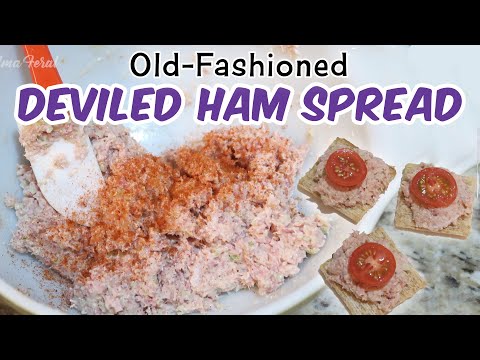
The source video for this recipe, walking through the mixing technique and consistency checkpoints you're aiming for.
2. Classic American Spreads and Dips
Context on the American appetizer tradition that deviled ham belongs to — useful background on balancing fat, acid, and spice in cold spreads.
3. Party Appetizers That Actually ImpressBroader spread and dip technique that applies directly to deviled ham — plating, garnish, and pairing strategies for entertaining.
🛠️ Core Equipment
- Food processor ↗Essential for achieving the smooth, pâté-like texture that defines deviled ham. A knife-minced version is uneven and chunky. The blade creates a uniform paste that holds together on crackers without crumbling. A mini food processor works fine for this quantity.
- Rubber spatula ↗For scraping down the food processor bowl and folding in the herbs without overworking them. Green onions and parsley bruise easily — a spatula folds gently where a spoon would smash.
- Small ramekin or serving bowl ↗Deviled ham presented in a ramekin looks intentional and elegant. It also keeps the spread from drying out at the edges the way it would if spread directly on a plate.
Classic Deviled Ham (The 10-Minute Party Spread That Beats the Can)
🛒 Ingredients
- ✦8 oz high-quality ham steak or leftover baked ham, finely minced or ground
- ✦1/3 cup mayonnaise
- ✦2 tablespoons Dijon mustard
- ✦1 tablespoon whole grain mustard
- ✦1 teaspoon apple cider vinegar
- ✦1/2 teaspoon smoked paprika
- ✦1/4 teaspoon cayenne pepper
- ✦1/4 teaspoon freshly ground black pepper
- ✦1/4 teaspoon garlic powder
- ✦1/8 teaspoon sea salt
- ✦2 tablespoons fresh green onions, finely chopped
- ✦1 tablespoon fresh parsley, minced
- ✦1/2 teaspoon Worcestershire sauce
- ✦1/4 teaspoon dry mustard powder
- ✦Gluten-free crackers or vegetable slices for serving
👨🍳 Instructions
01Step 1
Process the ham in a food processor for approximately 2 minutes, scraping down the sides as needed, until the texture is smooth and paste-like.
02Step 2
Combine the mayonnaise, Dijon mustard, whole grain mustard, and apple cider vinegar in a medium bowl. Stir until fully blended.
03Step 3
Add the processed ham to the mustard-mayo mixture and fold together gently with a rubber spatula until fully incorporated.
04Step 4
Add the smoked paprika, cayenne, black pepper, garlic powder, and sea salt. Stir thoroughly to distribute the spices evenly.
05Step 5
Fold in the Worcestershire sauce and dry mustard powder. Mix for about 1 minute until the spread is uniform in color and texture.
06Step 6
Gently stir in the green onions and parsley, reserving a small pinch of parsley for garnish.
07Step 7
Taste and adjust: more cayenne for heat, a touch more vinegar for brightness, or a pinch of salt for depth.
08Step 8
Transfer to a serving ramekin or bowl and smooth the top with the back of a spoon.
09Step 9
Garnish with a light dusting of smoked paprika and the reserved fresh parsley.
10Step 10
Serve at room temperature alongside gluten-free crackers, vegetable crudités, or whole grain toast points.
Nutrition Per Serving
Estimates based on standard preparation. Adjustments alter macros.
🔄 Substitutions
Instead of Mayonnaise...
Use Greek yogurt mixed with 1 tablespoon mayonnaise
Slightly tangier with a lighter mouthfeel. Reduces calories and adds protein. The small amount of mayo keeps the fat content high enough to carry the spices properly.
Instead of Regular ham...
Use Uncured, nitrate-free ham
Cleaner, less salty flavor. Pairs well with the apple cider vinegar's brightness. Slightly more expensive but noticeably less processed.
Instead of Sea salt...
Use Kelp powder or dulse flakes
Adds umami depth and mineral complexity alongside salt function. Use half the quantity — seaweed-based seasonings are more potent. Not a neutral swap, but an interesting one.
Instead of Mustards...
Use Whole mustard seed mustard only
If you only have one mustard, whole grain is more interesting than Dijon alone for this recipe. The seeds add textural contrast that reads as sophistication rather than rusticity.
🧊 Storage & Reheating
In the Fridge
Store covered in an airtight container for up to 5 days. Flavors improve after the first 24 hours as the spices meld into the fat.
In the Freezer
Not recommended — mayo-based spreads break when frozen and thawed, resulting in a greasy, separated texture.
Reheating Rules
No reheating needed. Bring to room temperature for 15-20 minutes before serving. Stir once to recombine any separation.
❓ Frequently Asked Questions
What kind of ham works best?
Thick-cut ham steak or leftover baked ham. You want something with density and minimal added water. Pre-sliced deli ham is too thin and wet — it turns gluey in the food processor instead of processing into a smooth paste.
Can I make this without a food processor?
Technically yes, but the texture suffers. Mince the ham as finely as possible with a sharp knife, then use a fork to mash it into the mayo mixture. You'll get a chunkier result that still tastes good but doesn't have the cohesive, spreadable texture of the processed version.
How spicy is this?
Moderate — noticeable heat from the cayenne and dry mustard, but not aggressive. For mild, cut the cayenne to a pinch. For hot, double it and add a teaspoon of your preferred hot sauce. The spice level is one of the key advantages of making it at home.
Why does mine taste flat?
Almost always the acid. Add another quarter teaspoon of apple cider vinegar, stir, and taste again. Fat and salt need acid to come alive. If that doesn't do it, the ham itself may be low quality — processed ham with fillers doesn't have the concentrated pork flavor the recipe relies on.
Is this gluten-free?
The spread itself is gluten-free. Watch the Worcestershire sauce label — some brands contain malt vinegar from barley. Lea & Perrins is gluten-free; others may not be. Choose your crackers and accompaniments accordingly.
How is this different from ham salad?
Texture and intent. Ham salad is chunky, usually contains pickles or celery, and is served as a sandwich filling. Deviled ham is a smooth, spreadable condiment built around the heat from cayenne and mustard — closer to a pâté than a salad. The 'deviled' designation historically referred to the spice kick.

The Science of
Classic Deviled Ham (The 10-Minute Party Spread That Beats the Can)
We turned everything on this page into a beautiful, flour-proof PDF cheat sheet. Print it out, stick it to your fridge, and never mess up your classic deviled ham (the 10-minute party spread that beats the can) again.
*We'll email you the high-res PDF instantly. No spam, just perfectly cooked meals.
AlmostChefs Editorial Team
We translate the internet's most popular cooking videos into foolproof, beginner-friendly written recipes. We analyze multiple methods, test them in our kitchen, and engineer a single "Master Recipe" that gives you the best possible result with the least possible stress.