Classic Deviled Eggs with Fresh Herbs (Perfect Yolks, No Gray Ring)
Hard-boiled egg halves filled with a creamy, tangy yolk mixture of mayonnaise, mustard, pickle relish, and Worcestershire, finished with smoked paprika and fresh chives. The ice bath is mandatory. The egg age is not a preference. Both determine whether the dish succeeds or fails.
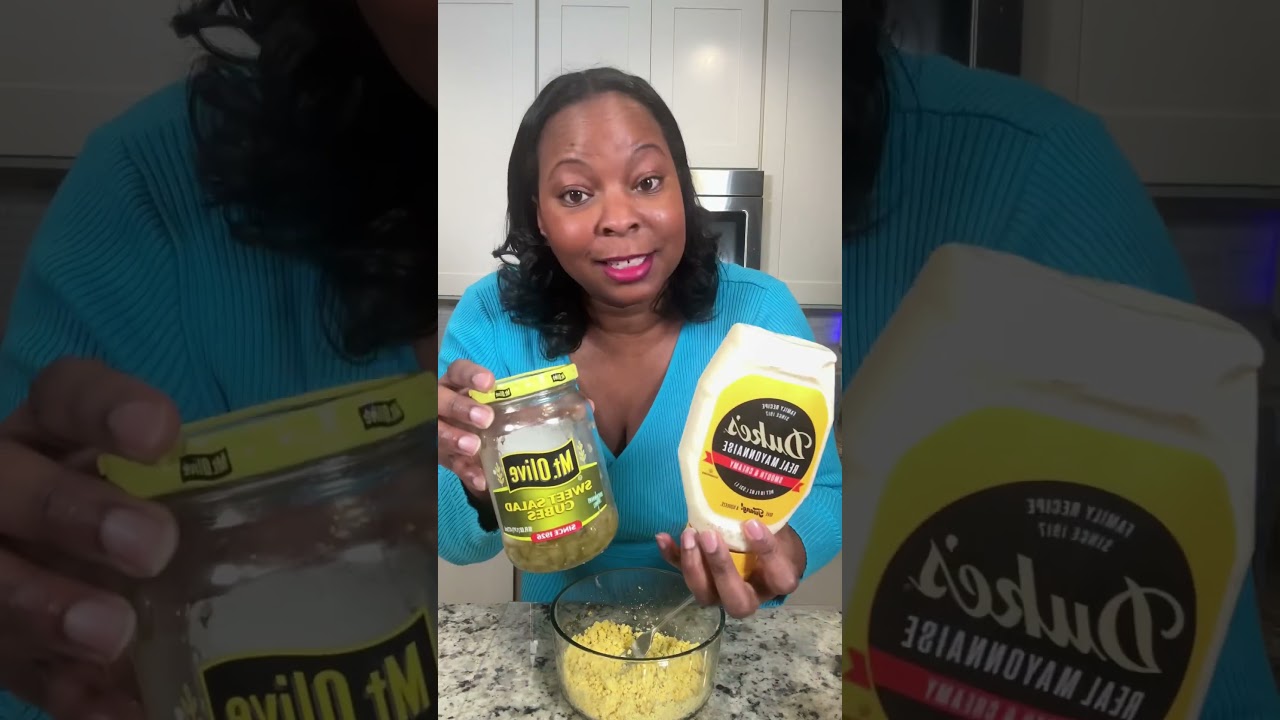
“Most deviled eggs fail at the same two points: the yolk ring is gray from overcooking, or the shell takes ten minutes per egg to peel. Both failures are solved before the eggs touch the pan — by using eggs that are 7 to 10 days old and by having the ice bath ready before the boil starts. The recipe is not the problem. The prep is.”
Why This Recipe Works
Deviled eggs have a reputation for simplicity that masks how many ways they can go wrong. The dish has exactly three components — cooked white, yolk mixture, garnish — and the failure modes are specific, predictable, and entirely avoidable once you understand what each step is doing.
The Gray Ring Is a Chemistry Problem
The discoloration around an overcooked egg yolk is iron sulfide. When eggs are held at boiling temperature past approximately 12 minutes, the sulfur compounds in the white (primarily hydrogen sulfide) migrate toward the yolk. There they encounter iron-rich proteins and react to form ferrous sulfide — a gray-green ring that is harmless but tastes faintly sulfurous and signals to anyone who knows eggs that the cook did not pay attention.
The fix is two-part. First, keep the cook time at 10–12 minutes at a gentle simmer, not a rolling boil. Second, move the eggs to an ice bath immediately. This is the step most home cooks treat as optional. It is not. Eggs hold significant residual heat after coming out of boiling water. An egg pulled at 11 minutes and left sitting in a colander continues cooking internally for 3 to 4 additional minutes. The ice bath terminates that process by dropping the surface temperature fast enough to stop the reaction before it starts.
Have the bowl of ice water ready before the eggs go in the pot. The transition from boiling water to ice bath should take under 30 seconds. That speed is the mechanism.
Egg Age Is an Input Variable
Fresh eggs (under a week old) have a mildly acidic white that is chemically bonded to the inner membrane. This is not a technique problem — it is a pH problem. No amount of careful peeling overcomes a low-pH white that refuses to separate from the shell. The egg tears. The white surface is ragged. The presentation is ruined before you even start filling.
Eggs aged 7 to 10 days have a slightly higher pH white. That small shift is enough to break the bond with the membrane, and the shell slides off cleanly under running water. This is why experienced cooks buy their party eggs a week in advance. If you only have fresh eggs, one teaspoon of baking soda added to the boiling water raises the water's alkalinity and achieves a similar result through a different mechanism.
The Filling Is a Balance Equation
The yolk mixture follows the same principles as any well-constructed sauce: fat, acid, salt, and aromatics in proportion. Mayonnaise supplies the emulsified fat base. Yellow mustard adds acid and pungency without sharpness. White vinegar tightens and brightens. Worcestershire adds a background umami note — fermented anchovy and tamarind — that makes the filling taste like it has been building flavor for longer than it has.
The most important calibration point is intensity. The filling should taste assertive in the bowl — more seasoned than seems right, slightly too salty, slightly too tangy. The egg white it fills is neutral and will absorb and dilute the flavor. Season to the finished product, not to the bowl. If the filling tastes perfectly balanced before it goes in the white, it will taste bland on the plate.
Presentation Is Part of the Recipe
A piping bag fitted with a star tip is the tool that separates a finished deviled egg from a casual one. The star tip creates a textured dome with ridges and peaks that hold their shape, give you clean geometry, and provide a surface that the smoked paprika can sit on rather than slide off. Spooning the filling produces a flat, amorphous result that reads as rushed regardless of how good it tastes.
Dry the white halves with a paper towel before filling. Wet whites make the filling slide and prevent it from gripping the cup surface. This takes five seconds per egg and makes a visible difference in how the finished product stays together on the platter.
The smoked paprika is not optional garnish. It adds a distinct flavor dimension — smoky, slightly sweet, mildly bitter — that bridges the richness of the mayo-yolk filling with the freshness of the chive. Without it, the egg tastes complete but visually underdressed. With it, the dish looks intentional. Dust immediately before service so the color stays vivid rather than absorbing into the filling.
Deviled eggs are a dish where the gap between mediocre and genuinely impressive is measured in minutes and degrees. Master the boil time. Commit to the ice bath. Everything else is preference.
Where Beginners Mess This Up
Before we start, read this. These are the 4 reasons your classic deviled eggs with fresh herbs (perfect yolks, no gray ring) will fail:
- 1
Cooking the eggs past 12 minutes: The gray-green ring around the yolk is iron sulfide — it forms when hydrogen sulfide from the egg white reacts with iron in the yolk at sustained high temperatures. This reaction initiates around 12 minutes of continuous boiling. Ten to twelve minutes at a gentle simmer is the ceiling. Set a timer from the moment the water returns to a simmer, not from when the eggs hit the pot.
- 2
Skipping the ice bath: Draining into a colander and letting the eggs sit is not an ice bath. Eggs hold residual heat and continue cooking internally for several minutes after removal from boiling water. The ice bath pulls that heat out immediately and stops the cooking process at exactly the right moment. Without it, an 11-minute boil becomes a 14-minute result.
- 3
Using eggs less than 7 days old: Fresh eggs have an acidic white that bonds tightly to the inner membrane. That bond makes peeling a fight — the white tears and the presentation is destroyed. Eggs that are 7 to 10 days old have a higher pH white that releases from the membrane cleanly. Buy eggs a week before you plan to use them, or add a teaspoon of baking soda to the boiling water if you only have fresh ones.
- 4
Filling the whites too far in advance: Egg white halves weep moisture over time. If you pipe the filling more than 2 hours before serving, the filling absorbs that liquid and turns thin, watery, and visually deflated. Fill no more than 2 hours out and keep uncovered in the refrigerator until service.
The Video Reference Library
Want to see it in action? Here are the exact videos we analyzed and combined to build this foolproof recipe translation:
The primary reference video for this recipe. Clean walkthrough of the boiling and ice bath technique with close-up details on yolk texture and filling consistency.
🛠️ Core Equipment
- Large potAt least 2 inches of water above the eggs. A cramped pot creates uneven boiling and inconsistent cook times across a batch of 9 eggs.
- Piping bag with star tipA [piping bag](/kitchen-gear/review/piping-bag) is the single tool that separates a finished-looking deviled egg from an assembled one. The star tip creates a textured dome that holds shape and provides a clean surface for garnish. A zip-lock bag with a corner snipped works in a pinch but produces a less refined result.
- Large bowl for ice bathNeeds to hold all 9 eggs fully submerged in ice water simultaneously. Chilling in batches means early eggs continue cooking while you wait. Have the bowl filled and ready before the timer starts.
- Slotted spoonFor transferring eggs gently from boiling water to ice bath without cracking the shells. Cracked shells let water into the white and affect the texture of the finished egg.
Classic Deviled Eggs with Fresh Herbs (Perfect Yolks, No Gray Ring)
🛒 Ingredients
- ✦9 large eggs, 7–10 days old
- ✦4 tablespoons mayonnaise
- ✦1 tablespoon sweet pickle relish
- ✦2 teaspoons yellow mustard
- ✦1 teaspoon fresh chives, finely minced
- ✦0.5 teaspoon white vinegar
- ✦0.25 teaspoon Worcestershire sauce
- ✦0.25 teaspoon kosher salt
- ✦0.125 teaspoon black pepper
- ✦0.125 teaspoon smoked paprika, plus more for garnish
- ✦Pinch of onion powder
- ✦Dash of hot sauce, optional
- ✦Ice for ice bath
👨🍳 Instructions
01Step 1
Fill a large bowl with ice and cold water and set aside before starting anything else.
02Step 2
Bring a large pot of water to a rolling boil over high heat, ensuring at least 2 inches of water above where the eggs will rest.
03Step 3
Using a slotted spoon, lower eggs into the boiling water one at a time. Reduce heat slightly to maintain a gentle, steady simmer rather than a violent boil.
04Step 4
Cook for exactly 10–12 minutes — 10 for slightly jammy centers, 12 for fully set yolks. Set a timer.
05Step 5
Transfer immediately to the ice bath with a slotted spoon. Submerge all eggs completely. Hold for at least 15 minutes.
06Step 6
Peel each egg under cool running water. Crack the shell all over by rolling gently on the counter, then peel starting from the wider end where the air pocket provides a natural gap.
07Step 7
Halve each egg lengthwise with a sharp knife. Pop the yolks into a mixing bowl. Pat the white halves dry with a paper towel.
08Step 8
Mash the yolks thoroughly with a fork until no large chunks remain. Add mayonnaise, relish, mustard, vinegar, Worcestershire, salt, pepper, smoked paprika, and onion powder. Mix until completely smooth.
09Step 9
Taste the filling. It should be assertive — slightly more intense than you want the finished egg to taste. The white absorbs and dilutes.
10Step 10
Transfer filling to a piping bag fitted with a star tip. Pipe generously into each white half, building a slight dome above the rim.
11Step 11
Arrange on a platter. Dust lightly with smoked paprika. Scatter fresh chives over the top. Refrigerate uncovered until serving.
Nutrition Per Serving
Estimates based on standard preparation. Adjustments alter macros.
🔄 Substitutions
Instead of Mayonnaise...
Use 3 tablespoons Greek yogurt plus 1 tablespoon mayonnaise
Tangier and lighter with a slightly thinner texture. The small amount of mayo keeps the richness from disappearing entirely. Full Greek yogurt replacement shifts the flavor profile toward tzatziki.
Instead of Yellow mustard...
Use Dijon mustard
More complex and earthy with mild bitterness. Use slightly less — Dijon is more assertive per teaspoon than yellow. Reduces the need for additional vinegar.
Instead of Sweet pickle relish...
Use Diced dill pickle plus 1 teaspoon fresh dill
Removes added sugar, adds briny tartness, makes the flavor more adult. Texture becomes slightly chunkier. Works well for those who find sweet relish cloying.
Instead of Mayonnaise (full amount)...
Use 2 tablespoons mashed avocado plus 2 tablespoons mayonnaise
Richer, more buttery texture with a subtle green tint. The avocado will oxidize after a few hours — plan accordingly and fill close to service.
🧊 Storage & Reheating
In the Fridge
Store filled eggs in an airtight container for up to 2 days. Press plastic wrap directly against the filling surface if storing overnight to prevent oxidation and drying.
In the Freezer
Do not freeze. Egg whites turn rubbery and weep liquid upon thawing. There is no recovery from this.
Reheating Rules
Deviled eggs are a cold dish. Serve straight from the refrigerator. If they have been at room temperature for more than 2 hours, discard them.
❓ Frequently Asked Questions
Why do my deviled eggs have a gray ring around the yolk?
You either overcooked the eggs, or you cooked them correctly but skipped the ice bath. The gray-green ring is iron sulfide — it forms when hydrogen sulfide from the egg white reacts with the yolk's iron at sustained high heat. Eleven to twelve minutes at a gentle simmer plus an immediate ice bath eliminates it completely.
Why are my eggs impossible to peel?
They are too fresh. Eggs less than a week old have a low-pH white that bonds tightly to the inner membrane. Use eggs that are 7 to 10 days old. If you only have fresh eggs, add one teaspoon of baking soda to the boiling water to raise the pH.
Can I make deviled eggs the day before?
Make the filling up to 24 hours ahead and refrigerate it in the piping bag. Store the peeled white halves covered in the fridge. Fill no more than 2 hours before serving — assembled eggs weep moisture over time and the presentation degrades.
My filling is too runny. How do I fix it?
Add another mashed yolk, one at a time, until the consistency firms up. If you are out of yolks, a teaspoon of cream cheese will thicken the filling without significantly altering the flavor.
How many deviled eggs does this recipe make?
Nine eggs yield 18 halves. Budget 2 to 3 halves per person as an appetizer. This recipe serves 6 modestly or 4 generously.
Do I need a piping bag?
Not strictly, but the result looks noticeably different. A spoon produces a flat, casual fill. A piping bag with a star tip produces a domed, textured fill that holds its shape and looks deliberate. A zip-lock bag with a corner snipped is a workable middle option.
The Science of
Classic Deviled Eggs with Fresh Herbs (Perfect Yolks, No Gray Ring)
We turned everything on this page into a beautiful, flour-proof PDF cheat sheet. Print it out, stick it to your fridge, and never mess up your classic deviled eggs with fresh herbs (perfect yolks, no gray ring) again.
*We'll email you the high-res PDF instantly. No spam, just perfectly cooked meals.
AlmostChefs Editorial Team
We translate the internet's most popular cooking videos into foolproof, beginner-friendly written recipes. We analyze multiple methods, test them in our kitchen, and engineer a single "Master Recipe" that gives you the best possible result with the least possible stress.