The Real Dan Dan Noodles (Stop Ordering Takeout)
Chewy wheat noodles coated in a rich, numbing sesame-peanut sauce with browned ground pork and crispy toppings — Sichuan street food done right at home in 25 minutes. We broke down the sauce ratios and cooking order so every bowl hits the same complex, layered heat as the real thing.
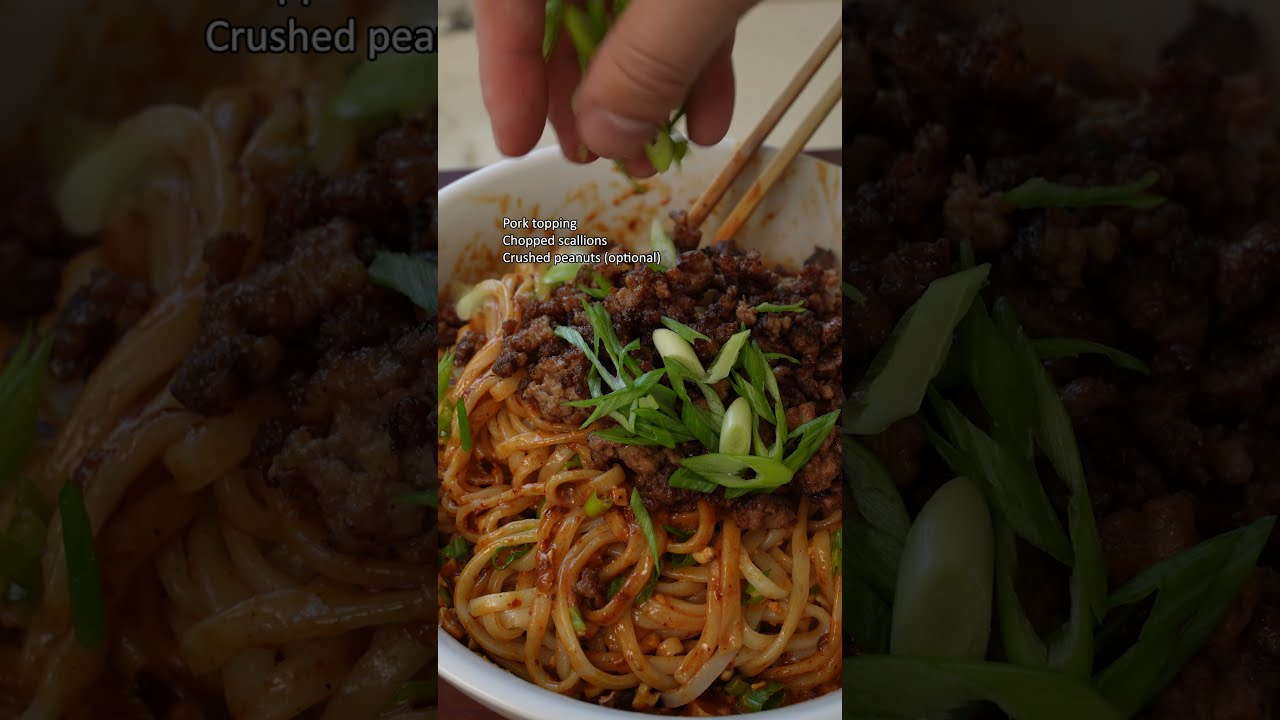
“Dan Dan Noodles has one of the most recognizable flavor profiles in all of Chinese cooking — that specific combination of numbing Sichuan heat, creamy sesame, and savory browned pork. And yet most people only know the takeout version, which is usually oversalted, undersauced, and sitting in a pool of separated oil by the time it arrives. Making this at home takes 25 minutes. The sauce takes less than two.”
Why This Recipe Works
Dan Dan Noodles is one of those dishes that sounds complicated until you understand what it actually is: a bowl built in three parts — noodles, meat, sauce — that come together in the last 30 seconds. The complexity is all in the sauce chemistry, and once you understand the ratios, you can make this from memory.
The Sauce Is the Whole Point
Everything else in this dish is support. The ground pork is savory scaffolding. The bok choy adds texture. The broth carries the heat through the bowl. But the peanut-sesame sauce is the reason people eat Dan Dan Noodles specifically and not any other noodle dish.
The ratio here is critical: peanut butter to sesame paste at roughly 3:2, enough soy sauce for salt and umami, rice vinegar to cut the richness, and a touch of honey to round out the edges. What most home recipes get wrong is leaving out the thinning step — peanut butter straight from the jar is too thick to coat noodles evenly. A quarter cup of warm broth whisked in at the end brings the sauce to a consistency that clings to each strand without pooling at the bottom of the bowl.
The Sichuan peppercorn is non-negotiable. Red chili adds heat. Sichuan peppercorn adds the má — the electric numbing sensation that makes the heat spread and linger differently than ordinary spice. Without it, you have spicy peanut noodles. With it, you have Dan Dan. Don't skip it, and don't use stale pre-ground powder. Buy whole peppercorns and grind them yourself in a spice grinder right before cooking.
The Pork Problem
Ground pork is cheap, widely available, and the traditional protein in this dish for good reason — it has enough fat to stay moist during quick high-heat cooking and enough neutral flavor to absorb the garlic-ginger base without fighting it. The mistake most cooks make is treating it like a background ingredient and not giving it enough time to brown.
Brown pork has a fundamentally different flavor profile than grey pork. The Maillard reaction converts surface proteins and sugars into hundreds of new aromatic compounds — the same chemistry that makes a seared steak taste better than a boiled one. In a wide skillet or wok, let the pork sit in the hot oil for two full minutes before stirring. You want edges with color, not a uniform pale mass.
Noodle Timing and Order of Operations
The whole dish takes 25 minutes because of smart parallelism. The noodles cook for 8-10 minutes. During those same minutes, you build the sauce in a bowl, brown the meat, and wilt the bok choy. Everything finishes at the same time and gets assembled in one bowl.
The assembly order matters more than most recipes acknowledge. Noodles first, then hot broth and meat, then sauce on top. Pouring the hot broth over the noodles before the sauce keeps the noodles from clumping and warms the bowl from the bottom. The sauce goes on last and gets folded in — not stirred — so it coats rather than pooling. Tongs work better than spoons here.
Why Homemade Beats Takeout
Takeout Dan Dan has two problems: it sits. The noodles absorb sauce and broth during delivery, the pork loses its texture, and the fat separates. The dish exists in a 10-minute window when everything is hot, coated, and properly balanced. You cannot replicate that in a delivery container.
Making it at home in 25 minutes doesn't just save money — it means you eat it at the moment it's actually good.
Where Beginners Mess This Up
Before we start, read this. These are the 4 reasons your the real dan dan noodles (stop ordering takeout) will fail:
- 1
Overcooking the noodles: Dan Dan is a noodle dish, which means the noodles are the main event. They should be cooked just until tender — still with a little resistance. Overcooked noodles turn to paste the moment you pour the hot broth over them. Cook to the low end of the package range, then drain immediately.
- 2
Building the sauce cold: Peanut butter and sesame paste seize and clump when cold. Whisk the sauce ingredients at room temperature and thin with a splash of warm broth before dressing the noodles. Cold, thick sauce sits on top of the noodles rather than coating them.
- 3
Skipping the Sichuan peppercorn: Regular chili heat and Sichuan heat are not the same thing. Sichuan peppercorns create a má — a buzzing, electric numbness that makes the spice bloom differently on your tongue. Omitting them produces a dish that tastes like spicy peanut noodles, not Dan Dan. They're worth finding.
- 4
Not browning the pork properly: The ground pork needs to brown, not steam. Overcrowding the pan traps moisture and the meat turns grey and bland. Cook over medium-high heat and break it into small pieces without stirring too aggressively — you want some caramelized edges, not a gray mass.
The Video Reference Library
Want to see it in action? Here are the exact videos we analyzed and combined to build this foolproof recipe translation:
The source video for this recipe. Covers the sauce ratio, pork preparation, and the specific numbing heat profile that makes Dan Dan distinct from other chili noodle dishes.
🛠️ Core Equipment
- Large wok or wide skilletSurface area is everything for browning ground meat quickly. A narrow pan traps steam and stews the pork instead of searing it. The wider the pan, the better the brown.
- Small mixing bowl for sauceThe sauce comes together by hand in under two minutes. Whisking in a bowl rather than adding ingredients directly to the noodles gives you control over consistency before committing.
- Large pot for boiling noodlesNoodles need room to move. A small pot causes clumping and uneven cooking. Use the biggest pot you have and salt the water aggressively — it's the only chance to season the noodles themselves.
The Real Dan Dan Noodles (Stop Ordering Takeout)
🛒 Ingredients
- ✦8 ounces fresh egg noodles or ramen noodles
- ✦6 ounces ground pork or ground turkey
- ✦3 tablespoons natural peanut butter
- ✦2 tablespoons sesame paste or tahini
- ✦2 tablespoons low-sodium soy sauce
- ✦1 tablespoon rice vinegar
- ✦1 tablespoon honey or agave nectar
- ✦2 teaspoons sesame oil
- ✦1 teaspoon Sichuan peppercorn powder
- ✦1/2 teaspoon red chili flakes or chili oil
- ✦3 cloves garlic, minced
- ✦1 tablespoon fresh ginger, minced
- ✦2 cups vegetable or chicken broth
- ✦2 cups fresh baby bok choy, chopped
- ✦2 green onions, thinly sliced
- ✦1/4 cup roasted peanuts, roughly chopped
- ✦1 tablespoon neutral oil for cooking
- ✦1/4 teaspoon white pepper
👨🍳 Instructions
01Step 1
Bring a large pot of heavily salted water to a rolling boil. Cook the noodles according to package directions until just tender. Drain thoroughly and transfer to a large serving bowl.
02Step 2
While the noodles cook, whisk together peanut butter, sesame paste, soy sauce, rice vinegar, honey, and sesame oil in a small bowl until completely smooth.
03Step 3
Stir the Sichuan peppercorn powder and chili flakes into the sauce. Add 1/4 cup of the broth and whisk until the sauce is pourable but not watery. Set aside.
04Step 4
Heat the neutral oil in a large wok or skillet over medium-high heat. Add the garlic and ginger and cook for 1 minute until fragrant — do not let them burn.
05Step 5
Add the ground pork to the pan. Break it into small pieces and cook without stirring for 2 minutes to develop a crust, then continue breaking apart and cooking until fully browned, about 5-6 minutes total.
06Step 6
Pour the remaining 1.75 cups of broth into the skillet and bring to a gentle simmer.
07Step 7
Add the chopped bok choy and cook until tender-crisp, about 3-4 minutes.
08Step 8
Pour the hot broth, meat, and bok choy over the noodles in the serving bowl.
09Step 9
Drizzle the peanut-sesame sauce generously over the top. Sprinkle white pepper over the bowl. Toss everything together until the noodles are evenly coated.
10Step 10
Top with sliced green onions and chopped roasted peanuts. Serve immediately.
Nutrition Per Serving
Estimates based on standard preparation. Adjustments alter macros.
🔄 Substitutions
Instead of Ground pork...
Use Ground chicken or ground turkey
Slightly milder flavor but maintains the savory umami quality. Turkey in particular browns well if you let it sit before stirring.
Instead of Egg noodles...
Use Whole wheat noodles or legume-based noodles
Earthier, nuttier flavor with a firmer texture. Adds fiber and slows the glycemic response. Cook time stays the same.
Instead of Peanut butter and sesame paste...
Use Almond butter and tahini
Slightly more delicate nutty flavor that lets the Sichuan peppercorn and ginger come through more prominently. Works well.
Instead of Soy sauce...
Use Tamari or coconut aminos
Tamari is gluten-free and slightly less sharp. Coconut aminos bring subtle sweetness — reduce the honey by half if you swap in coconut aminos.
🧊 Storage & Reheating
In the Fridge
Store noodles and sauce separately for best results — combined, the noodles absorb the sauce and dry out overnight. Sauce keeps up to 1 week. Noodles and meat keep up to 3 days.
In the Freezer
The cooked pork mixture freezes well for up to 2 months. Freeze flat in a zip bag. The noodles do not freeze well — cook fresh when reheating.
Reheating Rules
Reheat the meat and broth in a saucepan over medium heat, then pour over freshly cooked noodles. Re-whisk the sauce with a splash of warm water if it's thickened in the fridge.
❓ Frequently Asked Questions
What is mala and why does it matter in Dan Dan Noodles?
Mala is the Chinese term for the combination of numbing (má) and spicy (là) sensations that defines Sichuan cooking. The numbing comes specifically from Sichuan peppercorns, which contain a compound called hydroxy-alpha sanshool that creates a tingling, buzzing sensation on the tongue. This is chemically distinct from capsaicin heat. In Dan Dan Noodles, the mala effect makes the spice bloom differently — it spreads and lingers rather than hitting and fading.
Can I make this vegetarian?
Yes. Omit the ground pork and replace it with finely crumbled firm tofu or finely chopped shiitake mushrooms, browned in the same oil with garlic and ginger. Use vegetable broth. The sauce is already vegetarian. The umami depth changes but the dish holds together well.
Why does my sauce separate and look oily?
The sauce separates when it's either too hot or the ratio of fat to emulsifier is off. Make sure your peanut butter and sesame paste are at room temperature before whisking. Adding the broth gradually while whisking — rather than all at once — keeps the emulsion stable.
What's the difference between sesame paste and tahini?
Both are ground sesame seed pastes, but Chinese sesame paste is made from toasted sesame seeds, giving it a deeper, roasted, slightly bitter flavor. Tahini is made from raw or lightly toasted seeds and tastes milder and nuttier. Either works here, but Chinese sesame paste is more authentic to the dish. If using tahini, add a few extra drops of sesame oil to deepen the flavor.
Can I serve this cold?
Yes, and it's excellent that way. Cold Dan Dan Noodles (similar to Taiwanese cold sesame noodles) work well in summer. Let the noodles cool completely, toss with sauce, and refrigerate. The Sichuan heat is less aggressive cold — add extra chili if you want the full mala effect.
Is this dish actually from street food stalls?
Yes. The name literally refers to the carrying pole (dandan) that street vendors balanced across their shoulders, with a pot of noodles on one end and the sauce and toppings on the other. Traditional Dan Dan was a dry noodle dish — no broth — served in small portions. The brothier, American-Chinese version is a later adaptation. Both are legitimate. This recipe lands between the two.
The Science of
The Real Dan Dan Noodles (Stop Ordering Takeout)
We turned everything on this page into a beautiful, flour-proof PDF cheat sheet. Print it out, stick it to your fridge, and never mess up your the real dan dan noodles (stop ordering takeout) again.
*We'll email you the high-res PDF instantly. No spam, just perfectly cooked meals.
AlmostChefs Editorial Team
We translate the internet's most popular cooking videos into foolproof, beginner-friendly written recipes. We analyze multiple methods, test them in our kitchen, and engineer a single "Master Recipe" that gives you the best possible result with the least possible stress.