The Real Dal Tadka (Your Weeknight Needs This)
Creamy split yellow lentils simmered with fresh aromatics and tomatoes, finished with a dramatic hot-oil tempering of cumin and asafetida. We synthesized the most reliable techniques to produce a silky, deeply spiced dal that rivals the restaurant version — vegan, high-protein, and done in under an hour.
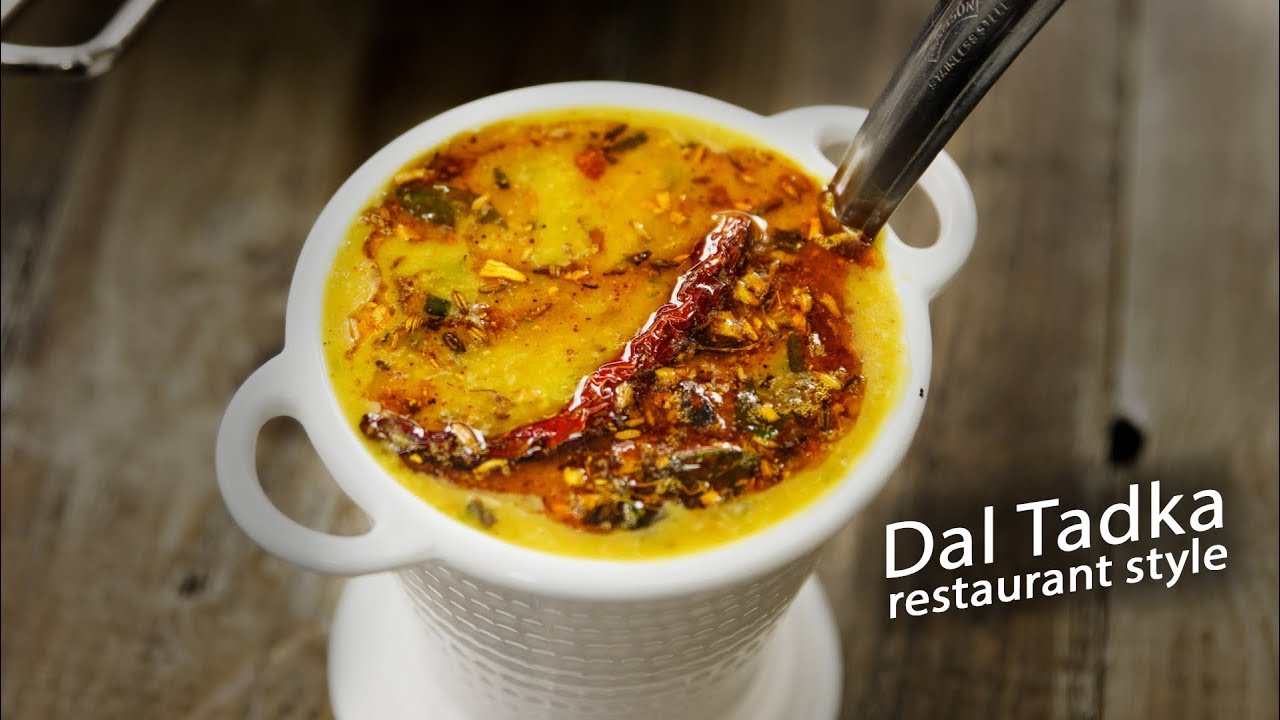
“Dal tadka is the dish Indian home cooks make when they want something that tastes like it took all day but actually took forty minutes. The comfort is real. But most recipes either undercook the lentils into a gritty soup or skip the tempering step entirely — which is like making carbonara and forgetting the egg. The tadka is not a garnish. It is the dish. Get that right and everything else follows.”
Why This Recipe Works
Dal tadka is deceptively simple. Lentils, a handful of spices, one dramatic finishing move. The technique is not complicated. But the margin between a dal that tastes alive and one that tastes like lentil soup from a can is surprisingly thin, and it lives almost entirely in two places: the aromatics and the tadka.
The Lentil Base
Split yellow moong dal cooks faster and softer than most legumes — no overnight soak, no pressure cooker required. What it does need is patience. The lentils want to simmer uncovered at medium heat until they fully dissolve into each other. Rushing them with high heat produces a texture that is simultaneously overcooked on the outside and chalky in the center. Low and slow is the mechanism. Twenty-five to thirty minutes of steady simmering produces the creamy, porridge-like consistency that makes this dish what it is.
Rinse the lentils until the water runs clear. This is not optional fussiness — it is the difference between a bright, clean-tasting dal and a cloudy, starchy one. The surface coating on split lentils dissolves into the cooking water if not removed, and it produces a gluey mouthfeel that no amount of spicing can fix.
The Aromatic Foundation
The sauté — onion, garlic, ginger, green chilies, tomatoes — is not just flavor support. It is the structural base of the dish. Every component needs to be cooked to the right stage before the next one enters the pan. Onions go in first and cook to deep golden-brown, seven full minutes at medium heat. Not blonde. Not translucent. Golden-brown, with dark edges. That color represents concentrated sugars and the Maillard reaction doing actual flavor work.
Garlic and ginger go in next, and they cook until the raw punch fades — about ninety seconds. Add them too early and they burn; add them too late and they're still sharp when the tomatoes go in. The tomatoes follow last and cook down until they surrender their liquid and collapse into the base. This produces a thick, jammy aromatic paste that will carry every spice you add to it.
The Tadka
The word tadka means tempering — the technique of blooming whole or coarsely ground spices in very hot fat and pouring them directly over a finished dish. It is common across South Asian cooking, and in dal tadka it is the defining moment. The dish is named for this step. Do it wrong and you have acceptable lentil soup. Do it right and you have something that smells like a restaurant kitchen.
The fat must be genuinely hot before the cumin seeds hit it. Test with a single seed — if it crackles and skitters immediately, you're ready. If it just sinks and sits there, the oil is too cool and your cumin will stew rather than toast. Twenty to thirty seconds of active crackle is all you need. The seeds should darken slightly and release a sharp, warm, nutty aroma. The moment that happens, the pan comes off the heat and the oil gets poured directly onto the surface of the dal. Not stirred in. Poured over. Let it sizzle. That sizzle is the aromatic compounds in the cumin hitting the moist lentil surface and vaporizing. You want to preserve that reaction, not smother it.
A fine-mesh sieve for the lentil rinse and a small heavy skillet for the tadka are the only two pieces of equipment that actually matter here. Everything else is just a pot and a spoon.
The Finish
Lime juice and fresh cilantro go in at the very end. Acid added during cooking dulls the color of the lentils and flattens the spice profile. Added after the heat is off, it cuts through the richness of the coconut oil and makes every other flavor sharper and cleaner. Kasuri methi — dried fenugreek leaves — is optional but worth tracking down. Crush a pinch between your palms before adding. The faint maple-bitter aroma it releases is the note that makes people ask what restaurant delivered this.
Where Beginners Mess This Up
Before we start, read this. These are the 4 reasons your the real dal tadka (your weeknight needs this) will fail:
- 1
Not rinsing the lentils until the water runs clear: Split yellow lentils are coated in surface starch that, if not rinsed away, creates a cloudy, gluey dal instead of a clean, creamy one. Run cold water over them, stir with your fingers, and repeat until the water is transparent. Two minutes of rinsing prevents twenty minutes of wondering why the texture is off.
- 2
Cooking the tadka in barely-warm oil: The tempering only works if the oil is hot enough to make the cumin seeds crackle immediately on contact — not sizzle quietly, but crackle. If you add seeds to lukewarm oil, they stew instead of toast, and you lose the entire point of the technique. The oil should ripple and shimmer before anything touches it.
- 3
Rushing the onion sauté: Five minutes of onion cooking produces sharp, undercooked allium flavor that fights everything else in the bowl. Seven minutes produces soft, sweet, golden-brown onions that dissolve into the base and build the dal's backbone. The difference is two minutes and it is not negotiable.
- 4
Adding the tadka too early and covering it: Pour the hot cumin oil over the finished dal and do not stir it in immediately. Let it sizzle on the surface for ten seconds. That sizzle is the volatile aromatic compounds in the cumin hitting the moist dal and releasing. Stir too fast, and you stop the reaction. Cover the pot, and you trap steam that softens the tadka instead of letting it do its work.
The Video Reference Library
Want to see it in action? Here are the exact videos we analyzed and combined to build this foolproof recipe translation:
The primary reference video. Clear breakdown of the simmering stages and close-up of what properly crackling cumin looks like in hot oil. Essential for first-timers.
🛠️ Core Equipment
- Heavy-bottomed pot or Dutch ovenEven heat distribution prevents the lentils from scorching on the bottom during the 25-30 minute simmer. Thin pots create hot spots that burn the dal while the rest stays undercooked. A [Dutch oven](/kitchen-gear/review/dutch-oven) is ideal.
- Fine-mesh sieveFor rinsing and draining the lentils thoroughly. A colander with large holes lets too much starch-coated water back in. Fine mesh keeps the rinse honest.
- Small heavy skillet for the tadkaThe tempering pan needs to heat fast and stay hot. A thin pan cools too quickly when the cumin hits it and kills the crackle. Cast iron or stainless steel both work.
- Ladle or deep spoonFor pouring the tadka over the dal in a single confident motion. Hesitation means half the oil hits the rim of the pot instead of the surface.
The Real Dal Tadka (Your Weeknight Needs This)
🛒 Ingredients
- ✦1 cup dried split yellow lentils (moong dal)
- ✦4 cups filtered water
- ✦1/2 teaspoon turmeric powder
- ✦1 medium yellow onion, finely diced
- ✦4 cloves fresh garlic, minced
- ✦1 tablespoon fresh ginger, grated
- ✦1 to 2 fresh green chilies, finely chopped
- ✦2 medium vine-ripened tomatoes, diced small
- ✦1/4 teaspoon asafetida (hing)
- ✦1/2 to 1 teaspoon red chili powder
- ✦1/4 teaspoon garam masala
- ✦Sea salt to taste
- ✦3 tablespoons virgin coconut oil or cold-pressed vegetable oil
- ✦1 teaspoon cumin seeds
- ✦2 tablespoons fresh cilantro, roughly chopped
- ✦1 to 2 tablespoons fresh lime juice
- ✦Optional: 1 teaspoon kasuri methi (dried fenugreek leaves)
👨🍳 Instructions
01Step 1
Rinse the split yellow lentils thoroughly under cool running water, stirring with your fingers until the water runs completely clear. Drain well in a fine-mesh sieve.
02Step 2
Bring 4 cups of filtered water to a rolling boil in a large heavy-bottomed pot over medium-high heat. Add the drained lentils and asafetida. Stir gently to prevent sticking.
03Step 3
Reduce heat to medium and simmer uncovered for 15 to 20 minutes, stirring occasionally, until the lentils begin to soften and break down slightly.
04Step 4
While the lentils simmer, heat 2 tablespoons of coconut oil in a skillet over medium heat until shimmering. Add the diced onion and sauté for 5 to 7 minutes, stirring frequently, until deep golden brown.
05Step 5
Add the minced garlic and grated ginger to the onions. Cook for 1 to 2 minutes until the raw smell fades.
06Step 6
Add the chopped green chilies and cook 30 seconds, then add the diced tomatoes. Cook for 3 to 4 minutes, stirring, until the tomatoes soften and release their juices.
07Step 7
Pour the entire sautéed mixture into the simmering lentils. Add the turmeric and red chili powder. Stir well to combine.
08Step 8
Continue simmering for another 10 to 15 minutes over medium heat until the lentils are completely tender and the dal has reached a creamy, porridge-like consistency.
09Step 9
Season with sea salt and garam masala. Taste and adjust — the dal should be savory, slightly tangy from the tomatoes, and warmly spiced.
10Step 10
For the tadka: heat the remaining 1 tablespoon of coconut oil in a small skillet over medium-high heat until it ripples visibly, about 1 minute.
11Step 11
Add the cumin seeds. Let them crackle and toast for 20 to 30 seconds until they deepen in color and release a nutty aroma. Do not walk away.
12Step 12
Immediately pour the hot cumin oil directly over the surface of the finished dal. Let it sizzle for 10 seconds before stirring.
13Step 13
Stir in the fresh lime juice, scatter cilantro over the top, and add kasuri methi if using. Serve immediately with steamed rice or warm naan.
Nutrition Per Serving
Estimates based on standard preparation. Adjustments alter macros.
🔄 Substitutions
Instead of Ghee...
Use Virgin coconut oil
Slight coconut undertone but the richness and tempering performance are nearly identical. Coconut oil actually has a higher smoke point, which helps with the tadka.
Instead of Split yellow lentils (moong dal)...
Use Split red lentils (masoor dal)
Cooks 5 minutes faster and turns even creamier. The color shifts to a softer golden-orange. Flavor is slightly milder but the technique is identical.
Instead of Fresh ginger...
Use 1/2 teaspoon dried ground ginger
Dried ginger is more concentrated — use half the amount. Flavor is sharper and less aromatic than fresh, but works well for weeknight speed.
Instead of Fresh lime juice...
Use 2 tablespoons apple cider vinegar
More pronounced tangy bite without the citrus brightness. Adds acidity and aids lentil digestion. Not identical but effective.
🧊 Storage & Reheating
In the Fridge
Store in an airtight container for up to 4 days. The dal will thicken considerably in the fridge — this is normal. It loosens when reheated.
In the Freezer
Freeze in portions for up to 2 months. Thaw overnight in the fridge before reheating. The texture holds well through freezing.
Reheating Rules
Add 2 to 3 tablespoons of water per serving, cover, and reheat gently over low heat, stirring occasionally. Avoid high heat — it scorches the bottom and dulls the spices. A fresh squeeze of lime juice after reheating restores brightness.
❓ Frequently Asked Questions
Why is my dal grainy instead of creamy?
The lentils didn't cook long enough, or the heat was too high. Split yellow lentils need sustained medium heat to fully break down. High heat causes the outside of each lentil to overcook before the inside softens, leaving a grainy texture. Simmer longer on lower heat and stir more frequently.
What is asafetida and can I skip it?
Asafetida (hing) is a dried resin with a pungent sulfurous smell that transforms into a mild savory-onion flavor when cooked in hot oil. You can skip it, but the dal loses a layer of depth that's hard to replicate. Most Indian grocery stores carry it. A small jar lasts months.
My cumin seeds burned before the tadka was ready. What went wrong?
The oil was too hot, or you walked away. Cumin seeds go from golden to scorched in about 15 seconds at high heat. Watch them constantly. The moment they darken and smell nutty — not bitter — pull the pan off the heat and pour immediately.
Can I make this in an Instant Pot?
Yes. Pressure cook the rinsed lentils with water, turmeric, and asafetida on high for 8 minutes, then natural release for 10. Meanwhile, make the sauté and tadka on the stovetop. Combine and proceed from step 8. The texture will be slightly softer but the flavor is identical.
Is this actually vegan?
This recipe uses coconut oil instead of traditional ghee, making it fully vegan. The original dal tadka uses ghee for both the sauté and the tempering — if you're not cooking vegan, ghee produces a richer, nuttier result.
Why does my dal look pale and yellow instead of golden-orange?
The tomatoes weren't cooked down long enough, or you used too little chili powder. The color comes from the caramelized tomato-onion base and the turmeric. Make sure the tomatoes break down fully and release all their liquid before combining with the lentils.

The Science of
The Real Dal Tadka (Your Weeknight Needs This)
We turned everything on this page into a beautiful, flour-proof PDF cheat sheet. Print it out, stick it to your fridge, and never mess up your the real dal tadka (your weeknight needs this) again.
*We'll email you the high-res PDF instantly. No spam, just perfectly cooked meals.
AlmostChefs Editorial Team
We translate the internet's most popular cooking videos into foolproof, beginner-friendly written recipes. We analyze multiple methods, test them in our kitchen, and engineer a single "Master Recipe" that gives you the best possible result with the least possible stress.