Fiery Dakdoritang (The Korean Spicy Chicken Stew You've Been Missing)
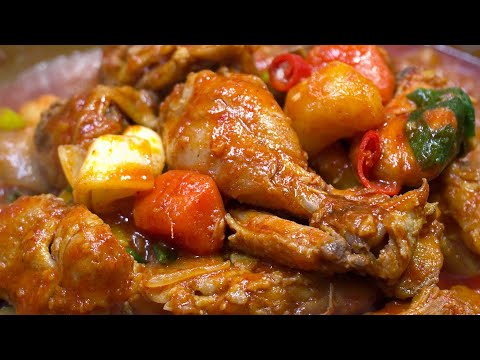
A bold, gochujang-based Korean spicy chicken stew with tender parboiled chicken, chunky potatoes, and carrots simmered in a glossy, deeply savory sauce. We broke down the most-watched Korean home cooking videos to give you one clean technique that nails the heat balance every time.

“Most people who make dakdoritang at home end up with either watery sauce or rubbery chicken. The fix is not a better spice ratio — it's understanding why you parboil the chicken first, and why you stir-fry the sauce before adding water. Two steps most recipes skip. Get those right and everything else falls into place.”
Why This Recipe Works
Dakdoritang is one of those Korean dishes that looks approachable until you make it wrong twice in a row. The ingredient list is short. The technique seems obvious. And yet most first attempts produce either a thin, vaguely spicy broth or a charred paste stuck to the bottom of the pot. The gap between average and excellent comes down to two decisions made in the first ten minutes of cooking.
Why You Parboil
The chicken goes into plain boiling water before any sauce touches it. Five minutes. Drain, rinse, proceed. This step — 닭 삶아주기 — strips away blood, bone marrow seepage, and the gray foam that accumulates when cold protein hits hot liquid. It is not glamorous. It is not technically interesting. But it is the reason Korean home cooks describe this dish as 깔끔하고 정말 맛있어요 — clean and truly delicious. Clean is the operative word.
Without the parboil, those impurities end up in your sauce. The flavor turns slightly muddy. The color goes from vivid brick-red to brownish-red. The sauce never quite achieves the glossy, clean finish that makes the dish look and taste right. The parboil costs you five minutes and gains you a fundamentally better stew.
The Stir-Fry Window
Here is where most home cooks lose the dish. After the parboil, you combine the sauce — gochujang, gochugaru, jin ganjang, garlic, ginger jam, tuna sauce — and coat the chicken with it. Then you stir-fry that coated chicken in the pot, over medium-high heat, for 3-4 minutes before a single drop of water goes in.
This window is everything. The gochujang paste contains fermented sugars and proteins that caramelize under direct heat. The garlic blooms in the sesame oil. The tuna sauce concentrates. What you get is a deeply complex base flavor that no amount of simmering can replicate if you skip this step and go straight to adding water. Adding liquid too early dilutes the sauce before it has a chance to build.
Watch for the moment the sauce darkens slightly and the kitchen starts to smell genuinely fragrant — nutty, sweet-spicy, complex. That is your signal to add water. Not before.
Vegetable Architecture
Cut the potatoes large — roughly the same footprint as your chicken pieces. This is not laziness. Potatoes are the natural thickener in dakdoritang. As they simmer, they release starch into the surrounding liquid, building the sauce's body organically over 15-20 minutes. If you cut them small, they dissolve before the sauce has developed, turning it starchy and heavy. Large chunks contribute gradually and hold their shape through service.
Carrots go in at the same time as potatoes. Onion, green onion, and peppers go in later — they need only 5 minutes and wilt into nothing if added early. The sequencing gives each vegetable the right texture at the right moment.
The Sauce Reduction Endpoint
Dakdoritang is done when the sauce is glossy and clings visibly to the chicken pieces when you lift them. The surface of the stew should look slightly lacquered, not watery. If you can see the sauce pool loosely in the bottom of the pot, keep the heat up and wait. The potatoes are still releasing their starch.
Simmer uncovered throughout. Covered, the steam traps moisture and fights the reduction you need. A wide braising pan accelerates this because the larger surface area increases evaporation rate — if you have one, use it.
The Umami Stack
Tuna sauce (참치액) is an underused ingredient in Western Korean cooking coverage. It is fermented, intensely savory, and in the finished stew it reads as depth and roundness rather than anything identifiably seafood-adjacent. The ginger jam (생강청) does something similar — it mutes the sharp edge of raw ginger and adds a low sweetness that keeps the heat from reading as aggressive. These two ingredients, working together with gochujang and jin ganjang, are why dakdoritang has a layered savory quality that goes beyond its simple ingredient list.
The soju acts as a deglazer and a tenderizer. The alcohol cooks off within the first minute of stir-frying, but it lifts any caramelized bits from the pot surface and carries aromatic compounds through the sauce. It is not optional.
Where Beginners Mess This Up
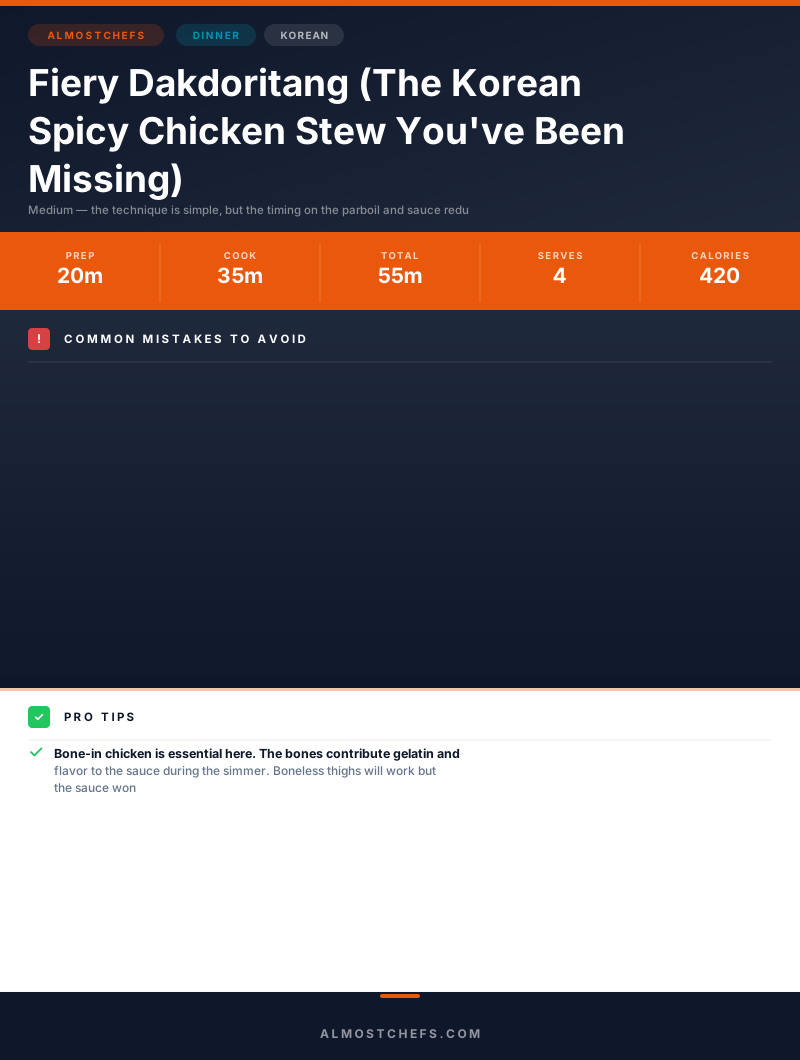
Before we start, read this. These are the 4 reasons your fiery dakdoritang (the korean spicy chicken stew you've been missing) will fail:
- 1
Skipping the parboil: Parboiling the chicken in plain water for a few minutes removes blood, impurities, and excess fat before any seasoning happens. Skip this and the final broth turns murky and slightly bitter. The creator specifically calls this step out — 깔끔하고 정말 맛있어요 (clean and truly delicious) — and the parboil is why.
- 2
Adding the sauce and water at the same time: The gochujang, ganjang, and garlic need direct contact with hot oil and the chicken surface to bloom. If you pour in water before the sauce has caramelized even slightly, you get diluted red water instead of a rich, glossy coating. Stir-fry the seasoned chicken for at least 2-3 minutes before introducing any liquid.
- 3
Cutting the vegetables too small: Potatoes and carrots need to be cut into large chunks — think roughly the size of your chicken pieces. Small cuts disintegrate after 20 minutes of simmering and turn the sauce starchy and heavy. Large pieces hold their shape and give the stew the textural contrast it needs.
- 4
Pulling the stew before the sauce reduces: The final simmer is where the sauce transforms from thin liquid into a glossy, clinging coating. Serve it too early and you have soup. Give it the full 15-20 minutes and the potatoes will have released their starch into the sauce, thickening it naturally into something that clings to every piece of chicken.
The Video Reference Library
Want to see it in action? Here are the exact videos we analyzed and combined to build this foolproof recipe translation:
🛠️ Core Equipment
- Large heavy-bottomed pot or Dutch ovenThe stir-frying phase requires even, high heat across the base. A thin pot scorches the gochujang paste before the chicken gets any color. A [Dutch oven](/kitchen-gear/review/dutch-oven) gives you browning control without burning.
- Wide shallow braising panIf you have one, it's ideal for the final simmer — the wider surface area accelerates sauce reduction and gives you more evaporation. A tall stockpot traps too much steam and slows the glaze.
- TongsFor flipping chicken pieces during the stir-fry phase without breaking them. You want even caramelization on the sauce coating before water goes in. Chopsticks work for smaller pieces but tongs give better control on larger bone-in cuts.
- Large colanderFor draining the parboiled chicken and rinsing off the impurities. The cleaner the chicken going into the seasoning phase, the cleaner the final broth.
Fiery Dakdoritang (The Korean Spicy Chicken Stew You've Been Missing)
🛒 Ingredients
- ✦1.4 kg chicken, bone-in pieces (닭)
- ✦3 medium potatoes, peeled and cut into large chunks (감자)
- ✦1/2 carrot, cut into thick rounds (당근)
- ✦1/2 onion, cut into wedges (양파)
- ✦1 green onion (대파), cut into sections, whites and greens separated
- ✦7 spicy Korean peppers (고추), sliced
- ✦1 tablespoon cooking oil (식용유)
- ✦2 tablespoons sesame oil (참기름)
- ✦3 tablespoons soju (소주)
- ✦2 tablespoons minced garlic (다진마늘)
- ✦2 tablespoons jin ganjang — dark soy sauce (진간장)
- ✦1 tablespoon ginger jam (생강청)
- ✦2 tablespoons gochujang — Korean red pepper paste (고추장)
- ✦1 tablespoon gochugaru — Korean red pepper flakes (고춧가루)
- ✦2 tablespoons tuna sauce (참치액)
- ✦600 ml water (물)
- ✦2 tablespoons corn syrup (올리고당)
- ✦Freshly ground black pepper to taste (후추)
👨🍳 Instructions
01Step 1
Place chicken pieces in a large pot, cover with cold water, and bring to a boil. Boil for 5 minutes, then drain and rinse each piece under cold running water.
02Step 2
Peel and cut potatoes into large chunks roughly the size of your chicken pieces. Cut carrot into thick diagonal rounds. Slice onion into wedges. Chop green onion into sections, separating whites and greens. Slice peppers.
03Step 3
In a bowl, combine gochujang, gochugaru, jin ganjang, minced garlic, ginger jam, tuna sauce, soju, cooking oil, sesame oil, and corn syrup. Stir into a uniform paste.
04Step 4
Heat a large pot over medium-high heat. Add the parboiled chicken pieces and pour the sauce over them. Toss well to coat every surface.
05Step 5
Stir-fry the coated chicken for 3-4 minutes until the sauce begins to caramelize and stick to the meat. You should see the gochujang darken slightly and smell nutty and fragrant.
06Step 6
Pour in 600 ml water and bring to a boil. Add the potato chunks and carrot rounds. Stir to combine.
07Step 7
Reduce heat to medium and simmer uncovered for 15-20 minutes until the potatoes are fully tender and the sauce has thickened and reduced.
08Step 8
Add the onion wedges, green onion whites, and sliced peppers. Stir in the corn syrup and a pinch of black pepper.
09Step 9
Continue simmering for another 5 minutes until the onion softens and the sauce reaches a glossy, clinging consistency.
10Step 10
Taste and adjust salt. Scatter the green onion tops over the stew and serve immediately over steamed white rice.
Nutrition Per Serving
Estimates based on standard preparation. Adjustments alter macros.
🔄 Substitutions
Instead of Tuna sauce (참치액)...
Use Fish sauce or anchovy sauce
Fish sauce is the closest functional equivalent — same fermented umami depth, slightly different seafood register. Use the same quantity. Soy sauce can pinch-hit but you lose the oceanic roundness.
Instead of Ginger jam (생강청)...
Use Fresh grated ginger plus 1/2 teaspoon honey
Fresh ginger delivers sharper, brighter spice while the jam provides mellow sweetness. The honey compensates for the syrup component. Use 1 teaspoon fresh ginger plus honey in place of 1 tablespoon jam.
Instead of Soju (소주)...
Use Mirin or dry sake
Mirin adds a touch more sweetness; sake is the more neutral substitute. Both tenderize and deglaze effectively. Dry white wine works in a pinch but changes the flavor profile noticeably.
Instead of Corn syrup (올리고당)...
Use Honey or brown rice syrup
Honey adds floral notes that are detectable in the finished sauce — not bad, just different. Brown rice syrup is closer to the neutral sweetness of oligodaccharide syrup. Either works.
🧊 Storage & Reheating
In the Fridge
Store in an airtight container for up to 3 days. The sauce thickens significantly as it cools — this is normal. The flavor deepens overnight.
In the Freezer
Freeze for up to 2 months. The potatoes will soften slightly upon thawing but the sauce and chicken hold well. Freeze in single-serving portions for easy weeknight reheat.
Reheating Rules
Add a splash of water (2-3 tablespoons) before reheating over medium-low heat, covered, until hot throughout. Microwave works but stir halfway through and cover to prevent the sauce from spattering.
❓ Frequently Asked Questions
What is the difference between dakdoritang and dakbokkeumtang?
They are the same dish. Dakdoritang is the older name; dakbokkeumtang became preferred because 'dori' in the older name is Japanese-origin vocabulary (from 'tori,' meaning bird). Both names appear on menus and in recipes — you will see them used interchangeably in Korean cooking content.
Why parboil the chicken first?
Parboiling removes blood, surface impurities, and excess fat before any seasoning touches the meat. The result — 깔끔하고 정말 맛있어요 — is a cleaner, less murky sauce and noticeably cleaner flavor. It takes 5 minutes and the difference is not subtle.
Can I use boneless chicken?
Yes, but use thighs, not breasts. Boneless thighs can handle the 20-minute simmer without drying out. Boneless breasts will overcook and turn stringy. If using boneless, reduce the simmering time by 5 minutes and check texture early.
My sauce is too thin. What went wrong?
Either the heat was too low during the simmer or you covered the pot, which trapped steam and prevented reduction. Simmer uncovered over medium heat. If it's still thin, increase to medium-high for the last 5 minutes. The potatoes release starch naturally as they cook, which also thickens the sauce — give them time.
Is this dish actually spicy?
Yes, meaningfully so. The combination of gochujang and gochugaru with 7 Korean peppers produces persistent, building heat. It is not incapacitating but it is genuinely spicy. To moderate the heat, halve the gochugaru, reduce the peppers to 3-4, and remove their seeds. Do not reduce the gochujang below 1 tablespoon — you need it for color and flavor structure.
What should I serve with dakdoritang?
Steamed short-grain white rice is mandatory — the sauce is designed to be eaten with rice and the balance falls apart without it. Beyond rice, this dish is rich enough to stand alone. A small bowl of kimchi or quick-pickled radish cuts through the heat and provides contrast. Anything more is surplus.
The Science of
Fiery Dakdoritang (The Korean Spicy Chicken Stew You've Been Missing)
We turned everything on this page into a beautiful, flour-proof PDF cheat sheet. Print it out, stick it to your fridge, and never mess up your fiery dakdoritang (the korean spicy chicken stew you've been missing) again.
*We'll email you the high-res PDF instantly. No spam, just perfectly cooked meals.
AlmostChefs Editorial Team
We translate the internet's most popular cooking videos into foolproof, beginner-friendly written recipes. We analyze multiple methods, test them in our kitchen, and engineer a single "Master Recipe" that gives you the best possible result with the least possible stress.