Sticky Spicy Dakbal (Korean Chicken Feet Done Right)
Dakbal — Korean braised chicken feet — lacquered in a deep gochujang sauce with soju and sesame until the collagen renders into sticky, pull-off-the-bone perfection. We broke down the prep, the blanching, and the two-stage cook that separates rubbery disaster from the real thing.

“Dakbal is the dish that self-selects its audience. If you've eaten it before, you already know why you're here. If you haven't, the concept — braised chicken feet lacquered in chile paste — sounds like a dare. But what you're actually eating is a collagen delivery system wrapped in one of the most deeply flavored sauces in Korean cooking. The texture is the point. Get the prep right and you get a dish that makes every other chicken recipe feel like it's leaving something on the table.”
Why This Recipe Works
Dakbal is a test of commitment — not skill. There is nothing technically difficult about this dish. The prep is the only barrier, and once you've cleared it, the cooking is almost entirely hands-off. Most people who fail at dakbal fail before anything touches the heat.
The Prep Is the Dish
Chicken feet are approximately 60% skin, 30% bone, and 10% cartilage. There is almost no muscle meat, which means the eating experience is entirely textural, and texture is built entirely in the prep and braise. Trimmed nails. Clean joints. Dry surface before the sauce goes on. These are not aesthetic choices — they are structural ones.
The blanching step deserves its own paragraph because it gets skipped constantly. Raw chicken feet carry blood and cellular fluid close to the skin surface, and that fluid is responsible for the sharp, muddy off-flavor that makes first-time dakbal eaters swear off the dish forever. Five minutes at a rolling boil with ginger and rice wine is not a suggestion — it is the edit that makes the rest of the recipe possible. After blanching, rinse the feet under cold water and dry them completely. A wet surface dilutes the sauce and prevents proper caramelization at the end.
The Sauce Architecture
Dakbal's sauce is built on gochujang — fermented Korean red chile paste — which is fundamentally different from fresh chile heat. Gochujang brings three things simultaneously: fruity chile heat, deep fermented umami from the rice and soybean base, and natural sweetness that caramelizes during the final reduction. Gochugaru adds raw, direct heat on top of that foundation. Together they produce a sauce that's layered, not just hot.
Soju is not an optional addition. The alcohol breaks down the fat in the skin surface during the braise, which is what allows the sauce to penetrate rather than coat superficially. If you don't have soju, dry sake is the closest substitute — something with low alcohol content and no dominant flavor of its own.
The Two-Stage Cook
The braise and the reduction are two distinct jobs, and they require different conditions. The covered braise — low heat, lid on, 50-60 minutes — is doing collagen conversion. Connective tissue in chicken feet starts melting around 160°F and continues converting to gelatin through sustained heat. Rush this stage and the skin stays rubbery. The Dutch oven matters here because it holds heat evenly across the base, protecting the sauce from the scorching that thin pans cause.
The uncovered reduction is the finishing stage. High heat, constant stirring, 8-12 minutes. This is where the sauce transforms from braising liquid into lacquer — it thickens, tightens, and climbs back onto every surface of the feet. Watch the color darken. Watch the bubbles change from large and watery to small and thick. When the sauce sheets off a spoon rather than dripping, you're there.
The Collagen Payoff
After a full cook, each foot becomes a hinged architecture of joints loosened by collagen render, each surface coated in a sticky chile glaze. The eating technique — pulling each joint apart, stripping the skin with your teeth — is not polite food, which is exactly why it pairs so well with soju at a low table late at night. That's the context dakbal was designed for, and that's the context in which it makes the most sense.
Where Beginners Mess This Up
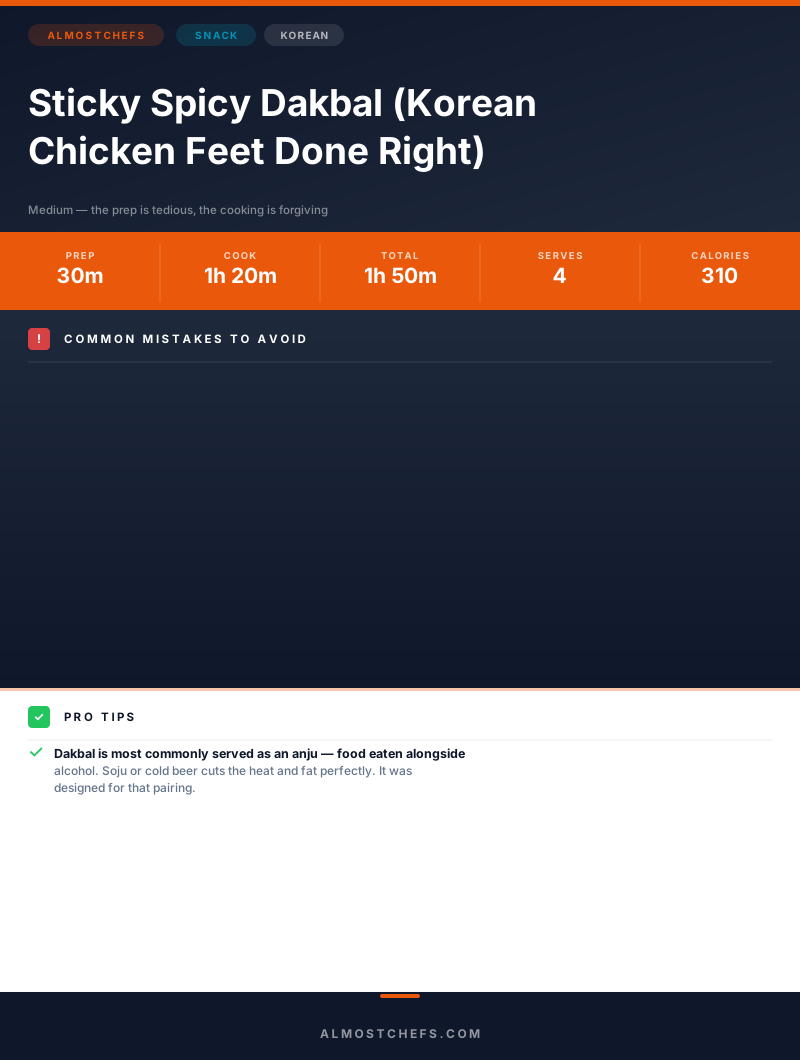
Before we start, read this. These are the 4 reasons your sticky spicy dakbal (korean chicken feet done right) will fail:
- 1
Skipping the blanching step: Raw chicken feet carry a sharp, gamey odor that no amount of gochujang can cover. A 5-minute blanch in boiling water with ginger and rice wine purges the blood, firms the skin, and gives the surface something to grip during the braise. This step is not optional — it is the foundation the entire dish stands on.
- 2
Not trimming the nails and excess skin: Untrimmed nails create a textural nightmare and trap grime. More importantly, the thick excess skin around the toe joints turns slippery rather than sticky if left on. Spend 10 minutes on prep and the final dish rewards you. Skip it and no amount of correct cooking will save the texture.
- 3
Braising on too high a heat: Chicken feet are almost entirely skin, cartilage, and bone. High heat tightens the skin and makes the collagen rubbery instead of silky. Low and slow — a gentle simmer with the lid on — is what converts the connective tissue into that signature sticky, gelatinous pull that defines dakbal.
- 4
Under-reducing the sauce: Dakbal's sauce should cling to every joint and fold. If it's thin and soupy at the end, crank the heat with the lid off for the final 10 minutes. You want a sauce that looks lacquered, not stewed.
🛠️ Core Equipment
- Heavy-bottomed wide sauté pan or [Dutch oven](/kitchen-gear/review/dutch-oven)Even heat is critical for the low-and-slow braise. A thin pan scorches the sauce before the collagen has time to render properly. Wide surface area also helps with the final reduction.
- Kitchen shearsThe most efficient tool for trimming nails and cutting through the small joints in chicken feet. A knife can do it but shears give you control and speed without the risk of slipping.
- Large stockpotFor the initial blanching. You need enough water to fully submerge the feet and maintain a rolling boil without crowding, which would drop the temperature and extend the purge time.
- TongsChicken feet are awkward and slippery at every stage — blanching, layering into the braise, serving. Tongs keep your hands out of the hot sauce and give you real control.
Sticky Spicy Dakbal (Korean Chicken Feet Done Right)
🛒 Ingredients
- ✦2.2 pounds chicken feet, nails trimmed
- ✦3 tablespoons gochujang (Korean red chile paste)
- ✦2 tablespoons gochugaru (Korean red pepper flakes)
- ✦3 tablespoons soy sauce
- ✦2 tablespoons soju (or dry rice wine)
- ✦1 tablespoon rice wine vinegar
- ✦1 tablespoon sesame oil
- ✦1.5 tablespoons honey
- ✦1 tablespoon sugar
- ✦6 garlic cloves, minced
- ✦1 tablespoon fresh ginger, grated
- ✦3 green onions, cut into 2-inch pieces
- ✦1 teaspoon black pepper
- ✦1 cup water or unsalted chicken stock
- ✦1 tablespoon toasted sesame seeds, for garnish
- ✦For blanching: 1 tablespoon rice wine, 3 slices fresh ginger, 1 teaspoon salt
👨🍳 Instructions
01Step 1
Use kitchen shears to clip the nails from each chicken foot. Trim any thick, yellowed skin patches from the toe joints.
02Step 2
Bring a large pot of water to a rolling boil. Add rice wine, ginger slices, and salt. Add the chicken feet and blanch for 5 minutes.
03Step 3
Drain the chicken feet and rinse under cold running water. Pat completely dry with paper towels.
04Step 4
In a bowl, whisk together gochujang, gochugaru, soy sauce, soju, rice wine vinegar, honey, sugar, garlic, and ginger until smooth.
05Step 5
Add the blanched chicken feet to a heavy-bottomed pan. Pour the sauce over them and add 1 cup water or stock. Toss to coat thoroughly.
06Step 6
Bring to a boil over medium-high heat, then reduce to a low simmer. Cover and cook for 50-60 minutes, turning the feet every 15 minutes.
07Step 7
Add the green onion pieces in the final 10 minutes of covered cooking.
08Step 8
Remove the lid, increase heat to medium-high, and cook for a further 8-12 minutes, stirring frequently, until the sauce reduces to a thick, clingy glaze.
09Step 9
Remove from heat. Drizzle with sesame oil and toss once more to coat.
10Step 10
Transfer to a serving plate. Garnish with toasted sesame seeds and additional sliced green onion.
Nutrition Per Serving
Estimates based on standard preparation. Adjustments alter macros.
🔄 Substitutions
Instead of Soju...
Use Dry sake or dry sherry
Soju's low alcohol content keeps the sauce from becoming too sharp. Sake is the closest substitute. Dry sherry works but adds a slightly deeper, more wine-like note.
Instead of Gochujang...
Use Doenjang mixed with gochugaru and a pinch of sugar
Not a perfect match — gochujang has a fermented sweetness that doenjang lacks — but produces a comparable depth. Use half the quantity and adjust chile heat separately.
Instead of Honey...
Use Corn syrup or rice syrup (mulyeot)
Mulyeot is the traditional choice and produces a shinier, more elastic glaze. Honey adds floral notes that mulyeot doesn't have — both are correct depending on preference.
Instead of Chicken feet...
Use Chicken wings (mid-section and flats only)
Not dakbal, but shares the same sauce and technique. Wings have less collagen so the sauce will be slightly less sticky. Reduce braise time to 35-40 minutes.
🧊 Storage & Reheating
In the Fridge
Store in an airtight container with the sauce for up to 3 days. The flavor deepens significantly after 24 hours.
In the Freezer
Freeze in portions for up to 6 weeks. Thaw overnight in the fridge and reheat gently in a covered pan with a splash of water.
Reheating Rules
Add 2 tablespoons of water to the container and reheat covered on low heat, stirring occasionally. The sauce re-emulsifies as it warms. Avoid high heat — it ruins the texture.
❓ Frequently Asked Questions
Are chicken feet actually edible? There's almost no meat.
That's the point. Dakbal is about skin, cartilage, and the collagen matrix between the bones — not meat. The eating technique involves pulling the skin off each joint with your teeth. It's a learned skill that takes one or two servings to get comfortable with. Once you get it, it's deeply satisfying.
Where do I buy chicken feet?
Asian grocery stores, Korean supermarkets, and many Latin markets carry them fresh or frozen. Some butcher shops carry them by request. Frozen works perfectly for this recipe — thaw overnight in the fridge before trimming and blanching.
Why does my dakbal smell gamey even after blanching?
The blanch water probably wasn't hot enough or you rushed it. It should be a genuine rolling boil, not a shimmer. Also check that you're using rice wine in the blanch — plain water is less effective at purging the odor compounds. Five minutes at a full boil is the minimum.
Can I make this less spicy?
Yes. Gochugaru is the primary heat driver — cut it to 1 teaspoon and the dish stays deeply flavored without the burn. Gochujang contributes more fermented umami than raw heat, so keep the full amount. The dish should have warmth, not be a test of endurance.
Why did my sauce burn at the reduction stage?
The sugar content makes the sauce volatile at high heat. Once the lid comes off for the final reduction, you need to be at the stove continuously — stirring every 30 seconds, monitoring the bubble pattern. A controlled medium-high sizzle is what you want; the moment it starts spitting aggressively, pull the heat back.
Is dakbal healthy?
Chicken feet are one of the highest natural sources of collagen, which is associated with joint health and skin elasticity. The dish is high in protein and relatively low in fat compared to other braised preparations. The sauce does carry significant sodium — around 890mg per serving — so it's worth noting if you're monitoring intake.
The Science of
Sticky Spicy Dakbal (Korean Chicken Feet Done Right)
We turned everything on this page into a beautiful, flour-proof PDF cheat sheet. Print it out, stick it to your fridge, and never mess up your sticky spicy dakbal (korean chicken feet done right) again.
*We'll email you the high-res PDF instantly. No spam, just perfectly cooked meals.
AlmostChefs Editorial Team
We translate the internet's most popular cooking videos into foolproof, beginner-friendly written recipes. We analyze multiple methods, test them in our kitchen, and engineer a single "Master Recipe" that gives you the best possible result with the least possible stress.