Crunchy Korean Fried Chicken (The Double-Fry Method That Actually Works)
Ultra-crispy, twice-fried chicken coated in a glossy, spicy-sweet gochujang glaze. We broke down the double-fry science and the starch ratio that keeps the crust shattering through the sauce — no soggy coating, no raw centers.
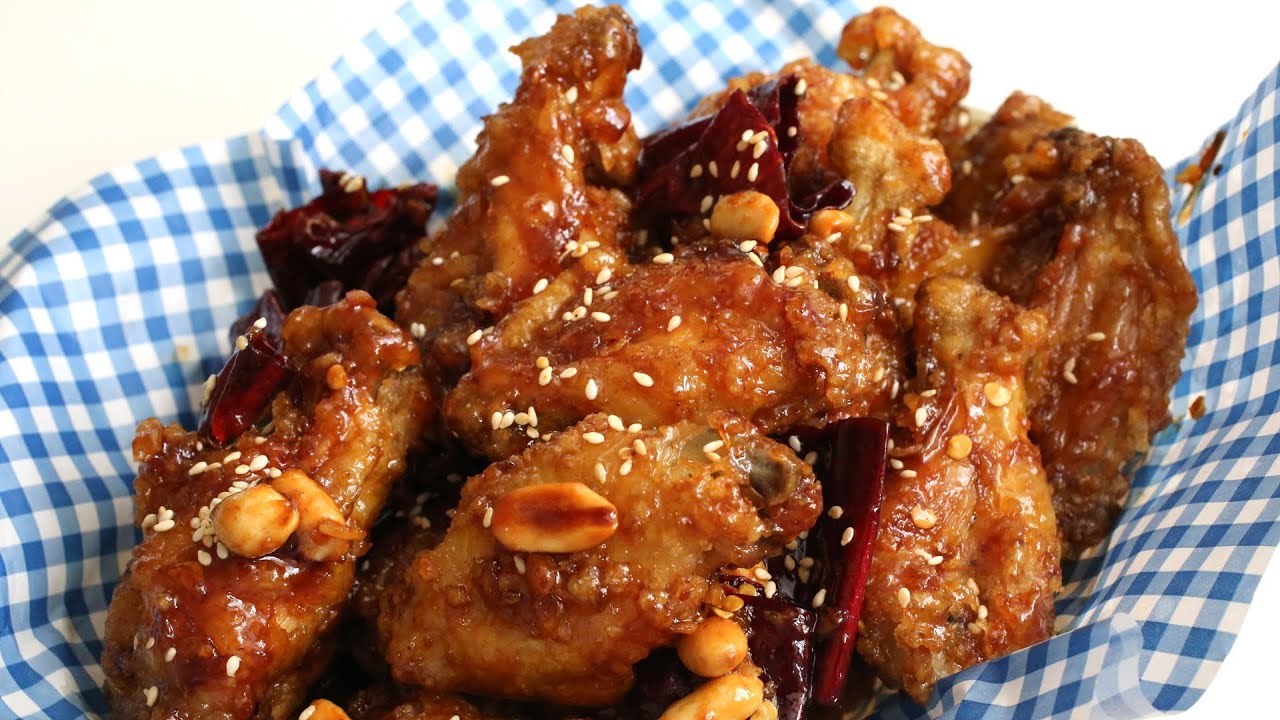
“Korean fried chicken is not American fried chicken with a different sauce. The crust is thinner, crispier, and built to survive being coated in a sticky glaze without turning into a soggy shell. That requires a specific starch-to-flour ratio, a specific oil temperature, and a rest between two fries. Get those three things right and you have chicken that stays crunchy for an hour. Get them wrong and you have expensive takeout failure at home.”
Why This Recipe Works
Korean fried chicken occupies a completely different category from every other fried chicken tradition on earth. It is not Southern. It is not Japanese karaage. It is not Chinese-American. It was engineered for a specific outcome: a crust so structurally rigid that it survives being submerged in a sticky, wet glaze and still delivers an audible crack when you bite through it. Understanding why the technique works the way it does is the difference between making restaurant-quality Korean fried chicken at home and making expensive disappointment.
The Starch Architecture
The coating is where most home cooks go wrong before the oil even heats up. American fried chicken uses seasoned flour. Korean fried chicken uses potato starch — or at minimum, a starch-dominant blend — and the distinction is not cosmetic. Flour is primarily protein and starch. When it hits hot oil, the proteins set first and create a porous, sponge-like structure that readily absorbs oil and moisture. That's why flour-coated fried chicken goes soft within minutes of coming out of the fryer.
Potato starch behaves differently. At high temperatures it undergoes rapid gelatinization, forming a dense, glassy network that is physically resistant to liquid penetration. The result is a crust that repels rather than absorbs — it stays rigid long enough for you to coat it in glaze and still deliver crunch through the first several bites. The small addition of all-purpose flour in this recipe adds a tiny amount of browning potential and adhesion; the baking powder creates microscopic air pockets that lighten the texture. But potato starch is the load-bearing structural element. Do not substitute it with more flour.
The Double-Fry Thermodynamics
The double-fry technique is not a quirk or a restaurant shortcut — it is a precise thermal strategy for cooking something that has two competing requirements. The interior needs gentle, sustained heat to cook through safely without drying out. The exterior needs violent, aggressive heat to form a rigid, blistered crust. These two requirements are mutually exclusive in a single fry.
The first fry at 325°F solves the interior problem. Lower temperature means the coating sets slowly and the chicken has time to reach 165°F internally without the crust burning. The result looks pale and unimpressive. That is intentional. The rest period between fries allows residual heat to push the internal cook the final few degrees and, critically, allows surface moisture to continue evaporating. You are drying the crust from the outside while the center finishes from within.
The second fry at 375°F solves the exterior problem. The surface is now drier and hotter than it was after the first fry. When it hits higher-temperature oil, the remaining surface moisture flashes off instantly, the starch undergoes secondary gelatinization, and you get the blistered, crackling shell that Korean fried chicken is known for. Using a wire rack between fries and after the final fry ensures air circulates underneath so steam cannot soften the bottom crust — a detail that sounds minor until the first time you skip it and wonder why the bottoms are soggy.
The Glaze Chemistry
Yangnyeom sauce is a precision instrument. The gochujang provides fermented heat and body. The honey provides viscosity and sweetness that balances the chili. The soy sauce provides umami depth and salt. The rice vinegar cuts through the fat and prevents the sauce from tasting cloying. The butter — often omitted in simplified recipes — emulsifies the sauce and gives it the glossy, lacquered finish that makes Korean fried chicken look as good as it tastes.
The critical variable is timing. Glaze the chicken within 60 seconds of it leaving the oil. Warm chicken absorbs glaze differently than cold chicken — the coating is still at peak rigidity, and the slight surface heat helps the glaze cling and set rather than pool at the bottom of the bowl. A large mixing bowl with room to toss without smashing is essential; the coating is durable but not indestructible, and aggressive stirring cracks the crust before the glaze has a chance to set on it.
Why This Dish Rewards Discipline
Every step in this recipe is load-bearing. The 20-minute rest before battering lets the surface dry. The thin batter produces the right crust density. The thermometer keeps both fries in their target ranges. The 8-minute rest between fries completes what the first fry started. None of these steps are there for aesthetics or tradition — they exist because the physics of crust formation demands them. Follow them in sequence and you get chicken that makes people reach for a second piece before they've finished the first. Skip any of them and you get a very complicated way to produce mediocre chicken.
Where Beginners Mess This Up
Before we start, read this. These are the 4 reasons your crunchy korean fried chicken (the double-fry method that actually works) will fail:
- 1
Using only flour in the coating: All-purpose flour produces a thick, bready crust that goes limp the moment moisture hits it — either from the glaze or from internal steam. Korean fried chicken requires potato starch or cornstarch as the dominant coating ingredient. Starch forms a glassy, rigid shell during frying that repels moisture far longer than flour alone can.
- 2
Skipping the first fry rest: The double-fry technique only works if you let the chicken rest for 5-10 minutes between fries. During that rest, residual heat continues cooking the interior while the surface crust dehydrates further. The second fry then hits a drier surface, creating dramatically more crunch. Frying twice without resting just produces greasy, over-cooked chicken.
- 3
Oil temperature that's too low: Frying Korean chicken below 350°F means the coating absorbs oil before it sets. The crust turns greasy and dense instead of light and shatteringly crisp. Use a thermometer. The first fry is at 325°F to cook the meat through, the second at 375°F to blister the crust. These are not suggestions.
- 4
Applying the glaze to hot chicken too early: Tossing the chicken in glaze while it's still in the pan over heat softens the crust from below. Remove the chicken from the oil, drain for 60 seconds, then toss in glaze. The crust needs that brief moment to set before it gets coated.
The Video Reference Library
Want to see it in action? Here are the exact videos we analyzed and combined to build this foolproof recipe translation:
The most technically rigorous Korean fried chicken video available. Covers the starch ratio, double-fry temperatures, and glaze consistency in precise detail. Start here.
Wing-specific method with focus on the yangnyeom (sweet-spicy) glaze balance. Great reference for understanding gochujang-to-honey ratios and achieving the right glaze viscosity.
Deep dive into what separates Korean fried chicken from American Southern fried chicken structurally and chemically. Useful for understanding why the potato starch coating behaves the way it does.
🛠️ Core Equipment
- Deep heavy-bottomed pot or Dutch ovenStable oil temperature is the entire game in Korean fried chicken. A thin pot loses 30-40 degrees every time cold chicken goes in, producing greasy results. A heavy pot maintains heat with far less fluctuation.
- Instant-read thermometerYou need to monitor both the oil temperature and the internal chicken temperature (165°F). Guessing oil heat is how you get raw interiors and burnt crusts simultaneously.
- Wire rack set over a sheet panDraining fried chicken on paper towels traps steam underneath and softens the bottom crust within 60 seconds. A wire rack lets air circulate on all sides, preserving crunch. Non-negotiable.
- Large mixing bowlFor tossing the fried chicken in glaze without breaking the crust. The bowl needs to be significantly larger than the chicken so you can fold gently rather than smash.
Crunchy Korean Fried Chicken (The Double-Fry Method That Actually Works)
🛒 Ingredients
- ✦3 pounds chicken wings or drumettes, separated at the joint
- ✦1 cup potato starch
- ✦1/4 cup all-purpose flour
- ✦1 teaspoon baking powder
- ✦1 teaspoon garlic powder
- ✦1 teaspoon onion powder
- ✦1 teaspoon fine sea salt
- ✦1/2 teaspoon freshly ground black pepper
- ✦1/2 cup cold water
- ✦1 large egg white
- ✦Neutral oil for frying (vegetable or canola), about 6 cups
- ✦3 tablespoons gochujang (Korean chili paste)
- ✦2 tablespoons soy sauce
- ✦2 tablespoons honey
- ✦1 tablespoon rice vinegar
- ✦1 tablespoon toasted sesame oil
- ✦4 cloves garlic, finely minced
- ✦1 teaspoon fresh ginger, grated
- ✦1 tablespoon unsalted butter
- ✦1 tablespoon toasted sesame seeds, for garnish
- ✦3 green onions, thinly sliced, for garnish
👨🍳 Instructions
01Step 1
Pat the chicken pieces completely dry with paper towels. Any surface moisture is the enemy of crust formation. Season lightly with salt and pepper and let sit uncovered at room temperature for 20 minutes.
02Step 2
Whisk together the potato starch, all-purpose flour, baking powder, garlic powder, onion powder, salt, and pepper in a large bowl. In a separate small bowl, beat the egg white with the cold water until just combined. Add the wet mixture to the dry and stir until a thin, slightly lumpy batter forms.
03Step 3
Add the chicken to the batter and toss to coat every surface completely. Let the coated chicken rest on a wire rack for 5 minutes so the starch hydrates and the coating sets.
04Step 4
Pour oil into a heavy-bottomed pot to a depth of at least 3 inches. Heat to 325°F over medium-high heat, monitoring with a thermometer.
05Step 5
First fry: working in batches, lower the chicken into the oil and fry for 8-10 minutes, turning occasionally, until the coating is set and pale golden and the internal temperature reads 165°F. Remove to a wire rack set over a sheet pan.
06Step 6
Let the chicken rest on the wire rack for 8-10 minutes. Do not skip this step. This rest is what makes the double-fry technique work.
07Step 7
Increase the oil temperature to 375°F. Second fry: return the chicken to the oil in the same batches and fry for 3-4 minutes until deeply golden, audibly crackling, and visibly blistered. Drain on the wire rack.
08Step 8
While the chicken completes its second fry, make the glaze. In a small saucepan over medium heat, melt the butter, then add the minced garlic and grated ginger. Sauté for 60 seconds until fragrant. Add gochujang, soy sauce, honey, and rice vinegar. Stir to combine and simmer for 2-3 minutes until slightly thickened. Remove from heat and stir in the sesame oil.
09Step 9
Transfer the drained fried chicken to a large mixing bowl. Pour the glaze over the top and toss gently with tongs or a rubber spatula to coat every piece. Work quickly but carefully — you want full coverage without breaking the crust.
10Step 10
Transfer to a serving plate. Garnish with toasted sesame seeds and sliced green onions. Serve immediately.
Nutrition Per Serving
Estimates based on standard preparation. Adjustments alter macros.
🔄 Substitutions
Instead of Gochujang...
Use Sriracha mixed with a small amount of miso paste
Not a perfect substitute — gochujang has a fermented depth that sriracha lacks. But in a pinch, 2 tablespoons sriracha plus 1 teaspoon white miso gets you in the same zip code. Reduce honey slightly as sriracha is already sweeter.
Instead of Potato starch...
Use Cornstarch
Produces a slightly less rigid crust that softens faster under glaze. Still works well for the double-fry method. Do not substitute all-purpose flour — the crust structure fails completely.
Instead of Chicken wings...
Use Bone-in chicken thighs or drumsticks
Larger pieces require longer first-fry time — 12-14 minutes instead of 8-10. Confirm 165°F internal temperature before pulling for the rest. Second fry time stays the same.
Instead of Honey...
Use Maple syrup or brown rice syrup
Maple syrup adds subtle woodsy sweetness and works well. Brown rice syrup produces a less sweet, more savory glaze. Both maintain the right glaze viscosity.
🧊 Storage & Reheating
In the Fridge
Store leftover chicken (unglazed if possible) in an airtight container for up to 3 days. Glaze stored separately keeps for 1 week refrigerated.
In the Freezer
Freeze unglazed fried chicken in a single layer, then transfer to a bag for up to 1 month. Re-crisp in a 400°F oven or air fryer before glazing.
Reheating Rules
Re-crisp in an air fryer at 390°F for 5-6 minutes or in a 400°F conventional oven on a wire rack for 10 minutes. Microwaving destroys the crust entirely — do not do it.
❓ Frequently Asked Questions
Why is my Korean fried chicken not crispy?
Most likely cause: oil temperature was too low, you used only flour in the coating, or you skipped the double-fry rest. All three failures produce the same result — a dense, greasy crust that softens immediately. Use a thermometer, use potato starch, and rest the chicken between fries.
Can I make this in an air fryer?
Partially. An air fryer can replicate the second fry for crisping, but the first fry in actual oil is important for the crust to form properly around the chicken. Air-fry-only methods produce thinner, less satisfying crusts that don't hold the glaze as well.
How do I keep Korean fried chicken crispy after glazing?
You can't — not indefinitely. The glaze is water-based and will eventually penetrate the crust. Serve immediately after glazing for maximum crunch. Some restaurants serve the glaze on the side for dipping specifically to preserve crunch through the meal.
What is the difference between yangnyeom chicken and regular Korean fried chicken?
Yangnyeom (양념) means 'seasoned' in Korean and refers specifically to the sweet-spicy red glaze. Plain Korean fried chicken (sometimes called 'huraideu') is served unglazed with just a light dusting of salt or a dipping sauce on the side. Both use the same double-fry technique.
Why does my glaze slide off the chicken?
Two reasons: the chicken was too hot or too oily when you added the glaze, or the glaze was too thin. Drain the chicken for a full 60 seconds before glazing. Make sure the glaze is thick enough to coat the back of a spoon before removing from heat.
Can I prepare the chicken ahead of time?
You can complete the first fry up to 4 hours ahead. Let the chicken rest on a wire rack at room temperature (not in the fridge — condensation softens the crust). Do the second fry and glazing right before serving.

The Science of
Crunchy Korean Fried Chicken (The Double-Fry Method That Actually Works)
We turned everything on this page into a beautiful, flour-proof PDF cheat sheet. Print it out, stick it to your fridge, and never mess up your crunchy korean fried chicken (the double-fry method that actually works) again.
*We'll email you the high-res PDF instantly. No spam, just perfectly cooked meals.
AlmostChefs Editorial Team
We translate the internet's most popular cooking videos into foolproof, beginner-friendly written recipes. We analyze multiple methods, test them in our kitchen, and engineer a single "Master Recipe" that gives you the best possible result with the least possible stress.