Grilled Crocodile (The Lean Protein You've Been Sleeping On)
A village-style grilled crocodile dish that proves this lean, mild protein is one of the most forgiving things you can put on a grill. Citrus, honey, and smoked paprika do the heavy lifting while open-flame char handles the rest. We broke down the technique so you can pull this off in your backyard with zero exotic equipment.
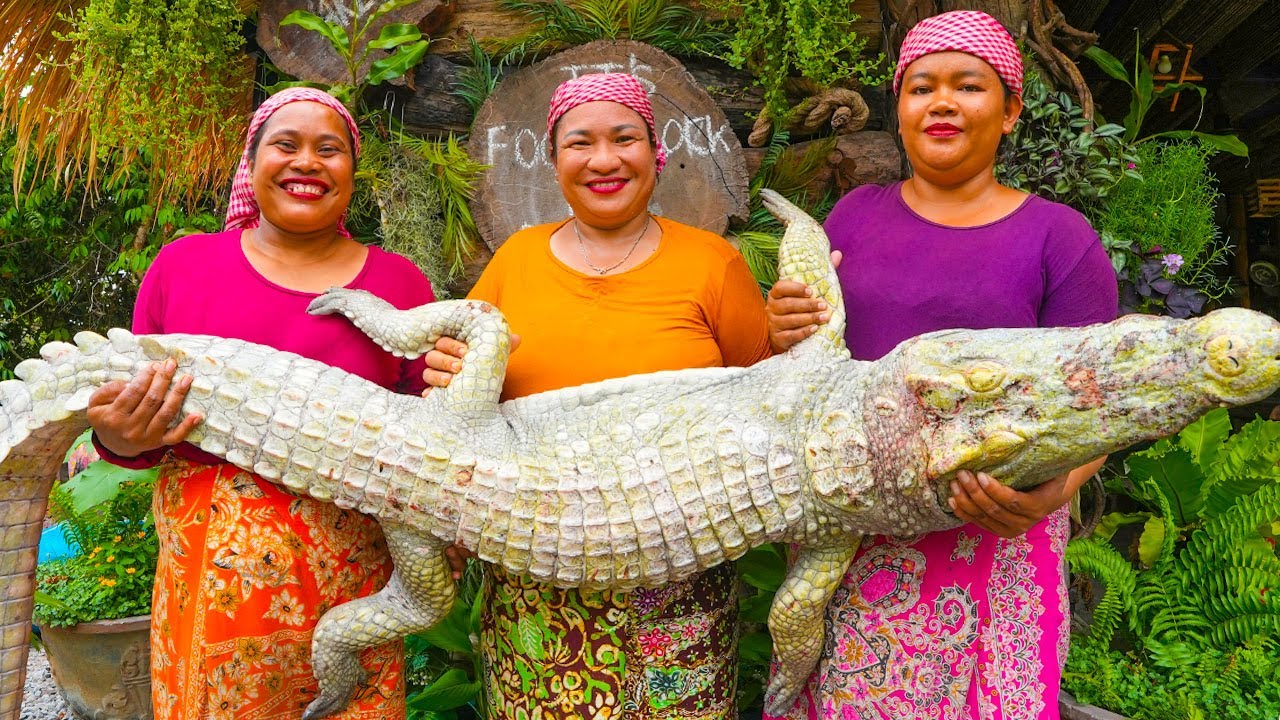
“Crocodile meat has a reputation problem. People hear the name and picture a novelty dish — something you try once at a tourist trap and immediately forget. That's a shame, because crocodile tail is one of the leanest, most versatile proteins you can put on a grill. It absorbs marinade like a sponge, cooks fast, and forgives you when you're not paying full attention. The village-style technique — citrus acid, honey char, open flame — is old for a reason. It works.”
Why This Recipe Works
Crocodile meat doesn't need rescue. It needs respect.
The problem isn't the protein — it's the way most people approach it. They treat it like a novelty, dress it in twelve competing sauces, and then wonder why it tastes like confusion. Village-style cooking figured this out centuries ago: lean, mild meat wants simple heat, acid, and fire. Everything else is decoration.
The Protein Profile
Crocodile tail is one of the leanest proteins you can put on a grill — leaner than chicken breast, leaner than most fish, with a fat content hovering around 3-4 grams per hundred grams of meat. That's not a nutritional talking point. It's a cooking constraint that changes every decision you make from here forward.
Low-fat proteins have no internal buffer against heat. Beef has intramuscular fat that melts during cooking and keeps the muscle fibers moist even when you push past ideal temperature. Crocodile has no such safety net. Go a few degrees past 160°F and the fibers contract hard, squeezing out moisture like a wrung washcloth. This is why the thermometer is non-negotiable and why the marinade is not a flavor afterthought — it's structural moisture insurance.
What the Marinade Actually Does
Lime juice and balsamic vinegar create an acidic environment that begins partially denaturing the outermost proteins of the meat. This is the same chemistry behind ceviche — acid "cooking" without heat. The difference is that a 4-hour grill marinade only affects the surface layers, not the interior. The result is a more porous exterior that absorbs olive oil and aromatic compounds from the garlic, thyme, and cilantro instead of repelling them.
The honey does two things simultaneously. Its natural enzymes (primarily invertase) have mild tenderizing properties similar to the bromelain in pineapple, though gentler. More importantly, honey caramelizes between 300-340°F on the grill surface, creating the lacquered char you see on the finished steaks. This is the Maillard reaction and caramelization happening in concert — and it's the reason you don't want to reduce or substitute the honey out of this recipe.
The Grill Geometry
Vegetables go on first. Always. Bell pepper rings and zucchini planks need 3-4 minutes per side to develop char while remaining tender — the same total grill time as the crocodile's first side. But you cannot juggle both simultaneously and give each proper attention. Cook the vegetables, get them off the grate, and then give the crocodile your full focus.
A grill with a tight-fitting lid lets you control the heat environment precisely. For crocodile, you're running medium-high direct heat — hot enough for crust development, controlled enough that the interior reaches temperature before the exterior burns. Too low and you steam instead of sear. Too high and the honey scorches black before the meat is done.
The scallions go on in the final two minutes — a timing decision, not a convenience. They need just enough flame exposure to collapse and char without turning to ash. Draped over the finished steaks, they're sweet and smoky in a way that balances the citrus brightness of the marinade.
The Platter Philosophy
This is a composed dish, not just a protein with sides. The grilled vegetables, charred scallions, cilantro garnish, and drizzled warm marinade all exist in relationship to each other. Everything on the platter was cooked in contact with the same fire, seasoned with variations of the same aromatics. That coherence is what makes village cooking feel complete rather than assembled — and it's the simplest version of the same principle that makes a proper biryani or a Provençal daube work.
The technique isn't exotic. The ingredient is. That distinction matters.
Where Beginners Mess This Up
Before we start, read this. These are the 4 reasons your grilled crocodile (the lean protein you've been sleeping on) will fail:
- 1
Skipping the 4-hour marinade minimum: Crocodile meat is extremely lean with very little intramuscular fat. Without adequate marinade time, the lime juice and olive oil can't penetrate the muscle fibers deeply enough to keep the meat moist on the grill. Four hours is the floor. Overnight is better. Rush this step and you get dry, flavorless steaks no matter how perfect your grill technique is.
- 2
Grilling cold meat straight from the fridge: Cold protein hits a hot grill and contracts immediately on the outside, trapping a cold center. The crust develops before the interior cooks, and you end up either with a raw center or an overcooked exterior trying to catch up. Pull the meat out 30 minutes before grilling. This is not optional.
- 3
Moving the steaks too early: The golden crust — the char that makes this dish — only develops when the protein releases naturally from the grate. If you're prying at it with tongs after 2 minutes, you're tearing the crust before it forms. Sear for 5-6 minutes and do not touch it. When it's ready to flip, it will release cleanly.
- 4
Basting with raw marinade at the wrong moment: The reserved marinade contains raw meat juices from the crocodile. Only apply it during the last few minutes of cooking when the grill heat will cook it through immediately. Basting early and repeatedly with contaminated marinade is a food safety issue — and it also prevents the crust from setting properly.
The Video Reference Library
Want to see it in action? Here are the exact videos we analyzed and combined to build this foolproof recipe translation:
The source video for this technique. Demonstrates the open-flame approach, marinade preparation, and the vegetable char timing that makes this a complete platter rather than just a protein.
🛠️ Core Equipment
- Charcoal or gas grill with lidMedium-high direct heat is essential for developing the char on lean crocodile meat. A grill pan works in a pinch but won't replicate the flavor compounds from open flame. If using a grill pan, crank the heat and use the oven exhaust fan.
- Instant-read thermometerCrocodile must hit 160°F internal temperature — the same safe minimum as pork. It's a lean meat with no fat buffer, so the window between perfectly cooked and overdone is narrow. A thermometer removes the guesswork.
- Pastry brushFor applying reserved marinade during the final minutes of grilling. A silicone brush handles high heat without shedding bristles onto the meat. A folded paper towel works as a last resort.
- Large zip-lock bag or covered glass bowlFor marinating. The container needs to seal tightly so the marinade stays in contact with all surfaces of the meat. A zip-lock bag is superior because you can press out the air and ensure full coverage.
Grilled Crocodile (The Lean Protein You've Been Sleeping On)
🛒 Ingredients
- ✦2 pounds crocodile tail meat, cut into 1.5-inch steaks
- ✦3 tablespoons extra virgin olive oil
- ✦4 cloves garlic, minced
- ✦2 medium yellow onions, finely diced
- ✦3 fresh limes, juiced
- ✦1/4 cup fresh cilantro, chopped
- ✦2 teaspoons sea salt
- ✦1 teaspoon black pepper
- ✦1 teaspoon smoked paprika
- ✦1/2 teaspoon cayenne pepper
- ✦2 tablespoons honey
- ✦1 tablespoon balsamic vinegar
- ✦3 fresh thyme sprigs
- ✦2 bay leaves
- ✦1 red bell pepper, sliced into thick rings
- ✦1 large zucchini, cut lengthwise into planks
- ✦6 scallions, trimmed and halved
👨🍳 Instructions
01Step 1
Combine minced garlic, diced yellow onions, lime juice, fresh cilantro, olive oil, honey, and balsamic vinegar in a large mixing bowl. Stir until fully incorporated.
02Step 2
Season the marinade with sea salt, black pepper, smoked paprika, and cayenne pepper. Stir again until the spices are evenly distributed throughout the liquid.
03Step 3
Add the crocodile steaks to the marinade and turn each piece until thoroughly coated on all sides. Add thyme sprigs and bay leaves.
04Step 4
Cover and refrigerate for at least 4 hours. Overnight (up to 12 hours) produces noticeably better results.
05Step 5
Remove the crocodile meat from the refrigerator 30 minutes before grilling. Reserve the excess marinade in a small bowl for basting.
06Step 6
Preheat your grill to medium-high heat, approximately 400°F. Lightly oil the grates using a folded paper towel dipped in oil and held with tongs.
07Step 7
Place the red bell pepper rings and zucchini planks on the grill. Cook for 3-4 minutes per side until tender with visible char marks. Transfer to a serving platter.
08Step 8
Arrange the crocodile steaks on the hot grill. Sear for 5-6 minutes on the first side without moving them. The meat will release cleanly when the crust is ready.
09Step 9
Flip each steak carefully and brush the cooked side with reserved marinade.
10Step 10
Grill the second side for 4-5 minutes until an instant-read thermometer reads 160°F at the thickest point.
11Step 11
Add the scallions to the grill during the final 2 minutes of cooking, turning them once for even charring.
12Step 12
Remove everything from the grill. Arrange on a serving platter, drizzle with any remaining warm marinade, and garnish generously with fresh cilantro. Serve immediately.
Nutrition Per Serving
Estimates based on standard preparation. Adjustments alter macros.
🔄 Substitutions
Instead of Crocodile meat...
Use Chicken breast or alligator meat
Flavor will be slightly milder but texture and cooking time remain nearly identical. Alligator is the superior substitute — it shares crocodile's lean protein profile and responds to marinades the same way.
Instead of Fresh cilantro...
Use Fresh parsley or fresh coriander leaves
Slightly less peppery flavor but maintains the fresh, bright quality of the dish. Good option if you carry the genetic variant that makes cilantro taste like dish soap.
Instead of Honey...
Use Pure maple syrup or coconut sugar dissolved in warm water
Maple syrup provides similar caramelization behavior on the grill with slightly earthier flavor. Coconut sugar adds subtle molasses notes.
Instead of Balsamic vinegar...
Use Apple cider vinegar or white wine vinegar
Sharper tang with less sweetness. Reduce quantity by about a teaspoon since these vinegars have higher acidity than balsamic.
🧊 Storage & Reheating
In the Fridge
Store cooked crocodile in an airtight container for up to 3 days. The meat firms up slightly when cold — slice it thin and serve over rice or greens for leftovers.
In the Freezer
Freeze cooked portions for up to 2 months. Freeze uncooked marinated meat for up to 3 months; thaw overnight in the refrigerator before grilling.
Reheating Rules
Reheat gently in a covered skillet over low heat with a splash of water or lime juice. Microwave makes lean proteins rubbery — avoid it. Sliced cold crocodile also works well in salads and grain bowls without reheating.
❓ Frequently Asked Questions
What does crocodile meat taste like?
Mild, clean, and slightly gamey — closer to chicken or alligator than beef or pork. The flavor is subtle enough that the marinade dominates, which is why the citrus-herb preparation works so well. People expecting something exotic are usually surprised by how approachable it is.
Where can I buy crocodile meat?
Specialty butchers, exotic meat online retailers, and some Asian grocery stores in major cities carry crocodile tail. If you're in Australia or Southeast Asia, it's more widely available at regular markets. Frozen is fine — just thaw fully in the refrigerator before marinating.
Is crocodile safe to eat?
Yes. Farmed crocodile is raised under regulated conditions and is legal to buy and sell in most countries. Cook it to an internal temperature of 160°F, the same safe minimum as pork. Wild-caught crocodile is a different legal matter depending on your jurisdiction.
Why does my crocodile meat turn out dry?
Two reasons, almost always: insufficient marinade time or overcooking. This is an extremely lean protein with no intramuscular fat to keep it moist. It needs the marinade's oil and acid to stay juicy, and it cannot tolerate going beyond 160°F internal temperature. Use a thermometer.
Can I marinate for longer than overnight?
Cap it at 12 hours. The lime juice in the marinade is acidic enough that beyond 12 hours it begins to denature the surface proteins too aggressively — a process called 'cold cooking.' The exterior starts turning opaque and the texture becomes mealy rather than firm.
Can I cook this on a cast iron skillet instead of a grill?
Yes. Heat the [cast iron skillet](/kitchen-gear/review/cast-iron-skillet) over high heat until it begins to smoke slightly. Add a thin layer of oil, then sear the steaks for 5-6 minutes per side. Finish in a 400°F oven if needed to reach 160°F internal temperature without burning the exterior.
The Science of
Grilled Crocodile (The Lean Protein You've Been Sleeping On)
We turned everything on this page into a beautiful, flour-proof PDF cheat sheet. Print it out, stick it to your fridge, and never mess up your grilled crocodile (the lean protein you've been sleeping on) again.
*We'll email you the high-res PDF instantly. No spam, just perfectly cooked meals.
AlmostChefs Editorial Team
We translate the internet's most popular cooking videos into foolproof, beginner-friendly written recipes. We analyze multiple methods, test them in our kitchen, and engineer a single "Master Recipe" that gives you the best possible result with the least possible stress.